The Blessed Virgin Mary: A Channel of God's Grace
Welcome Back.
Updated at: 2023-08-05 13:19:31 (2 years ago by Melkisedeck Leon Shine)
The Blessed Virgin Mary: A Channel of God's Grace
"Hail Mary, full of grace, the Lord is with thee!" These words, spoken by the angel Gabriel, forever changed the course of human history. π
The Virgin Mary, the mother of Jesus, holds a special place in the hearts of Catholics around the world. She is seen as a channel of God's grace, a vessel through which His love and blessings flow. πΉ
In the Bible, we see numerous examples of Mary's role as a channel of God's grace. From the moment of the Annunciation, when she humbly accepted God's plan for her life, to the wedding at Cana, where she interceded on behalf of the newlyweds, Mary's presence was a source of blessing. π
One of the most profound biblical examples of Mary's role as a channel of God's grace can be found in the Magnificat, her beautiful prayer of praise and thanksgiving. In Luke 1:46-55, Mary proclaims, "My soul magnifies the Lord, and my spirit rejoices in God my Savior." This prayer reminds us that Mary's faith and trust in God allowed her to be open to His grace and love. π
The Catechism of the Catholic Church teaches us that Mary is "the Mother of God" and "the model of the Church's faith." She is not only the physical mother of Jesus, but also the spiritual mother of all believers. Through her maternal intercession, she brings us closer to her son and helps us grow in holiness. πΊ
Throughout history, countless saints and theologians have recognized the important role of Mary in our spiritual journey. St. Louis de Montfort, for example, wrote extensively about Mary's role as a channel of God's grace in his book "True Devotion to Mary." He encourages us to entrust ourselves to Mary's care, knowing that she will lead us closer to Jesus. β€οΈ
The devotion to the Blessed Virgin Mary is deeply rooted in the Catholic tradition. From the earliest centuries, Christians have looked to Mary as a source of comfort, guidance, and intercession. Her gentle presence and unwavering faith are a shining example for all believers. βͺ
Mary's unique role as the Mother of God sets her apart from any other human being. She was chosen by God to be the vessel through which His Son would enter the world, bringing salvation to all. As Catholics, we deeply honor and love Mary, recognizing her as a powerful advocate and intercessor before God. π
In the words of St. Bernard of Clairvaux, a great medieval saint, "Of Mary there is never enough." This simple yet profound statement reminds us that Mary's love and grace are limitless. No matter how much we turn to her, she always has more to give. π·
The Rosary, a beloved Catholic prayer, is a beautiful way to honor and seek the intercession of the Blessed Virgin Mary. Through meditating on the mysteries of Christ's life, death, and resurrection, we unite ourselves with Mary and open our hearts to God's grace. πΏ
The Catholic Church teaches that Mary's role as a channel of God's grace is not limited to the past. She continues to intercede for us and bring us closer to her Son in the present. Just as she stood at the foot of the cross, offering her love and support to Jesus, she stands with us in our joys and sorrows today. πΉ
As Christians, we are called to imitate Mary's faith, humility, and love for God. Just as she said "yes" to God's plan for her life, we too must surrender ourselves to His will and trust in His providence. Mary shows us that through our openness to God's grace, miracles can happen. π
The devotion to Mary is not meant to detract from our worship of God, but rather to enhance it. She leads us closer to her Son, pointing us always towards Jesus. In the words of Pope Francis, "The Church is like Mary, her mother and model: a Church that is a mother, that has children, that has a mother's heart." π
In conclusion, the Blessed Virgin Mary is indeed a channel of God's grace. Her complete trust in God, her unwavering faith, and her motherly love make her a powerful intercessor on our behalf. Let us turn to her with confidence, knowing that she will guide us closer to her Son and shower us with God's abundant grace. π
What are your thoughts on the Blessed Virgin Mary as a channel of God's grace? How has her presence influenced your spiritual journey? Share your reflections and experiences in the comments below. π
Updated at: 2023-08-05 13:20:27 (2 years ago by Melkisedeck Leon Shine)
π Mary, Our Mother of Hope in Times of Despair π
In times of despair, when darkness seems to engulf our hearts, there is one source of comfort and hope that Christians turn to β Mary, the Mother of God. π
Mary holds a special place in the hearts of Roman Catholics and is revered as the Mother of all Christians. She is a beacon of hope, guiding us through the trials and tribulations of life. βͺ
Just as Mary gave birth to Jesus, the Son of God, she also brings forth hope into our lives. She is the one to whom we can turn to for solace and encouragement when all seems lost. πΉ
One biblical example of Mary's hope-giving presence is the wedding at Cana. When the wine ran out, Mary interceded on behalf of the couple and told the servants, "Do whatever he tells you" (John 2:5). Through her intercession, Jesus performed his first miracle, turning water into wine. π·
In times of despair, we can imitate Mary's trust and surrender to God's will. We can offer our struggles and hardships to her, knowing that she will present them to her Son on our behalf. Mary is our advocate and intercessor, continuously pleading for our needs before God. πΊ
The Catechism of the Catholic Church states that Mary's role as Mother of Hope is deeply rooted in her faith. She believed in God's promises, even in the most challenging circumstances. Her faith in God's plan for salvation gives us hope that He is always with us, even in our darkest moments. βοΈ
Throughout history, countless saints have testified to the power of Mary's intercession. Saint Maximilian Kolbe, a Roman Catholic priest and martyr, once said, "Never be afraid of loving the Blessed Virgin too much. You can never love her more than Jesus did." π
Mary's hope is not limited to a particular time or place. It extends to every corner of the world and to each of us individually. She is a mother to all, embracing us with her love and guiding us towards the light. π
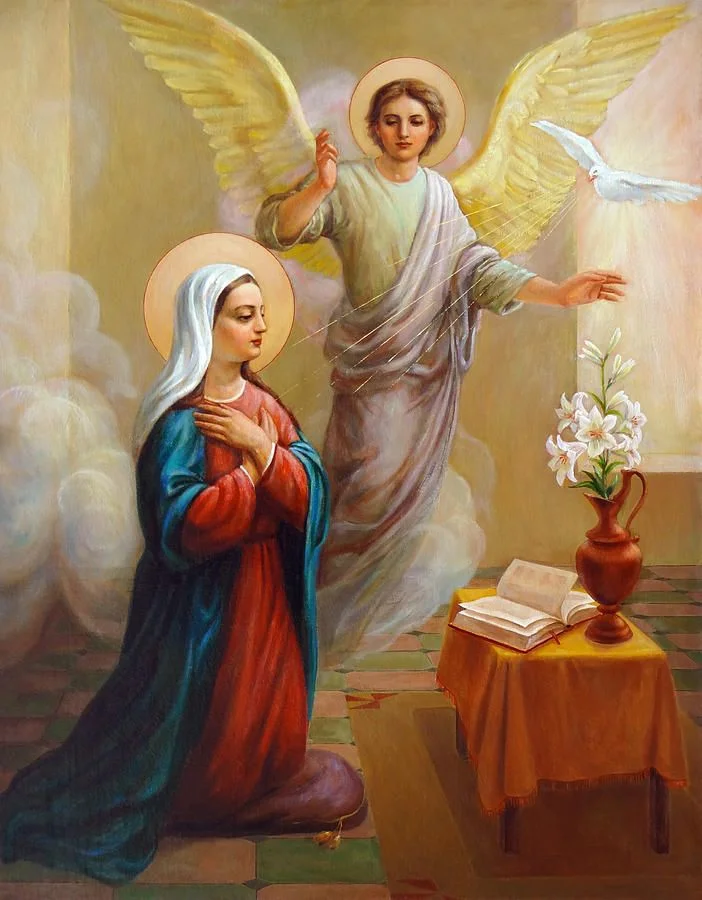
The Annunciation is another biblical event that reveals Mary's hope in God's plan. When the Angel Gabriel appeared to her, Mary responded, "Let it be done to me according to your word" (Luke 1:38). This surrender to God's will shows her unwavering trust and hope in His promises. ποΈ
As Christians, we can turn to Mary in times of despair, seeking her intercession and guidance. We can pray the Rosary, meditating on the mysteries of Christ's life and finding hope in the love and faithfulness of Mary. πΏ
The Bible encourages us to have hope in God, and Mary exemplifies this hope in its purest form. Romans 15:13 states, "May the God of hope fill you with all joy and peace as you trust in him so that you may overflow with hope by the power of the Holy Spirit." π
The saints have also emphasized the importance of turning to Mary in times of despair. Saint Padre Pio once said, "Love the Madonna and pray the Rosary, for her Rosary is the weapon against the evils of the world today." πΉ
Mary, Our Mother of Hope, invites us to trust in her loving intercession and to believe in the power of prayer. She is always ready to console and guide us, offering her motherly presence in times of despair. π
Let us not forget that Mary, as the Mother of God, holds a unique position in salvation history. She is not just a symbol of hope but a living testimony of God's love and mercy. We can find solace in her compassionate embrace and draw strength from her unwavering faith. πΊ
In conclusion, the presence of Mary, Our Mother of Hope in times of despair, offers us comfort, encouragement, and the assurance that we are never alone in our struggles. Let us turn to her with open hearts, seeking her intercession and trusting in her love. How has Mary, Our Mother of Hope, touched your life? Share your thoughts and experiences with us! πΉ
Updated at: 2025-06-21 02:48:15 (5 months ago by Melkisedeck Leon Shine)
```htmlIntroduction: Conceptualizing Grief and the Marian Model
Grief, a universal human experience, is often characterized by intense emotional pain and distress following a significant loss. Understanding grief necessitates acknowledging its multifaceted nature; encompassing psychological, physiological, and spiritual dimensions. The KΓΌbler-Ross model, while not without its critics, provides a useful framework for understanding the stages of griefβdenial, anger, bargaining, depression, and acceptanceβthough the experience is often non-linear and individual. This article explores the profound sorrows experienced by the Virgin Mary, as depicted in Catholic tradition, and proposes her example as a model for navigating personal grief through the lens of faith and spiritual resilience. We will analyze the "Seven Sorrows of Mary" applying concepts from pastoral theology and spiritual formation to demonstrate their relevance to contemporary experiences of loss and suffering.
The Seven Sorrows of Mary: A Framework for Spiritual Growth
The Catholic tradition highlights seven specific sorrows in Mary's life, each representing a unique challenge and opportunity for spiritual growth. These sorrows, far from being merely historical events, function as powerful parables, offering insights into the complexities of faith and the human condition. Analyzing these sorrows through a lens of theological reflection reveals valuable lessons in resilience, surrender, and trust in divine providence.
The Prophecy of Simeon: Embracing Preemptive Sorrow
Simeon's prophecy, foretelling the piercing of Mary's soul, introduces the concept of preemptive griefβanticipating future sorrow. This preemptive awareness, while painful, allows for a degree of preparation and fosters a deeper understanding of the inherent vulnerability of life. This resonates with the concept of anticipatory grief explored in contemporary psychology, highlighting the importance of emotional preparedness in the face of potential loss.
The Flight into Egypt: Navigating Uncertainty and Seeking Refuge
The flight into Egypt underscores the importance of resilience in the face of adversity. This journey, characterized by uncertainty and displacement, mirrors the experience of many who face unforeseen challenges and loss. Applying the concept of spiritual resilience, which emphasizes the ability to maintain faith and hope amidst suffering, Mary's example provides a powerful illustration of the role of faith in navigating difficult circumstances. The flight is not merely an escape; it is an act of trust in God's plan, even amidst danger.
The Loss of the Child Jesus in the Temple: Confronting Anxiety and Trust
The loss and subsequent rediscovery of Jesus in the Temple exemplifies the emotional turmoil of parental anxiety and the ultimate restoration of faith. This sorrow highlights the tension between human anxiety and divine providence. The narrative resonates with attachment theory, which emphasizes the importance of secure attachment in navigating emotional distress. Mary's experience underscores the role of faith in mitigating anxiety and fostering trust in God's protective presence.
Mary's Encounter with Jesus on the Way to Calvary: Bearing Witness to Suffering
Maryβs journey with Jesus to Calvary exemplifies compassionate companionship during immense suffering. This narrative is insightful when viewed through the lens of vicarious traumatization, where the witness to suffering experiences secondary trauma. Mary's unwavering presence, however, also showcases the transformative power of empathy and the potential for spiritual growth through shared suffering. Her resilience underscores the capacity for human empathy and the transformative power of bearing witness to another's suffering.
The Crucifixion: Confronting the Ultimate Sacrifice
The crucifixion represents the ultimate expression of sacrifice and loss. Mary's unwavering presence at the foot of the cross highlights the importance of bearing witness to the pain of others. Her steadfast faith serves as a beacon of hope, even in the face of unimaginable tragedy. This event demonstrates the power of faith in the face of incomprehensible loss and emphasizes the redemptive aspects of suffering within the Christian faith.
The Deposition from the Cross: Experiencing the Depth of Maternal Grief
The deposition from the cross encapsulates the profound grief of losing a loved one. Mary's embrace of her sonβs lifeless body is a powerful image of maternal love and sorrow, emphasizing the intensely personal and physical aspects of grief. This mirrors Bowlbyβs attachment theory, illustrating the profound emotional bond between mother and child and the intense pain of separation. Her acceptance of this sorrow demonstrates the possibility of finding meaning even amidst the deepest pain.
The Burial of Jesus: Hope in the Face of Death
The burial of Jesus signifies the acceptance of death as a part of life's journey. Mary's faith, however, transcends despair. This underscores the importance of faith and hope as resources for navigating the emotional complexities of loss and death. Her actions highlight the significance of ritual and ceremony in the grieving process, offering solace and facilitating acceptance of the reality of death. Maryβs trust in the divine plan showcases hope for eternal life beyond earthly suffering.
Mary as a Model for Navigating Grief: Applying Spiritual Principles
Mary's life, marked by profound sorrow, offers a powerful model for navigating personal grief. Her unwavering faith, resilient spirit, and compassionate heart provide a source of inspiration and guidance. Applying principles of spiritual formation, we can learn to cultivate similar attributes: faith as a cornerstone of resilience, acceptance of suffering as a pathway to spiritual growth, and compassionate empathy as a means of connecting with others experiencing loss. Furthermore, focusing on Mary's intercessory role within Catholic theology emphasizes the power of prayer and seeking spiritual support during times of grief. This spiritual framework offers a tangible path toward healing and growth.
Conclusion: Recommendations and Further Research
Mary's example provides a compelling framework for understanding and managing grief. Her journey highlights the transformative power of faith, the importance of spiritual support, and the necessity of acknowledging the diverse emotional responses associated with loss. This analysis, combining theological reflection with relevant psychological models, offers a holistic approach to grief. Further research could explore the application of Mary's example within diverse cultural contexts and religious traditions. Examining the effectiveness of Marian devotion as a coping mechanism for individuals experiencing different forms of loss, utilizing qualitative methodologies such as phenomenological interviews or thematic analysis, could prove invaluable. Additionally, investigating the role of faith communities in supporting grieving individuals, drawing on both qualitative and quantitative research methods, could contribute significantly to the ongoing discussion on grief and healing.
Reader Pool: How might the integration of psychological and theological perspectives, as demonstrated in this analysis of Maryβs sorrows, enrich the pastoral care and support offered to individuals grappling with grief?
```
Updated at: 2023-08-05 13:19:36 (2 years ago by Melkisedeck Leon Shine)
Mary's Visitation: An Encounter of Joy and Blessings
ππ
In the Christian faith, one of the most beautiful moments in the life of the Virgin Mary is her visitation to her cousin Elizabeth. This encounter between two women filled with divine grace is a source of immense joy and blessings for all believers. Let us explore this significant event from a Christian Roman Catholic perspective and reflect on its spiritual significance.
Mary's visitation to Elizabeth was a moment of great joy for both women. Imagine the delight they must have felt as they greeted each other, knowing that they were both chosen by God for a special purpose. As Luke 1:41-42 states, "When Elizabeth heard Mary's greeting, the baby leaped in her womb, and Elizabeth was filled with the Holy Spirit. In a loud voice she exclaimed: 'Blessed are you among women, and blessed is the child you will bear!'"
This encounter between Mary and Elizabeth was also a testament to God's faithfulness and fulfillment of His promises. It was a confirmation that Mary was indeed carrying the Son of God. Elizabeth proclaimed in Luke 1:45, "Blessed is she who has believed that the Lord would fulfill his promises to her!"
The Visitation is a beautiful example of the importance of community and support among believers. Mary, in her humility, did not keep her joy and blessings to herself but shared them with her cousin Elizabeth. This teaches us the value of sharing our faith and blessings with others.
In the act of visiting Elizabeth, Mary also showed us the importance of humility and service. Despite being pregnant with the Son of God, she humbly served her cousin and helped her in her time of need. Let us remember the words of Jesus in Matthew 23:12, "For those who exalt themselves will be humbled, and those who humble themselves will be exalted."
The Visitation reminds us of the sanctity of life and the dignity of the unborn. Elizabeth's unborn child, John the Baptist, recognized the presence of Jesus in Mary's womb. This event foreshadows the recognition of Jesus as the Messiah by John later in life. It emphasizes the value and significance of every life, even in its earliest stages.
The encounter between Mary and Elizabeth also reveals the power of the Holy Spirit in our lives. Elizabeth was filled with the Holy Spirit, and her unborn child leaped in her womb. This shows us that the Holy Spirit can work miracles even before birth and that we should always be open to the workings of the Spirit in our lives.
The Visitation was a moment of prophetic proclamation. Elizabeth, filled with the Holy Spirit, proclaimed the blessedness of Mary among women and the blessedness of the child she carried. This highlights the role of prophecy in God's plan and the importance of proclaiming His truth.
The Visitation is a source of inspiration and encouragement for all believers. It reminds us that God chooses ordinary people to carry out His extraordinary plans. Mary, a young and humble woman, was chosen to bear the Son of God. This should give us hope that God can use each one of us for His divine purposes.
The encounter between Mary and Elizabeth is a reflection of the loving and supportive relationships that exist within the Body of Christ. It encourages us to build strong bonds of love and support within our faith communities.
The Visitation also teaches us the importance of discernment and obedience to God's will. Mary, upon receiving the news that she would conceive the Son of God, willingly accepted God's plan for her life. This challenges us to trust in God's plan for us and to be obedient to His will.
The visitation is an invitation to rejoice in the Lord and to give Him thanks for the blessings He bestows upon us. Just as Mary and Elizabeth praised God for His goodness, we too should lift our voices in praise and thanksgiving.
The Visitation reminds us that God's blessings are not limited to our own lives but extend to those around us. Mary's visit to Elizabeth brought blessings not only to Elizabeth but also to her unborn child, John the Baptist. Our acts of love and kindness can have a ripple effect, touching the lives of those we encounter.
This encounter between Mary and Elizabeth also highlights the importance of intercession and prayer. Mary's presence brought joy and blessings to Elizabeth and her child. We can follow her example by interceding for one another and praying for God's blessings upon those in need.
The Visitation teaches us the importance of recognizing and celebrating the presence of Christ in one another. Just as Elizabeth recognized the presence of Jesus in Mary's womb, we are called to see Christ in our brothers and sisters, treating them with love and dignity.
This encounter between Mary and Elizabeth invites us to reflect on our own lives and consider how we can bring joy and blessings to others through our actions and words. Let us ask ourselves: How can we be vessels of God's grace and love in the world?
As we delve into the spiritual significance of Mary's Visitation, we are reminded of the blessings that flow from our encounters with God and one another. It is an invitation to rejoice, to serve, to love, and to be humble. May we follow in the footsteps of Mary, embracing God's plan for our lives and sharing the joy and blessings that come from encountering Him.
What are your thoughts on Mary's Visitation? How does this encounter inspire you in your own spiritual journey? Share your opinions and reflections below. πΊπ
Updated at: 2023-08-05 13:19:25 (2 years ago by Melkisedeck Leon Shine)
Mary's Fiat: A Model of Surrender and Obedience
π Introduction π In the story of Christianity, the Blessed Virgin Mary holds a special place as the Mother of God. Her unwavering faith, surrender, and obedience have made her a model for all believers to follow. Mary's "fiat," or her "yes" to God's plan, demonstrates the utmost trust in the divine will. Let us explore the beauty of Mary's surrender and obedience, and how we can apply these virtues in our own lives.
1οΈβ£ A Humble Heart π Mary's fiat was rooted in her deep humility. Despite being chosen to be the Mother of God, she never sought recognition or power. Instead, she embraced her role with grace and humility, recognizing that she was simply an instrument in God's divine plan. Her humility serves as a reminder to us all to be humble in our own lives and to trust in God's plan for us.
2οΈβ£ Surrendering to God's Will π Mary's fiat exemplifies her complete surrender to God's will. When the angel Gabriel appeared to her, announcing that she would bear a child, Mary's response was, "Behold, I am the handmaid of the Lord; let it be to me according to your word" (Luke 1:38). This profound act of surrender teaches us the importance of aligning our will with God's and trusting in His plan, even when it may be difficult or unknown to us.
3οΈβ£ Obedience in Action π Mary's obedience to God's will was unwavering. She willingly accepted the challenges and uncertainties that lay ahead, knowing that God was guiding her every step of the way. Her obedience allowed her to fulfill her role as the Mother of God and participate in the salvation of humanity. Just as Mary embraced obedience, we too are called to faithfully follow God's commandments and live in accordance with His teachings.
4οΈβ£ Biblical Examples βοΈ Throughout the Bible, we can find numerous examples of Mary's surrender and obedience. One such example can be seen at the Wedding at Cana (John 2:1-11). When the wine ran out, Mary turned to Jesus and said, "They have no wine." Even though Jesus initially responded, "Woman, what does this have to do with me?" Mary remained steadfast in her faith and obedience, telling the servants, "Do whatever he tells you." By trusting in Jesus and following His instructions, Mary played a pivotal role in the first public miracle performed by Jesus.
5οΈβ£ The Catechism's Wisdom π The Catechism of the Catholic Church beautifully articulates Mary's fiat and its significance: "By her complete adherence to the Father's will, to his Son's redemptive work, and to every prompting of the Holy Spirit, the Virgin Mary is the Church's model of faith and charity" (CCC 967). Mary's surrender and obedience serve as an inspiration for all believers, reminding us to align our lives with God's will and to trust in His guidance.
6οΈβ£ Saints and Mary's Fiat πΌ Throughout the history of the Catholic Church, many saints have looked to Mary as a model of surrender and obedience. Saint Therese of Lisieux, for example, had a deep devotion to the Blessed Virgin Mary and often prayed to her for guidance in her own spiritual journey. Saint Maximilian Kolbe also found inspiration in Mary's fiat, choosing to surrender his life in the place of a fellow prisoner in Auschwitz. These saints and many others have recognized the powerful example set by Mary and sought to emulate her virtues in their own lives.
7οΈβ£ Finding Strength in Surrender πͺ Surrendering to God's will does not mean giving up or losing control. On the contrary, it is an act of trust and a recognition that God's plan is far greater than our own. When we surrender to God, we find strength in knowing that He is in control and that He will guide us through any challenges we may face.
8οΈβ£ Embracing Obedience as Love β€οΈ Obedience is often seen as a restrictive concept, limiting our freedom and desires. However, Mary's obedience shows us that true obedience is an act of love. By following God's commandments and living according to His teachings, we show our love and gratitude for all that He has done for us. Obedience is not a burden, but rather a path to true freedom and fulfillment in our lives.
9οΈβ£ Mary, Our Loving Mother π©βπ§βπ¦ As Catholics, we have a special devotion to the Blessed Virgin Mary. She is not only the Mother of God but also our loving mother who intercedes for us and guides us along our spiritual journey. Just as a loving mother looks after her children, Mary watches over us and offers us her support and prayers. We can turn to her in times of need, seeking her intercession and following her example of surrender and obedience.
π€ Conclusion π€ Mary's fiat serves as a model of surrender and obedience for all believers. Her humility, surrender, and obedience are virtues that we can strive to emulate in our own lives. By trusting in God's plan, aligning our will with His, and obediently following His commandments, we can grow in faith and deepen our relationship with Him. Let us reflect on Mary's example and ask ourselves, are we willing to say "yes" to God's will in our own lives? π
What are your thoughts on Mary's surrender and obedience? How can you apply these virtues in your own life? Share your reflections and experiences below.
Updated at: 2025-06-05 10:39:49 (6 months ago by Melkisedeck Leon Shine)
Mary's Maternal Love: A Haven of Hope in Adversity
Introduction: Defining Key Concepts
This discourse examines the multifaceted concept of Mary's maternal love within the Catholic faith, exploring its theological significance and practical application in navigating life's challenges. We will analyze this maternal love through several lenses: unconditional love, divine intercession, spiritual guidance, and solace in times of hardship. The concept of "maternal love" here refers to a boundless, selfless, and protective love mirroring the ideal of motherhood, while "divine intercession" denotes Mary's role as a mediatrix between humanity and God. We will also touch upon relevant theological frameworks such as the Marian doctrines and their historical influence. Finally, the lens of "spiritual guidance" will explore Mary's role as an exemplar of faith and a source of inspiration for believers.
The Paradigm of Unconditional Love
Mary's love for Jesus exemplifies the archetype of unconditional love. Her unwavering commitment, as articulated in the Magnificat (Luke 1:46-55), showcases a complete surrender to God's will, even amidst the foreseen suffering of her son. This selfless devotion serves as a powerful model of unconditional love, underscoring the importance of prioritizing the well-being of loved ones above personal comfort, particularly when facing adversity. This aligns with the concept of agape, the selfless, sacrificial love described in Christian theology. Applying this in a contemporary setting means prioritizing the needs of family and community, even when demanding or uncomfortable.
Mary's Intercessory Role: A Bridge to Divine Grace
Catholic theology posits Mary's intercession as a potent source of spiritual support. Her role at the wedding at Cana (John 2:1-11) serves as a prime example of her ability to intercede for humanity's needs. This concept is grounded in the belief of her unique position as the Mother of God. This intercession is not seen as bypassing Christ but rather as a collaborative effort within the Trinitarian framework. The efficacy of her intercession is predicated on her complete devotion to God's will, making her a worthy mediator. In a practical context, this encourages faithful prayer, trusting in Mary's role to present our petitions to God, thereby fostering a deeper connection with divine grace. This is consistent with the concept of the communion of saints, where the faithful pray to each other for mutual spiritual support.
Spiritual Guidance and Exemplary Living
Mary's life serves as a beacon of spiritual guidance for believers. Her obedience, humility, and unwavering faith in God's plan, exemplified throughout the Gospels, offer a powerful example for Christian discipleship. Her role in guiding the shepherds (Luke 2:8-20) and the Magi (Matthew 2:1-12) to the newborn Jesus showcases her active participation in God's redemptive plan. This guiding role resonates with the concept of spiritual mentorship, where experienced believers guide others toward a deeper understanding of faith. In contemporary contexts, this suggests seeking spiritual direction from mentors, priests, or religious leaders, leveraging their wisdom and experience to strengthen one's own faith.
Mary as a Haven of Hope: Solace in Times of Trial
Mary's maternal love provides comfort and solace in times of hardship. This is particularly evident in her presence at the foot of the cross (John 19:25-27), demonstrating profound empathy and unwavering support during immense suffering. This resonates with the psychological concept of attachment theory, which emphasizes the importance of secure attachments for emotional well-being. The comfort and security provided by Mary's maternal love mirror the support received through secure attachments, offering strength and resilience during times of stress. In practical application, this highlights the importance of fostering strong interpersonal relationships and community support networks to navigate life's challenges.
The Power of Devotion: The Rosary and Marian Piety
The Rosary provides a structured path to connecting with Mary's maternal love. The meditative practice of reciting the Rosary, focusing on the mysteries of Christ's life, offers an opportunity for spiritual growth and deepened connection with Mary. The act of contemplation and prayer deepens the relationship with Christ and his mother, allowing for reflection and a personal connection with their lives and lessons. The practice of the rosary can be considered a form of contemplative prayer, deepening the individual's relationship with God. This form of spiritual practice aligns with the concept of spiritual disciplines, which are practices that cultivate spiritual growth and deepen one's relationship with God.
Mary as Advocate and Protector
Catholic teaching affirms Mary's role as advocate and protector. This role, rooted in her unique relationship with God and her steadfast faith, offers believers a powerful source of spiritual protection and guidance. The concept of spiritual warfare, prevalent throughout religious traditions, highlights the need for divine protection against negative influences. Mary's intercession, in this context, provides a powerful shield against temptation and spiritual adversity. Practical applications of this include incorporating prayer, spiritual practices, and seeking divine guidance during challenging times, reinforcing the understanding of the importance of spiritual fortification in one's life.
Mary's Enduring Legacy: A Universal Mother
Mary's maternal love transcends denominational boundaries, extending to all humanity. Her role as a universal mother symbolizes the unconditional, boundless love of God for all his children. The entrustment of John to Mary's care (John 19:27) illustrates this universal motherhood. In a globalized world, this universal aspect of Maryβs maternal love encourages interfaith dialogue and understanding, fostering empathy and compassion among people of diverse backgrounds. This can be considered a manifestation of the universalist aspect of Christian belief which seeks to extend Godβs love to all people, regardless of their faith or background.
Conclusion and Recommendations
Mary's maternal love provides a potent source of solace, guidance, and protection for believers navigating life's complexities. This love, deeply rooted in theological concepts and historical traditions, offers a practical framework for fostering spiritual growth and emotional resilience. Further research could explore the psychological and sociological implications of Marian devotion, investigating its impact on individual well-being and community cohesion. The universal application of Mary's example of unconditional love transcends religious boundaries and promotes a message of hope and compassion for all. This model of selfless love serves as an inspiration for societal betterment, promoting empathy and community solidarity.
Reader Pool: Considering the various perspectives presented, how might the concept of Mary's maternal love be reinterpreted or applied in a contemporary context to address contemporary societal challenges such as social injustice and global conflict?
Updated at: 2025-06-21 20:39:40 (5 months ago by Melkisedeck Leon Shine)
```htmlIntroduction: This discourse examines the theological concept of Mary as the "New Eve," exploring her pivotal role in Christian theology as a counterpoint to Eve in the Genesis narrative. We will analyze key events in her life, drawing upon established theological principles and interpretations to illustrate her significance in restoring humanity's relationship with the divine. Key concepts include the Immaculate Conception, the doctrine of the Incarnation, and the Marian dogmas recognized by the Catholic Church. This analysis will apply these theological frameworks to understand Mary's influence on spiritual life, highlighting her intercession and maternal role.
The Immaculate Conception and Original Sin: The doctrine of the Immaculate Conception posits that Mary was conceived without original sin, a unique distinction among humanity. This freedom from original sin, understood through the lens of Augustinian theology on grace and the inherent human condition, made her a suitable vessel for the Incarnation. This concept, central to Catholic theology, establishes Mary's exceptional status within salvation history, allowing her to act as a mediator free from the limitations imposed on humanity by the Fall. This freedom directly combats the consequences of original sin that affected Eve and, subsequently, all humanity.
Mary's Fiat: Obedience and the Divine Plan: Mary's "fiat," her unwavering acceptance of the angel Gabriel's message (Luke 1:38), exemplifies perfect obedience to God's will. This act of complete surrender contrasts sharply with Eve's disobedience in the Garden of Eden. This theological comparison, often articulated through typological interpretations, positions Mary's obedience as crucial in reversing the effects of the Fall and initiating the process of redemption. Her 'yes' initiates God's salvific plan which is highlighted by various models of reconciliation.
The Annunciation: A Counterpoint to the Fall: The Annunciation, mirroring the events in the Garden of Eden, presents a powerful contrast. Whereas Eve's disobedience led to humanity's separation from God, Mary's obedience resulted in the Incarnation β God becoming human in the person of Jesus Christ. This pivotal event, foundational to Christian soteriology, offers a powerful counter-narrative to the Fall, highlighting the restorative power of faith and obedience.
Mary as the New Ark of the Covenant: The typology comparing Mary to the Ark of the Covenant (a sacred vessel containing God's presence in the Old Testament) emphasizes the sacred nature of her role. By carrying the Word made flesh within her, Mary embodies the presence of God among humanity. This analogy illuminates her status as a mediating figure between God and humanity, a bridge built to reconnect humanity with the divine after the rupture of the Fall. This concept highlights the importance of the sacred vessel that Mary represented.
The Visitation: A Manifestation of Grace: The Visitation, Mary's visit to Elizabeth, emphasizes the grace bestowed upon Mary and her role as a sanctifying force. Elizabeth's recognition of Mary's blessedness underscores Mary's holiness and the spiritual power she carries. This event showcases the powerful influence of Mary's holiness upon others, echoing the spread of grace through redemptive acts.
Mary's Intercession and Maternal Role: Throughout scripture and tradition, Mary is portrayed as a powerful intercessor. Her intercession at the wedding feast in Cana demonstrates her ability to bring humanity's needs before Christ. This role as an advocate demonstrates the profound love and compassion of Mary, emphasizing her desire to aid humanity in its path towards salvation. Her intercession is frequently described through the lens of maternal love and care.
Mary as Mother of Humanity: Jesus' entrusting of Mary to John (John 19:27) established Mary as the mother of all believers. This act extends Mary's maternal role beyond her biological son, encompassing all humanity. This maternal role provides a vital framework for understanding Mary's continued relationship with humanity, extending her love and care to believers worldwide.
Mary, Queen of Heaven and Earth: The title "Queen of Heaven and Earth" signifies Mary's exalted position in the heavenly realm and her reign alongside Christ in the kingdom of God. This title underscores her ultimate triumph over sin and death, emphasizing the victory achieved through Christ's sacrifice and Mary's unwavering faith.
The Assumption: A Sign of Hope and Redemption: The dogma of the Assumption, proclaiming Mary's bodily and soul ascension into heaven, affirms the ultimate triumph of grace over death and signifies the hope of eternal life promised to believers. This dogma offers encouragement to believers, providing a concrete example of the resurrection to which Christians aspire. This emphasizes the promises given by God to those in obedience and unwavering faith.
Devotional Practices: The Rosary and Marian Piety: Devotions like the Rosary serve as powerful means of connecting with Mary and drawing closer to God. By meditating on the life of Christ, the Rosary emphasizes Mary's contemplation of her Son and enables believers to unite their spiritual journey with Maryβs deep faith and reflection.
The Catechism and the Saints' Testimonies: The Catechism of the Catholic Church and the testimonies of countless saints affirm Mary's central role in salvation history. These emphasize the consistency of belief regarding Mary's significance and the enduring nature of her devotion within the Church. Their reverence reinforces her vital role within the Christian faith.
Personal Connection and Spiritual Growth: The concept of Mary as the New Eve is not merely a theological abstraction; it holds profound personal relevance for believers. Her example of faith, obedience, and unwavering love offers a roadmap for spiritual growth, guiding believers toward a deeper relationship with God.
Conclusion and Recommendations: This exploration of Mary as the New Eve reveals her profound significance in Christian theology and spirituality. Her life and actions, viewed through the lens of theological concepts and models, present a powerful counterpoint to the Fall, offering hope and redemption to humanity. Further research could explore comparative theology, analyzing other religious traditions' perspectives on similar archetypes of feminine figures associated with divine mediation. The impact of this research lies in reinforcing the theological significance of Mary and providing a framework for personal spiritual growth. This study's applicability extends to both theological studies and pastoral practice, deepening understanding and strengthening faith.
Reader Pool: Considering the theological interpretations presented, how might a comparative analysis of Mary's role with analogous figures in other religious traditions enhance our understanding of her significance within Christianity?
```
Updated at: 2025-06-19 15:28:37 (5 months ago by Melkisedeck Leon Shine)
Mary, Mediatrix of Grace: A Theological Exploration
Introduction: Defining Key Concepts
This theological exploration examines the role of Mary, the mother of Jesus, as a mediatrix of grace within the Catholic tradition. We will analyze her position, not as a co-equal with Christ, but as a powerful intercessor facilitating the flow of divine grace. Key concepts to be explored include mediation, understood as the act of interceding or pleading on behalf of another; grace, referring to the free and unmerited favor of God; and the theological underpinnings of Marian devotion within the framework of Catholic doctrine. This analysis draws upon scripture, theological interpretations, and the historical context of Marian theology to provide a comprehensive understanding of Mary's role. We will examine this role through the lens of various theological models, including the model of the Church as the Body of Christ and the relational aspects of the Trinity.
Mary: Theotokos and Intercessor
The title "Theotokos," meaning "God-bearer," bestowed upon Mary, signifies her unique role in salvation history. Luke 1:43, where Elizabeth proclaims Mary as "the mother of my Lord," underscores the divine nature of Jesus, whose conception and birth were miraculous events. This divine motherhood positions Mary uniquely to intercede for humanity. This concept aligns with the theological understanding of the communion of saints, where believers intercede for each other, and Mary, as the most holy, has particular access to God's grace.
Mary's Mediation: A Clarification
Catholic doctrine emphasizes that Mary's mediation is subordinate to and entirely dependent on the unique mediation of Christ. Her role is not to supplant Christ's authority but to facilitate the outpouring of his grace upon the world. This understanding is crucial; Mary's role is one of advocacy, not of possessing divine power independently. This concept is analogous to the role of a skilled advocate in a legal setting; they do not make the ultimate decisions, but they skillfully present a case to increase the chances of a favorable outcome.
Biblical and Theological Examples
The wedding at Cana (John 2:1-12) serves as a prime example of Mary's intercession. Her request to Jesus leads to His first public miracle, demonstrating her capacity to influence divine action. This narrative illustrates the efficacy of prayerful intercession and highlights the responsive nature of God towards Mary's petitions. Furthermore, the theological concept of Mary as a type or model of the Church further strengthens this concept. The Church intercedes for humanity, as Mary does, acting as a conduit of Godβs grace.
Marian Devotion and the Rosary
The Rosary, a widely practiced Catholic devotion, exemplifies the role of Mary as intercessor. The repetitive recitation of the "Hail Mary" implicitly invokes Mary's intercession for the petitionerβs requests. This practice fosters a deeper relationship with Mary and encourages a contemplative approach to prayer, strengthening the believer's connection to divine grace. The structure of the Rosary mirrors liturgical prayers and forms a communal form of intercessory prayer.
Historical and Ecclesiological Context
The veneration of Mary as Mediatrix is deeply rooted in the historical development of Catholic theology. The writings of saints such as Louis de Montfort reflect the long-held belief in Mary's powerful intercession. This historical perspective, demonstrates the ongoing importance and theological consistency of Maryβs role within the larger context of the Church's understanding of salvation and grace. The consistent teaching of the Church underscores the doctrine's stability and significance.
The Assumption and Mary's Heavenly Glory
The dogma of the Assumption, celebrating Mary's bodily ascension into heaven, further emphasizes her unique relationship with Christ. This event underscores her complete victory over sin and death, highlighting her intimate connection to the divine and her capacity for powerful intercession. The Assumption is seen as an anticipation of the final resurrection and a sign of hope for all believers.
Mary: A Maternal Figure and Model of Faith
Mary's maternal role extends beyond her earthly motherhood. Her compassionate nature, exemplified by her presence at the foot of the cross (John 19:27), mirrors the compassion of God. She embodies the ideal model of faith and obedience, echoing the essential aspects of the Christian life in her complete surrender to God's will. This resonates with theological views emphasizing the importance of mirroring Christ-like actions.
The Church's Teaching and the "Fiat"
The consistent teachings of the Catholic Church reaffirm Mary's role as Mediatrix. Papal pronouncements and official documents consistently support this belief. Mary's "fiat," her acceptance of God's will (Luke 1:38), serves as a model of humble obedience and surrender, a vital aspect of spiritual growth. This aligns with the theological virtue of humility and the necessity of obedience in Christian life.
Personal Devotion and the Goal of Union with Christ
Personal devotion to Mary as Mediatrix cultivates a deep relationship with her, recognizing her capacity to understand and intercede for human needs. This personal connection complements the larger theological framework, providing a tangible pathway for believers to experience the efficacy of divine grace. The ultimate goal, however, remains a deeper union with Christ, with Mary guiding believers toward that ultimate goal of salvation.
Conclusion and Recommendations
This exploration reveals the profound significance of Mary's role as Mediatrix within the Catholic faith. Her intercession, while entirely dependent on and subservient to Christ's mediatorial work, offers a powerful means for experiencing divine grace. Further research could explore comparative theological perspectives on Marian mediation, analyze the impact of Marian devotion on individual spiritual lives, and investigate the sociological aspects of Marian piety across diverse cultures and historical periods. Understanding Mary's role requires a nuanced approach, recognizing the theological distinctions between her role and that of Christ while acknowledging the profound impact of her intercession on the lives of believers. Promoting a deeper understanding of Catholic doctrine related to Marian mediation is crucial for ensuring that devotion to Mary aligns accurately with orthodox theological principles.
Reader Pool:
Considering the theological framework presented, how might a more comprehensive understanding of Mary's role as Mediatrix impact contemporary approaches to intercessory prayer and spiritual formation within the Catholic Church?
Updated at: 2025-06-05 10:59:16 (6 months ago by Melkisedeck Leon Shine)
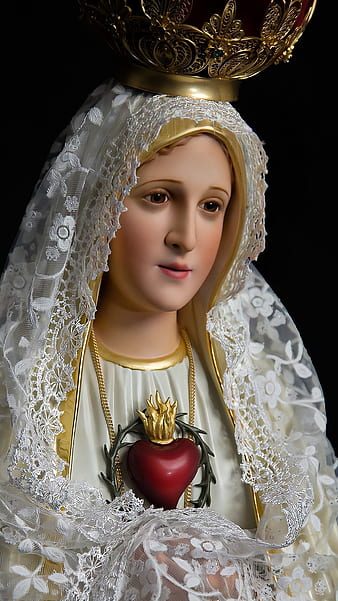
```htmlIntroduction: This paper explores the profound impact of devotion to Our Lady of Fatima, examining its theological underpinnings and practical applications within the framework of Catholic Marian theology. Key concepts, such as intercession (the act of a saint pleading on behalf of another before God), divine grace (God's unmerited favor), and theosis (deification or union with God), will be central to this analysis. We will explore how devotion to Mary, specifically as manifested in the Fatima apparitions, can facilitate spiritual growth, promote peace, and foster a deeper relationship with the divine.
The Marian Intercessory Role and the Fatima Apparitions: The Catholic tradition emphasizes Mary's role as intercessor, a concept deeply rooted in scripture and theological tradition. The Fatima apparitions (1917), a pivotal event in modern Marian history, highlight Mary's continued concern for humanity. This event, witnessed by three children, served as a powerful manifestation of divine grace, reinforcing Mary's mediatorial role and emphasizing the importance of prayer, conversion, and peace. This aligns with the theological principle of divine pedagogyβGod's gradual revelation of himself through history and sacred scripture.
Mary as a Model of Faith and Obedience: Mary's unwavering obedience to God's will, as exemplified in the Annunciation (Luke 1:38), provides a powerful example of faith and surrender. This resonates with the concept of kenosis (self-emptying), a Christological concept also applicable to Mary's life, demonstrating her complete submission to the divine plan of salvation. Her life serves as a model for believers striving for deeper spiritual union through self-emptying and obedience.
The Power of Prayer and the Rosary: Devotion to Our Lady of Fatima often involves the recitation of the Rosary, a contemplative prayer that meditates on the mysteries of Christ's life. This practice fosters contemplation and strengthens the relationship between believer and God. Through repeated prayer and mindful reflection on the life of Christ, the believer engages in a process of lectio divina (divine reading), deepening their spiritual understanding and promoting a closer union with the divine.
The Call to Conversion and Repentance: The Fatima message strongly emphasizes the need for conversion and repentance. This aligns with the central message of the Gospel, calling for a turning away from sin and a return to God's grace. This process of conversion can be understood through the lens of metanoia (a transformation of the mind and heart), highlighting the importance of spiritual renewal and moral reformation.
Promoting Peace and Social Justice: The Fatima apparitions stressed the importance of peace and prayer for peace. This resonates with Catholic Social Teaching, which emphasizes the dignity of the human person and the pursuit of justice and peace. Our Lady of Fatima's message encourages us to be agents of peace and reconciliation, working towards social justice and a more equitable world.
Seeking Mary's Maternal Protection and Intercession: Devotion to Mary fosters a sense of trust and reliance on her maternal care. This aligns with the concept of Mary as the βMother of the Church,β offering spiritual guidance and protection. This trust allows believers to approach God with confidence, knowing that they are supported by Mary's powerful intercession.
Spiritual and Physical Healing: Many testimonies attribute physical, emotional, and spiritual healing to the intercession of Our Lady of Fatima. While these claims require careful discernment, they highlight the power of faith and prayer in promoting healing and well-being. This aligns with the concept of sacramental efficacy, recognizing the potential for spiritual practices to facilitate healing and grace.
Strengthening Family Life and Promoting Holiness: Devotion to Our Lady of Fatima can strengthen family life through shared prayer and devotion. Mary's example of nurturing and caring for Jesus underscores the importance of faith-based family unity. Moreover, this devotion promotes a life of holiness, striving for virtue and imitating Christ, a process that reflects the concept of sanctification β the ongoing process of becoming holy through God's grace.
Conclusion and Recommendations: This exploration of devotion to Our Lady of Fatima reveals its profound theological significance and its practical application in promoting spiritual growth, fostering peace, and strengthening faith. Further research could delve into empirical studies on the impact of Marian devotion on various aspects of well-being. The Fatima message serves as a timeless reminder of the importance of prayer, conversion, and the pursuit of peace. Integrating Marian devotion into pastoral care and spiritual direction can be beneficial for personal growth and community building. Promoting the principles of conversion, prayer, and peace through programs rooted in the message of Fatima can significantly impact individuals and communities.
Reader Pool: Considering the theological and historical context presented, what are your thoughts on the efficacy of Marian devotion in promoting individual and societal transformation?
```
Updated at: 2023-08-05 13:20:11 (2 years ago by Melkisedeck Leon Shine)
The Power of Entrusting Our Lives to Mary πΉ
As children of God, we are constantly seeking guidance and support in our journey towards eternal salvation. In times of joy, sorrow, and uncertainty, we often find solace in turning to the loving intercession of the Blessed Virgin Mary. While she may not be the focus of our worship, we can recognize her as a powerful advocate and a source of strength in our spiritual lives. Let us explore the power of entrusting our lives to Mary and the role she plays in our Christian faith. π
Mary's role as the Mother of God: According to the Bible, Mary was chosen by God to be the mother of Jesus, the Son of God. This unique and divine role sets her apart from any other woman in history. π
The example of trust in God's plan: Mary's acceptance of God's will, even in the face of uncertainty, is a testament to her unwavering faith. In Luke 1:38, Mary says, "Behold, I am the handmaid of the Lord; let it be to me according to your word." Her trust in God's plan for her life serves as an inspiration for all believers. β¨
Mary's intercession for us: As the Mother of God, Mary has a special place in the heavenly realm. Just as a mother's prayers hold weight, Mary's intercession on our behalf is powerful. In John 2:1-11, we see Mary's intercession at the wedding feast of Cana, where she brings the needs of the couple to Jesus and he performs his first miracle. π·
The importance of the Rosary: The Rosary is a powerful tool for deepening our relationship with Mary and Jesus. By meditating on the mysteries of the Rosary, we can contemplate the life of Christ and seek Mary's intercession for our intentions. Pope Paul VI once said, "If you want peace in your heart, in your home, in your country, assemble together every evening and say the Rosary." πΏ
Mary's role as our Mother: In his dying moments on the cross, Jesus entrusted his beloved disciple John to the care of Mary, saying, "Behold your mother" (John 19:27). In this moment, Jesus gave Mary to us as our spiritual mother. We can turn to her with the confidence of a child seeking comfort from a loving mother. π©βπ§
Mary's love and compassion: Throughout her life, Mary displayed immense love and compassion for others. Whether it was her visit to her cousin Elizabeth (Luke 1:39-56) or her presence at the foot of the cross (John 19:25-27), Mary's love for humanity is a reflection of God's own love for us. β€οΈ
The significance of Marian apparitions: Throughout history, there have been numerous reports of Mary appearing to individuals, delivering messages of hope, repentance, and conversion. From Our Lady of Guadalupe to Fatima and Lourdes, these apparitions remind us of Mary's continued presence and care for humanity. πΉ
Mary's role in salvation: The Catechism of the Catholic Church teaches us that "Mary's role in the Church is inseparable from her union with Christ and flows directly from it" (CCC 964). Mary's "yes" to God's plan played a crucial role in our salvation, as she became the vessel through which Christ entered the world. π
The Saints' devotion to Mary: Throughout history, many saints have expressed deep devotion and love for Mary. Saint Louis de Montfort once said, "The more we honor the Blessed Virgin, the more we honor Jesus Christ, because we honor Mary only that we may the more perfectly honor Jesus." Their example encourages us to develop a personal relationship with Mary. πΌ
Mary's role as a model of discipleship: In her Magnificat (Luke 1:46-55), Mary proclaims, "My soul magnifies the Lord." Her humility and obedience serve as a model for us to follow in our own journey of discipleship. Mary's "yes" to God's plan challenges us to surrender our own wills and trust in the Lord's providence. π
Mary's guidance in times of trouble: When we face trials and tribulations, Mary stands ready to guide and comfort us. Just as she stood by Jesus' side during his Passion, she remains by our side in our own suffering. Her presence can bring us peace and reassure us of God's constant love and care. π
The power of the Memorare prayer: The Memorare is a beautiful prayer that invokes Mary's intercession and asks for her assistance in times of need. This prayer, attributed to Saint Bernard of Clairvaux, reminds us of Mary's role as a loving mother who never fails to hear our prayers: "Remember, O most gracious Virgin Mary, that never was it known that anyone who fled to your protection, implored your help, or sought your intercession was left unaided." π
Mary's role as the Queen of Heaven: The Catholic Church teaches that Mary was assumed into heaven, body and soul, and now reigns as the Queen of Heaven. As our queen, she has the power to intercede for us and obtain graces from her Son. Her queenship is a sign of her close union with Jesus and her role in our salvation. π
The power of consecration to Mary: Many saints and spiritual writers have encouraged the practice of consecrating ourselves to Mary. By consecrating ourselves to her, we entrust our lives completely to her care and protection. This act of devotion deepens our relationship with her and allows her to guide us in our spiritual journey. π€
Your opinion: What are your thoughts on entrusting our lives to Mary? Have you experienced the power of her intercession in your own life? Share your thoughts and experiences below! πΊ