
The Transformative Power of Marian Pilgrimage: A Theological and Sociological Exploration
Introduction: Defining Key Concepts
This discourse examines the profound impact of pilgrimage to Marian shrines within the context of Catholic faith. We will define key concepts: Marian shrines, consecrated sites dedicated to the Blessed Virgin Mary; pilgrimage, a journey undertaken for spiritual growth and devotion; and intercession, the act of pleading on behalf of another. We will analyze the theological underpinnings of Marian devotion, the sociological aspects of pilgrimage, and the reported transformative experiences of pilgrims, drawing on relevant theological principles, sociological models, and case studies. The concept of liminality, the transitional state between one's everyday life and a sacred space, will be a key lens through which to analyze the pilgrimage experience.
Theological Foundation of Marian Devotion
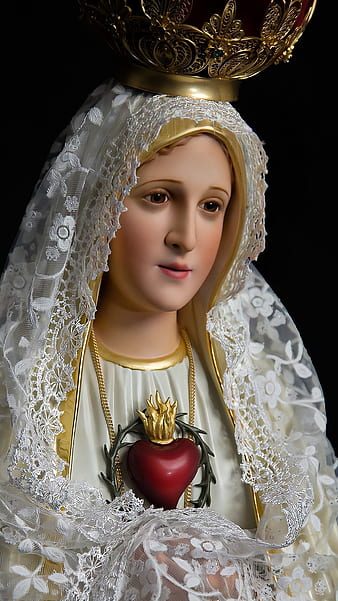
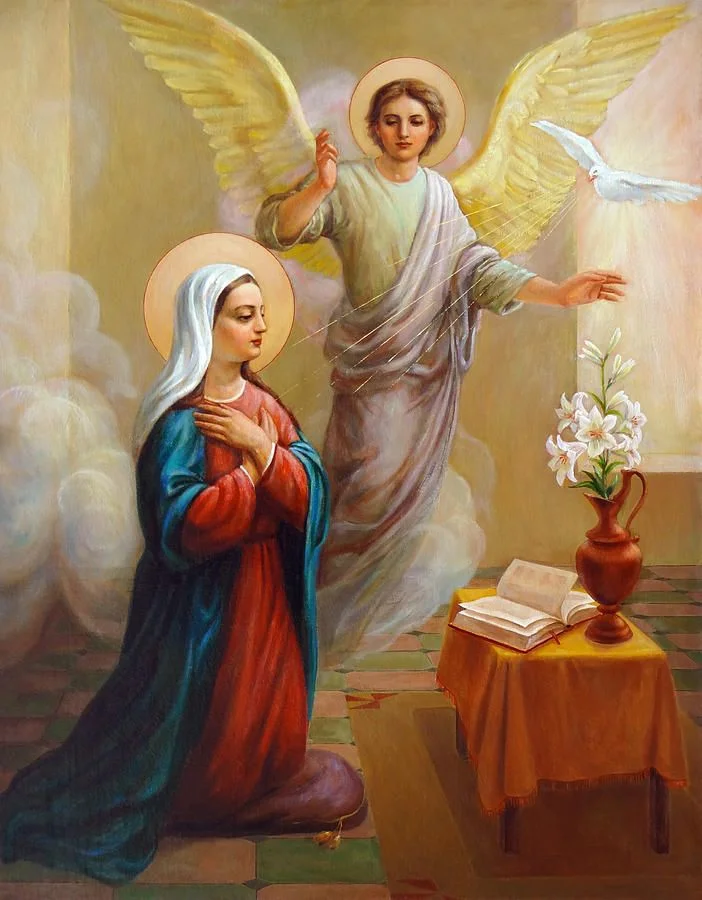
The Catholic Church's veneration of Mary rests upon the biblical narrative, particularly the Annunciation (Luke 1:28) and her role in the life, death, and resurrection of Jesus Christ. Mary’s unique position as the Mother of God (Theotokos) is central to Catholic theology. The doctrine of the Immaculate Conception and the Assumption further emphasize her holiness and privileged position within the divine plan of salvation. Her role as intercessor, stemming from her intimate relationship with God and her compassion for humanity, forms the basis for many Marian devotions and pilgrimages.
The Socio-Psychological Dimensions of Pilgrimage
The act of pilgrimage itself can be analyzed through the lens of symbolic interactionism, a sociological perspective that emphasizes the construction of meaning through social interaction. Pilgrimage represents a powerful symbolic act, whereby individuals actively participate in constructing their spiritual identity and strengthening their relationship with the divine. Furthermore, pilgrimage provides a sense of community, fostering social bonds amongst fellow pilgrims. Victor Turner's concept of liminality provides a framework for understanding the transformative nature of the pilgrimage experience. The journey itself, the time spent at the shrine, and the return to daily life all constitute phases of liminality, allowing for a period of reflection, spiritual renewal, and a potential shift in perspective.
Marian Shrines as Sites of Grace and Healing
Numerous Marian shrines, such as Lourdes, Fatima, and Guadalupe, serve as focal points for pilgrimage. Each shrine holds unique historical significance and attracts pilgrims seeking spiritual healing, both physical and emotional. The reported miracles and healings associated with these sites are interpreted within the framework of divine grace and Mary's intercessory power. While scientifically verifiable evidence may be lacking, the subjective experiences of pilgrims and the social impact of these events contribute to the sustained significance of these sites. The experience of these shrines can be studied using phenomenological approaches which prioritize subjective lived experiences.
Lourdes, Fatima, and Guadalupe: Case Studies in Marian Piety
Lourdes, known for its miraculous healings, embodies the hope and faith associated with Marian intercession. The apparitions to Bernadette Soubirous continue to inspire pilgrims. Fatima’s emphasis on prayer, penance, and conversion highlights the transformative potential of religious experiences. Finally, Our Lady of Guadalupe, a powerful symbol of faith in the Americas, emphasizes Mary's role as a unifying figure across cultures and communities. These case studies showcase the diverse ways in which Mary's presence is experienced and interpreted across geographical and cultural contexts.
The Pilgrim’s Journey: A Process of Spiritual Transformation
Pilgrimage transcends mere physical travel; it is a spiritual odyssey. Through acts of devotion such as prayer, the rosary, and reflection, pilgrims engage in a process of self-discovery and spiritual growth. The physical journey mirrors the spiritual journey, signifying a transition from a state of secular existence to a heightened state of spiritual awareness. This process aligns with theories of transformative learning, where individuals undergo significant shifts in their understanding of themselves and their relationship with the world.
Conclusion and Recommendations
This exploration reveals the multifaceted nature of Marian pilgrimage. Theological foundations, socio-psychological factors, and case studies from prominent Marian shrines demonstrate the enduring power of this spiritual practice. Further research could investigate the long-term impact of pilgrimage on participants' spiritual lives, applying quantitative methods to analyze changes in faith, practice, and well-being. Cross-cultural comparative studies could also enrich our understanding of the diverse expressions of Marian devotion and their socio-cultural contexts. These insights will aid in comprehending and respecting individual spiritual experiences within a broader theological and sociological framework, potentially improving pastoral care for individuals embarking on this spiritual journey. The findings may inform the design of spiritual programs and interventions that harness the transformative power of faith and pilgrimage for individual growth and community building.
Reader Pool:
Considering the theological and sociological perspectives presented, how might the concept of Marian pilgrimage be recontextualized within a contemporary, increasingly secular society?
```



No comments yet. Be the first to share your thoughts!