Boosting Your Immune System: Supporting Your Body's Defenses
Welcome Back.
Updated at: 2023-08-05 23:11:21 (2 years ago by Melkisedeck Leon Shine)
Boosting Your Immune System: Supporting Your Body's Defenses
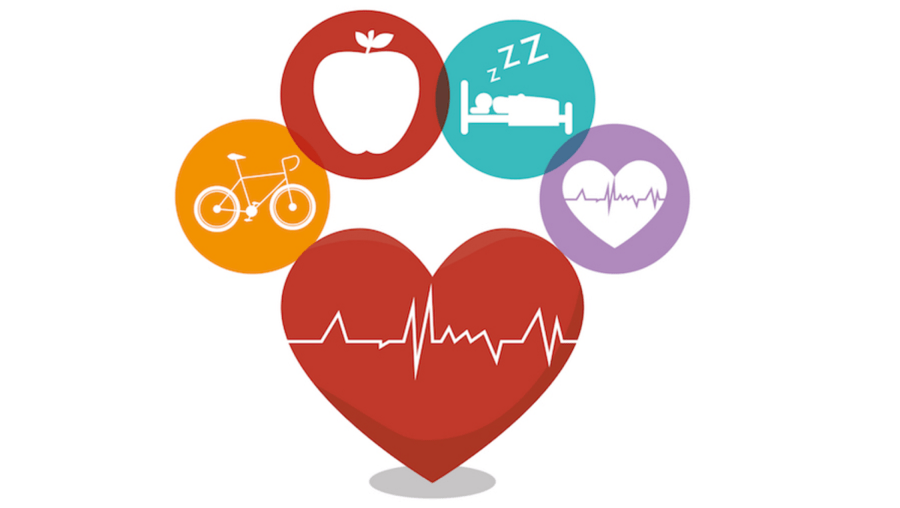
As AckySHINE, a health and wellness expert, I am here to share some valuable tips on how to boost your immune system and support your body's natural defenses. In today's fast-paced world, it's important to prioritize our health and take proactive steps to keep our immune system in top shape. With a strong immune system, we can better protect ourselves from illnesses, infections, and other health challenges. So, let's dive right in and discover some effective ways to boost your immune system!
π₯¦ Nourish Your Body: A healthy diet plays a crucial role in supporting your immune system. Make sure to include a variety of fruits, vegetables, whole grains, lean proteins, and healthy fats in your meals. These provide essential nutrients like vitamins A, C, D, E, and zinc, which are known to enhance immune function.
π¦ Stay Hydrated: Drinking plenty of water throughout the day helps to flush out toxins and keep your body hydrated. Proper hydration is essential for optimal immune function.
ποΈββοΈ Get Moving: Regular exercise not only strengthens your muscles but also improves your immune system. Engage in activities you enjoy, such as walking, jogging, dancing, or yoga. Aim for at least 150 minutes of moderate-intensity exercise per week.
π΄ Prioritize Sleep: Adequate sleep is vital for a healthy immune system. Lack of sleep can weaken your body's defenses, making you more susceptible to illnesses. Aim for 7-8 hours of quality sleep each night.
π Soak Up Some Sun: Vitamin D, also known as the sunshine vitamin, plays a key role in immune function. Spend some time outdoors and allow your body to absorb sunlight, which helps your body produce vitamin D.
π§ββοΈ Manage Stress: Chronic stress can suppress your immune system, making you more prone to infections. Incorporate stress-reducing activities into your daily routine, such as meditation, deep breathing exercises, or hobbies you enjoy.
π€§ Practice Good Hygiene: Wash your hands frequently, especially before meals and after using the restroom. This simple habit helps prevent the spread of harmful pathogens and keeps your immune system strong.
πΏ Consider Herbal Supplements: Certain herbs like echinacea, garlic, and elderberry have been shown to have immune-boosting properties. However, it's important to consult with a healthcare professional before starting any new supplements.
π Quit Smoking: Smoking weakens the immune system and damages your respiratory system. Quitting smoking not only improves your overall health but also enhances your immune function.
πββοΈ Stay Active Socially: Engage in social activities that bring you joy and connection. Positive social interactions have been linked to improved immune function.
π Rest and Relax: Make time for relaxation and self-care activities. Engaging in activities that bring you joy and help you unwind, like reading, taking a bath, or listening to music, can support your immune system.
π€² Practice Good Hand Hygiene: In addition to washing your hands regularly, avoid touching your face unnecessarily, as this can introduce germs into your body.
π€ Take Rest Days: Allow your body enough time to rest and recover after intense physical activity. Rest days are essential for maintaining a strong immune system.
π€ Stay Positive: A positive mindset can positively impact your immune system. Surround yourself with uplifting people, practice gratitude, and focus on the good in your life.
π€·ββοΈ Seek Professional Advice: If you have any concerns about your immune system or general health, it's always best to consult with a healthcare professional. They can provide personalized guidance and address any specific needs or issues you may have.
In conclusion, taking care of your immune system is a vital aspect of maintaining overall health and well-being. By incorporating these tips into your lifestyle, you can boost your immune system and support your body's natural defenses. Remember, a strong immune system is your body's best defense against illnesses and infections, so make your health a priority!
What are your favorite ways to boost your immune system? Feel free to share your thoughts and opinions!
Updated at: 2025-05-09 01:38:21 (9 months ago by Melkisedeck Leon Shine)
Sexual health and wellness are integral components of overall well-being, significantly influencing psychological and emotional well-being, and contributing substantially to life satisfaction. A comprehensive approach to sexual wellness necessitates attention comparable to physical and mental health maintenance. This exploration outlines fifteen strategies for cultivating and sustaining robust sexual vitality, grounded in established models of health and wellness.
Biopsychosocial Model of Sexual Health: Nutritional and Physical Foundations
The biopsychosocial model posits that biological, psychological, and social factors intricately intertwine to shape an individual's health. Applying this model to sexual wellness highlights the importance of addressing these interconnected elements.
Optimizing Nutritional Intake: A balanced diet, rich in micronutrients and macronutrients, is fundamental. The incorporation of libido-enhancing foods, such as almonds, avocados, and dark chocolate, alongside whole grains, lean proteins, and abundant fruits and vegetables, promotes sustained energy levels and overall vitality. This aligns with the principles of nutritional psychiatry, recognizing the strong link between diet and mental health, which profoundly impacts sexual function.
Enhancing Cardiovascular Health through Physical Activity: Regular physical activity, tailored to individual preferences and capabilities, is crucial. Activities like walking, jogging, swimming, or yoga enhance cardiovascular health, improving blood circulation, a pivotal factor in sexual function. This supports the principles of exercise physiology and its impact on vascular health.
Prioritizing Sleep Hygiene for Hormonal Regulation: Adequate sleep, typically 7-8 hours of quality rest, is paramount for optimal hormonal regulation, influencing libido and overall sexual function. Sleep deprivation negatively affects multiple physiological systems, underscoring the significance of prioritizing sleep hygiene.
Maintaining Adequate Hydration: Hydration is crucial for numerous bodily functions, including efficient blood flow and lubrication. Adequate water intake supports optimal physiological processes essential for sexual health.
Eliminating Tobacco Use: Smoking significantly impairs blood flow, contributing substantially to erectile dysfunction and other sexual health complications. Cessation of smoking offers substantial improvements in both overall and sexual health outcomes.
Moderating Alcohol Consumption: Excessive alcohol consumption negatively impacts sexual performance and overall health. Moderate and responsible alcohol use, adhering to recommended guidelines, is advisable.
Psychological and Relational Dimensions of Sexual Wellness
Addressing the psychological and relational aspects of sexual health is equally crucial. This section explores the impact of stress management, communication, and intimacy on sexual vitality.
Implementing Effective Stress Management Techniques: Stress significantly diminishes libido and sexual performance. Implementing stress reduction strategies, such as meditation, deep breathing exercises, yoga, or engaging in enjoyable hobbies, is vital for mitigating the negative impact of stress on sexual health. This is consistent with stress management theories and their impact on overall well-being.
Cultivating a Balanced Approach to Sexual Stimuli: While occasional pornography consumption may not be inherently harmful, excessive use can contribute to unrealistic expectations and sexual desensitization. A balanced approach to sexual stimuli is recommended.
Optimizing Vitamin D Levels through Sun Exposure: Adequate sunlight exposure is essential for Vitamin D synthesis, a nutrient with a recognized role in sexual health. Regular sun exposure, while adhering to sun safety guidelines, is recommended.
Fostering Open Communication and Shared Decision-Making: Open and honest communication with one's partner forms the foundation of a fulfilling sexual relationship. Discussing desires, addressing concerns, and collaboratively exploring ways to enhance intimacy are crucial for mutual satisfaction. This aligns with communication theories in interpersonal relationships.
Building Intimacy Beyond Sexual Intercourse: Intimacy encompasses various forms of physical affection beyond sexual intercourse. Cuddling, kissing, and other expressions of physical affection foster deep emotional connection and enhance relationship satisfaction.
Enhancing Sexual Self-Awareness and Practice
This section focuses on embracing personal sexuality, continuous learning, and safe sexual practices.
Embracing Positive Sexual Self-Concept: Embracing one's sexuality as a positive and integral aspect of life is essential for sexual well-being. Exploring personal desires and preferences without shame or guilt contributes to a positive self-image.
Pursuing Continuous Education and Self-Development: Staying informed about sexual health, techniques, and practices through reading, workshops, or consultations with healthcare professionals expands knowledge and enhances understanding. This aligns with principles of lifelong learning and self-improvement.
Prioritizing Safe Sexual Practices: Safe sex practices, including consistent use of barrier methods like condoms and regular STI testing, are crucial for preventing the transmission of sexually transmitted infections (STIs).
Regular Self-Reflection and Adjustment: Regular reflection on sexual experiences, identification of sources of pleasure, and open communication of preferences with one's partner facilitates continuous adaptation and refinement of sexual wellness practices.
Conclusions and Recommendations
Sexual wellness is a multifaceted journey requiring a holistic approach encompassing biological, psychological, and relational factors. This integrated approach, incorporating nutritional optimization, stress management, open communication, and safe sexual practices, significantly enhances sexual vitality. Further research is warranted to explore the long-term effects of these strategies on different demographics and to develop culturally sensitive interventions. The application of these recommendations, coupled with proactive self-care and open communication, paves the way toward a fulfilling and vibrant sexual life. Seeking professional guidance from healthcare providers or sex therapists when needed is highly recommended. The integration of these strategies into comprehensive sexual health education programs could have a significant public health impact.
Updated at: 2023-08-05 23:08:23 (2 years ago by Melkisedeck Leon Shine)
Improving Digestive Health: Tips for a Happy Gut
Have you ever experienced discomfort after a meal? Bloated stomach, heartburn, or constipation? These are all signs of poor digestive health. As AckySHINE, I am here to provide you with tips and advice on how to improve your digestive health and achieve a happy gut.
π₯¦ Eat a balanced diet: Include a variety of fruits, vegetables, whole grains, lean proteins, and healthy fats in your meals. This ensures that you get all the necessary nutrients and fiber for proper digestion.
π° Stay hydrated: Drinking enough water helps to soften stools, prevent constipation, and keep your digestive system running smoothly.
πββοΈ Stay active: Regular exercise not only benefits your overall health but also promotes healthy digestion. It helps to stimulate the muscles in your digestive tract, speeding up the passage of food through your system.
π½ Practice mindful eating: Slow down and savor each bite. Chew your food thoroughly to aid in digestion and prevent overeating. Mindful eating also allows you to tune in to your body's hunger and fullness signals.
πΏ Incorporate probiotics: Probiotics are beneficial bacteria that promote a healthy gut. You can find them in foods like yogurt, kefir, sauerkraut, and kimchi, or take them as supplements.
π ββοΈ Limit processed foods: Processed foods are often high in unhealthy fats, sugars, and additives, which can disrupt your gut microbiome and lead to digestive issues. Opt for whole, natural foods whenever possible.
π Manage stress: Stress can have a negative impact on your digestive system. Try relaxation techniques such as deep breathing, meditation, or yoga to reduce stress and promote better digestion.
π€ Get enough sleep: Lack of sleep can disrupt your digestive system and lead to issues like acid reflux or constipation. Aim for 7-8 hours of quality sleep each night.
π½ Eat smaller meals: Instead of having three large meals, try having five or six smaller meals throughout the day. This can help prevent overeating and aid in digestion.
π« Avoid trigger foods: Certain foods can trigger digestive symptoms in some individuals. Common culprits include spicy foods, fatty foods, caffeine, and alcohol. Pay attention to your body's reactions and avoid these trigger foods if necessary.
π Increase fiber intake: Fiber is essential for healthy digestion as it adds bulk to your stool and helps prevent constipation. Include fiber-rich foods like fruits, vegetables, whole grains, and legumes in your diet.
π Soak up some vitamin D: Vitamin D is not only important for bone health but also plays a role in gut health. Get some sun exposure or consider taking a vitamin D supplement if you live in an area with limited sunlight.
π½ Eat mindfully: Eating on the go or while distracted can lead to overeating and poor digestion. Take the time to sit down, enjoy your meal, and focus on the taste and texture of the food.
π€ Seek professional help if needed: If you have chronic digestive issues or severe symptoms, it's important to consult a healthcare professional. They can help identify and treat any underlying conditions that may be affecting your digestive health.
π Listen to your body: Your body knows best. Pay attention to how different foods make you feel and adjust your diet accordingly. Trust your gut instincts β literally!
Improving digestive health is a journey, and it may require some trial and error to find what works best for you. By following these tips and listening to your body, you can achieve a happy gut and enjoy better overall health.
What are your favorite tips for improving digestive health? Let me know in the comments below!
Updated at: 2023-08-05 23:11:28 (2 years ago by Melkisedeck Leon Shine)
Hydration and Men's Health: The Power of Water π§
As AckySHINE, I am here to shed light on the importance of hydration and its impact on men's health. πͺ It might seem like a simple thing, but staying properly hydrated can have tremendous benefits for your overall well-being. So grab a glass of water and let's dive into the power of hydration! π¦
Water keeps you energized: Dehydration can lead to fatigue and decreased energy levels. By drinking enough water, your body can function at its best, keeping you energized throughout the day. π
Supports brain function: Did you know that your brain is made up of about 73% water? Staying hydrated can help improve cognitive function, memory, and concentration. So the next time you need to focus on a task, reach for that water bottle. π§
Aids in digestion: Water plays a vital role in the digestion process. It helps break down food and ensures smooth passage through the digestive tract. Drinking enough water can alleviate common digestive issues such as constipation. π½
Promotes heart health: Hydration is essential for maintaining a healthy cardiovascular system. By staying hydrated, you can help regulate your blood pressure and decrease the risk of heart diseases. β€οΈ
Enhances athletic performance: Whether you're hitting the gym or engaging in any physical activity, proper hydration is crucial. Water helps regulate your body temperature, transport nutrients, and lubricate your joints, allowing you to perform at your best. ποΈββοΈ
Aids in weight management: Drinking water can actually help you lose weight. By staying hydrated, you can boost your metabolism, reduce cravings, and feel fuller for longer, making it easier to maintain a healthy weight. π±
Supports kidney function: Your kidneys are responsible for filtering waste and toxins from your body. By drinking enough water, you can support proper kidney function and prevent the formation of kidney stones. π
Improves skin health: Hydrated skin is healthy skin! Water helps keep your skin moisturized, improves elasticity, and promotes a youthful appearance. So before reaching for expensive skincare products, make sure you're drinking enough water. π
Boosts immune system: Staying hydrated is essential for a strong immune system. Water helps transport oxygen to your cells and flushes out toxins, keeping your immune system functioning optimally. Stay hydrated to fend off those pesky colds! π€§
Mental well-being: Proper hydration can also have a positive impact on your mental health. Studies have shown that dehydration can contribute to increased feelings of anxiety and mood swings. Stay hydrated to keep your mind feeling refreshed and balanced. π
Prevents headaches: Dehydration is a common trigger for headaches and migraines. By drinking enough water, you can reduce the frequency and intensity of these painful episodes. So stay hydrated and kiss those headaches goodbye! π€
Regulates body temperature: Water is essential for regulating your body temperature, especially during hot weather or intense physical activity. Stay hydrated to avoid heatstroke and keep your body cool. βοΈ
Reduces the risk of urinary tract infections: Drinking plenty of water helps flush out bacteria and toxins from your urinary tract, reducing the risk of painful infections. Stay hydrated to keep your bladder happy and healthy. π½
Improves sleep quality: Hydration can also impact your sleep quality. Dehydration can lead to restless nights, while proper hydration can help you sleep more soundly. So, as AckySHINE, I recommend sipping on some water before bedtime. π΄
It's easy to do: The best part about staying hydrated is that it's simple and accessible. All you need is a water bottle and a reminder to sip throughout the day. So, as AckySHINE, I encourage you to prioritize hydration for improved men's health. π¦πͺ
Now that you know the power of hydration, are you ready to make it a priority in your life, too? Let me know your thoughts and if you have any other questions about men's health! ππ
Updated at: 2025-05-23 10:12:30 (8 months ago by Melkisedeck Leon Shine)
Contemporary society presents significant challenges to men's well-being, demanding high performance across professional, familial, and social domains. This constant pressure can lead to chronic stress, negatively impacting both mental and physical health. Understanding and implementing effective stress management strategies is therefore crucial for navigating these demands and fostering a thriving life. This guide presents fifteen evidence-based approaches to enhance resilience and cultivate a healthier, happier existence, drawing upon established psychological models and principles.
1. Cultivating a Healthy Lifestyle: A robust physical foundation underpins effective stress management. This involves adhering to a balanced nutritional plan, engaging in regular physical activity (consistent with the recommendations of the World Health Organization), and ensuring adequate restorative sleep (7-9 hours per night). These actions directly influence mood regulation, energy levels, and overall resilience, significantly mitigating stress responses. This approach aligns with the biopsychosocial model, recognizing the interplay between biological, psychological, and social factors in well-being.
2. Implementing Time Management Strategies: Effective time management is pivotal in reducing stress levels. The application of techniques like prioritization matrices (Eisenhower Matrix), time blocking, and delegation can optimize workflow, reduce feelings of overwhelm, and promote a healthier work-life balance. This approach draws upon principles of organizational psychology, optimizing individual performance and reducing burnout.
3. Leveraging Mindfulness and Meditation: Mindfulness-based stress reduction (MBSR) techniques, involving focused attention on the present moment (e.g., breath awareness), can effectively reduce anxiety and improve emotional regulation. Regular practice, even in short sessions, demonstrably alters brain activity, reducing the reactivity of the amygdala (associated with the stress response). This aligns with the principles of cognitive behavioral therapy (CBT), modifying maladaptive thought patterns and emotional responses.
4. Fostering Supportive Social Connections: Strong social support networks are critical for resilience. Actively cultivating meaningful relationships with family, friends, and community groups provides emotional buffering against stress. Social support theory highlights the protective effects of social connectedness on mental health and well-being, reducing feelings of isolation and providing practical assistance during challenging times.
5. Setting Realistic and Achievable Goals: The application of goal-setting theory emphasizes the importance of establishing specific, measurable, achievable, relevant, and time-bound (SMART) goals. Breaking down larger objectives into smaller, manageable steps fosters a sense of accomplishment and prevents feelings of being overwhelmed. This approach enhances self-efficacy and reduces stress associated with unattainable expectations.
6. Mastering Stress-Reducing Techniques: Incorporating regular stress-reducing activities is crucial. These may include progressive muscle relaxation, yoga, spending time in nature (supported by research on the restorative effects of natural environments), listening to calming music, or engaging in hobbies. These techniques activate the parasympathetic nervous system, counteracting the physiological effects of the stress response.
7. Practicing Effective Communication and Boundary Setting: Assertive communication skills are essential for managing interpersonal stress. Learning to clearly express needs and boundaries, and respectfully declining requests that compromise well-being, prevents overcommitment and reduces conflict. This approach aligns with principles of interpersonal effectiveness, fostering healthy relationships and reducing stress stemming from unmet expectations or conflicting demands.
8. Cultivating Positive Self-Talk and Cognitive Restructuring: Challenging negative self-talk and replacing it with positive affirmations is a core component of CBT. This involves identifying and reframing negative thought patterns that contribute to stress and anxiety. This technique directly addresses cognitive distortions and promotes a more balanced and resilient self-perception.
9. Prioritizing Self-Care Activities: Engaging in activities that promote relaxation and rejuvenation is crucial for maintaining well-being. This might include regular exercise, hobbies, spending time in nature, or engaging in mindfulness practices. These activities replenish resources, promoting emotional and physical recovery, and preventing burnout.
10. Utilizing Deep Breathing Exercises: Diaphragmatic breathing techniques activate the parasympathetic nervous system, counteracting the physiological effects of stress. Regular practice reduces heart rate and blood pressure, promoting a state of relaxation and reducing anxiety.
11. Managing Alcohol Consumption: While alcohol may offer temporary stress relief, it is not a sustainable solution. Excessive alcohol consumption exacerbates stress and poses significant health risks. Seeking healthy coping mechanisms and professional support when needed is vital for long-term well-being.
12. Disconnecting from Technology: Regular disconnection from digital devices reduces overstimulation and promotes mental clarity. Establishing technology-free periods throughout the day allows for mental restoration and reduces anxiety associated with constant connectivity.
13. Harnessing the Power of Humor: Engaging in activities that elicit laughter releases endorphins, improving mood and reducing stress hormones. Humor acts as a powerful buffer against stress, promoting positive emotions and enhancing resilience.
14. Seeking Professional Support: If stress becomes overwhelming or unmanageable, seeking professional guidance is crucial. Therapists and counselors provide personalized strategies, including CBT, to help develop effective coping mechanisms and manage underlying mental health conditions.
15. Embracing Regular Physical Activity: Engaging in consistent physical activity releases endorphins, reduces stress hormones, and improves mood. Regular exercise is a cornerstone of a holistic stress management plan, promoting both physical and mental health.
Conclusions and Recommendations: This guide highlights the multifaceted nature of stress management, emphasizing the importance of a holistic approach that integrates lifestyle changes, psychological techniques, and social support. Future research could explore the effectiveness of tailored interventions for specific demographic groups and investigate the long-term impact of combined stress management strategies. The application of these techniques can significantly improve men's mental and physical well-being, leading to increased productivity, stronger relationships, and a greater sense of life satisfaction. The effectiveness of these strategies is dependent on individual commitment and consistent application. Regular self-assessment and adjustments to the chosen methods are essential for sustained success.
Reader Pool: Considering the presented stress management techniques, what additional strategies or considerations would you suggest to enhance the overall effectiveness of this approach for men facing diverse life challenges?
Updated at: 2025-05-21 14:28:52 (8 months ago by Melkisedeck Leon Shine)
This article provides a comprehensive overview of prostate health, encompassing risk factors, screening methodologies, and lifestyle interventions. We will define key concepts such as benign prostatic hyperplasia (BPH), prostatitis, and prostate-specific antigen (PSA) to facilitate understanding. The application of established health models like the Health Belief Model and the Transtheoretical Model will be used to illustrate the practical implications of this information for individual health management and public health initiatives.
Understanding the Prostate Gland and Associated Risks: The prostate gland, a walnut-sized organ situated below the bladder, plays a vital role in male reproduction by producing seminal fluid. However, several health issues can affect this gland. These primarily include prostate cancer, BPH (a non-cancerous enlargement of the prostate), and prostatitis (inflammation of the prostate). Prostate cancer, a significant public health concern, is often asymptomatic in its early stages, highlighting the importance of preventative screenings and early detection. The development of these conditions can be influenced by various factors, and understanding these risk factors is crucial for implementing effective preventive measures. Genetic predisposition, family history, age (risk increases with age), race (African American men have a higher risk), and lifestyle factors (diet, exercise, smoking) all contribute to the risk profile.
Strategic Screening Approaches for Early Detection: Early detection of prostate cancer significantly improves treatment outcomes and survival rates. The decision regarding when to initiate screening should be made in conjunction with a healthcare provider, considering individual risk factors. Generally, discussions about prostate cancer screening begin around age 50, or earlier for those with a family history of the disease or other risk factors. Current screening methods include the PSA blood test, which measures the level of prostate-specific antigen in the blood, and the digital rectal examination (DRE), a physical examination of the prostate. Recent advancements have introduced MRI scans and genetic testing as supplemental or alternative screening modalities. The choice of screening methods will be individualized based on the patient's risk factors, age, and other health conditions. Applying the principles of evidence-based medicine, healthcare professionals carefully weigh the benefits and risks of each approach to provide tailored recommendations.
Lifestyle Modifications and Nutritional Interventions: Lifestyle choices exert a considerable influence on prostate health. The adoption of a healthy lifestyle, incorporating regular physical activity, a balanced diet rich in fruits, vegetables, and whole grains, and avoidance of smoking and excessive alcohol consumption, promotes overall well-being and reduces the risk of developing prostate problems. Nutritional strategies play a significant role. Lycopene, a carotenoid found in tomatoes, has been associated with a decreased risk of prostate cancer. Similarly, the consumption of green tea, soy products, and cruciferous vegetables (broccoli, cauliflower) may offer potential protective effects. However, the scientific evidence supporting the efficacy of specific dietary supplements in prostate health remains inconclusive, and individuals should consult with their healthcare providers before using supplements. The application of the principles of nutritional epidemiology helps in identifying specific dietary patterns and nutrients correlated with prostate health outcomes.
Dispelling Common Myths and Promoting Health Literacy: Several misconceptions surround prostate health. One common myth is the link between frequent ejaculation and increased prostate cancer risk. Scientific research has not established this association. Promoting health literacy through accurate and accessible information is essential to address such myths. The use of social cognitive theory highlights the importance of modeling healthy behaviors and providing clear, concise information to improve public understanding and encourage adoption of preventive measures. Open communication between men and their healthcare providers, incorporating shared decision-making regarding screening and treatment strategies, enhances the effectiveness of preventive efforts.
Regular Check-ups, Symptom Awareness, and Community Engagement: Regular check-ups with a healthcare provider remain crucial for proactive prostate health management. Men should report any concerning symptoms, such as changes in urination patterns (frequency, urgency, difficulty), pain or discomfort in the pelvic area, or blood in the urine or semen, to their doctors promptly. Early intervention significantly impacts treatment outcomes. Public health initiatives aimed at raising awareness, engaging communities, and fostering open dialogue surrounding prostate health are vital to reduce the morbidity and mortality associated with prostate-related diseases. The social marketing framework can be effectively utilized to shape attitudes and behaviors toward proactive health management. Community outreach programs, incorporating targeted messaging and educational materials, can significantly enhance awareness and encourage men to seek regular health check-ups.
Conclusions and Recommendations: Maintaining optimal prostate health requires a multifaceted approach encompassing risk assessment, strategic screening, lifestyle modifications, and continuous medical surveillance. The integration of evidence-based practices, such as individualized screening strategies based on risk assessment, dietary interventions, and lifestyle changes, is crucial. Future research should focus on developing more precise and less invasive diagnostic tools, identifying additional modifiable risk factors, and evaluating the long-term efficacy of various interventions. Public health initiatives, aimed at raising awareness, disseminating accurate information, and promoting health literacy, should be prioritized to improve early detection rates and enhance treatment outcomes. Addressing socioeconomic disparities in access to healthcare and resources is also crucial to ensure equitable access to prostate health services.
Reader Pool: What are your perspectives on the role of shared decision-making in prostate cancer screening, considering the complexities of risk assessment and individual patient preferences?
Updated at: 2025-05-15 13:44:05 (8 months ago by Melkisedeck Leon Shine)
This article examines the multifaceted impact of alcohol consumption on men's health, exploring the physiological, psychological, and social consequences of excessive alcohol use. We will define key terms and apply relevant health models to understand the mechanisms and implications of alcohol's effects on various aspects of male well-being. "Excessive alcohol consumption" refers to exceeding recommended guidelines, typically defined as more than two standard drinks per day for men. "Moderate alcohol consumption" refers to adhering to these guidelines. We will utilize the biopsychosocial model, which posits that health outcomes result from an interplay of biological, psychological, and social factors, to frame our discussion.
Endocrine and Metabolic Disturbances: Chronic excessive alcohol consumption significantly impacts the endocrine system. This is evidenced by reduced testosterone levels, a critical hormone for muscle mass, bone density, and sexual function. This aligns with the hormonal disruption model, highlighting alcohol's interference with normal hormonal regulation. Furthermore, alcohol is calorically dense, contributing to weight gain and obesity, increasing the risk of metabolic syndrome and related comorbidities like type 2 diabetes. This relates to the energy balance model, where caloric intake exceeds expenditure.
Hepatic and Oncogenic Risks: The liver plays a crucial role in metabolizing alcohol. Excessive alcohol intake overwhelms this capacity, leading to alcoholic fatty liver disease, alcoholic hepatitis, and potentially cirrhosis β a life-threatening condition. This aligns with the disease progression model, demonstrating a clear pathway from initial exposure to severe health consequences. Moreover, compelling epidemiological evidence firmly links heavy alcohol consumption to an increased risk of several cancers, including those of the mouth, throat, esophagus, liver, and colon. This is explained by the multi-stage carcinogenesis model, highlighting the cumulative effect of alcohol exposure on cellular damage and transformation.
Cardiovascular and Neurological Effects: Alcohol's impact extends to the cardiovascular system. Excessive consumption contributes to hypertension, increasing the risk of stroke and heart disease. This aligns with the risk factor aggregation model, illustrating how multiple risk factors (high blood pressure, cholesterol abnormalities) interact and compound the risk. Neurologically, alcohol acts as a central nervous system depressant, impacting cognitive function, coordination, and reaction time, elevating the risk of accidents and injuries. Furthermore, chronic alcohol misuse can result in sleep disturbances, worsening existing mental health conditions or triggering new ones, such as depression and anxiety.
Reproductive and Social Consequences: Excessive alcohol use negatively affects male fertility by decreasing sperm count, motility, and morphology. This aligns with the reproductive health model, indicating a direct effect on spermatogenesis. Beyond the physiological realm, excessive drinking frequently contributes to relationship difficulties, financial strain, and social isolation. The social ecological model helps us understand these issues, emphasizing the influence of social context and support systems on individual behavior and health.
Immunological Compromise: Alcohol impairs immune function, making individuals more vulnerable to infections. This aligns with the immune dysregulation model, showing how alcohol disrupts the body's defense mechanisms. Consequently, individuals may experience increased susceptibility to illnesses such as the common cold or influenza.
Conclusions and Recommendations: This analysis underscores the substantial adverse effects of excessive alcohol consumption on men's health across multiple physiological systems and social domains. Public health initiatives should focus on promoting responsible alcohol use through educational campaigns and accessible resources. Early detection and intervention for alcohol use disorder are crucial, leveraging evidence-based treatment approaches. Further research should investigate the specific molecular mechanisms underlying alcohol's adverse effects, personalize risk assessment tools, and develop targeted prevention strategies. Understanding the complex interplay between genetics, environment, and individual behavior will be key in mitigating the considerable health burden associated with excessive alcohol use in men. The biopsychosocial model should guide future research to comprehensively capture these multifaceted factors.
Reader Pool: What strategies, beyond individual-level interventions, could effectively address the public health challenge posed by excessive alcohol consumption in men?
Updated at: 2025-06-13 11:26:55 (7 months ago by Melkisedeck Leon Shine)
Maintaining optimal hormonal health is paramount for overall well-being, regardless of gender. This article focuses specifically on the multifaceted aspects of hormonal health in men, exploring the key hormones involved, common imbalances, and effective management strategies. We will examine this through the lens of established biological and psychological frameworks, including the allostatic load model and the biopsychosocial model. The allostatic load model emphasizes the cumulative effects of chronic stress on the body's regulatory systems, while the biopsychosocial model highlights the interplay between biological, psychological, and social factors in health and illness. Key concepts such as homeostasis, negative feedback loops, and endocrine function will be defined throughout the discussion.
Homeostasis refers to the body's ability to maintain a stable internal environment despite external changes. This is crucial for hormonal balance, as hormones act as messengers regulating various physiological processes. Negative feedback loops are essential mechanisms that control hormone secretion, ensuring levels remain within a healthy range. Endocrine function describes the intricate network of glands and hormones that communicate via the bloodstream, influencing nearly all aspects of bodily function. Understanding these concepts is vital for comprehending how hormonal imbalances arise and how they can be addressed.
Testosterone, the primary androgen in males, plays a crucial role in various physiological processes throughout the lifespan. From puberty, where it drives the development of secondary sexual characteristics (e.g., muscle mass increase, deepening of the voice), to adulthood, where it maintains muscle mass, bone density, libido, and energy levels, testosterone's influence is pervasive. Its impact on mood and cognitive function is also significant. Deficiencies can lead to a cascade of negative effects, highlighting the critical importance of maintaining healthy testosterone levels.
Hormonal imbalances in men, while often less discussed than in women, can have profound implications for physical and mental health. Symptoms can manifest as fatigue, decreased libido, mood swings, changes in body composition (e.g., increased abdominal fat), and decreased cognitive function. These imbalances can arise from various factors, including age-related decline, stress, poor lifestyle choices (diet, exercise, sleep), and underlying medical conditions. Diagnosis involves evaluating hormone levels through blood tests and a thorough medical history review.
As men age, testosterone levels naturally decline, a phenomenon referred to as andropause or late-onset hypogonadism. This decrease in testosterone is gradual and varies among individuals, but it often contributes to symptoms such as decreased energy, reduced muscle mass, increased body fat, diminished libido, and erectile dysfunction. The allostatic load model helps explain how the cumulative effects of stress and age-related physiological changes can contribute to this decline and the resulting health issues. Therefore, understanding age-related hormonal changes is vital for developing appropriate interventions and management strategies.
Chronic stress significantly impacts hormonal balance. Prolonged exposure to stressors leads to elevated cortisol levels, which, when persistently high, can disrupt the delicate equilibrium of other hormones, including testosterone. This disruption can manifest through various symptoms mentioned previously. Lifestyle factors, including diet, exercise, sleep, and alcohol consumption, significantly influence hormonal homeostasis. A balanced diet rich in essential nutrients, regular physical activity, sufficient sleep, and moderate alcohol intake are crucial for maintaining hormonal balance and reducing allostatic load.
Managing male hormonal health requires a holistic approach, encompassing lifestyle modifications and, if necessary, medical interventions. Regular exercise promotes testosterone production, improves mood, and helps manage stress. A nutrient-rich diet supports healthy hormone production. Adequate sleep is essential, as sleep deprivation disrupts hormonal regulation. Stress management techniques, such as mindfulness, meditation, and yoga, are beneficial in mitigating the negative impacts of stress on hormones. Medical interventions such as hormonal replacement therapy (HRT) may be considered under the guidance of a healthcare professional for individuals with clinically significant deficiencies.
Regular check-ups with a healthcare provider are crucial for monitoring hormonal health. Blood tests can assess hormone levels, and discussions about symptoms and lifestyle factors can help guide appropriate interventions. Open communication with healthcare professionals is vital, enabling personalized treatment plans based on individual needs and health status. Self-treating hormonal imbalances can be dangerous; professional guidance ensures appropriate and safe management.
While conventional medicine plays a crucial role in managing hormonal health, incorporating complementary therapies can further support overall well-being. Mindfulness practices promote stress reduction, aiding in hormonal balance. Acupuncture, used for centuries in traditional medicine, may have a role in regulating hormone production, although further research is needed to fully understand its mechanisms. It's essential to discuss any complementary therapies with your healthcare provider to ensure their safety and compatibility with conventional treatments.
Maintaining optimal male hormonal health requires a multi-pronged approach that considers the complex interplay of biological, psychological, and lifestyle factors. Understanding the role of testosterone, the potential for imbalances, and the impact of aging is crucial for proactive management. Regular exercise, a balanced diet, adequate sleep, and effective stress management are essential lifestyle modifications to support hormonal homeostasis and reduce allostatic load. Medical interventions, including hormonal replacement therapy, should be considered under the guidance of a healthcare professional for individuals experiencing clinically significant hormonal deficiencies. Further research is needed to fully elucidate the mechanisms by which complementary therapies may influence hormonal balance and to develop more personalized interventions based on individual genetic and lifestyle factors. The biopsychosocial model underscores the importance of addressing not only the biological aspects of hormonal health but also the psychological and social factors that contribute to well-being.
Reader Pool: Considering the holistic approach discussed in this article, what potential barriers might prevent men from actively engaging in strategies to optimize their hormonal health, and how might these barriers be overcome?
Updated at: 2025-02-25 17:20:49 (11 months ago by Melkisedeck Leon Shine)
Gastrointestinal (GI) problems significantly impact our quality of life, ranging from mild discomfort like bloating and cramps to debilitating indigestion and chronic constipation. Prioritizing gut health is crucial for preventing and effectively managing these issues. This article delves into the vital role of gut health, offering practical strategies for improvement and exploring natural remedies for symptom relief. Understanding your gut microbiome and its impact on your overall well-being is the first step towards a healthier you.
The gut microbiome, a complex ecosystem teeming with trillions of bacteria, fungi, and other microorganisms, plays a far more significant role in our health than previously understood. Beyond its essential functions in digestion and nutrient absorption, it profoundly influences our immune system, mental health, and even our susceptibility to various diseases. A diverse and balanced gut microbiota is fundamental to optimal physiological function. Dysbiosis, an imbalance in this delicate ecosystem, is increasingly linked to a wide range of GI issues and contributes to numerous other health problems. Maintaining a flourishing gut environment is paramount for long-term health and overall wellness.
A holistic approach to gut health involves a combination of lifestyle adjustments and conscious dietary choices. The following strategies can dramatically contribute to a healthier, more resilient gut:
While preventative measures are paramount, occasional GI discomfort can still occur. Several natural remedies can provide effective relief from common symptoms:
Maintaining optimal gut health is an ongoing process that requires commitment and consistent effort. By incorporating the strategies outlined above, you can significantly improve your gut health, reducing the frequency and severity of GI issues. Remember, individual responses vary; if symptoms persist or worsen, or if you have any underlying health conditions, consult a healthcare professional for personalized advice and treatment. They can help determine the root cause of your digestive problems and recommend the most appropriate course of action.
Prioritizing gut health is an investment in your overall well-being. Through a balanced diet, effective stress management, consistent hydration, and the mindful use of natural remedies, you can cultivate a thriving gut microbiome and experience the benefits of improved digestion, enhanced immunity, and increased energy levels. Listen to your body, make informed choices, and embark on your journey towards a happier, healthier gut, enjoying a life free from the discomfort of frequent gastrointestinal problems. Remember that proactive care for your gut is a continuous process, and consistent effort will yield significant, long-term benefits.
Updated at: 2025-05-08 05:42:02 (9 months ago by Melkisedeck Leon Shine)
Contemporary societal pressures place significant demands on men, encompassing career advancement, familial responsibilities, and the maintenance of a healthy work-life balance. This sustained pressure frequently results in chronic stress, impacting both psychological and physiological well-being. The development and implementation of effective stress management strategies are thus paramount for navigating these challenges and achieving optimal well-being. This article presents fifteen evidence-based techniques to foster resilience and cultivate a more fulfilling life for men, emphasizing a proactive, holistic approach to long-term wellness. The strategies outlined here draw upon established principles of stress and coping mechanisms, including the Transactional Model of Stress and Coping, the Social Cognitive Theory, and the principles of self-efficacy.
1. Cultivating a Robust Support Network: The Power of Social Capital: Social support acts as a crucial buffer against the negative impacts of stress. According to Social Support Theory, strong social connections provide emotional resources, enhance self-esteem, and facilitate problem-solving. Actively nurturing relationships with family, friends, and colleagues, and seeking professional guidance from therapists or counselors when necessary, are key components of effective stress management. This involves not only identifying individuals who offer genuine empathy and understanding but also actively cultivating and maintaining these relationships.
2. Establishing Realistic Goals and Effective Time Management: Optimizing Performance and Reducing Strain: Goal-setting theory underscores the importance of setting achievable goals. Overambitious goals can lead to feelings of inadequacy and increased stress. Therefore, it's crucial to break down larger tasks into smaller, manageable steps, leveraging time management techniques like prioritization and delegation. Employing the Eisenhower Matrix (urgent/important) can assist in optimizing scheduling and preventing overload. This process fosters a sense of accomplishment and boosts self-efficacy.
3. Prioritizing Self-Care: A Foundation for Resilience and Well-being: Self-care, often misinterpreted as selfish indulgence, is in fact a cornerstone of proactive stress management. Regular engagement in activities that promote physical and mental rejuvenationβsuch as exercise, hobbies, mindfulness practices, and sufficient sleepβis crucial for replenishing resources and mitigating the impact of stressors. This aligns with the Conservation of Resources theory, which suggests that individuals strive to acquire, retain, and protect resources essential for well-being.
4. Harnessing the Power of Mindfulness and Relaxation Techniques: Regulating the Autonomic Nervous System: Mindfulness-based stress reduction (MBSR) techniques, such as meditation and deep breathing exercises, have been shown to effectively regulate the autonomic nervous system, reducing physiological responses to stress. These practices promote present moment awareness, diminishing the impact of rumination and anxiety. Regular practice, even for short durations, can significantly reduce stress levels. The efficacy of these methods is supported by numerous studies demonstrating their impact on cortisol levels and other stress-related biomarkers.
5. Cultivating a Healthy Lifestyle: Building a Resilient Foundation: A healthy lifestyle forms the foundation for effective stress management. A balanced diet, regular physical activity, and adequate sleep are essential for maintaining optimal physical and mental health. These factors contribute to increased energy levels, improved mood regulation, and enhanced resilience to stress. This approach supports the bio-psychosocial model, recognizing the interconnectedness of biological, psychological, and social factors in overall well-being.
6. Developing Adaptive Coping Mechanisms: Moving Beyond Maladaptive Strategies: While alcohol or other substances may provide temporary relief from stress, they are not sustainable solutions and can exacerbate underlying issues. It's crucial to identify and develop healthier coping strategies such as engaging in enjoyable activities, connecting with supportive individuals, or practicing relaxation techniques. This aligns with the principles of problem-focused and emotion-focused coping, adapting strategies to the specific demands of stressful situations.
7. Setting Healthy Boundaries: Protecting Personal Resources: Setting clear boundaries is essential for preventing burnout and preserving mental and emotional resources. This involves politely declining requests that compromise well-being and prioritizing self-care. The ability to set boundaries reflects a strong sense of self-awareness and self-respect, contributing to overall stress resilience.
8. Practicing Positive Self-Talk: Enhancing Self-Efficacy and Resilience: Negative self-talk can significantly amplify the impact of stress. Actively challenging negative thoughts and replacing them with positive affirmations fosters a more resilient mindset. This approach aligns with cognitive restructuring techniques, aiming to modify maladaptive thought patterns and enhance self-esteem. Positive self-talk strengthens self-efficacy, increasing the belief in one's ability to cope effectively with stress.
9. Managing Technology Consumption: Promoting Mental Clarity and Rest: Excessive technology use can contribute to increased stress and anxiety. Scheduling regular technology-free periods, disconnecting from work emails outside of work hours, and engaging in activities that do not involve screens promote relaxation and mental clarity, fostering a healthier relationship with technology and improving mental well-being.
10. Harnessing the Power of Humor: The Therapeutic Effects of Laughter: Laughter has been shown to have significant therapeutic benefits, acting as a potent stress reliever. Engaging in activities that elicit joy and laughter, such as watching comedies or spending time with humorous individuals, releases endorphins, reducing stress hormones and boosting mood. This emphasizes the importance of incorporating positive experiences into daily life to counteract the effects of stress.
11. Seeking Professional Guidance: Utilizing Expert Support: When stress feels overwhelming or unmanageable, seeking professional help is crucial. Therapists and counselors can provide personalized strategies, coping mechanisms, and support tailored to individual needs. Seeking professional help signifies proactive self-care and a commitment to improving mental health.
12. Engaging in Meaningful Activities: Finding Purpose and Fulfillment: Participating in activities that align with personal values and provide a sense of purpose can significantly reduce stress levels. This can include volunteering, pursuing hobbies, or engaging in creative pursuits. Finding meaning and purpose in life contributes to increased resilience and a greater sense of overall well-being.
13. Nurturing Meaningful Connections: Strengthening Social Bonds: Strong social connections provide emotional support and a sense of belonging, which are crucial for managing stress. Investing time in cultivating and maintaining these relationships through quality time with loved ones, joining social groups, or volunteering enhances overall well-being and resilience.
14. Prioritizing Sleep Hygiene: Restoring and Rejuvenating: Sufficient, quality sleep is essential for both physical and mental health. Establishing a regular sleep schedule, creating a relaxing bedtime routine, and optimizing the sleep environment contribute significantly to stress management and overall well-being.
15. Regular Physical Activity: Enhancing Physical and Mental Health: Regular exercise reduces stress hormones, improves mood, and promotes better sleep. Finding enjoyable physical activities and incorporating them into a regular routine is a crucial aspect of proactive stress management.
Conclusions and Recommendations:
Effective stress management for men requires a multi-faceted approach that integrates various strategies. This article presented fifteen evidence-based techniques rooted in established psychological theories and models. The adoption of a holistic approach, encompassing proactive self-care, the development of strong social support networks, and the implementation of healthy lifestyle choices, is crucial for building resilience and achieving optimal well-being. Further research should explore the effectiveness of integrating these techniques within specific male populations, examining the potential impact on various health outcomes. The applicability of these strategies extends beyond the individual level, suggesting implications for workplace wellness programs and public health initiatives aimed at promoting men's mental health. Specific recommendations include developing tailored interventions incorporating these techniques for different age groups and occupational settings. A longitudinal study investigating the long-term effects of implementing these strategies on stress levels, mental health indicators, and overall quality of life is warranted. Additionally, research exploring the cultural nuances influencing stress management practices among men in diverse cultural contexts could yield valuable insights for improving intervention effectiveness.