
Understanding Male Hormonal Health: A Comprehensive Overview
Maintaining optimal hormonal health is paramount for overall well-being, regardless of gender. This article focuses specifically on the multifaceted aspects of hormonal health in men, exploring the key hormones involved, common imbalances, and effective management strategies. We will examine this through the lens of established biological and psychological frameworks, including the allostatic load model and the biopsychosocial model. The allostatic load model emphasizes the cumulative effects of chronic stress on the body's regulatory systems, while the biopsychosocial model highlights the interplay between biological, psychological, and social factors in health and illness. Key concepts such as homeostasis, negative feedback loops, and endocrine function will be defined throughout the discussion.
Homeostasis refers to the body's ability to maintain a stable internal environment despite external changes. This is crucial for hormonal balance, as hormones act as messengers regulating various physiological processes. Negative feedback loops are essential mechanisms that control hormone secretion, ensuring levels remain within a healthy range. Endocrine function describes the intricate network of glands and hormones that communicate via the bloodstream, influencing nearly all aspects of bodily function. Understanding these concepts is vital for comprehending how hormonal imbalances arise and how they can be addressed.
The Role of Testosterone in Male Physiology
Testosterone, the primary androgen in males, plays a crucial role in various physiological processes throughout the lifespan. From puberty, where it drives the development of secondary sexual characteristics (e.g., muscle mass increase, deepening of the voice), to adulthood, where it maintains muscle mass, bone density, libido, and energy levels, testosterone's influence is pervasive. Its impact on mood and cognitive function is also significant. Deficiencies can lead to a cascade of negative effects, highlighting the critical importance of maintaining healthy testosterone levels.
Recognizing and Addressing Hormonal Imbalances in Men
Hormonal imbalances in men, while often less discussed than in women, can have profound implications for physical and mental health. Symptoms can manifest as fatigue, decreased libido, mood swings, changes in body composition (e.g., increased abdominal fat), and decreased cognitive function. These imbalances can arise from various factors, including age-related decline, stress, poor lifestyle choices (diet, exercise, sleep), and underlying medical conditions. Diagnosis involves evaluating hormone levels through blood tests and a thorough medical history review.
The Impact of Aging on Male Hormonal Profiles
As men age, testosterone levels naturally decline, a phenomenon referred to as andropause or late-onset hypogonadism. This decrease in testosterone is gradual and varies among individuals, but it often contributes to symptoms such as decreased energy, reduced muscle mass, increased body fat, diminished libido, and erectile dysfunction. The allostatic load model helps explain how the cumulative effects of stress and age-related physiological changes can contribute to this decline and the resulting health issues. Therefore, understanding age-related hormonal changes is vital for developing appropriate interventions and management strategies.
The Interplay Between Stress, Lifestyle, and Hormones
Chronic stress significantly impacts hormonal balance. Prolonged exposure to stressors leads to elevated cortisol levels, which, when persistently high, can disrupt the delicate equilibrium of other hormones, including testosterone. This disruption can manifest through various symptoms mentioned previously. Lifestyle factors, including diet, exercise, sleep, and alcohol consumption, significantly influence hormonal homeostasis. A balanced diet rich in essential nutrients, regular physical activity, sufficient sleep, and moderate alcohol intake are crucial for maintaining hormonal balance and reducing allostatic load.
Strategies for Optimizing Hormonal Health
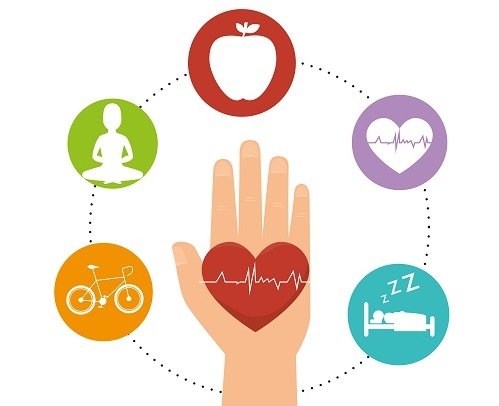
Managing male hormonal health requires a holistic approach, encompassing lifestyle modifications and, if necessary, medical interventions. Regular exercise promotes testosterone production, improves mood, and helps manage stress. A nutrient-rich diet supports healthy hormone production. Adequate sleep is essential, as sleep deprivation disrupts hormonal regulation. Stress management techniques, such as mindfulness, meditation, and yoga, are beneficial in mitigating the negative impacts of stress on hormones. Medical interventions such as hormonal replacement therapy (HRT) may be considered under the guidance of a healthcare professional for individuals with clinically significant deficiencies.
The Importance of Regular Medical Check-Ups and Professional Guidance
Regular check-ups with a healthcare provider are crucial for monitoring hormonal health. Blood tests can assess hormone levels, and discussions about symptoms and lifestyle factors can help guide appropriate interventions. Open communication with healthcare professionals is vital, enabling personalized treatment plans based on individual needs and health status. Self-treating hormonal imbalances can be dangerous; professional guidance ensures appropriate and safe management.
Integrating Holistic Approaches to Enhance Hormonal Balance
While conventional medicine plays a crucial role in managing hormonal health, incorporating complementary therapies can further support overall well-being. Mindfulness practices promote stress reduction, aiding in hormonal balance. Acupuncture, used for centuries in traditional medicine, may have a role in regulating hormone production, although further research is needed to fully understand its mechanisms. It's essential to discuss any complementary therapies with your healthcare provider to ensure their safety and compatibility with conventional treatments.
Conclusions and Recommendations
Maintaining optimal male hormonal health requires a multi-pronged approach that considers the complex interplay of biological, psychological, and lifestyle factors. Understanding the role of testosterone, the potential for imbalances, and the impact of aging is crucial for proactive management. Regular exercise, a balanced diet, adequate sleep, and effective stress management are essential lifestyle modifications to support hormonal homeostasis and reduce allostatic load. Medical interventions, including hormonal replacement therapy, should be considered under the guidance of a healthcare professional for individuals experiencing clinically significant hormonal deficiencies. Further research is needed to fully elucidate the mechanisms by which complementary therapies may influence hormonal balance and to develop more personalized interventions based on individual genetic and lifestyle factors. The biopsychosocial model underscores the importance of addressing not only the biological aspects of hormonal health but also the psychological and social factors that contribute to well-being.
Reader Pool: Considering the holistic approach discussed in this article, what potential barriers might prevent men from actively engaging in strategies to optimize their hormonal health, and how might these barriers be overcome?


No comments yet. Be the first to share your thoughts!