
Preventing and Managing Age-Related Hearing Loss: A Comprehensive Guide
Age-related hearing loss (presbycusis), a prevalent condition characterized by the gradual decline of auditory function with age, significantly impacts quality of life. This article explores preventative measures and management strategies, grounded in established audiological principles and supported by relevant research. We will examine key concepts such as the impact of noise exposure on cochlear function, the role of lifestyle factors in hearing health, and the effectiveness of various interventions.
- Early Detection through Regular Audiological Assessment: Proactive monitoring is crucial. Regular audiometric screenings by a qualified audiologist enable early detection of subtle hearing changes, facilitating timely intervention and potentially slowing the progression of presbycusis. This aligns with the principles of preventative healthcare, emphasizing early diagnosis and management to optimize outcomes. The World Health Organization (WHO) emphasizes the importance of accessible and affordable hearing healthcare services as a cornerstone of public health initiatives.
- Noise-Induced Hearing Loss Prevention: Prolonged exposure to intense noise causes irreparable damage to the hair cells within the cochlea (inner ear), a mechanism well-documented in the literature on acoustic trauma. The implementation of the Health Belief Model (HBM), which highlights perceived susceptibility and severity, becomes critical in educating individuals about the risks of noise-induced hearing loss. Practical strategies include using hearing protection (earplugs, noise-canceling headphones) in high-noise environments (concerts, construction sites, industrial settings) and adhering to safe listening practices.
- Auditory Hygiene and Safe Listening Practices: Maintaining safe listening levels across various media (music players, television, etc.) is crucial. Consistent exposure to excessive volumes, regardless of the source, contributes cumulatively to hearing damage. The concept of sound pressure level (SPL) and its correlation with hearing damage provides a quantifiable framework for understanding safe listening practices. The use of volume-limiting devices and the adoption of the "60/60 rule" (limiting listening duration to 60 minutes at 60% of maximum volume) are effective strategies.
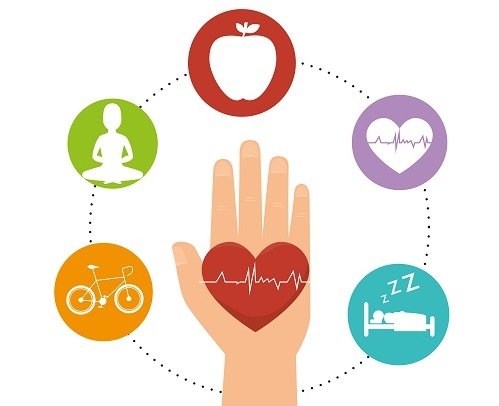
- Lifestyle Factors and Ototoxic Exposure: Evidence links smoking, uncontrolled diabetes, and cardiovascular disease to increased susceptibility to age-related hearing loss. Adopting a healthy lifestyle (balanced diet, regular physical exercise, blood sugar control) supports overall health, including auditory well-being. Similarly, awareness of ototoxic medications (certain antibiotics, chemotherapy drugs) and their potential effects on hearing, along with open communication with healthcare providers, are essential for mitigating risks.
- Cognitive Stimulation and Neuroplasticity: Cognitive engagement (reading, puzzles, learning new skills) stimulates neuronal activity, potentially strengthening neural pathways associated with auditory processing. This aligns with principles of neuroplasticity, emphasizing the brain's ability to adapt and reorganize throughout life. Maintaining cognitive fitness may indirectly contribute to better auditory function and adaptation to hearing loss.
- Minimizing Earbud Use and Promoting Proper Ear Hygiene: Extended earbud use, particularly at high volumes, poses a significant risk of noise-induced hearing loss. Regular breaks and volume moderation are recommended. Regarding ear hygiene, gentle cleaning of the outer ear with a damp cloth is advised. Avoiding the use of cotton swabs or other objects that may compact earwax and potentially damage the eardrum is crucial.
- Hearing Assistive Technology: Hearing aids represent a significant advancement in assistive technology for managing hearing loss. Modern devices offer sophisticated sound processing capabilities, improving speech comprehension and overall auditory experience. Their effective use often requires professional fitting and adjustments by an audiologist to optimize performance. Appropriate amplification can substantially enhance quality of life.
- Effective Communication Strategies: Open communication about hearing difficulties with family, friends, and colleagues is vital. Individuals with hearing loss can proactively educate their communication partners about effective strategies such as speaking clearly, facing the listener, and minimizing background noise. These collaborative approaches can improve communication efficacy.
- Social Support and Peer Networks: Participating in support groups or online communities specifically designed for individuals with hearing loss offers emotional support, practical advice, and a sense of community. This fosters a supportive environment for sharing experiences and learning coping mechanisms.
- Maintaining a Positive Mindset: Adapting to hearing loss requires a proactive and positive approach. Focusing on available solutions, maximizing remaining auditory function, and embracing assistive technologies are key to maintaining well-being.
- Education and Awareness: Raising public awareness about age-related hearing loss, its causes, prevention, and management is crucial. Educating individuals, families, and healthcare professionals can promote early intervention and support proactive hearing healthcare.
- Seeking Professional Guidance: Timely consultation with a qualified audiologist is paramount. Professional guidance enables personalized assessment, diagnosis, and development of a tailored management plan addressing individual needs and circumstances. Early intervention often leads to better outcomes.
Conclusions and Recommendations: Age-related hearing loss is a significant public health concern. A multi-pronged approach integrating prevention, early detection, appropriate management strategies, and social support is essential. Future research should focus on developing innovative hearing protection technologies, enhancing hearing aid functionality, and exploring novel therapeutic interventions to slow or reverse the progression of presbycusis. The integration of technological advancements with educational campaigns aimed at promoting healthy auditory habits can significantly impact the prevalence and consequences of hearing loss. Furthermore, policy initiatives supporting accessible and affordable hearing healthcare are crucial for ensuring equitable access to services.
Reader Pool: What specific strategies do you believe are most impactful in preventing age-related hearing loss, considering both individual responsibility and societal interventions?


No comments yet. Be the first to share your thoughts!