
Optimizing Maternal Well-being: A Holistic Approach to Healthy Pregnancy
Pregnancy represents a significant physiological and psychosocial transition, demanding comprehensive attention to maternal well-being. This guide presents fifteen evidence-based strategies, grounded in established medical and psychological principles, to support optimal outcomes for both mother and child. We will explore the application of these strategies within a practical, real-world context.
1. Nutritional Optimization: Fueling Fetal Development and Maternal Health
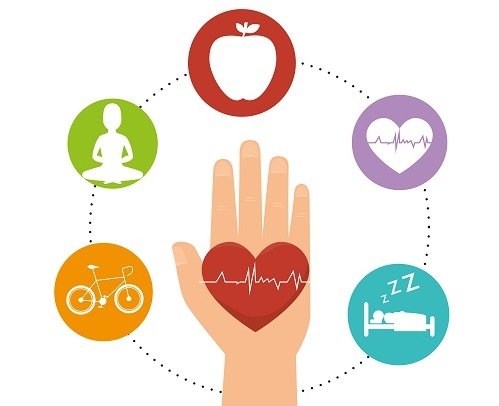
Adequate nutrition is paramount for fetal growth and maternal health. The application of the principles of balanced nutrition, as outlined in dietary guidelines, is crucial. This involves consuming nutrient-dense foods, including fruits, vegetables, lean proteins, and whole grains. A balanced macronutrient intake, coupled with sufficient micronutrients such as folate and iron, directly supports fetal organogenesis and reduces the risk of maternal complications like gestational diabetes and anemia. Individualized dietary plans, perhaps guided by a registered dietitian, may be beneficial to address specific nutritional needs based on pre-existing conditions or unique metabolic profiles.
2. Hydration Management: Maintaining Physiological Homeostasis
Hydration plays a critical role in maintaining physiological homeostasis during pregnancy. The recommended daily fluid intake should be increased to compensate for the increased blood volume and metabolic demands. Dehydration can exacerbate pregnancy-related discomforts such as constipation and fatigue. Monitoring hydration status through urine output and thirst perception is essential. Pregnant individuals living in warmer climates or engaging in physical activity should increase their fluid intake proportionally.
3. Physical Activity and Exercise: Promoting Physiological and Psychological Well-being
Moderate physical activity, tailored to individual fitness levels and gestational stage, offers numerous benefits. Applying principles of exercise physiology, pregnant individuals can engage in activities such as prenatal yoga or brisk walking. These activities mitigate common pregnancy discomforts, such as back pain and constipation, and improve mood and sleep quality. However, it's crucial to consult with a healthcare provider before initiating or modifying any exercise program during pregnancy to ensure safety and appropriateness based on individual health conditions.
4. Sleep Hygiene and Rest: Prioritizing Restorative Sleep
Sleep deprivation negatively impacts both maternal and fetal well-being. The application of principles of sleep hygiene, including establishing a regular sleep schedule, creating a conducive sleep environment, and practicing relaxation techniques before bed, is vital. Adequate sleep promotes hormonal balance, reduces stress, and supports the immune system, improving overall health and potentially minimizing complications associated with sleep disturbance during pregnancy.
5. Avoidance of Teratogens: Protecting Fetal Development
Exposure to teratogens, substances that can cause birth defects, significantly impacts fetal development. Complete abstinence from tobacco, alcohol, and illicit drugs is non-negotiable. Application of behavioral change theories, such as the transtheoretical model of change, can guide cessation strategies and provide support for individuals struggling to quit harmful substances. Healthcare providers play a vital role in providing counseling, resources, and medication-assisted treatment when necessary.
6. Stress Management: Mitigation of Psychosocial Stressors
Pregnancy often presents increased psychosocial stressors. Employing effective stress management techniques is essential. Mindfulness-based stress reduction, cognitive behavioral therapy (CBT) techniques, and social support networks are vital for mitigating stress and promoting mental health. These techniques, applied consistently, reduce the risk of complications associated with chronic stress, including pre-term labor and postpartum depression.
7. Health Literacy and Education: Empowering Informed Decision-Making
Educating pregnant individuals about pregnancy, childbirth, and postpartum care empowers informed decision-making. This involves accessing reliable sources of information, attending prenatal classes, and engaging in open communication with healthcare providers. Applying the principles of health literacy ensures individuals can understand and act upon health information to manage their pregnancy effectively and safely.
8. Nutritional Supplementation: Addressing Micronutrient Deficiencies
Prenatal vitamins, containing essential nutrients such as folic acid, iron, and vitamin D, address potential deficiencies in the maternal diet. Application of evidence-based guidelines on supplementation ensures the pregnant individual receives adequate nutrients to support both their health and fetal development. Individualized supplement regimens may be prescribed based on blood tests and assessments of nutritional needs.
9. Prenatal Care: Early Detection and Management of Potential Complications
Regular prenatal check-ups enable early detection and management of potential complications. The principles of preventative medicine underpin the importance of attending all scheduled appointments and promptly communicating any concerns to healthcare providers. This proactive approach improves maternal and fetal outcomes and minimizes adverse events.
10. Vitamin D Optimization: Promoting Bone Health
Adequate Vitamin D levels are crucial for maternal and fetal bone health. This can be achieved through sun exposure (with appropriate sun protection), dietary intake, and supplementation when necessary. Assessing Vitamin D levels through blood tests and applying appropriate interventions helps optimize bone health and reduces the risk of complications related to Vitamin D deficiency.
11. Safe Travel Considerations: Minimizing Travel-Related Risks
Travel during pregnancy requires careful consideration of safety measures. This includes using appropriate safety restraints, taking frequent breaks, and consulting a healthcare provider for advice on air travel, particularly during later stages of pregnancy. Adherence to safety guidelines minimizes risks associated with travel-related incidents.
12. Immune System Support: Protecting Against Infections
Maintaining a robust immune system is vital to protect against infections. This is achieved through practicing good hygiene, receiving recommended vaccinations, and addressing any underlying immune deficiencies. Strengthening the immune system minimizes the risk of infectious complications during pregnancy.
13. Complementary and Integrative Medicine (CIM): Utilizing Safe and Effective Therapies
Certain CIM therapies, such as acupuncture or massage, might alleviate common pregnancy discomforts; however, their use must be carefully considered and discussed with a healthcare provider due to potential risks and interactions with medications. The application of evidence-based practices in CIM requires thorough evaluation of the safety and efficacy of interventions.
14. Social Support Systems: Leveraging Social Networks
A strong support system plays a significant role in maternal well-being. Leveraging social support networks, including family, friends, support groups, and healthcare providers, promotes emotional resilience and reduces the burden of pregnancy-related challenges. Building these connections is key to navigating the emotional and practical demands of pregnancy.
15. Self-Care Practices: Prioritizing Maternal Well-being
Engaging in self-care activities is essential for overall well-being. This includes prioritizing activities that promote relaxation, stress reduction, and personal rejuvenation. The application of self-compassion and prioritizing self-care contributes significantly to overall maternal health and reduces the risk of burnout.
Conclusions and Recommendations
Optimizing maternal well-being during pregnancy requires a multi-faceted approach encompassing nutritional adequacy, physical activity, stress management, and access to quality healthcare. The application of evidence-based practices across diverse domains – nutrition, exercise physiology, psychology, and medicine – is crucial. Further research should focus on personalized interventions tailored to individual needs and risk factors, incorporating technological advancements in monitoring and remote support. This holistic approach can significantly reduce pregnancy-related complications and promote positive maternal and child outcomes, emphasizing preventative care and individualized support throughout the entire perinatal period. The long-term impact includes healthier mothers and children, reducing healthcare costs, and promoting broader societal well-being. These recommendations highlight the importance of preventative care and integrated approaches to managing pregnancy and ensuring optimal outcomes.
Reader Pool: Considering the holistic approach presented in this article, how can healthcare systems be better structured to provide comprehensive and personalized support to expectant mothers, encompassing physical, mental, and social well-being?





No comments yet. Be the first to share your thoughts!