
Unlocking Longevity: A Synergistic Approach to Human Well-being Through Nature
In contemporary society, marked by rapid technological advancements and increasingly sedentary lifestyles, the profound impact of the natural environment on human health and longevity is often underestimated. This discourse posits that re-engagement with outdoor activities is not merely recreational, but a crucial strategy for enhancing both physical and psychological well-being, thereby significantly contributing to an extended healthspan. This perspective leverages established models of health and wellness to explore the restorative capabilities of nature as a pathway to improved health outcomes. We will define key concepts like the Biopsychosocial Model (emphasizing the interplay of biological, psychological, and social factors in health), the Stress-Buffering Hypothesis (suggesting nature's role in mitigating stress), the Health Belief Model (highlighting individual perceptions and behaviors influencing health choices), the Attention Restoration Theory (explaining how nature aids cognitive restoration), the Sleep Hygiene Theory (detailing practices for optimal sleep), Social Support Theory (examining the benefits of social connections), Ecopsychology (exploring the human-nature connection), the Framingham Heart Study (a landmark study on cardiovascular risk factors), Self-Determination Theory (emphasizing autonomy and intrinsic motivation), the Hygiene Hypothesis (linking environmental exposure to immune function), and Lifestyle Medicine (focusing on preventive lifestyle changes). Positive Psychology's emphasis on well-being and life satisfaction will also frame our analysis.
Empirical evidence robustly supports a positive correlation between consistent participation in outdoor pursuits and increased longevity. This analysis examines the multifaceted benefits, categorized for clarity:
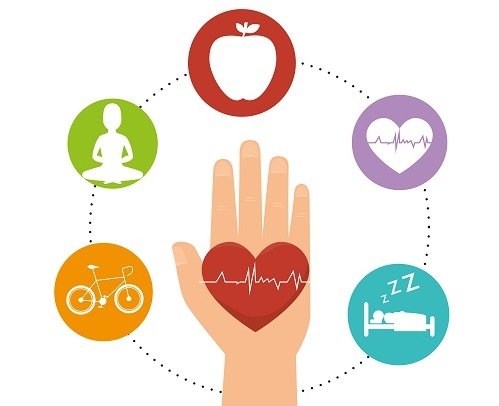
- Enhancing Cardiovascular Health and Reducing Chronic Disease Risk: Regular engagement in moderate-intensity outdoor activities, such as brisk walking or cycling, strengthens the cardiovascular system, thereby reducing blood pressure and the risk of heart disease, aligning with findings from the Framingham Heart Study. This directly impacts cardiovascular health and overall longevity, simultaneously mitigating the risk of chronic diseases like obesity and type 2 diabetes, a key tenet of Lifestyle Medicine. These lifestyle modifications contribute to significantly increased healthspan and reduced healthcare burdens.
- Optimizing Physiological Function Through Environmental Exposure: Sunlight exposure facilitates Vitamin D synthesis, a crucial nutrient for immune system modulation, skeletal health, and mood regulation, as detailed by the Biopsychosocial Model. Furthermore, inhaling fresh air improves pulmonary function and overall physiological well-being.
- Stress Mitigation and Psychological Equilibrium: Natural environments offer a refuge from daily stressors. Activities such as hiking or simply passive nature appreciation induce relaxation responses, reducing cortisol levels and promoting psychological well-being, consistent with the Stress-Buffering Hypothesis. Nature's aesthetic qualities contribute significantly to emotional regulation and mental clarity.
- Cognitive Enhancement and Creative Stimulation: Exposure to nature demonstrably improves cognitive performance and mental acuity. The absence of technological distractions allows for enhanced concentration and creative thought processes, a principle articulated by Attention Restoration Theory. This “soft fascination” found in nature reduces mental fatigue and boosts cognitive function. The awe-inspiring aspects of natural environments can further stimulate creativity and problem-solving skills, a key concept within Ecopsychology.
- Circadian Rhythm Regulation and Sleep Enhancement: Natural light exposure and outdoor physical activity promote the regulation of the circadian rhythm, positively influencing sleep quality. Adequate sleep, crucial for restorative processes (physical and cognitive), is central to the Sleep Hygiene Theory. Outdoor activities contribute to healthier sleep habits, indirectly supporting overall health and longevity.
- Strengthening Social Bonds and Combating Isolation: Outdoor pursuits often encourage social interaction and community building. Participation in group activities strengthens social connections, counteracts loneliness, and fosters psychological well-being, a crucial aspect of Social Support Theory. Shared experiences enhance social cohesion and reduce feelings of isolation.
- Immune System Modulation and Infectious Disease Risk Reduction: Exposure to diverse microbial communities in natural environments can enhance immune system function and reduce the risk of allergies and infections, aligning with the Hygiene Hypothesis. This “biodiversity effect” contributes to a more robust immune response, improving resistance to various illnesses.
- Building Resilience, Self-Efficacy, and Promoting Positive Affect: Overcoming challenges in outdoor settings fosters mental resilience and self-efficacy, principles central to Self-Determination Theory. These experiences cultivate improved coping mechanisms and enhanced self-confidence. Furthermore, spending time in nature enhances mood, reduces stress, and fosters feelings of happiness and well-being (Positive Psychology), contributing to a higher quality of life.
- Nutritional Optimization Through Natural Sources: Foraging for wild foods provides access to micronutrients and antioxidants, enhancing overall health and disease prevention capabilities (Biomedical Model). This approach promotes both physical and mental well-being through access to nutrient-rich, natural food sources.
- Maintaining Optimal Vitamin D Status: Sunlight exposure remains the most effective method for achieving sufficient Vitamin D levels, essential for calcium absorption, bone health, and immune function. Outdoor activities provide a simple yet powerful strategy for preventing Vitamin D deficiency.
Conclusions and Recommendations: This analysis underscores a strong correlation between regular engagement with outdoor activities and improved health outcomes, leading to increased longevity. Future research should investigate the mediating mechanisms through which nature impacts health, focusing on the interplay between environmental elements, individual behaviors, and health outcomes. Public health initiatives should prioritize the integration of nature-based activities into lifestyle recommendations, creating easily accessible and engaging opportunities for individuals to connect with the natural world. Further research should explore the varying effects of different outdoor activities on specific health parameters. The findings emphasize the importance of promoting nature-based solutions for improving human well-being and public health, highlighting the substantial positive impact of the synergistic effects of environmental exposure and lifestyle changes on reducing chronic disease burdens and promoting healthy aging. A longitudinal, multi-site study incorporating diverse socio-economic groups could provide valuable insights into the generalizability of these findings and address potential disparities in access to green spaces and related health benefits.
Reader Pool: How can we effectively address the challenges of ensuring equitable access to nature's benefits for all members of society, regardless of socioeconomic status or geographical location?



No comments yet. Be the first to share your thoughts!