
Echoes of Ancestry: A Strategic Framework for the Revitalization and Preservation of African Cultural Traditions
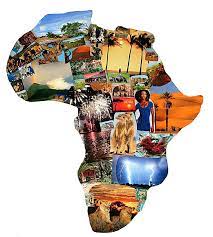
Africa's rich tapestry of diverse cultural heritage, encompassing traditions passed down through generations – from the rhythmic dynamism of West African drumming to the intricate artistry of Maasai beadwork – has profoundly impacted the global landscape. However, the forces of globalization and rapid modernization pose significant challenges to the continuity of these invaluable traditions. This article presents a comprehensive framework, grounded in relevant anthropological and sociological theories, for the strategic preservation and revitalization of African cultural heritage. Key concepts such as cultural transmission, cultural capital, and community engagement will be central to this discussion. Cultural transmission refers to the process by which cultural knowledge, beliefs, and practices are passed down from one generation to the next. Cultural capital encompasses the knowledge, skills, and behaviors that individuals inherit and utilize to navigate their social environment, contributing significantly to cultural preservation. Community engagement emphasizes the participatory role of local populations in safeguarding their heritage.
1. Formalizing Cultural Transmission through Education: Integrating traditional knowledge and practices into formal education curricula is paramount. This necessitates the development of culturally relevant educational materials and teacher training programs, fostering deep understanding and appreciation of African heritage amongst future generations. This aligns with the concept of cultural capital, empowering individuals with the knowledge necessary to participate actively in their cultural heritage.
2. Documenting and Archiving Oral Traditions: The oral tradition, a cornerstone of African storytelling, requires systematic documentation and preservation. This involves employing ethnographic methodologies to record narratives, legends, and myths, employing digital archiving techniques to ensure accessibility and longevity. This approach directly addresses the potential loss of invaluable cultural information due to modernization.
3. Leveraging Cultural Festivals for Community Engagement: The strategic organization and promotion of culturally vibrant festivals provide platforms for showcasing diverse traditions – music, dance, art, and cuisine. These events foster a sense of community pride and unity, exemplifying community engagement strategies central to cultural revitalization. Drawing on the principles of community-based participatory research, such festivals should be participatory and locally driven.
4. Establishing Institutional Repositories: Museums and cultural centers serve as vital repositories of African heritage, educating the public while providing spaces for artists and artisans to exhibit their work. Their development should follow principles of inclusive museology, ensuring accurate representation and community involvement in curation and exhibition. This functions as a crucial aspect of cultural capital preservation.
5. Facilitating Intercultural Dialogue through Exchange Programs: Cross-cultural exchange programs foster collaboration and shared learning between African nations. This collaborative approach promotes a broader understanding of African unity and intercultural dialogue, creating a dynamic network for cultural preservation and exchange, aligning with theories of globalization and cultural hybridity.
6. Language Revitalization Initiatives: The preservation and promotion of traditional African languages are critical. Language acts as a primary vehicle for transmitting cultural knowledge and values. Implementing language immersion programs and promoting the use of indigenous languages in everyday life contributes to both linguistic and cultural preservation.
7. Integrating Traditional Medicine into Healthcare Systems: The integration of traditional medicine into modern healthcare systems acknowledges its significance as part of the cultural heritage. This involves rigorous research, documentation, and standardization of traditional healing practices while ensuring ethical considerations and patient safety. This approach addresses concerns about the loss of indigenous knowledge and promotes culturally sensitive healthcare.
8. Empowering Artisans through Economic Support: Supporting local artisans and craftspeople safeguards traditional art forms. Strategies such as fair trade initiatives, market access programs, and skills development training offer sustainable livelihoods and encourage the continuation of artistic traditions, directly impacting the cultural capital of participating communities.
9. Sustainable Cultural Tourism Development: Implementing sustainable cultural tourism fosters appreciation for African heritage while generating economic benefits for local communities. This requires carefully planned initiatives that prioritize community participation, environmental protection, and equitable distribution of tourism revenues, reflecting principles of sustainable development.
10. Harnessing Music as a Storytelling Medium: Music serves as a powerful vehicle for storytelling and cultural transmission. Encouraging musicians to integrate traditional elements into their works ensures the continued relevance and accessibility of cultural narratives to wider audiences.
11. Bridging Generational Gaps through Dialogue: Fostering intergenerational dialogue and collaboration leverages the wisdom of elders and the innovative ideas of youth. This intergenerational exchange strengthens cultural continuity and fosters a dynamic approach to heritage preservation.
12. Cultivating International Collaborations: Seeking international partnerships broadens access to resources and expertise. Collaborations with international organizations and individuals contribute to the effectiveness of preservation efforts and raise global awareness of African cultural heritage.
13. Securing Policy Support for Cultural Preservation: Advocating for political support at various levels (local, national, and continental) is essential. This involves developing policies, securing funding, and enacting legislation that protects and promotes African traditions.
Conclusions and Recommendations: The preservation and revitalization of African cultural traditions demand a multifaceted, strategically implemented approach. This framework, encompassing educational initiatives, community engagement strategies, institutional support, and policy advocacy, provides a robust foundation for safeguarding this invaluable heritage. Further research should focus on evaluating the effectiveness of specific interventions and adapting strategies to diverse cultural contexts. The long-term impact of these efforts will be a strengthened sense of cultural identity, increased community resilience, and a vibrant legacy for future generations. This approach also holds significant implications for fostering intercultural understanding and promoting sustainable development within the African continent.
Reader Pool: Considering the interconnectedness of cultural preservation and economic development, how can we effectively balance the preservation of traditional practices with the needs of a modernizing African economy?



No comments yet. Be the first to share your thoughts!