
Security Partnerships in South America: Collaboration against Transnational Crime
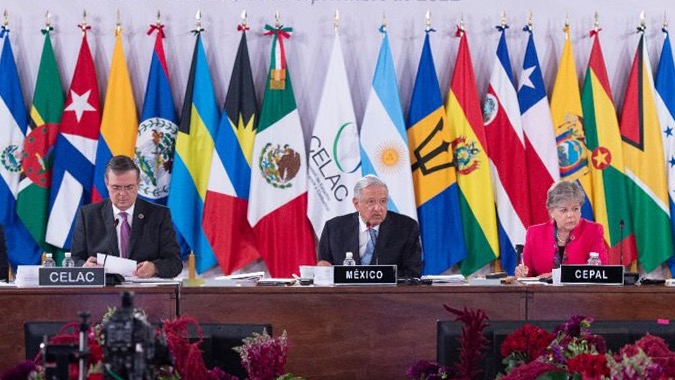
In today's interconnected world, transnational crime poses a significant threat to the security and well-being of nations. To effectively combat this menace, countries must come together and forge strong security partnerships. South America, as a region with diverse challenges related to transnational crime, has recognized the importance of collaboration and cooperation in addressing these issues. This article aims to shed light on the contemporary issues in international relations and cooperation in North and South America, with a focus on promoting unity and fostering partnerships to combat transnational crime.
-
The rise of transnational crime: Transnational crime, including drug trafficking, human trafficking, and money laundering, has become a global phenomenon that requires concerted efforts from nations across the Americas.
-
The interconnectedness of security: Security challenges in one country often have spillover effects on neighboring nations. Therefore, it is imperative for countries to work together to address common security threats.
-
The importance of security partnerships: Building security partnerships enables countries to share intelligence, expertise, and resources, ultimately leading to more effective responses to transnational crime.
-
Regional organizations as facilitators: Regional organizations such as the Organization of American States (OAS) and the Union of South American Nations (UNASUR) play a crucial role in fostering security partnerships and promoting collaboration among South American nations.
-
Sharing intelligence: Information sharing is vital in combating transnational crime. By exchanging intelligence, countries can stay ahead of criminal networks and disrupt their activities.
-
Joint operations and law enforcement cooperation: Collaborative operations and joint law enforcement efforts enhance the ability to target and dismantle criminal organizations that operate across borders.
-
Strengthening border security: Enhancing border security through technological advancements, intelligence sharing, and joint patrolling can help prevent the illicit movement of goods and people.
-
Targeting money laundering: Money laundering is a key enabler of transnational crime. Strengthening financial regulations and cooperation among countries can disrupt the flow of illicit funds.
-
Combating drug trafficking: The drug trade remains a major security challenge in the Americas. By working together, countries can disrupt drug trafficking networks and reduce the availability of illegal drugs.
-
Addressing human trafficking: Human trafficking is a grave violation of human rights. By collaborating, countries can improve prevention, prosecution, and victim support mechanisms, and dismantle criminal networks involved in this heinous crime.
-
Cybersecurity cooperation: With the increasing use of technology by criminal networks, cybersecurity cooperation is crucial to protect critical infrastructure and combat cybercrime.
-
Capacity-building and training: Investing in the capacity-building of law enforcement agencies and providing training opportunities fosters a more capable and skilled security apparatus in the region.
-
Engaging civil society: Inclusive security partnerships involve engaging civil society organizations, as they play a vital role in advocating for policies that address the root causes of transnational crime.
-
Promoting regional unity: Collaboration against transnational crime in South America strengthens regional unity and fosters a sense of shared responsibility in addressing common challenges.
-
The way forward: As individuals, we can contribute to the fight against transnational crime by staying informed, advocating for stronger security partnerships, and supporting initiatives that promote regional unity and cooperation.
In conclusion, addressing the contemporary issues of transnational crime in North and South America requires collaboration, cooperation, and unity among nations. By working together, sharing intelligence, and implementing joint operations, we can effectively combat transnational crime and create a safer and more secure region. Let us all play our part in promoting security partnerships and ensuring a brighter future for North and South America.
Do you have any experiences or insights to share about security partnerships in the Americas? How can we further encourage collaboration and cooperation among nations? Share your thoughts and spread awareness about this crucial issue by sharing this article. Together, we can make a difference. #SecurityPartnerships #TransnationalCrime #UnityInAmericas


No comments yet. Be the first to share your thoughts!