
Cultivating a Holistic Well-being: A Framework for Sustainable Lifestyle Change
In contemporary society, characterized by its fast-paced and demanding nature, the adoption of unhealthy habits poses a significant threat to individual well-being. This article presents a comprehensive framework for cultivating healthy habits, promoting a holistic approach to well-being encompassing physical, mental, and emotional dimensions. We will explore key concepts such as the Transtheoretical Model of Behavior Change (stages of change), self-efficacy theory, and the principles of goal setting, providing practical strategies to facilitate sustainable lifestyle modifications. The application of these concepts will be illustrated through real-world examples.
1. Strategic Habit Formation through Incremental Change: The Transtheoretical Model emphasizes gradual progression through stages of change. Initiating lifestyle modifications with small, manageable steps is crucial. For example, instead of drastically altering one's diet, begin by reducing sugary beverage consumption and incorporating a single serving of fruits or vegetables daily. This approach enhances self-efficacy, the belief in one's ability to succeed, fostering a sense of accomplishment and motivating further progress.
2. Goal Setting and Self-Regulation: Effective goal setting involves establishing Specific, Measurable, Achievable, Relevant, and Time-bound (SMART) goals. For instance, instead of aiming for "eating healthier," a SMART goal would be "consuming at least five servings of fruits and vegetables daily for the next month." Regular self-monitoring, such as journaling or utilizing fitness trackers, promotes self-awareness and facilitates adjustments to the chosen approach, aligning actions with established objectives.
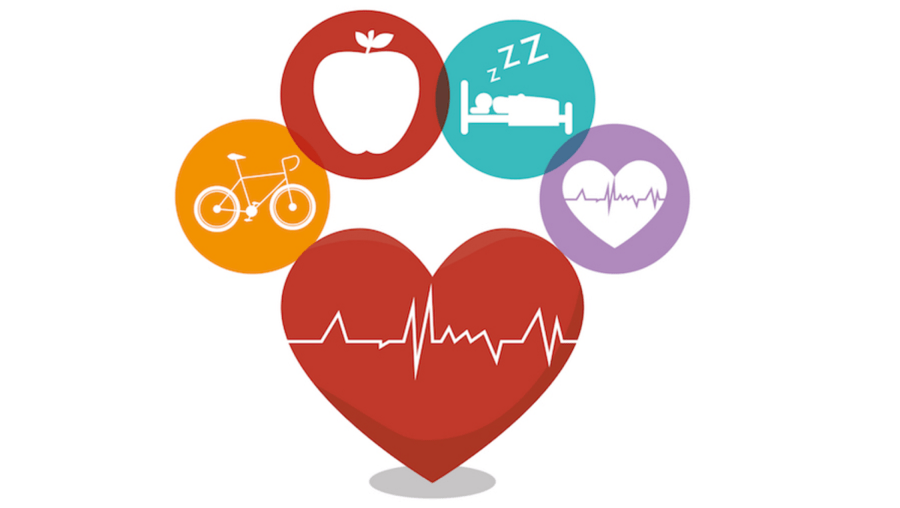
3. Prioritizing Restorative Sleep: Sufficient sleep is paramount for physical and cognitive restoration. Aim for 7-8 hours of quality sleep per night. Establish a consistent sleep schedule, creating a relaxing bedtime routine, such as reading or taking a warm bath, to signal the body's natural sleep-wake cycle. This promotes improved mood regulation and enhanced cognitive function, aligning with principles of sleep hygiene.
4. Mindful Nutrition and Dietary Awareness: Mindful eating, which involves paying attention to the sensory experience of consuming food, promotes healthier dietary choices. This contrasts with habitual eating driven by external cues, emotional states, or distractions. Focus on nutrient-dense foods, practicing portion control, and recognizing hunger and satiety cues. This aligns with principles of behavioral economics applied to nutrition.
5. Incorporating Physical Activity: Regular physical activity is essential for physical health and mental well-being. The recommended guideline of at least 150 minutes of moderate-intensity aerobic activity per week can be achieved through various enjoyable activities, such as brisk walking, cycling, or swimming. Tailoring exercise routines to individual preferences maximizes adherence and fosters long-term commitment.
6. Hydration Optimization: Maintaining adequate hydration is vital for numerous bodily functions. Consistent hydration throughout the day can be achieved through carrying a reusable water bottle and setting reminders. This simple strategy can significantly contribute to overall well-being and may aid in managing appetite.
7. Stress Management and Emotional Regulation: Chronic stress negatively impacts physical and mental health. Incorporating stress management techniques, such as mindfulness meditation, deep breathing exercises, or engaging in hobbies, is crucial. These activities promote relaxation, reduce cortisol levels, and enhance emotional resilience.
8. Technological Disengagement and Digital Wellness: Excessive screen time can disrupt sleep patterns, increase stress, and decrease social interaction. Consciously limiting screen time and prioritizing face-to-face interactions contributes to improved mental well-being and enhanced social connections.
9. Building a Supportive Network: Social support plays a significant role in behavior change. Surrounding oneself with individuals who share similar goals and provide encouragement strengthens motivation and enhances commitment to lifestyle changes. Joining support groups or seeking guidance from health professionals can further aid in this process.
10. Prioritizing Focused Attention: Multitasking often reduces productivity and increases stress. Practicing single-tasking enhances focus, improves cognitive function, and promotes a sense of accomplishment, contributing to improved time management and reduced stress levels.
11. Cultivating Gratitude: Regularly expressing gratitude enhances positive emotions and promotes a sense of well-being. This simple practice can be incorporated through journaling, meditation, or expressing gratitude to others, improving mental health and overall outlook.
12. Self-Reflection and Habit Tracking: Journaling provides an opportunity for self-reflection and tracking progress towards goals. Regularly documenting thoughts, feelings, and experiences related to lifestyle changes provides valuable insights and promotes self-awareness, facilitating necessary adjustments along the way.
13. Enriching Life through Hobbies and Leisure: Engaging in enjoyable activities promotes relaxation, reduces stress, and fosters creativity, contributing significantly to overall well-being. Hobbies provide opportunities for self-expression, social interaction, and stress reduction.
14. Self-Compassion and Embracing Imperfection: Building healthy habits is an ongoing process, not a destination. Self-compassion is crucial; setbacks should be viewed as opportunities for learning and growth, not as failures. Maintaining a positive self-image and acknowledging progress despite occasional setbacks is paramount.
Conclusions and Recommendations: Building healthy habits necessitates a holistic approach that integrates behavioral principles, psychological strategies, and a commitment to self-care. The models and theories discussed here provide a framework for designing and implementing sustainable lifestyle modifications. Further research should investigate the long-term effects of integrating various interventions, tailoring interventions to specific demographics, and exploring digital tools that can facilitate and support the implementation of healthy habits. The impact of these strategies extends beyond improved physical health, encompassing enhanced mental well-being, reduced stress levels, and improved overall quality of life. The applicability of this framework is broad, extending to individuals, communities, and workplaces, contributing to healthier populations and more productive work environments.
Reader Pool: Considering the presented framework, what are the most significant barriers to adopting and maintaining healthy habits within your specific context, and what strategies could effectively overcome these challenges?







No comments yet. Be the first to share your thoughts!