
Holistic Management of Hypercholesterolemia: A Multifaceted Approach to Cardiovascular Health
Hypercholesterolemia, characterized by elevated levels of cholesterol in the blood, significantly increases the risk of cardiovascular disease (CVD), a leading cause of mortality globally. This article elucidates a comprehensive, multifaceted strategy for managing hypercholesterolemia, integrating lifestyle modifications with clinical interventions, underpinned by established models of health behavior change and disease management. Key concepts including dietary interventions, the role of physical activity in lipid metabolism, and the impact of psychosocial factors on cardiovascular health will be discussed.
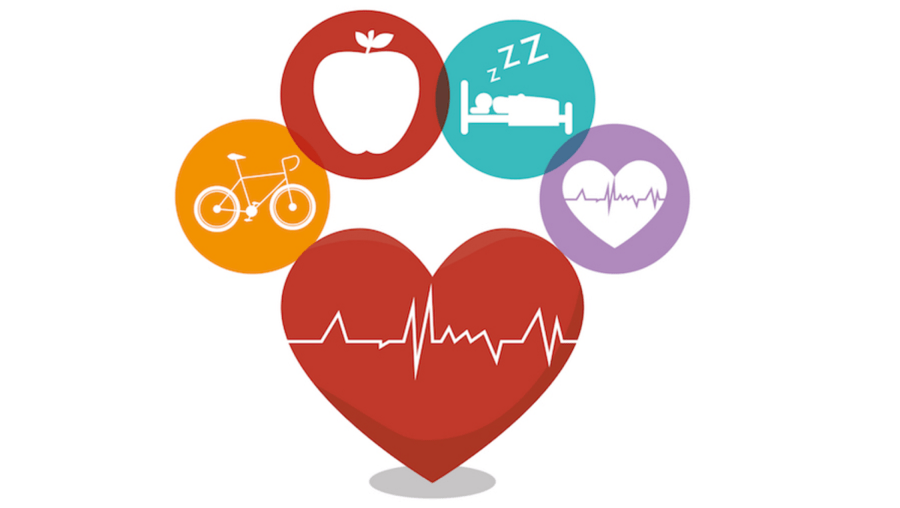
1. Dietary Optimization through the Therapeutic Lifestyle Changes (TLC) Diet Model: The cornerstone of hypercholesterolemia management lies in adopting a heart-healthy diet. The TLC diet, a widely accepted dietary approach, emphasizes the reduction of saturated and trans fats while increasing the intake of soluble fiber, fruits, vegetables, and whole grains. This aligns with the principles of nutritional epidemiology and the established link between dietary fat intake and serum cholesterol levels. For example, replacing saturated fats found in red meat with unsaturated fats found in fish or olive oil can significantly lower low-density lipoprotein (LDL) cholesterol, often referred to as "bad" cholesterol. This dietary approach directly addresses the pathophysiology of hypercholesterolemia by modifying dietary inputs that contribute to elevated cholesterol.
2. Enhancing Cardiovascular Fitness through Regular Exercise: Physical activity plays a crucial role in managing hypercholesterolemia. Regular exercise, particularly aerobic exercise, demonstrably improves high-density lipoprotein (HDL) cholesterol ("good" cholesterol) levels and reduces LDL cholesterol. This aligns with the principles of exercise physiology and the metabolic effects of physical activity on lipid profiles. The American Heart Association recommends at least 150 minutes of moderate-intensity aerobic activity or 75 minutes of vigorous-intensity aerobic activity per week, distributed throughout the week. Furthermore, incorporating strength training exercises twice a week enhances overall metabolic health and can contribute to weight management, which is vital in managing hypercholesterolemia.
3. Moderation of Alcohol Consumption and Cessation of Smoking: Excessive alcohol consumption can negatively impact lipid profiles and increase the risk of CVD. While moderate alcohol consumption may offer some potential cardiovascular benefits for some individuals (a topic requiring careful consideration and individual assessment), exceeding recommended limits is detrimental. Smoking significantly lowers HDL cholesterol levels and exacerbates the risk of atherosclerosis. Complete cessation of smoking is paramount for optimal cardiovascular health. These recommendations are based on extensive epidemiological research establishing a clear link between alcohol abuse, smoking, and adverse cardiovascular outcomes.
4. Stress Management through Mindfulness and Relaxation Techniques: Chronic stress exerts substantial physiological effects, potentially influencing cholesterol levels and exacerbating cardiovascular risk. Utilizing evidence-based stress-reduction techniques, such as mindfulness-based stress reduction (MBSR) or progressive muscle relaxation, can mitigate these effects. The efficacy of these interventions is supported by research demonstrating their impact on reducing cortisol levels and promoting physiological homeostasis. These strategies directly address the psychophysiological pathways that can contribute to hypercholesterolemia.
5. Optimization of Sleep Hygiene for Metabolic Regulation: Sufficient sleep is crucial for maintaining metabolic health. Sleep deprivation disrupts hormonal balance, impacting lipid metabolism and increasing the risk of CVD. Aiming for 7-9 hours of quality sleep per night, coupled with establishing a regular sleep-wake cycle, supports optimal cardiovascular function. This is supported by research showing the significant impact of sleep disruption on various metabolic markers and cardiovascular health indicators.
6. Hydration and the Avoidance of Sugary Beverages: Adequate hydration is essential for overall health. The consumption of sugary beverages should be minimized due to their contribution to weight gain and increased risk of metabolic syndrome, often associated with hypercholesterolemia. This aligns with the principles of basic metabolic processes and the known detrimental effects of excessive sugar intake on systemic health.
7. Regular Monitoring and Clinical Management: Regular monitoring of cholesterol levels through blood tests is crucial for effective management. Healthcare providers can assess individual risk profiles and recommend appropriate lifestyle modifications or pharmacological interventions, such as statin therapy, as needed. This emphasizes the importance of preventative healthcare and personalized medicine in effectively managing hypercholesterolemia.
8. Evidence-Based Supplementation: While a balanced diet should be the primary approach, certain supplements, such as omega-3 fatty acids, may offer additional benefits in lowering triglycerides and improving overall cardiovascular health. However, supplementation should always be discussed with a healthcare professional to ensure safety and efficacy and avoid potential drug interactions.
9. Cultivating Healthy Cooking Practices and Portion Control: Preparing meals at home allows for greater control over ingredients and portion sizes, promoting healthier eating habits. Conscious portion control is essential to prevent excessive calorie intake and maintain a healthy weight. This approach promotes mindful eating and aligns with the principles of behavioral change strategies in nutrition.
10. Social Support and Shared Responsibility: A supportive social network can provide encouragement and motivation in maintaining a heart-healthy lifestyle. Sharing healthy habits with friends and family can foster a supportive environment and strengthen commitment to long-term lifestyle changes.
11. Continuous Education and Self-Management: Staying informed about the latest research and advancements in cholesterol management is vital. Continuous learning empowers individuals to make informed decisions and actively participate in their healthcare journey.
12. Positive Reinforcement and Goal Setting: Recognizing and celebrating milestones along the journey reinforces positive behaviors and sustains motivation. Setting achievable goals promotes a sense of accomplishment and fosters long-term adherence to lifestyle changes.
13. Seeking Professional Guidance: Individuals struggling with managing hypercholesterolemia should not hesitate to seek professional help. Healthcare providers, registered dietitians, and support groups offer valuable guidance and support. The integration of multiple healthcare professionals ensures comprehensive care and improved treatment adherence.
Conclusions and Recommendations: Managing hypercholesterolemia requires a holistic approach encompassing dietary modifications, regular physical activity, stress management, and potentially pharmacological interventions guided by healthcare professionals. The efficacy of this multifaceted strategy stems from integrating biological, behavioral, and social determinants of health. Future research should focus on personalized approaches to hypercholesterolemia management, considering individual genetic predispositions, lifestyle preferences, and socio-economic factors. This includes investigating the efficacy of various digital health interventions for promoting behavior change and improving adherence to lifestyle recommendations. The impact of these integrated interventions on long-term cardiovascular health outcomes needs to be rigorously evaluated using large-scale, longitudinal studies.
Reader Pool: What are your perspectives on the feasibility and long-term sustainability of the multifaceted approach outlined in this article for managing hypercholesterolemia within diverse populations and healthcare settings?




No comments yet. Be the first to share your thoughts!