
15 Proven Strategies to Optimize Cardiovascular Health and Endurance
Optimal cardiovascular health is fundamental to overall well-being and longevity. Efficient circulatory function and robust cardiac performance are pivotal for an active and fulfilling lifestyle. This article presents fifteen evidence-based strategies to enhance cardiovascular health and endurance, providing a comprehensive roadmap toward improved well-being.
1. Structured Aerobic Exercise: Foundation of Cardiovascular Fitness. Regular aerobic exercise is the cornerstone of cardiovascular fitness. Adherence to guidelines recommending at least 150 minutes of moderate-intensity aerobic activity per week, as per the American Heart Association's recommendations, is crucial for establishing a baseline level of cardiovascular fitness. Examples include brisk walking, jogging, swimming, or cycling. This approach aligns with the principles of exercise prescription, emphasizing intensity, duration, frequency, and mode to achieve desired physiological adaptations.
2. High-Intensity Interval Training (HIIT): Maximizing Cardiovascular Efficiency. HIIT, characterized by alternating periods of intense exercise with brief recovery intervals, offers a time-efficient method for significantly improving cardiovascular capacity and endurance. This approach leverages the principles of interval training, which enhances both aerobic and anaerobic fitness. The physiological adaptations to HIIT include improved mitochondrial biogenesis and increased lactate threshold, contributing to enhanced endurance performance.
3. Plyometric Training: Enhancing Power and Cardiovascular Fitness. Incorporating plyometric exercises, such as jump squats and box jumps, adds an explosive component to training. These dynamic movements stimulate both cardiovascular fitness and muscular power, contributing to overall athletic performance. The principles of plyometrics utilize the stretch-shortening cycle to maximize power output, positively impacting cardiovascular demand.
4. Resistance Training: Synergistic Effects on Cardiovascular Health. Resistance training, encompassing exercises that challenge muscle groups against resistance, plays a crucial role in overall cardiovascular health. Increased muscle mass improves insulin sensitivity, reduces body fat percentage, and enhances metabolic function, all contributing to better cardiovascular health. These benefits are consistent with the principles of integrated training that combines different training modalities to attain holistic improvements.
5. Progressive Overload: Gradual Enhancement of Cardiovascular Capacity. Gradual progression of exercise intensity and duration, a fundamental principle of training adaptation, is critical for maximizing cardiovascular improvements. Activities like hiking, stair climbing, or spin classes provide effective means for progressively challenging the cardiovascular system, fostering ongoing adaptation and enhanced endurance.
6. Cross-Training: Diversification for Optimal Adaptation and Injury Prevention. Implementing a cross-training strategy, involving diversification of exercise modes, is vital for preventing overuse injuries and promoting balanced fitness development. By switching between activities such as running and swimming, the cardiovascular system is challenged in different ways, fostering adaptability and preventing plateaus. This strategy aligns with the principles of varied training, reducing the risk of overuse syndromes.
7. Warm-up Protocols: Preparing the Cardiovascular System for Exercise. Prioritizing a thorough warm-up before each exercise session is essential. A dynamic warm-up, which incorporates movements that mimic the subsequent exercise session, prepares the cardiovascular system for the increased demands of exercise, reducing injury risk and optimizing performance. This aligns with the principles of exercise preparation and injury prevention.
8. Cardiovascular Machine Interval Training: Optimizing Cardio Workouts. Interval training on cardio machines, such as treadmills or elliptical trainers, allows for a structured and controlled approach to intensity modulation. The varying intensity improves cardiovascular fitness and prevents exercise monotony. This methodology aligns with the principles of periodized training that aims for progressive improvements.
9. Exercise Enjoyment and Adherence: Fostering Long-Term Sustainability. Selecting enjoyable exercise activities is paramount for long-term adherence. Motivation and enjoyment directly influence the sustainability of a fitness program. Choosing activities that align with individual preferences and interests is central to establishing sustainable exercise habits. This strategy supports the principle of behavior change theory that considers intrinsic motivation as a significant predictor of long-term adherence.
10. Low-Impact Exercise: Protecting Joints While Maintaining Cardiovascular Fitness. Low-impact exercises, such as swimming or cycling, offer effective cardiovascular training without excessive stress on joints. These options are particularly beneficial for individuals with pre-existing joint conditions. This approach aligns with principles of biomechanics, prioritizing joint protection while maintaining training intensity.
11. Incorporating Daily Movement: Maximizing Everyday Physical Activity. Regular daily movement, encompassing activities such as taking the stairs or engaging in household chores, contributes significantly to overall daily energy expenditure. These seemingly small activities can cumulatively enhance cardiovascular health and promote a more active lifestyle. This aligns with the concept of increasing Non-Exercise Activity Thermogenesis (NEAT).
12. Heart Rate Monitoring: Optimizing Exercise Intensity. Monitoring heart rate during exercise is essential for gauging exercise intensity and ensuring that training occurs within the target heart rate zone. Maintaining a heart rate within the prescribed range (generally 70-85% of maximum heart rate) maximizes cardiovascular benefits while minimizing risks. This principle aligns with training zone methodologies, ensuring effective and safe training.
13. Hydration Management: Supporting Cardiovascular Function. Maintaining adequate hydration is crucial for optimal cardiovascular function. Water plays a vital role in blood volume regulation and thermoregulation, and dehydration can impair exercise performance and increase injury risk. This highlights the importance of fluid balance in exercise physiology.
14. Prioritizing Sleep: Essential for Cardiovascular Recovery. Sufficient and quality sleep is essential for the restorative processes required for cardiovascular recovery. Adequate sleep allows for the repair of tissues and replenishment of energy stores, improving cardiovascular function and overall well-being. This principle highlights the critical link between sleep quality and physical recovery, crucial for optimal training adaptation.
15. Nutritional Strategies: Supporting Cardiovascular Health Through Diet. A balanced diet plays a pivotal role in supporting cardiovascular health. Prioritizing whole foods, including fruits, vegetables, whole grains, lean proteins, and healthy fats, is essential. Minimizing processed foods, sugary drinks, and excessive sodium intake is vital for minimizing negative cardiovascular effects. This aligns with nutritional guidelines focused on reducing risk factors for cardiovascular disease.
Conclusions and Recommendations
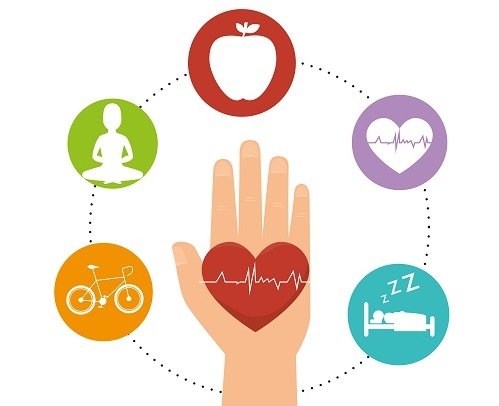
Improving cardiovascular health and endurance is a multifaceted process requiring a holistic approach encompassing structured exercise, appropriate intensity modulation, nutritional strategies, and adequate recovery. The integration of aerobic exercise, HIIT, resistance training, and cross-training provides a comprehensive strategy for enhancing cardiovascular fitness. Progressive overload, adherence monitoring, and careful attention to hydration and sleep are critical for sustained progress. Individualized approaches are crucial, considering factors such as age, fitness level, and pre-existing health conditions. Regular medical checkups and consulting with healthcare professionals before starting new exercise programs are recommended, especially for individuals with pre-existing conditions. Future research should focus on personalized training protocols, exploring novel training modalities and their impact on cardiovascular health in various populations. The long-term implications of adopting these strategies include reduced cardiovascular disease risk, improved overall health, and enhanced quality of life.
Reader Pool: What are your perspectives on the relative effectiveness of different training modalities—aerobic, HIIT, and plyometrics—in optimizing cardiovascular health and endurance, and how do these relate to individual fitness goals and limitations?




No comments yet. Be the first to share your thoughts!