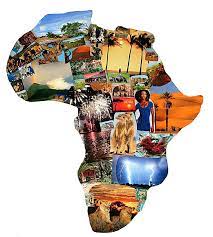
Beyond Boundaries: Strategies for Expanding African Mindsets
Welcome Back.
Updated at: 2023-08-11 15:38:04 (2 years ago by Melkisedeck Leon Shine)
Beyond Boundaries: Strategies for Expanding African Mindsets
🌍🌱🔝
Greetings fellow Africans! Today, we embark on a journey to explore strategies that will empower us to change our mentality and build a positive mindset. As proud African individuals, it is crucial for us to realize our potential and work towards a brighter future. 🌟
Embrace Education: Education is the key to unlocking our potential. Let us strive for knowledge and invest in quality education for ourselves and future generations. 🎓
Emphasize Entrepreneurship: By fostering an entrepreneurial spirit, we can create jobs and drive economic growth. Let us support local businesses and encourage innovation. 💼
Encourage Critical Thinking: It is vital to question the status quo and seek alternative solutions. Let us develop our critical thinking skills to overcome challenges and inspire change. 🤔💡
Foster Cultural Pride: Celebrate our rich African heritage and promote cultural exchange. Let us embrace diversity and learn from each other's traditions, languages, and customs. 🌍❤️
Develop Leadership Skills: As future leaders, it is essential to cultivate leadership qualities. Let us engage in mentorship programs and take on leadership roles to drive positive change. 🌟🤝
Strengthen African Unity: Together, we are stronger. Let us foster collaboration between African nations and work towards the realization of the United States of Africa (Muungano wa Mataifa ya Afrika). 🤝🌍
Advocate for Economic Liberalization: By promoting a free and open market, we can attract investments and boost economic growth. Let us champion policies that encourage entrepreneurship and trade. 💸🌱
Encourage Political Liberalization: Democracy and good governance are the foundations of a prosperous Africa. Let us advocate for transparent and accountable leadership. 🗳️🤲
Inspire Youth Engagement: Our youth are our future. Let us empower young Africans to actively participate in shaping our continent's destiny. 🌟👦👧
Address Gender Inequality: Women play a crucial role in our society. Let us strive for gender equality and empower women to contribute fully to Africa's development. 👩🚺
Learn from Global Experiences: Africa can draw inspiration from successful strategies implemented in other parts of the world. Let us adapt best practices to our unique African context. ✈️🌍
Embrace Technology: The digital revolution presents vast opportunities for Africa. Let us harness the power of technology to bridge the gap and leapfrog into a prosperous future. 📱💻
Nurture Environmental Sustainability: Our beautiful continent is home to breathtaking landscapes. Let us be responsible stewards of our environment and promote sustainable practices. 🌳🌿🌍
Draw Inspiration from African Leaders: As we embark on this journey, let us reflect on the wise words of great African leaders like Nelson Mandela, Kwame Nkrumah, and Wangari Maathai. 🗣️💬
Believe in Ourselves: Above all, let us remember that change starts within. Believe in your abilities and know that together, we can achieve greatness. The United States of Africa (Muungano wa Mataifa ya Afrika) is not just a dream, but a possibility within our reach. 🌟🌍
As we conclude this enlightening journey, we invite you to develop and hone the skills recommended above. Share this article with your friends and family, and let us continue to inspire and motivate one another. Together, we can build a united, prosperous, and empowered Africa. 🌍💪
Are you ready to be a part of this movement? What steps will you take towards changing your mentality and building a positive mindset? Join us in creating a brighter future for Africa! #BeyondBoundaries #AfricanUnity #StrivingForGreatness 🌍🌱💪
Updated at: 2023-08-11 17:53:26 (2 years ago by Melkisedeck Leon Shine)
Seeds of Change: Planting a Positive Mindset in African Communities 🌱
As Africans, we have the power to shape our destinies and create a bright future for our continent. It all begins with our mindset. Our mentality plays a crucial role in determining the path we take and the actions we choose. It is time for us to sow the seeds of change and cultivate a positive mindset within ourselves and our communities. Here are 15 strategies to help us change our mentality and build a positive mindset:
1️⃣ Embrace the Power of Education: Education is the key to unlocking our potential. Let us prioritize education, invest in our schools and universities, and empower future generations with knowledge and skills.
2️⃣ Emphasize the Importance of Critical Thinking: Let us encourage independent thinking and open-mindedness. By challenging our own beliefs and questioning the status quo, we can foster innovation and progress.
3️⃣ Celebrate African Achievements: We have a rich history filled with remarkable accomplishments. Let us highlight the achievements of our African heroes and heroines, both past, and present, to inspire and motivate ourselves.
4️⃣ Foster Entrepreneurship: Entrepreneurship is a catalyst for economic growth and empowerment. Let us support and nurture budding entrepreneurs, as they are the drivers of innovation and job creation.
5️⃣ Promote African Arts and Culture: Our diverse cultures are a source of strength and unity. Let us celebrate and preserve our traditions, languages, and arts, as they are the threads that weave our African identity together.
6️⃣ Encourage Collaboration and Cooperation: Together, we are stronger. Let us foster partnerships, both within our countries and across the continent, to tackle common challenges and seize opportunities for growth.
7️⃣ Invest in Infrastructure: Access to reliable infrastructure, such as roads, electricity, and water, is vital for economic development. Let us prioritize infrastructure projects that connect our communities and facilitate trade.
8️⃣ Advocate for Good Governance: Transparent and accountable governance is the cornerstone of a thriving society. Let us demand transparency, fight corruption, and hold our leaders accountable for their actions.
9️⃣ Promote Gender Equality: The empowerment of women is essential for our progress as a continent. Let us strive for gender equality, ensuring that women have equal opportunities in education, employment, and leadership roles.
🔟 Embrace Sustainable Development: Let us prioritize sustainable practices in all aspects of our lives, from agriculture to energy. By safeguarding our environment, we secure a better future for generations to come.
1️⃣1️⃣ Learn from Others: We can draw inspiration from successful stories of mindset transformation from around the world. Take the examples of countries like South Korea, which transformed itself from a war-torn nation into an economic powerhouse through a positive mindset and hard work.
1️⃣2️⃣ Draw Strength from History: Remember the wise words of our African leaders, like Nelson Mandela who said, "Education is the most powerful weapon which you can use to change the world." Let their wisdom guide us and fuel our determination.
1️⃣3️⃣ Embrace Diversity: Africa is a tapestry of diverse cultures, languages, and beliefs. Let us celebrate this diversity and recognize its strength, as it enriches our collective experience.
1️⃣4️⃣ Harness Technology: Technology is a game-changer. Let us embrace the digital revolution and harness its power to advance our societies, connect people, and bridge the digital divide.
1️⃣5️⃣ Dream of the United States of Africa: Imagine a united and prosperous Africa, where we work together towards common goals. Let us dream big and believe that it is possible to form "The United States of Africa" (Muungano wa Mataifa ya Afrika).
By adopting these strategies, we can change the mentality of our people and build a positive mindset that will propel us towards a brighter future. It is within our reach to create the Africa we envision - a continent that is united, prosperous, and at peace. Let us take action, develop our skills, and inspire others to join us on this transformative journey. Together, we can sow the seeds of change and reap a harvest of progress.
Are you ready to embrace the power of a positive mindset and contribute to the growth of Africa? Share this article with your friends and family, and let's ignite the flames of change within our communities. 🌍💪✨
Updated at: 2025-06-01 11:31:52 (8 months ago by Melkisedeck Leon Shine)
```htmlAfrica's narrative is undergoing a significant transformation, transitioning from a perception of untapped potential to a demonstrable commitment to achieving remarkable progress and reshaping its destiny. This isn't mere aspiration; it represents a critical juncture demanding a collective shift toward a positive mindset, fundamentally altering the continent's trajectory. This transformative process necessitates a conscious cultivation of optimism, resilience, and unwavering belief in the continent's collective capacity for advancement, achieved through collaborative efforts, innovative strategies, and a willingness to challenge the status quo. This analysis will explore key elements of this empowerment revolution, drawing upon relevant theories and models of societal transformation.
Reframing Narratives: Challenging Stereotypes and Promoting Accurate Representations of Africa
For too long, Africa has been subjected to reductive and often negative portrayals. This necessitates a deliberate and sustained effort to challenge these outdated stereotypes. By actively showcasing Africa's successes, highlighting its innovations, and celebrating the extraordinary achievements of its people, a more accurate and empowering narrative can be constructed. This process involves leveraging various media platforms to amplify positive stories and counter negative stereotypes, aligning with the principles of strategic communication and image rehabilitation. This strategic shift in narrative is crucial for attracting foreign investment, fostering tourism, and promoting a more positive global perception of Africa.
Investing in Human Capital: Education, Skill Development, and the Pursuit of Knowledge
Human capital development serves as the cornerstone of societal advancement. A sustained commitment to continuous learning and skill development is paramount. Investing in education equips individuals with the tools necessary to drive innovation, foster economic growth, and achieve sustainable development. This includes promoting access to quality education at all levels, from primary school to higher education and vocational training. This aligns with human capital theory, which emphasizes the importance of skills and knowledge in driving economic productivity and growth. Targeted investments in education and training programs, customized to specific sectoral needs, can significantly enhance human capital and contribute to national economic development.
The Power of Positive Psychology: Cultivating Optimism, Resilience, and Self-Efficacy
Positive psychology emphasizes the importance of cultivating positive emotions, strengths, and virtues to foster well-being and promote personal and societal growth. A positive mindset acts as a powerful catalyst, enabling individuals and communities to overcome obstacles and achieve seemingly insurmountable goals. By focusing on solution-oriented approaches, challenges can be transformed into opportunities for growth and innovation. This conscious shift in perspective, rooted in self-efficacy and a growth mindset (Dweck), forms the bedrock of this empowerment revolution. The application of positive psychology principles can significantly enhance individual and collective resilience, fostering a culture of optimism and achievement across the African continent.
Entrepreneurial Ecosystems: Fostering Innovation, Job Creation, and Economic Empowerment
Entrepreneurship serves as a critical engine for economic growth and empowerment. Actively supporting and empowering African entrepreneurs stimulates job creation, fosters innovation, and builds thriving communities. Creating a conducive environment for entrepreneurship, including access to finance, mentorship, and business development services, is vital. This aligns with the resource-based view of the firm, emphasizing the importance of internal resources and capabilities in achieving competitive advantage. By cultivating strong entrepreneurial ecosystems, Africa can unlock its vast economic potential and create a more inclusive and prosperous society.
Unity and Collaboration: Harnessing Collective Strength Through Regional Integration
The vision of a united and integrated Africa represents a powerful catalyst for positive change. Nurturing unity and fostering collaboration among African nations leverages collective strength to address shared challenges and unlock the continent's immense potential. This requires strengthening diplomatic ties, promoting regional integration initiatives (such as the African Continental Free Trade Area), and establishing collaborative frameworks for tackling shared challenges. This approach aligns with the principles of functionalism and neo-functionalism in international relations, suggesting that cooperation on specific issues can lead to broader political integration and regional stability.
Leveraging Technology: Bridging the Digital Divide and Driving Inclusive Growth
Technology holds immense potential for transforming Africa and empowering its people. Embracing technological innovation bridges the digital divide, creates new opportunities, and drives economic growth in both urban and rural communities. Investing in infrastructure, promoting digital literacy, and fostering innovation in the technology sector are crucial. This is consistent with the theory of technological diffusion, which highlights the importance of technology transfer and adaptation in promoting economic development. By strategically leveraging technology, Africa can leapfrog traditional development pathways and achieve sustainable progress.
Visionary Leadership and Governance: Guiding Principles for Sustainable Development
Strong, ethical, and visionary leadership is crucial for guiding this empowerment revolution. Leaders who inspire, empower, and prioritize the well-being of their people are essential. Promoting good governance, accountability, and transparency in leadership is paramount. This aligns with principles of good governance and transformative leadership, emphasizing the importance of effective institutions and responsible leadership in driving sustainable development. Strong leadership fosters a culture of accountability, encouraging citizen participation and contributing to societal progress.
Strategic Partnerships: Amplifying Impact and Achieving Sustainable Change
Collaboration and strategic partnerships are indispensable for achieving large-scale positive change. Working together, sharing knowledge and resources amplifies impact and creates more significant and lasting positive change. This includes forging partnerships with international organizations, governments, and the private sector. This approach aligns with the principles of collaborative governance and multi-stakeholder partnerships, recognizing the importance of diverse actors in addressing complex development challenges. Strategic partnerships leverage the strengths and expertise of various actors, enhancing effectiveness and sustainability.
Conclusion: A Call to Action for an Empowered and Prosperous Africa
The transformative potential of Africa lies in its people and their collective capacity for change. By embracing a holistic approach that integrates positive mindset cultivation, human capital development, entrepreneurial ecosystems, regional integration, technological advancement, and strong governance, Africa can unlock its immense potential. This empowerment revolution requires a concerted effort, involving government, civil society, the private sector, and international partners. Further research should focus on developing tailored strategies for specific African contexts, considering unique cultural factors, resource endowments, and developmental challenges. The success of this transformation depends on a continued commitment to collaborative action, innovation, and a shared vision for a prosperous and equitable future for all Africans. The adoption of these strategies can have a significant impact on poverty reduction, improved health outcomes, increased education levels, and enhanced overall well-being across the African continent. The path forward demands a collective commitment to action, innovation, and a shared belief in Africa's ability to achieve its full potential.
Reader Pool: What are the most critical obstacles to realizing the vision of an empowered and prosperous Africa, and how can these challenges be effectively addressed through collaborative strategies?
```
Updated at: 2025-05-05 04:49:07 (9 months ago by Melkisedeck Leon Shine)
```htmlThe aspiration for a unified and prosperous Africa necessitates a paradigm shift, a collective commitment to transformative growth, and a shared vision for a future characterized by equitable development and sustained progress. This necessitates the cultivation of a positive mindset across the continent, a journey of empowerment demanding a proactive approach to overcoming challenges and realizing the immense potential of the African people and their diverse resources.
Africa's inherent potential is substantial. The continent possesses abundant human capital, diverse natural resources, and a remarkable resilience capable of surmounting existing obstacles and achieving unprecedented progress. The vision of a unified Africa, a Pan-African federation mirroring the ideals of a "United States of Africa" (Muungano wa Mataifa ya Afrika), is attainable through strategic collaboration, shared dedication, and the implementation of effective developmental strategies. This requires a nuanced understanding of various social, economic, and political theories to guide effective policy-making.
The transformation towards a more empowered and prosperous Africa commences with individual and collective shifts in mindset. The following principles, informed by relevant theories and models of societal transformation, provide a framework for this collective journey:
The journey towards a unified and prosperous Africa is a collective endeavor requiring concerted action and sustained commitment. By embracing these principles and fostering collaboration across sectors, we can collectively build a vibrant and prosperous "United States of Africa" (Muungano wa Mataifa ya Afrika), a continent characterized by unity, empowerment, and shared prosperity.
This transformative journey requires ongoing dedication and a continuous process of evaluation and adaptation. The path to progress is paved with challenges, but with concerted effort and strategic collaboration, Africa's vast potential can be fully realized.
The creation of a unified and prosperous Africa requires a fundamental shift in mindset, encompassing both individual and collective efforts. This necessitates a holistic approach incorporating various theoretical frameworks to guide effective strategies for development. The successful implementation of such strategies requires strong leadership, inclusive governance structures, and a commitment to fostering sustainable and equitable progress. Further research should focus on developing culturally sensitive and context-specific interventions that address the unique challenges facing different regions of the continent. Specifically, research is needed to better understand the interplay of social, economic, and political factors that contribute to both positive and negative mindsets and how these can be strategically influenced for the benefit of the entire continent. This involves developing effective mechanisms for promoting collaboration and trust among diverse stakeholders and ensuring accountability and transparency in all developmental initiatives. Ultimately, the realization of a unified and prosperous Africa rests upon the collective will and commitment of its people.
Updated at: 2025-02-28 09:50:01 (11 months ago by Melkisedeck Leon Shine)
Africa's history is a testament to resilience, a chronicle of overcoming seemingly insurmountable challenges. Yet, a significant hurdle remains: a persistent negative mindset hindering our collective progress. It's time to shift this paradigm, fostering a positive outlook that empowers us to reach our full potential. This article explores actionable strategies for transforming the African narrative and building a brighter future for all.
Embracing Growth and Challenging Limitations: The foundation of positive change lies in adopting a growth mindset. This means shifting away from fixed notions of ability and embracing challenges as opportunities for growth. Simultaneously, we must actively identify and dismantle limiting beliefs, believing in our inherent potential and rejecting the acceptance of mediocrity. This requires self-belief and a commitment to personal development.
Investing in Education and Unity: Education is the cornerstone of individual and community empowerment. Cultivating a thirst for knowledge and ensuring access to quality education for all Africans is paramount. Equally crucial is the power of unity. By embracing our collective strength, we can overcome any obstacle. Breaking down divisive barriers and fostering solidarity is essential for achieving shared goals.
Celebrating Identity and Fostering Entrepreneurship: Our diverse cultures, traditions, and languages are sources of immense strength. Celebrating our African identity fosters pride and strengthens our collective spirit. Coupled with this is the imperative to foster entrepreneurship. Creating an environment that supports and nurtures African businesses, including economic liberalization, is crucial for growth and prosperity.
Advocating for Good Governance and Learning from the Past: A voice in shaping our destiny is fundamental. We must strive for transparent, inclusive, and accountable political systems. Furthermore, we can draw inspiration from the legacies of great African leaders like Nelson Mandela, Kwame Nkrumah, and Wangari Maathai. Their struggles and triumphs serve as potent reminders of our collective capacity.
Leveraging Success and Embracing Innovation: Learning from the successes of nations like Rwanda, which has demonstrated remarkable transformation, provides valuable lessons for our own development. Simultaneously, embracing innovation and technology – including artificial intelligence, renewable energy, and digital entrepreneurship – is essential for staying competitive and driving progress.
Prioritizing Sustainable Development and Gender Equality: Sustainable development is not merely an aspiration; it’s a necessity. Prioritizing the well-being of our people and preserving our natural resources is crucial for a prosperous future. This is inextricably linked to gender equality. Empowering women and enabling their full participation in leadership roles is essential for societal progress.
Fostering Critical Thinking, Dialogue, and Resilience: Cultivating a culture of critical thinking and questioning the status quo fuels innovation and progress. Open dialogue and debate, where diverse perspectives are freely exchanged, are key to finding common ground and achieving shared objectives. Finally, resilience – the ability to bounce back from setbacks – is crucial. We must embrace perseverance, recognizing that failures are stepping stones to success.
The Path Forward: Building the United States of Africa The transformation of our mindset is paramount for the progress and prosperity of African communities. By embracing these strategies and fostering a positive outlook, we can overcome challenges and build a brighter future. Let us rise united, working towards a "Muungano wa Mataifa ya Afrika" – a United States of Africa – where unity, progress, and prosperity prevail. Are you ready to be a catalyst for change? What steps will you take to nurture a positive mindset and promote African unity? Share this article and inspire others to join the movement. Together, we can achieve greatness!
Updated at: 2025-08-24 10:15:29 (5 months ago by Melkisedeck Leon Shine)
```htmlBara la Afrika linashuhudia mabadiliko makubwa ya kifikra, mabadiliko ambayo yana uwezo wa kuleta mafanikio makubwa na endelevu. Mabadiliko haya hayahusu tu mafanikio ya mtu binafsi, bali ni juhudi za pamoja za kuinuka kiuchumi, kijamii, na kiteknolojia, zikiendeshwa na maono ya pamoja na kuwezeshwa na urithi wetu tajiri. Safari hii inahitaji kujiamini, kujifunza daima, na ushirikiano wa dhati.
Mabadiliko ya kifikra ni dhana pana inayohusisha mabadiliko ya mitazamo, imani, na maadili ambayo yanaweza kuleta mabadiliko chanya katika jamii. Dhana hii inahusiana na nadharia ya mabadiliko ya kijamii, ambayo inaeleza jinsi jamii zinavyobadilika kupitia mchakato wa mageuzi ya mawazo na tabia. Katika muktadha wa Afrika, mabadiliko ya kifikra yanahitaji kuachana na mitazamo hasi na kujenga mitazamo chanya ambayo inawezesha watu kuchukua hatua na kuleta mabadiliko katika maisha yao na jamii zao. Hii inahusisha kuhamasisha mawasiliano chanya na kujenga uelewa wa pamoja kuhusu changamoto na fursa zilizopo.
Hekima ya Nelson Mandela isiyokoma, "Utukufu mkuu katika kuishi haupo katika kutokukosea, bali katika kuinuka kila tunapoanguka," inatumika kama ukumbusho mzuri. Kujiamini ni nguzo muhimu ya safari hii ya mabadiliko. Tunapaswa kukuza imani isiyoyumba katika uwezo wetu wa asili, tukitambua uwezo wetu wa kuwa bora. Hii haimaanishi kiburi, bali ni kukubali nguvu zetu na kuzitumia kufikia malengo makubwa. Ni kuhusu kukumbatia nguvu ya mazungumzo chanya ya kibinafsi na kujikumbusha kila mara uwezo wetu wa kufanikiwa.
Kujiamini ni muhimu kwa sababu kunaathiri jinsi tunavyojiona na jinsi tunavyojihusisha na ulimwengu unaotuzunguka. Kwa mujibu wa nadharia ya kujithamini, watu wenye kujiamini wana uwezekano mkubwa wa kuchukua hatua, kukabiliana na changamoto, na kufikia malengo yao. Katika mazingira ya Afrika, ambapo watu wengi wanakabiliwa na umaskini na ukosefu wa fursa, kujiamini kunaweza kuwa kichocheo cha mabadiliko. Kwa mfano, ujasiriamali mdogo mdogo (microfinance) unaweza kutoa fursa kwa watu kujiamini zaidi na kuanzisha biashara zao wenyewe.
Kukuza mawazo ya ukuaji ni muhimu kwa kukabiliana na changamoto ambazo haziepukiki katika njia ya mafanikio. Tunapaswa kubadilisha mtazamo wetu kutoka kuona changamoto kama vizuizi visivyoweza kushindwa hadi kuziona kama fursa muhimu za ukuaji na kujifunza. Badala ya kuogopa kushindwa, tunapaswa kukumbatia kama hatua ya kuelekea kuboresha na kubadilika. Mafanikio sio marudio tuli, bali ni safari inayoendelea ya kujiboresha na kuwa na ujasiri. Tunapaswa kuendeleza mbinu ya kujifunza kwa bidii, tukitafuta maarifa mapya kila mara na kuzoea hali zinazobadilika.
Mawazo ya ukuaji, kama ilivyoanzishwa na Carol Dweck, yanaonyesha kwamba uwezo na akili zinaweza kuendelezwa kupitia kujitolea na kufanya kazi kwa bidii. Hii ni tofauti na mawazo tuli, ambayo yanaamini kwamba uwezo ni wa kudumu. Kukumbatia mawazo ya ukuaji kunaweza kuleta mabadiliko makubwa katika jinsi watu wanavyokabiliana na changamoto. Kwa mfano, katika sekta ya elimu, walimu wanaweza kuwahamasisha wanafunzi kukumbatia makosa kama fursa za kujifunza na kuwasaidia kuendeleza ujuzi wao. Hii inaweza kuwa na athari kubwa katika ufaulu wa wanafunzi na kujiamini kwao.
Mazingira yetu yana ushawishi mkubwa kwa mawazo yetu. Kujizunguka na watu chanya—watu ambao huinua, huhamasisha, na kushiriki matarajio yetu—ni muhimu sana. Tunapaswa kutafuta kikamilifu washauri ambao wanaweza kutoa mwongozo na usaidizi, kujiunga na jumuiya zinazounga mkono ambazo zinakuza ukuaji, na kushiriki katika mazungumzo ambayo yanakuza mtazamo chanya na maendeleo. Ujengaji wa mtandao wa kimkakati ni muhimu; chagua uhusiano wako kwa busara, ukijizunguka na watu ambao hukuhimiza na kukuchochea.
Mitandao chanya inafanya kazi kupitia kanuni ya ushawishi wa kijamii, ambayo inaeleza jinsi mawazo, hisia, na tabia za watu zinaweza kuathiriwa na watu wengine. Kwa kujizunguka na watu chanya, tunakuwa na uwezekano mkubwa wa kupitisha mitazamo na tabia zao. Hii inaweza kuwa na athari kubwa katika maisha yetu ya kitaaluma na kibinafsi. Kwa mfano, katika ulimwengu wa biashara, mtandao wa washauri na wajasiriamali wengine unaweza kutoa usaidizi, ushauri, na fursa za ukuaji. Hii inaweza kuwa muhimu sana kwa wajasiriamali wadogo ambao wanajaribu kuanzisha biashara zao.
Historia ya Afrika imejaa viongozi wenye msukumo ambao walishinda vizuizi vikubwa kufikia mafanikio makubwa. Taarifa yenye nguvu ya Kwame Nkrumah, "Hatuelekei Mashariki wala Magharibi, tunaelekea mbele," inaashiria roho ya kujitegemea na maendeleo. Kwa kusoma maisha na mafanikio ya watu hawa wenye mageuzi, tunaweza kupata msukumo na kuimarisha dhamira yetu ya kujenga mustakabali bora kwa bara letu.
Uongozi wa Pan-Afrika unatoa mfumo wa maadili na kanuni ambazo zinaweza kutumika kama mwongozo kwa viongozi wa sasa na vijana. Kwa mfano, kanuni ya umoja na mshikamano, ambayo ilikuwa muhimu kwa harakati za ukombozi, inaweza kutumika leo kutatua changamoto za maendeleo. Viongozi kama vile Julius Nyerere na Nelson Mandela walionyesha umuhimu wa uadilifu, kujitolea, na huduma kwa umma. Kwa kusoma maisha yao, tunaweza kujifunza jinsi ya kuwa viongozi bora na kuleta mabadiliko chanya katika jamii zetu.
Maono ya Afrika iliyoungana—bara linalofanya kazi pamoja kuelekea malengo yanayoshirikishwa—yanasalia kuwa matarajio yenye nguvu. Kukuza umoja kati ya mataifa ya Afrika huongeza sauti yetu ya pamoja na huunda nguvu kubwa zaidi kwa mabadiliko chanya. Ushirikiano, sio ushindani, ndio ufunguo wa kufungua uwezo kamili wa bara letu. Hii inahitaji mazungumzo ya wazi, kuheshimiana, na dhamira ya pamoja ya kujenga mustakabali mzuri kwa Waafrika wote.
Umoja wa Afrika unaweza kufanikiwa kupitia ushirikiano wa kikanda na kiuchumi, kama vile Jumuiya ya Afrika Mashariki (EAC) na Jumuiya ya Maendeleo ya Kusini mwa Afrika (SADC). Ushirikiano huu unaweza kuwezesha biashara, uwekezaji, na miundombinu, na kuchangia ukuaji wa uchumi. Zaidi ya hayo, ushirikiano katika masuala ya usalama na amani unaweza kusaidia kutatua migogoro na kuzuia vita. Kwa mfano, Umoja wa Afrika umekuwa mstari wa mbele katika juhudi za kutafuta suluhu za amani katika nchi kama vile Somalia na Sudan.
Uliberali wa kiuchumi ni muhimu kwa kukuza ujasiriamali na uvumbuzi barani Afrika. Kuunda mazingira mazuri ya biashara—ambayo yanahimiza uwekezaji, kulinda mali miliki, na kukuza ushindani wa haki—ni muhimu kwa kuendesha ukuaji wa uchumi na kutoa fursa. Hii inahitaji sera za serikali zinazounga mkono na mabadiliko ya kitamaduni kuelekea kukumbatia roho ya ujasiriamali na kuchukua hatari.
Uwezeshaji wa kiuchumi unaweza kupatikana kupitia sera za serikali ambazo zinahimiza uwekezaji, kulinda mali miliki, na kukuza ushindani wa haki. Hii inaweza kujumuisha kupunguza urasimu, kuboresha miundombinu, na kutoa mafunzo na usaidizi kwa wajasiriamali. Zaidi ya hayo, ni muhimu kuendeleza utamaduni wa ujasiriamali na uvumbuzi, ambapo watu wanahimizwa kuchukua hatari na kujaribu mambo mapya. Mashirika kama vile Benki ya Maendeleo ya Afrika yanaweza kutoa fedha na usaidizi wa kiufundi kwa miradi ya uwezeshaji wa kiuchumi.
Utawala bora, uwazi, na uwajibikaji ni nguzo muhimu za jamii inayostawi. Kuwawezesha wananchi kushiriki kikamilifu katika michakato ya kufanya maamuzi ni muhimu. Hii inajumuisha kuhakikisha uchaguzi huru na wa haki, kulinda uhuru wa kusema, na kukuza utamaduni wa ushiriki wa kiraia. Serikali inayowajibika kwa watu wake ni serikali ambayo inafanya kazi kweli kwa ustawi wa watu wake.
Utawala bora unategemea kanuni za uwazi, uwajibikaji, na ushiriki wa wananchi. Uwazi unamaanisha kwamba habari kuhusu shughuli za serikali zinapaswa kupatikana kwa umma, ili wananchi waweze kufuatilia na kuwawajibisha viongozi wao. Uwajibikaji unamaanisha kwamba viongozi wanapaswa kuwajibika kwa matendo yao na wanapaswa kuadhibiwa ikiwa watafanya makosa. Ushiriki wa wananchi unamaanisha kwamba wananchi wanapaswa kuwa na fursa ya kushiriki katika michakato ya kufanya maamuzi, kupitia uchaguzi, mikutano ya umma, na njia zingine.
Tunaweza kujifunza masomo muhimu kutoka kwa mafanikio ya mataifa kote ulimwenguni. Hata hivyo, ni muhimu kuzoea mikakati hiyo kwa muktadha wetu wa kipekee wa Kiafrika. Kwa kusoma kwa uangalifu mbinu bora za kimataifa na kuzilinganisha na mahitaji na changamoto zetu maalum, tunaweza kuharakisha maendeleo kuelekea mustakabali mzuri. Hii inahitaji uchambuzi muhimu na uelewa wa kina wa uhalisia wetu wa kijamii na kiuchumi.
Kuzoea mbinu bora za kimataifa kunahitaji uwezo wa kuchambua, kukabiliana, na kuboresha. Kwa mfano, mfumo wa elimu wa Kifini unachukuliwa kuwa miongoni mwa bora duniani. Hata hivyo, haiwezekani kuiga mfumo huo moja kwa moja barani Afrika, kwa sababu kuna tofauti kubwa katika rasilimali, utamaduni, na mazingira ya kijamii. Badala yake, ni muhimu kuchambua vipengele muhimu vya mfumo wa Kifini, kama vile mafunzo ya walimu, mtaala unaozingatia mahitaji ya wanafunzi, na ushiriki wa wazazi, na kisha kuzoea vipengele hivyo kwa mazingira ya Kiafrika.
Ufumaji tajiri wa tamaduni, mila, na lugha za Kiafrika ni chanzo cha nguvu kubwa. Tofauti zetu huchochea uvumbuzi, ubunifu, na ujasiri. Kwa kuthamini na kuheshimu tofauti zetu, tunajenga Afrika yenye nguvu na umoja zaidi. Hii inahitaji kusherehekea urithi wetu wa pamoja huku tukikubali na kuheshimu utambulisho wa kipekee wa jumuiya mbalimbali.
Kusherehekea utamaduni wa Kiafrika kunaweza kuimarisha utambulisho wa kitaifa na kujenga fahari. Tamaduni za Kiafrika zina hazina ya sanaa, muziki, ngoma, na hadithi ambazo zinaweza kuhamasisha na kuelimisha. Kwa kuunga mkono wasanii na wanamuziki wa Kiafrika, tunaweza kuhifadhi na kukuza urithi wetu wa kitamaduni. Kulinda na kuhifadhi mila na desturi zetu ni muhimu ili kuhakikisha vizazi vijavyo vinaendelea kuzifahamu na kuzienzi.
Elimu ni msingi wa maendeleo. Kuwekeza katika elimu bora huwawezesha vijana wetu kupata maarifa na ujuzi wanaohitaji ili kufanikiwa. Kutoa fursa ya elimu kwa wote, bila kujali asili, huondoa vizuizi na huunda mustakabali mzuri kwa vizazi vijavyo. Hii inahitaji mbinu kamili ya elimu ambayo inatanguliza ubora, upatikanaji, na umuhimu.
Elimu inaweza kuwa chombo cha mabadiliko ikiwa inazingatia mahitaji ya wanafunzi na inawaandaa kwa ajili ya changamoto za ulimwengu wa leo. Hii inahitaji kuendeleza mtaala ambao ni muhimu, unaovutia, na unaojumuisha. Pia inahitaji kuwekeza katika mafunzo ya walimu na kuhakikisha kwamba wanafunzi wana upatikanaji wa rasilimali muhimu, kama vile vitabu, kompyuta, na intaneti. Elimu endelevu ni muhimu ili kuhakikisha kwamba elimu inasaidia maendeleo ya kiuchumi, kijamii, na kimazingira.
Usawa wa kijinsia sio tu muhimu kwa maadili; ni muhimu kwa maendeleo. Maneno ya Wangari Maathai, "Kadiri unavyopanda juu, ndivyo upeo wako unavyozidi kuwa mpana," yanaonyesha nguvu ya mabadiliko ya uwezeshaji wa wanawake. Kwa kuwapa wanawake fursa sawa, tunafungua uwezo kamili wa bara letu. Hii inahitaji kushughulikia ukosefu wa usawa wa kimfumo na kukuza mazingira jumuishi ambayo yanaunga mkono ushiriki kamili wa wanawake katika nyanja zote za jamii.
Kuwawezesha wanawake kunaweza kuwa na athari kubwa katika uchumi, afya, na elimu. Wanawake wana uwezekano mkubwa wa kuwekeza katika afya na elimu ya watoto wao, na wana uwezekano mdogo wa kuwa fukara. Kwa kuondoa vizuizi vya ushiriki wa wanawake katika nguvu kazi, tunaweza kuongeza ukuaji wa uchumi na kupunguza umaskini. Ni muhimu kuhakikisha kwamba wanawake wana upatikanaji wa elimu, huduma za afya, na fursa za kiuchumi, na kwamba wanalindwa dhidi ya ukatili na ubaguzi.
Teknolojia inatoa zana yenye nguvu ya kuharakisha maendeleo. Kukumbatia uvumbuzi na kuunganishwa na mapinduzi ya kidijitali ya ulimwengu kunaweza kutumika kama kichocheo cha mabadiliko ya kiuchumi na kijamii. Hii inahitaji uwekezaji katika miundombinu, programu za ujuzi wa kidijitali, na uundaji wa mazingira wezeshi kwa uvumbuzi wa kiteknolojia.
Teknolojia inaweza kutumika kutatua changamoto nyingi za maendeleo, kama vile umaskini, ukosefu wa ajira, na ukosefu wa usawa. Kwa mfano, teknolojia ya simu inaweza kutumika kutoa huduma za kifedha kwa watu ambao hawana upatikanaji wa benki za jadi. Teknolojia ya kilimo inaweza kutumika kuongeza uzalishaji wa mazao na kuboresha usalama wa chakula. Teknolojia ya elimu inaweza kutumika kutoa elimu bora kwa watu wengi zaidi. Ni muhimu kuwekeza katika miundombinu ya teknolojia na kutoa mafunzo kwa watu ili waweze kutumia teknolojia kwa ufanisi.
Tangazo lenye nguvu la Patrice Lumumba, "Uhuru haupewi; unashindwa," linatukumbusha juu ya mapambano yanayoendelea ya maendeleo. Uvumilivu ni ufunguo wa kufikia matarajio yetu. Lazima tuwe na ujasiri katika kukabiliana na matatizo na kamwe tusikate tamaa na ndoto zetu. Mafanikio yanaweza kuhitaji muda na juhudi, lakini yanaweza kufikiwa kupitia dhamira endelevu na azimio lisiloyumba.
Uvumilivu unategemea uwezo wa kukabiliana na changamoto, kujifunza kutokana na makosa, na kuendelea kusonga mbele. Ni muhimu kuendeleza mtazamo chanya na kuamini kwamba tunaweza kufikia malengo yetu, hata tunapokabiliwa na matatizo. Pia ni muhimu kuwa na mtandao wa usaidizi wa watu ambao wanaweza kutuhimiza na kutupa ushauri. Kwa kukumbuka kwamba uhuru haupewi bali unashindwa, tunaweza kuendelea kupigania maendeleo na haki.
Hebu tukumbatie mawazo haya ya mabadiliko, tukibadilisha mitazamo yetu na kujisukuma kuelekea mustakabali mzuri. Hebu tushiriki maono haya, tuwahamasishe wale walio karibu nasi, na kwa pamoja tujenge Afrika yenye mafanikio na usawa. Pamoja, tunaweza kufikia ndoto zetu za pamoja. #MabadilikoYaAfrika #AfrikaIliyoungana #AfrikaIliyowezeshwa #AminiNaUfanikiwe
Safari ya kuleta mabadiliko ya kifikra barani Afrika ni mchakato endelevu unaohitaji ushiriki wa watu wote. Mabadiliko haya yanahusisha kuendeleza mitazamo chanya, kuwekeza katika elimu, kuwawezesha wanawake, na kutumia teknolojia kwa maendeleo. Ni muhimu kusherehekea utamaduni wetu, kuheshimu tofauti zetu, na kufanya kazi pamoja kuelekea malengo yanayoshirikishwa. Kwa kufanya hivyo, tunaweza kujenga Afrika yenye mafanikio, usawa, na ustawi kwa wote.
Ili kuhakikisha mafanikio ya mabadiliko haya, napendekeza yafuatayo:
Utekelezaji wa mapendekezo haya utakuwa na athari kubwa katika maendeleo ya Afrika. Elimu bora itawawezesha vijana kupata ujuzi na maarifa wanayohitaji ili kufanikiwa. Uwezeshaji wa wanawake utachangia ukuaji wa uchumi na kupunguza umaskini. Ujasiriamali utatoa fursa za ajira na kuongeza mapato. Utawala bora utahakikisha kwamba rasilimali zinatumika kwa ufanisi na kwamba wananchi wana sauti katika serikali. Kusherehekea utamaduni wa Kiafrika kutaongeza utambulisho wa kitaifa na kujenga fahari.
Utafiti zaidi unahitajika ili kuelewa jinsi ya kuleta mabadiliko ya kifikra kwa ufanisi zaidi. Ni muhimu kuchunguza mbinu mbalimbali za ufundishaji, kuendeleza programu za mafunzo, na kuunda kampeni za uhamasishaji. Pia, inafaa kuchunguza jinsi teknolojia inaweza kutumika kueneza ujumbe wa mabadiliko ya kifikra kwa watu wengi zaidi.
Kwa kumalizia, mabadiliko ya kifikra ni muhimu kwa maendeleo ya Afrika. Kwa kufanya kazi pamoja, tunaweza kujenga mustakabali mzuri kwa vizazi vijavyo.
Je, ni hatua gani mahsusi ambazo taasisi za elimu barani Afrika zinaweza kuchukua ili kuingiza dhana za mabadiliko ya kifikra katika mitaala yao na kuhakikisha kuwa wanafunzi wanakuwa na mitazamo chanya na ubunifu?
```

Updated at: 2025-05-06 09:30:01 (9 months ago by Melkisedeck Leon Shine)
This article explores the multifaceted strategies for fostering empowerment and positive mindset transformation within African societies. We will examine key concepts central to this endeavor, including self-efficacy (Bandura's Social Cognitive Theory), human capital development (Schultz's Theory of Human Capital), entrepreneurship (Schumpeter's theory of creative destruction), gender equality (Intersectionality), and the role of good governance (North's Institutional Economics). These frameworks provide a robust analytical lens for understanding and addressing the challenges hindering African progress. The ultimate goal is to build a unified, prosperous, and empowered continent.
1. Cultivating Self-Efficacy and Agency: Fundamental to empowerment is the fostering of strong self-belief and agency. Bandura's Social Cognitive Theory highlights the crucial role of self-efficacy—the belief in one's capability to succeed—in achieving personal goals. Individuals with high self-efficacy are more likely to set ambitious goals, persevere through challenges, and ultimately achieve greater success. Practical application involves promoting self-esteem building programs, mentorship initiatives, and showcasing examples of successful African individuals and enterprises to inspire a sense of possibility. This aligns with the concept of positive self-talk and visualization techniques commonly used in cognitive behavioral therapy. This foundational belief in oneself creates the impetus for future actions.
2. Investing in Human Capital: Education is not merely an escape from poverty; it is a powerful instrument of empowerment, fundamentally enhancing human capital as theorized by Schultz. Human capital, encompassing knowledge, skills, and capabilities, drives individual productivity and societal progress. Strategic investments in quality education at all levels, coupled with skill development programs aligned with market demands, are essential. This requires a multi-pronged approach addressing access, quality, and relevance of education to equip individuals with the tools for economic participation and personal growth. Emphasis should be placed on STEM education to facilitate technological advancements.
3. Embracing Risk and Resilience: Entrepreneurship, as championed by Schumpeter's theory of creative destruction, is a key driver of economic growth and empowerment. Embracing calculated risk-taking and learning from setbacks are essential components of successful entrepreneurship. The ability to adapt and persevere in the face of adversity—psychological resilience—is crucial. Establishing supportive ecosystems for startups, including access to finance, mentorship, and business development services, is vital to fostering a thriving entrepreneurial culture. Programs focusing on financial literacy and risk management can aid in this process.
4. Achieving Gender Equity and Inclusion: Gender equality is not merely a social justice imperative; it is a catalyst for economic and societal progress. The concept of intersectionality acknowledges the complex interplay of various social identities (gender, race, class, etc.) and their impact on individuals' experiences of inequality. Actively dismantling structural barriers that prevent women from achieving their full potential—such as access to education, healthcare, and economic opportunities—is paramount. Empowering women through targeted interventions, promoting female leadership, and fostering inclusive workplaces are crucial steps.
5. Forging Unity and Collaboration: African unity is a strategic imperative for collective empowerment. Collaboration across borders and sectors, facilitated by effective regional integration initiatives, is crucial for tackling shared challenges and amplifying Africa's voice on the global stage. This requires strong institutional frameworks that promote cooperation, trust, and mutual benefit among nations. Regional trade agreements, collaborative projects in infrastructure development, and shared approaches to tackling transnational issues (e.g., climate change, pandemics) are vital steps toward achieving this unified vision.
6. Leveraging Technological Innovation: Embracing technological advancements is critical for accelerating development and creating economic opportunities. This involves investing in digital infrastructure, promoting digital literacy, and fostering an innovation ecosystem conducive to technology-driven solutions. This can include supporting research and development, protecting intellectual property rights, and attracting investment in technological sectors. The focus should be on leveraging technology to address specific challenges such as healthcare access, agricultural productivity, and education delivery.
7. Strengthening Governance and Accountability: Good governance, underpinned by principles of transparency, accountability, and inclusivity, is the bedrock of sustainable development. North's Institutional Economics emphasizes the importance of strong institutions in creating a stable and predictable environment for economic activity. This requires fostering participatory governance structures, strengthening anti-corruption mechanisms, and ensuring the rule of law prevails. Citizen engagement and holding leaders accountable are key aspects of achieving good governance.
8. Investing in Sustainable Infrastructure: Strategic infrastructure development is crucial for driving economic growth and fostering connectivity. Investments in transportation, energy, and communication networks are essential for facilitating trade, attracting foreign investment, and improving the quality of life for citizens. This calls for prioritizing sustainable and resilient infrastructure projects that minimize environmental impact and enhance overall societal well-being. Public-private partnerships can play an important role in financing and implementing such projects.
9. Promoting Environmental Sustainability: Environmental sustainability is inextricably linked to economic and social well-being. Adopting sustainable practices, preserving biodiversity, and mitigating climate change are paramount to ensuring a healthy environment for future generations. This requires investing in renewable energy sources, implementing sustainable agricultural practices, and promoting environmental conservation efforts. Integrating environmental considerations into development planning is essential.
10. Fostering Mentorship and Knowledge Transfer: Mentorship plays a vital role in empowering the next generation. Established leaders can provide guidance and support to aspiring young professionals, fostering leadership skills, and transferring valuable knowledge and experience. Establishing mentorship programs and promoting intergenerational dialogue are key for creating a culture of continuous learning and succession planning.
11. Celebrating Success and Inspiring Future Generations: Highlighting the accomplishments of successful African individuals and organizations can serve as powerful inspiration for future generations. Celebrating African excellence promotes a sense of pride and hope, encouraging others to strive for greatness. Creating platforms for showcasing successful stories and celebrating achievement is a crucial aspect of the empowerment process.
12. Developing Relevant Skills: Continuous skill development is essential for adapting to evolving economic and technological landscapes. This includes investing in vocational training programs, providing access to online learning resources, and fostering a culture of lifelong learning. Ensuring that skills development initiatives are aligned with market demands and emerging industry trends is critical for maximizing their impact.
Conclusions and Recommendations:
The path to African empowerment is a collective journey requiring a multi-pronged, coordinated approach. By focusing on strengthening self-efficacy, investing in human capital, embracing entrepreneurship, promoting gender equality, forging unity, leveraging innovation, strengthening governance, investing in sustainable infrastructure, protecting the environment, fostering mentorship, celebrating successes, and continuously developing relevant skills, Africa can unlock its immense potential. Further research should focus on evaluating the effectiveness of different empowerment strategies in diverse contexts, exploring the impact of social networks on empowerment, and examining the role of technology in fostering inclusivity and reducing inequalities. A strong emphasis on data-driven policymaking and regular evaluation of progress is crucial for achieving sustainable and impactful results. By embracing these strategies and working together, Africa can build a future characterized by unity, prosperity, and empowerment for all its citizens.
Updated at: 2025-05-18 13:47:36 (8 months ago by Melkisedeck Leon Shine)
This article examines strategies for fostering a positive societal transformation in Africa by cultivating a growth mindset, a concept central to Carol Dweck's work on motivation and achievement. A growth mindset emphasizes the malleability of intelligence and abilities, believing that effort and learning lead to improvement, contrasting with a fixed mindset that views these traits as innate and unchangeable. We will explore how the application of this psychological principle, coupled with economic development theories and sociological perspectives on social change, can contribute to the continent's advancement. We will further analyze the interconnectedness of various factors in driving sustainable societal progress.
1. Investing in Human Capital through Education: Education is the cornerstone of individual and societal advancement (Schultz, Human Capital). Formal and informal education equips individuals with the skills and knowledge necessary for navigating the complexities of the 21st-century global economy. This includes promoting STEM education and vocational training to meet the demands of a rapidly evolving job market. Access to quality education, especially for marginalized groups, should be prioritized, aligning with principles of equity and social justice.
2. Fostering an Entrepreneurial Ecosystem: Entrepreneurship plays a crucial role in driving economic growth and creating employment opportunities (Acs & Audretsch, Entrepreneurship and Economic Growth). Promoting a supportive environment for entrepreneurs, including access to funding, mentorship, and business infrastructure, is paramount. This necessitates policy reforms that reduce bureaucratic hurdles and foster a culture of innovation and risk-taking, in accordance with the principles of the Austrian School of Economics emphasizing the importance of free markets.
3. Achieving Gender Equality and Empowerment: Gender equality is not only a moral imperative but also a catalyst for economic growth and societal progress (UN Women, Progress on the Sustainable Development Goals). Empowering women through education, economic opportunities, and political participation, in line with feminist theory, contributes to broader societal well-being. This includes addressing gender-based violence and discrimination. The implementation of affirmative action policies can be considered to tackle historical inequalities.
4. Strengthening Governance and Institutions: Effective and accountable governance structures are fundamental to sustainable development (World Bank, Governance and Development). This includes promoting transparency, rule of law, and participation in decision-making processes. Addressing corruption and promoting good governance aligned with principles of new public management is critical for building trust and ensuring the equitable distribution of resources. The creation of robust and independent institutions is vital in this process.
5. Harnessing Technological Advancements: Technology serves as a powerful tool for economic development and social progress (World Economic Forum, The Fourth Industrial Revolution). Investing in digital infrastructure, promoting digital literacy, and leveraging technology for education, healthcare, and agriculture are crucial steps towards achieving sustainable development goals. This involves navigating the challenges associated with the digital divide to ensure equitable access to technology’s benefits.
6. Promoting Regional Integration and Collaboration: Pan-Africanism, advocating for unity and cooperation among African nations, plays a key role in promoting economic growth and stability (Nkrumah, Consciencism). Regional integration efforts can foster trade, investment, and the free movement of people, creating a larger market and benefiting from economies of scale. Overcoming historical barriers and fostering trust among nations are essential elements for successful regional integration.
7. Investing in Sustainable Infrastructure: Investment in quality infrastructure, including transportation, energy, and communication networks, is essential for economic growth and development (IMF, Infrastructure and Economic Growth). This aligns with theories of economic geography emphasizing the importance of spatial connectivity. Sustainable infrastructure development should prioritize environmental considerations to mitigate negative ecological impacts.
8. Protecting the Environment and Promoting Sustainable Development: Sustainable development practices balance economic growth with environmental protection (UN Sustainable Development Goals). Investing in renewable energy sources, promoting sustainable agriculture, and addressing climate change are critical for ensuring the long-term well-being of the continent and its people. Conservation efforts should be integrated into development policies and strategies.
9. Learning from History and Inspiring Future Leaders: Reflecting on past successes and failures, drawing lessons from historical figures and events, and fostering a sense of collective identity contributes to building a shared national purpose (Benedict Anderson, Imagined Communities). Mentorship programs and leadership development initiatives can inspire future leaders to navigate the challenges of the 21st century.
10. Promoting Cultural Exchange and Understanding: Promoting cross-cultural understanding and collaboration within and between African nations fosters a shared identity and strengthens social cohesion (Edward Said, Orientalism). Celebrating the continent's rich diversity and facilitating dialogue and exchange between different cultures contributes to harmony and mutual respect. This can foster social capital and support sustainable societal progress.
11. Empowering Youth through Participation and Mentorship: Youth constitute a significant portion of the African population, making their engagement crucial for sustainable development (UNESCO, Youth and Sustainable Development). Creating opportunities for youth participation in decision-making processes and providing mentoring and leadership training empowers them to shape their future and contribute to societal progress. This also includes tackling youth unemployment and creating relevant educational opportunities.
12. Prioritizing Health and Well-being: Investing in health infrastructure, promoting access to healthcare services, and addressing public health challenges improves quality of life and human capital (World Health Organization, Health for All). Emphasis on preventative healthcare, mental health awareness, and improved sanitation will enable a healthier and more productive society. This is in line with human development theory focusing on improving quality of life.
13. Promoting Continuous Learning and Skill Development: Lifelong learning and continuous skill development are essential for individual and societal progress (OECD, Lifelong Learning). Promoting access to training programs, online learning resources, and professional development opportunities empowers individuals to adapt to the changing demands of the job market. These skills should align with the demands of a changing global economy and technological advances.
Transforming African mentalities requires a multifaceted approach that integrates psychological, economic, and sociological principles. Cultivating a growth mindset, coupled with strategic investments in human capital, infrastructure, and institutional development, is crucial for achieving sustainable development. Promoting gender equality, embracing technological advancements, and fostering regional integration are equally important for unlocking the continent's full potential. Furthermore, the empowerment of youth, prioritization of health and well-being, and emphasis on continuous learning are essential components of this transformative process. Future research should focus on evaluating the impact of specific interventions, analyzing the role of cultural context in shaping mindsets, and developing culturally sensitive strategies for promoting growth mindsets and achieving sustainable development in diverse African contexts.
Reader Pool: What innovative policy interventions could most effectively bridge the gap between theoretical frameworks for societal transformation and practical implementation in diverse African contexts?
Updated at: 2023-08-11 17:53:32 (2 years ago by Melkisedeck Leon Shine)
Rising to Greatness: Nurturing a Positive Mindset in Africa 🌍
Africa, the vibrant continent, is brimming with untapped potential and countless opportunities for growth. However, to truly rise to greatness, it is crucial for us, the African people, to develop a positive mindset and change our mentality. Let us embark on this transformative journey together, as we explore 15 strategies to nurture a positive mindset and unleash Africa's full potential. 🚀
1️⃣ Embrace Self-belief: Believe in yourself and your capabilities. Understand that greatness resides within each one of us, and we have the power to shape our destinies.
2️⃣ Emphasize Education: Education is the key to unlocking opportunities. Invest in your intellectual growth and acquire knowledge that will empower you to make informed decisions and contribute to society.
3️⃣ Cultivate a Growth Mindset: Embrace challenges and view them as opportunities for growth. See failures as stepping stones on the path to success, and never be afraid to take risks.
4️⃣ Foster Entrepreneurship: Encourage entrepreneurship as a means to drive economic growth. Develop innovative ideas and turn them into sustainable businesses that can create jobs and transform communities.
5️⃣ Embrace Diversity: Africa is a continent rich in diverse cultures, languages, and traditions. Embrace this diversity and recognize the strength that comes from unity.
6️⃣ Promote African Unity: Let us stand together as one, transcending borders and divisions. Embrace the vision of "The United States of Africa" (Muungano wa Mataifa ya Afrika), and work towards a united continent that harnesses its collective power for the greater good.
7️⃣ Celebrate African Excellence: Highlight the accomplishments of African individuals and communities, showcasing the incredible talent and potential that exists within our continent.
8️⃣ Mentorship and Role Models: Seek guidance from inspirational African leaders who have paved the way before us. Learn from their experiences and apply their wisdom to your own journey.
9️⃣ Embrace Technology: Leverage technology as a tool for progress and development. Embrace digital advancements and explore the opportunities they offer in various sectors, such as agriculture, healthcare, and education.
🔟 Empower Women: Recognize the invaluable contributions of women in our society. Empower women to participate fully in all aspects of life, ensuring equal opportunities for all.
1️⃣1️⃣ Practice Resilience: Africa has faced numerous challenges throughout history, yet we have always risen above them. Cultivate resilience and the ability to bounce back from setbacks, knowing that we are capable of overcoming any obstacle.
1️⃣2️⃣ Collaborate and Share: Foster collaboration among African nations, sharing resources, knowledge, and expertise to drive growth and development across the continent.
1️⃣3️⃣ Environmental Stewardship: Protect and preserve our natural resources for future generations. Embrace sustainable practices and work towards a greener Africa.
1️⃣4️⃣ Foster Good Governance: Advocate for transparency, accountability, and good governance in all sectors. Encourage leaders to prioritize the needs and aspirations of their citizens.
1️⃣5️⃣ Invest in Youth: The youth are the future of Africa. Invest in their education, skills development, and entrepreneurial spirit, empowering them to lead the continent towards prosperity.
By embracing these strategies, we can ignite a wave of positive change across Africa and truly rise to greatness. As Nelson Mandela once said, "Education is the most powerful weapon which you can use to change the world." Let us arm ourselves with education, unity, and a positive mindset as we work towards building a brighter future for Africa.
Are you ready to embark on this transformative journey? Share this article with your fellow Africans and let us all join hands to nurture a positive mindset in Africa. Together, we can create a continent that thrives and inspires the world. 🌍💪
Updated at: 2023-08-11 17:58:09 (2 years ago by Melkisedeck Leon Shine)
Mindset Metamorphosis: Strategies for African Mental Transformation
🌍🌱🌟
As Africans, we possess a tremendous capacity for growth and transformation. It is within our power to change our mentalities and cultivate positive mindsets that will propel us forward. With the right strategies and a collective vision, we can shape a brighter future for ourselves and our beloved continent. Here are 15 detailed points to guide you on your journey towards a mindset metamorphosis:
1️⃣ Embrace Education: Education is the key to unlocking our potential. Invest in your personal growth and encourage others to do the same.
2️⃣ Challenge Limiting Beliefs: Break free from the chains of negativity and self-doubt. Believe in your abilities and challenge the beliefs that hold you back.
3️⃣ Cultivate Resilience: Life is filled with challenges, but it's our ability to bounce back that determines our success. Develop resilience and embrace setbacks as opportunities for growth.
4️⃣ Foster a Growth Mindset: Embrace the idea that intelligence and abilities can be developed. With a growth mindset, you can overcome any obstacle and achieve greatness.
5️⃣ Seek Inspiration: Look to the stories of African leaders who have made a lasting impact. Draw inspiration from the likes of Nelson Mandela, Kwame Nkrumah, and Wangari Maathai.
6️⃣ Build Networks: Surround yourself with like-minded individuals who share your vision for positive change. Collaborate and support each other in achieving your goals.
7️⃣ Promote African Unity: Recognize that our strength lies in our unity. Embrace the idea of a united Africa, where nations come together under the banner of "The United States of Africa" (Muungano wa Mataifa ya Afrika).
8️⃣ Embrace African Morals: Uphold the values of respect, compassion, and communalism that are inherent in our African cultures. Let these principles guide your actions.
9️⃣ Embrace Economic Liberalization: Support policies that promote economic empowerment and entrepreneurship. Take advantage of opportunities to create sustainable growth and prosperity.
🔟 Embrace Political Liberalization: Advocate for democratic processes and the protection of human rights. Engage in peaceful activism to ensure fair governance and equal opportunities for all.
1️⃣1️⃣ Embrace African Identity: Celebrate your African heritage and promote cultural pride. Recognize that our diversity is a source of strength and a reflection of our collective greatness.
1️⃣2️⃣ Embrace Pan-Africanism: Embrace the ideology of Pan-Africanism, which seeks to unite the African diaspora worldwide. Stand in solidarity with our brothers and sisters across the globe.
1️⃣3️⃣ Learn from Global Experiences: Look beyond our borders and learn from the experiences of other nations. Adopt best practices and adapt them to suit our unique African context.
1️⃣4️⃣ Take Ownership of Our Narratives: Challenge the negative stereotypes that are often associated with Africa. Showcase our achievements, innovations, and contributions to the world.
1️⃣5️⃣ Develop Skills: Equip yourself with the necessary skills to drive change. Invest in personal development, seek mentorship, and continuously learn and grow.
🌍🌱🌟
In conclusion, I invite each one of you to embark on a journey of transformation and embrace the strategies outlined above. Together, we can change our mentalities and build a positive mindset that will shape the future of Africa. Let us unite under the banner of "The United States of Africa" (Muungano wa Mataifa ya Afrika) and work towards a brighter, more prosperous continent. Are you ready to take the first step towards a mindset metamorphosis? Share this article and join the movement for a better Africa. #AfricanTransformation #UnitedAfrica #MindsetMetamorphosis