The Importance of Cross-Border Collaboration in Wildlife Conservation
Welcome Back.
Updated at: 2023-08-06 14:53:58 (2 years ago by Melkisedeck Leon Shine)
๐ The Importance of Cross-Border Collaboration in Wildlife Conservation ๐พ
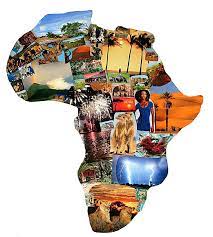
1๏ธโฃ Africa, the birthplace of wildlife, is home to some of the most diverse and unique animal species on the planet. From the mighty elephants roaming the savannahs, to the graceful cheetahs sprinting across the grasslands, Africa's wildlife is a treasure that we must protect and preserve for generations to come.
2๏ธโฃ As Africans, we have a responsibility to unite and work together in safeguarding our natural heritage. It is only through cross-border collaboration that we can effectively tackle the challenges of wildlife conservation and ensure a sustainable future for our continent.
3๏ธโฃ History has shown us the power of collaboration in achieving great things. Just like the ancient African kingdoms that thrived through unity, we too can overcome the obstacles that stand in the way of protecting our wildlife.
4๏ธโฃ Let us take inspiration from the words of the great African leader, Nelson Mandela, who once said, "It is in our hands to create a better world for all who live in it." These words ring true when it comes to wildlife conservation. It is our duty to create a better world where our wildlife can thrive.
5๏ธโฃ Cross-border collaboration allows us to pool our resources, knowledge, and expertise. By working together, we can develop comprehensive conservation strategies that address the complex challenges faced by our wildlife.
6๏ธโฃ Through collaboration, we can establish protected areas that span across borders, allowing animals to migrate freely and ensuring their habitats remain intact. This interconnectedness will not only benefit wildlife but also boost ecotourism, creating economic opportunities for local communities.
7๏ธโฃ Take the example of the Serengeti-Mara ecosystem, which spans across Tanzania and Kenya. The annual wildebeest migration, known as the "greatest wildlife spectacle on Earth," attracts thousands of tourists from around the world. By collaborating and managing this ecosystem together, both countries reap the economic benefits while ensuring the survival of this natural wonder.
8๏ธโฃ Collaboration also enables us to combat wildlife trafficking, a pressing issue that threatens our wildlife populations. By sharing information and coordinating efforts across borders, we can disrupt the illegal trade networks and protect our endangered species from further harm.
9๏ธโฃ Imagine if all African countries set aside their differences and worked hand in hand, leveraging their unique strengths and resources to protect our wildlife. The impact would be remarkable, and we would be recognized as a force to be reckoned with in the global conservation community.
๐ It is time for us to put aside our individual interests and unite for the greater good of Africa. Together, we can create a future where our children can witness the beauty and wonder of Africa's wildlife.
1๏ธโฃ1๏ธโฃ What can you do to promote cross-border collaboration in wildlife conservation? Share your ideas and experiences with us! Let us know how you have contributed to the conservation efforts in your own community.
1๏ธโฃ2๏ธโฃ Remember, it is not enough to simply read and agree with this article. Action is what will truly make a difference. Share this article with your friends, family, and colleagues to spread the message of unity and collaboration in wildlife conservation.
1๏ธโฃ3๏ธโฃ Together, let us inspire others to join us on this journey towards a united Africa, where our wildlife can flourish, and our continent can once again be the beacon of hope and conservation.
1๏ธโฃ4๏ธโฃ In the wise words of Jomo Kenyatta, the first President of Kenya, "Our children may learn about the heroes of the past. Our task is to make ourselves the architects of the future." Let us be the architects of a future where Africa's wildlife is protected and cherished.
1๏ธโฃ5๏ธโฃ Join us in this noble cause. Together, we can make a difference. Together, we can preserve Africa's wildlife for generations to come. Let us unite and create a brighter future for all. ๐๐๐พ
Updated at: 2023-08-06 14:21:33 (2 years ago by Melkisedeck Leon Shine)
๐๐ African Literature and Storytelling: Preserving Our Heritage ๐๐
Hello fellow Africans! Today, I want to talk to you about a topic that is close to our hearts - the art of African literature and storytelling. ๐๐
In our vast and diverse continent, storytelling has always been an integral part of our culture. It is through the power of words and narratives that we have preserved our history, traditions, and values for generations. ๐ฃ๏ธ๐ Our stories have the ability to connect us, inspire us, and remind us of our shared heritage. They are a powerful tool that can bring us closer together as Africans. ๐ค
1๏ธโฃ Through the pages of African literature, we can delve into the richness of our past and gain a deeper understanding of who we are as a people. It allows us to explore different perspectives, experiences, and realities, fostering empathy and unity among Africans across borders and cultures.
2๏ธโฃ Our literature provides a platform to celebrate the achievements, struggles, and resilience of our ancestors. It reminds us of the great leaders who fought for freedom, justice, and equality, such as Nelson Mandela, who said, "Education is the most powerful weapon which you can use to change the world."
3๏ธโฃ From the captivating works of Chinua Achebe to the thought-provoking poetry of Maya Angelou, African literature has made a significant impact on the global literary scene. It is through our stories that we challenge stereotypes, break boundaries, and redefine our place in the world.
4๏ธโฃ As Africans, we must take pride in our literary heritage and ensure its preservation for future generations. Just like the ancient Egyptians preserved their history through hieroglyphics, or the Greeks through epic poems, we too have a responsibility to safeguard our stories and pass them down to the next generation.
5๏ธโฃ By reading and supporting African literature, we not only enrich our own lives but also contribute to the development of our communities and the empowerment of our fellow Africans. We must embrace our diverse voices and encourage the growth of African authors, publishers, and bookstores.
6๏ธโฃ Let us remember that the power of storytelling extends beyond the written word. Our oral traditions, folklore, and music are also vital forms of storytelling that have shaped our collective identity. We must continue to honor and preserve these traditions, for they hold the keys to our cultural heritage.
7๏ธโฃ African literature and storytelling have the potential to bridge gaps, heal wounds, and create understanding among Africans. When we come together to listen to each other's stories, we find common ground and realize that our differences are what make us strong.
8๏ธโฃ Just as the Sankofa bird symbolizes the importance of learning from the past, we too must look back to our roots and draw inspiration from the wisdom of our ancestors. Their stories are our stories, and through them, we can build a brighter future for Africa.
9๏ธโฃ So, I challenge you, my fellow Africans, to immerse yourselves in African literature and storytelling. Share your favorite books, poems, and stories with your friends, family, and communities. Let us create spaces where our voices can be heard and celebrated.
๐ What are your favorite African books or stories? How have they impacted your life? Share them with us in the comments below and let's keep the conversation going! ๐๐
Let us unite as Africans, supporting and uplifting each other through the power of literature and storytelling. Together, we can preserve our heritage, inspire the next generation, and create a stronger, more united Africa. ๐๐ค
Don't forget to share this article with your friends and family to spread the message of African unity and heritage preservation. Let's make a difference together! ๐๐โจ
Updated at: 2025-05-15 14:13:39 (7 months ago by Melkisedeck Leon Shine)
Introduction: This article explores the multifaceted role of African music festivals in fostering unity and celebrating the continent's rich cultural diversity. We will analyze the application of sociological concepts like social cohesion, cultural capital, and the symbolic interactionism perspective to understand how these festivals contribute to a sense of shared identity and cross-cultural understanding. We will also examine the economic and social impact of these events, considering models of community development and cultural tourism.
The Unifying Power of Music: A Sociological Perspective. African music, characterized by its diverse rhythms, melodies, and instrumentation, serves as a powerful tool for social cohesion. Social cohesion, defined as the strength of relationships and bonds within a society, is significantly enhanced through shared experiences. Music festivals provide a platform for individuals from various cultural backgrounds to converge, participate in collective experiences, and develop a sense of shared identity. Applying the principles of symbolic interactionism, we can observe how individuals construct meaning through their interactions at these events. Shared musical experiences foster a sense of collective efficacy, a belief in the ability to achieve common goals, further strengthening social bonds. This is particularly relevant in the context of a diverse continent like Africa, where music transcends linguistic and geographical barriers.
Cultural Capital and Economic Development: African music festivals represent a significant source of cultural capital, a concept referring to the non-financial social assets that promote social mobility and status. The participation of artists, musicians, and craftspeople allows them to showcase their skills and heritage, enhancing their social standing and economic opportunities. These events also contribute significantly to local economies through tourism, employment creation, and the generation of revenue. The application of community development models demonstrates how these festivals can revitalize local communities, fostering economic growth and social empowerment. They can act as engines of cultural tourism, attracting visitors and generating revenue that benefits local businesses and residents.
Building Bridges: Fostering Cross-Cultural Understanding and Pan-Africanism: The diverse range of musical styles represented at African music festivals exemplifies the continent's cultural richness. The convergence of artists from various regions facilitates cross-cultural exchange, fostering mutual understanding and respect. This process aligns with the concept of pan-Africanism, a movement promoting unity and solidarity among African people. By showcasing the common threads and unique aspects of diverse African cultures, these festivals contribute to the construction of a shared African identity, transcending national borders and fostering a sense of belonging. This can be analyzed through the lens of identity formation and the role of cultural events in shaping group consciousness.
Leveraging the Power of Collaboration and Artistic Exchange: These festivals act as hubs for collaborative projects, fostering creativity and innovation. Artists from different regions can exchange ideas, co-create musical pieces, and learn from one another, resulting in new musical expressions and enriched artistic output. This collaborative spirit is further amplified through the incorporation of other art forms, such as dance, visual arts, and fashion, creating a holistic cultural experience that celebrates the multifaceted nature of African creativity.
Preserving Cultural Heritage: African music festivals play a critical role in preserving and promoting cultural heritage. Through performances, workshops, and educational programs, these events transmit traditional music and dance forms to younger generations, ensuring the continuity of these cultural practices. This aligns with the concept of cultural preservation, highlighting the importance of safeguarding intangible cultural heritage for future generations. These festivals become living archives, safeguarding the rich tapestry of African cultural expression.
Conclusions and Recommendations: African music festivals are not merely entertainment events; they are powerful instruments for social cohesion, economic development, and cultural preservation. By strategically promoting these festivals and supporting the artists involved, governments, organizations, and individuals can contribute significantly to strengthening social bonds, fostering cross-cultural understanding, and promoting sustainable economic growth in local communities. Further research could explore the long-term impact of these festivals on social capital accumulation, the development of cultural tourism infrastructure, and the preservation of intangible cultural heritage. Governmental support through funding, infrastructure development, and policy frameworks is crucial for maximizing the positive impact of these events. Collaborative initiatives involving artists, local communities, and international organizations can further enhance the reach and effectiveness of African music festivals as agents of social change and cultural preservation.
Reader Pool: Considering the multifaceted roles discussed, how can we further leverage the potential of African music festivals to promote not only cultural unity, but also economic empowerment and sustainable development across the continent?
Updated at: 2025-02-28 11:11:18 (9 months ago by Melkisedeck Leon Shine)
The aspiration for a unified Africa is a deeply held desire across our continent. Progress towards this goal hinges on many factors, but education stands out as an indispensable cornerstone. It is the catalyst for development and a crucial tool in building a united and prosperous Africa. This article explores the multifaceted ways education fosters unity and paves the path towards a brighter future for all Africans.
Education acts as a bridge, connecting diverse nations and transcending the barriers of language, culture, and tradition. It fosters a shared understanding of our collective history, values, and traditions, cultivating a strong sense of African identity. This shared identity transcends national borders, reminding us that despite our differences, we are fundamentally one African family, bound by a common heritage and shared aspirations.
Beyond building a shared identity, education ignites a passion for Africa within young minds. When equipped with knowledge of our continent's rich history, potential, and challenges, the youth become empowered agents of change, actively working towards unity and progress. The struggles and triumphs of past African leaders, like Kwame Nkrumah's inspiring call to "face neither East nor West; we face forward!", should serve as a constant source of inspiration, etched into our educational curricula and inspiring future generations.
Empowering the youth through quality education is paramount. It equips them with critical thinking skills and fosters global citizenship, shaping a generation dedicated to Africa's unity and development. This empowerment extends beyond personal growth; it strengthens the continentโs economy by providing the skilled workforce necessary for sustainable prosperity. Investing in education is, therefore, investing directly in Africaโs future.
Furthermore, education plays a pivotal role in promoting Pan-Africanism. By learning about the successes and challenges faced by other African nations, a sense of solidarity and collective responsibility develops. This shared understanding fosters cooperation and mutual support, crucial for overcoming common challenges and achieving shared goals. Education instills values of peace, tolerance, and respect for diversity, creating an inclusive society where every individual feels valued and appreciated, irrespective of background.
In the modern era, education must embrace technology to bridge geographical divides and provide equal opportunities across the continent. Digital platforms can create virtual classrooms, connecting students and educators across borders, and ensuring access to quality education for all. This technological integration further fosters collaboration, teaching the value of teamwork and shared responsibility in achieving common goals. A deeper understanding of global dynamics, facilitated by education, prepares the next generation of African leaders to effectively navigate the international stage and advocate for Africa's interests on the global platform.
Education is not merely about acquiring knowledge; it is about transforming mindsets. It challenges stereotypes and prejudices, promoting accurate and positive narratives about Africa to the world. This positive portrayal counters misconceptions and fosters a more respectful and accurate global perception of our continent and its people. It also encourages cultural exchange and appreciation, allowing the celebration of Africaโs diverse cultures and fostering unity that transcends national boundaries.
The cultivation of leadership skills is another crucial aspect of education's role in fostering unity. Empowering Africans with the skills to lead and take charge of their destinies ensures the sustainability of efforts towards unity and progress. By nurturing a new generation of competent leaders, we secure the continuity of our collective endeavors.
The call to action is clear. Each African must actively support initiatives that promote education and unity. We must inspire one another, sharing this message far and wide, and working collectively to build a stronger and more united Africa. Let us embrace education as the catalyst for change, breaking down barriers, bridging divides, and creating a thriving and unified continent. The future of a united Africa rests, in no small part, on the power of education. Together, we can, and will, make a difference.
Let the conversation continue. Share your thoughts and ideas on how we can collectively promote education and foster unity within your communities. Let us work together to build a brighter future for all Africans.
Updated at: 2025-06-22 10:20:32 (5 months ago by Melkisedeck Leon Shine)
```htmlThis article examines the critical pursuit of Pan-Africanism, defined as the political and economic unification of all African peoples, and its potential to foster a prosperous and cohesive future for the continent. We will explore this through the lens of several key concepts: Pan-Africanism itself, the functionalist theory of regional integration, social capital theory, and the principle of collective efficacy. We will analyze historical precedents, draw parallels from successful global integration models, and propose actionable strategies for building a unified and prosperous Africa.
The aspiration for African unity has deep historical roots. The profound statements of leaders like Kwame Nkrumah, emphasizing a shared African identity beyond national boundaries, and the enduring legacy of Nelson Mandela, who powerfully articulated the strength of unity, underscore the enduring importance of this ideal. Pan-Africanism provides the conceptual framework for contemporary efforts towards continental integration, acting as a historical and philosophical foundation for the pursuit of a shared future.
The success of the European Union (EU), with its diverse member states, offers valuable insights into the transformative power of regional integration. The EUโs functionalist approach, characterized by incremental integration starting with specific sectors (e.g., trade) before broadening to wider political cooperation, provides a potentially applicable model for Africa. This stepwise approach, beginning with easily integrated sectors like infrastructure development and targeted trade agreements, mitigates risk and builds momentum toward broader political integration. This illustrates the concept of โspillover effects,โ where initial cooperation in one area creates impetus for cooperation in others. The EU's success demonstrates the potential for functional integration to foster economic growth, enhance stability, and promote peace โ lessons highly relevant to the African context.
Periods of crisis, including natural disasters, conflicts, and pandemics, often reveal the importance of social capital and collective efficacy. Social capital, encompassing the networks of relationships among people who live and work in a particular society, enabling that society to function effectively, is strengthened through shared adversity. Collective efficacy, the shared belief in a community's ability to solve problems, becomes paramount in overcoming challenges. The COVID-19 pandemic, for instance, highlighted the effectiveness of collaborative responses among African nations, demonstrating the potential for collective action to address common threats. Building strong social capital networks and fostering a sense of collective efficacy are crucial for enhancing social cohesion and supporting a unified approach to development.
Africaโs rich cultural diversity is not a source of division but a potent resource for development. Strategic multiculturalism, actively recognizing and valuing the contributions of all cultural groups, is essential. This approach fosters a sense of shared identity while celebrating the unique strengths of each culture. Drawing upon the diverse skills, perspectives, and resources within the continent can lead to more innovative and inclusive solutions to challenges, creating a dynamic and vibrant society. This moves beyond simple tolerance of diversity to actively leveraging its inherent strength.
Overcoming historical divisions rooted in tribalism and ethnic conflict is essential for achieving genuine unity. This requires promoting inclusive governance structures, ensuring fair representation of all ethnic groups, and actively addressing historical injustices through truth and reconciliation processes. Focusing on shared aspirations and a common African identity fosters mutual respect and understanding, replacing discord with harmony. This emphasizes the importance of creating a sense of shared ownership and a collective vision for the future.
Economic integration is pivotal for achieving a unified and prosperous Africa. Unifying markets, streamlining trade, and fostering investment unlock significant economic opportunities. This involves reducing trade barriers, harmonizing regulations, and developing shared infrastructure projects. The creation of regional value chains, by promoting intra-African trade, boosts economic activity and creates shared prosperity. This approach necessitates a strategic focus on regional integration initiatives, such as establishing free trade zones and harmonizing economic policies, to maximize economic benefits across the continent. This represents a shift from individual national interests to a collaborative, continent-wide economic strategy.
The COVID-19 pandemic underscored the need for strong regional health security. The pandemic revealed the necessity for effective information exchange, coordinated responses, and mutual aid among African nations. Investing in robust healthcare systems, supporting medical research, and establishing mechanisms for regional collaboration are vital. The creation of a Pan-African disease surveillance network, enabling early detection and rapid response to health threats, will significantly enhance health security and contribute to regional stability. This represents a strategic investment in the health and well-being of the entire continent.
Investment in inclusive, high-quality education is critical for empowering citizens and fostering unity. Education promotes understanding, empathy, and a shared sense of purpose. It creates informed and engaged leaders committed to a unified Africa. This investment requires improvements in educational infrastructure, teacher training, and the development of curricula that reflect African values and priorities. The focus should be on fostering critical thinking and problem-solving skills to address contemporary challenges and promote sustainable development.
Africa's youth are key agents of change for a unified future. By promoting cross-border collaboration and networks, they can actively shape a future rooted in unity. Investment in youth development programs focusing on leadership, entrepreneurship, and cross-cultural understanding is crucial. Creating platforms for youth dialogue and engagement across the continent fosters a generation committed to Pan-African ideals and collaborative solutions.
The success of regional initiatives like the East African Community, demonstrating the tangible benefits of collaboration in trade and infrastructure, and the African Union's Agenda 2063, a comprehensive roadmap for a unified and prosperous Africa, provide valuable examples and guiding principles for progress. These successes illustrate effective strategies for regional cooperation and integration, which can be replicated and adapted throughout Africa. Identifying and replicating these best practices is crucial for accelerating progress.
The pursuit of a unified Africa requires immediate and concerted action. Embracing solidarity and transcending differences is paramount. This necessitates a multifaceted approach, integrating political will, economic strategies, social inclusion, and technological advancement. Further research should focus on evaluating the efficacy of different regional integration models, analyzing the impact of specific policies on social cohesion and economic development, and developing robust metrics for measuring progress towards Pan-African unity. The ultimate goal is to create a vibrant, prosperous, and unified Africa, leveraging its diverse strengths for a shared and sustainable future.
Reader Pool: What specific strategies, considering the complexities of cultural diversity, economic disparities, and political landscapes, would you recommend to strengthen social cohesion and facilitate the process of Pan-African integration?
```
Updated at: 2025-02-28 12:02:01 (9 months ago by Melkisedeck Leon Shine)
Africa, a continent brimming with untapped resources, vibrant cultures, and immense human potential, stands at a pivotal moment. For too long, geographical barriers and infrastructural limitations have hindered our economic growth. However, the dawn of widespread digital connectivity and the explosive growth of e-commerce present an unprecedented opportunity to reshape our economic landscape and unlock prosperity for all Africans.
The transformative power of digital connectivity is undeniable. It bridges geographical divides, connecting communities and fostering collaboration across vast distances. This interconnectedness allows for the seamless exchange of goods, services, and ideas, breaking down traditional barriers to trade and stimulating economic activity. No longer are we limited by physical proximity; technology empowers us to reach global markets and participate in the global economy on a level playing field.
E-commerce, in particular, offers a powerful engine for economic growth. It provides a platform for African entrepreneurs to showcase their unique products and services to a global audience, fostering competition and driving innovation. This digital marketplace creates opportunities for small and medium-sized enterprises (SMEs), empowering individuals and communities to generate income and improve their livelihoods. Imagine a young artisan in rural Ghana selling their handcrafted goods directly to consumers in Europe or North America โ a reality made possible by the accessibility of e-commerce.
The success of e-commerce hinges on robust digital infrastructure. Investing in high-speed internet access, reliable mobile networks, and digital literacy programs is crucial. This necessitates collaboration between governments, private sector actors, and international organizations to ensure equitable access to technology across the continent. We must strive to eliminate the digital divide, ensuring that all Africans, regardless of their location or socioeconomic status, can benefit from the opportunities presented by the digital revolution.
Furthermore, fostering a supportive regulatory environment is paramount. Clear and transparent policies that promote fair competition, protect consumer rights, and facilitate cross-border trade are essential for the sustainable growth of e-commerce. Streamlining customs procedures and reducing bureaucratic hurdles will further enhance the efficiency and effectiveness of digital trade.
Inspiration can be drawn from other nations' experiences. The remarkable economic transformation witnessed in countries like China, fueled in part by the adoption of e-commerce, demonstrates the potential for similar success in Africa. However, it's crucial to adapt successful strategies to the unique context of our continent, focusing on solutions tailored to our specific needs and challenges.
Beyond economic gains, the rise of digital connectivity and e-commerce fosters social progress. Increased access to information and educational resources empowers individuals, while the creation of new jobs and entrepreneurial opportunities boosts economic mobility. This digital empowerment has the potential to uplift entire communities, fostering greater inclusivity and reducing inequality.
The journey toward a digitally driven African economy requires a collaborative effort. Governments must prioritize investment in digital infrastructure and create supportive regulatory frameworks. The private sector needs to innovate and develop solutions that meet the specific needs of African consumers and businesses. And individuals must embrace the opportunities presented by the digital world, acquiring the necessary skills and knowledge to thrive in this new economic landscape. By working together, we can harness the transformative power of digital connectivity and e-commerce to build a more prosperous and equitable future for all Africans.
Let us embrace this opportunity to build a vibrant, digitally empowered Africa. Let us share our knowledge, collaborate across borders, and work together to create a continent where technology fuels economic growth, social progress, and lasting prosperity. The future of Africa is digital, and it is ours to shape.
Updated at: 2023-08-06 13:59:18 (2 years ago by Melkisedeck Leon Shine)
๐ African Women Unite: Empowering the Continent ๐
1๏ธโฃ Africa, our beautiful continent, is rich in diversity, culture, and natural resources. However, we face numerous challenges that hinder our progress and hinder the realization of our true potential.
2๏ธโฃ As African women, we have always been the backbone of our communities, nurturing and empowering those around us. It is time for us to rise together, to unite, and to harness our collective strength to bring about lasting change.
3๏ธโฃ Our history is filled with powerful women who have paved the way for us. Wangari Maathai, the Kenyan environmental activist, once said, "In the course of history, there comes a time when humanity is called to shift to a new level of consciousness, to reach a higher moral ground." It is our time, African women, to shift the paradigm and lead with compassion, wisdom, and courage.
4๏ธโฃ When we unite as African women, we become a force that cannot be ignored. We hold the power to transform our communities, uplift our families, and shape the destiny of our continent. Let us draw inspiration from Queen Nzinga of Angola, who fiercely defended her people against colonization, and Mama Albertina Sisulu, a South African anti-apartheid activist who fought for equality and justice.
5๏ธโฃ Through unity, we can address the pressing issues that affect us all. Poverty, gender inequality, access to education and healthcare, and the empowerment of our youth are challenges that require our collective effort. Let us learn from the Rwandan example, where women have played a crucial role in the country's reconciliation and reconstruction process.
6๏ธโฃ Education is a fundamental tool for empowerment. By investing in the education of our girls, we ensure a brighter future for Africa. As Nelson Mandela once said, "Education is the most powerful weapon which you can use to change the world." Let us encourage and support our young girls to pursue their dreams and become leaders in their respective fields.
7๏ธโฃ Economic empowerment is another key aspect of uniting Africa. When we create opportunities for women to access financial resources, we not only lift ourselves out of poverty but also contribute to the overall economic growth of our continent. Let us learn from the success stories of African women entrepreneurs like Folorunso Alakija, Isabel dos Santos, and Bethlehem Tilahun Alemu.
8๏ธโฃ Health is wealth, and it is essential that we prioritize the well-being of our communities. By advocating for better healthcare systems and raising awareness about diseases such as HIV/AIDS and malaria, we can ensure a healthier future for all Africans. Let us be inspired by the work of Dr. Miriam Makeba, who used her platform as a musician to raise awareness about social issues.
9๏ธโฃ Embracing our diverse cultures and traditions is the key to our unity. Let us celebrate our differences and find strength in our shared experiences. As Desmond Tutu once said, "In order to heal and move forward, we need to recognize and respect each other's stories." By promoting cultural exchange and understanding, we can build bridges and foster a sense of belonging among all Africans.
๐ As African women, we must seize the opportunity to lead and inspire change. Our strength lies not only in our numbers but also in our determination to unite and overcome the challenges that lie ahead. Together, we can build a prosperous and united Africa for future generations.
1๏ธโฃ1๏ธโฃ The time for action is now. Let us come together, share our stories, and learn from one another. By harnessing our collective wisdom and passion, we can create a movement that transcends borders and empowers African women everywhere.
1๏ธโฃ2๏ธโฃ Reflect on the following questions: How can we better support the education of girls in our communities? What steps can we take to promote economic empowerment for African women? How can we promote better healthcare access for all Africans?
1๏ธโฃ3๏ธโฃ Share this article with your friends, family, and colleagues. Let us ignite a flame of unity that spreads across the continent. Together, we can make a difference.
1๏ธโฃ4๏ธโฃ Remember, African women, our strength lies in our unity. Let us rise, empower one another, and create a legacy that will inspire future generations. The time is now, and Africa is calling us to unite.
1๏ธโฃ5๏ธโฃ "I am African not because I was born in Africa but because Africa was born in me." - Kwame Nkrumah. Let us embrace this truth and work together towards a united and empowered Africa. Africa, it's time to rise, it's time to unite! ๐๐ป
Updated at: 2025-06-16 18:35:19 (6 months ago by Melkisedeck Leon Shine)
This essay examines the pivotal role of African universities in fostering continental unity. We will define key concepts: continental integration, referring to the process of increasing cooperation and interdependence among African nations; and Pan-Africanism, an ideology emphasizing the unity and solidarity of African peoples. We will explore how universities, through curriculum development, research collaboration, and leadership development, can serve as catalysts for achieving these goals. The essay will analyze these contributions through the lens of social constructivism, which emphasizes the socially constructed nature of identity and the role of institutions in shaping collective understanding.
Cultivating a Shared African Identity: Universities, as centers of knowledge creation and dissemination, play a crucial role in shaping national and continental identities. By incorporating Pan-African perspectives into curricula, highlighting shared historical experiences, and celebrating diverse cultural heritages, universities can cultivate a sense of collective identity among students from across the continent. This shared understanding, based on social constructivist principles, counters divisive narratives and fosters a sense of belonging within a larger African community. This approach aligns with the concept of social capital, strengthening ties between individuals and nations.
Promoting Critical Dialogue and Challenging Stereotypes: African universities offer a unique platform for critical engagement with diverse perspectives. By fostering open dialogue and debate on issues of common concern, these institutions equip students with the skills to challenge existing stereotypes and misconceptions about Africa and its people. This critical analysis contributes to the development of a more nuanced understanding of African realities, undermining divisive narratives and promoting tolerance and mutual respect. This process mirrors the transformative learning theory, where critical reflection leads to significant personal and societal changes.
Fostering Cross-Border Collaboration and Innovation: Universities can act as hubs for collaborative research projects and initiatives that transcend national boundaries. By encouraging joint research ventures and knowledge exchange among students and faculty from different African nations, universities can build a culture of cooperation and shared purpose. This approach aligns with the principles of network theory, recognizing that interconnectedness facilitates knowledge creation and diffusion, furthering continental integration. Successful models, such as collaborative research initiatives focused on sustainable development or disease control, demonstrate the potential of such collaborations.
Investing in Human Capital Development: Investment in scholarships, exchange programs, and faculty mobility initiatives is crucial for fostering cross-cultural understanding and building networks of future leaders. These programs create opportunities for students and academics to interact with peers from different backgrounds, fostering mutual respect and appreciation for diverse perspectives. This aligns with human capital theory, highlighting the importance of investing in individuals' skills and knowledge to enhance societal productivity and progress toward continental integration.
Developing Pan-African Leadership: African universities bear a significant responsibility in nurturing future leaders who champion continental unity. Integrating Pan-African perspectives into leadership development programs fosters a sense of collective responsibility for the continentโs well-being. This approach aligns with transformational leadership theory, emphasizing the leaderโs role in inspiring and motivating followers to work towards a shared vision of a unified Africa. These leaders will be instrumental in shaping policies and initiatives that promote regional cooperation and integration.
Leveraging Regional Integration Models: Learning from successful examples of regional integration, such as the European Union, can provide valuable insights for African universities. The EU's experience highlights the significant impact of educational exchange programs, cross-border collaborations, and harmonized educational standards in fostering unity and cooperation. Applying these lessons to the African context can accelerate the progress towards continental integration.
Conclusion and Recommendations: African universities are not merely repositories of knowledge but active agents of social and political change. By fostering a shared sense of African identity, promoting critical dialogue, fostering cross-border collaboration, and investing in human capital development, they can significantly contribute to the process of continental integration. Further research should investigate the specific mechanisms through which universities can enhance their impact, exploring best practices and developing models for effective institutional change. A renewed emphasis on curriculum development, strategic partnerships, and resource mobilization is essential for universities to fulfill their role as catalysts for a unified and prosperous Africa. The long-term impact of these efforts will be a more integrated and cohesive African continent, characterized by increased economic cooperation, reduced conflict, and enhanced social development.
Reader Pool: Considering the multifaceted challenges facing Africa, how can universities effectively balance their role in fostering national identities with their responsibility to promote a strong sense of Pan-African unity?
Updated at: 2025-02-20 06:33:43 (9 months ago by Melkisedeck Leon Shine)
Africa, a continent renowned for its stunning landscapes and unparalleled biodiversity, faces a critical challenge: the preservation of its natural heritage. From the majestic elephants of the savanna to the vibrant coral reefs of the Indian Ocean, the continent's rich ecosystem is under increasing pressure. This isn't merely an environmental concern; it's a matter of economic sustainability, cultural identity, and the very future of African nations.
The urgency of this situation cannot be overstated. Habitat loss, poaching, climate change, and unsustainable practices threaten countless species, disrupting delicate ecological balances and jeopardizing the livelihoods of communities that depend on these resources. However, the challenges also present an opportunity: a chance for African nations to collaborate, innovate, and lead the world in sustainable conservation efforts.
Rwanda's remarkable success in gorilla conservation serves as a powerful example. Through strategic planning, community engagement, and responsible tourism, Rwanda has not only protected its mountain gorillas but also created a thriving ecotourism industry, benefiting local communities and showcasing the economic potential of biodiversity conservation. This success story demonstrates that preserving biodiversity and fostering economic growth are not mutually exclusive goals; rather, they are intrinsically linked.
The wisdom of past leaders echoes the importance of this endeavor. Nelson Mandela's words resonate deeply: "The earth will not continue to offer its harvest, except with faithful stewardship. We cannot say we love the land and then take steps to destroy it." This sentiment underscores the ethical responsibility we all share to protect the natural world, a responsibility that transcends national borders and unites us in a shared purpose.
This shared responsibility requires a multi-faceted approach. Firstly, education is paramount. We must invest in comprehensive environmental education programs that empower communities with the knowledge and skills to participate actively in conservation efforts. This includes fostering awareness of sustainable practices, promoting responsible tourism, and equipping local communities with the tools to protect their natural resources.
Secondly, collaboration is key. African nations must work together, sharing best practices, resources, and expertise to combat transnational environmental threats. This includes strengthening regional cooperation on anti-poaching initiatives, promoting sustainable land management practices, and jointly addressing the impacts of climate change.
Thirdly, we must leverage the power of innovation. Technological advancements offer exciting possibilities for enhancing conservation efforts. From advanced monitoring technologies to innovative approaches to sustainable agriculture, technology can play a crucial role in ensuring the long-term protection of Africa's biodiversity.
Beyond national governments and international organizations, individual actions hold significant weight. Each of us can contribute to this critical effort by adopting sustainable lifestyles, supporting local conservation initiatives, and advocating for stronger environmental policies. Small changes, such as reducing plastic waste, choosing sustainable products, and supporting eco-tourism, can collectively have a profound impact.
Preserving Africa's biodiversity is not merely an environmental imperative; it is an investment in the continent's future. By protecting our natural heritage, we secure economic opportunities, safeguard cultural traditions, and ensure a sustainable and prosperous future for generations to come. Let us work together, united in our commitment to preserving the breathtaking beauty and invaluable biodiversity that makes Africa truly unique.
Let this be a call to action. What will your contribution be? Share this message, join a conservation effort, advocate for change, and become a guardian of Africa's precious natural heritage.
Updated at: 2025-05-05 05:56:34 (7 months ago by Melkisedeck Leon Shine)
African culture's vibrant tapestry is richly interwoven with the threads of storytelling, a tradition that has safeguarded historical narratives, societal values, and collective identities across generations. From the ancient griots of West Africa to contemporary novelists, the power of narrative has profoundly shaped our collective consciousness, fostering enduring connections and inspiration. This discourse analyzes the significance of African literature and storytelling, emphasizing its crucial role in preserving heritage and cultivating unity across the diverse African continent. We will explore this through the lens of several key concepts: Cultural Transmission, the process by which cultural knowledge is passed across generations; Collective Memory, the shared understanding of the past held by a group; Narrative Identity, the construction of self through stories; and Social Cohesion, the bonding of individuals within a society.
African literature provides a profound exploration of our past, revealing the intricate complexities of our lived experiences and fostering a deeper understanding of our collective identity. It serves as a platform for diverse perspectives, allowing for the examination of varying realities and cultivating empathy across geographical boundaries and cultural differences. Through the literary works of African authors, we confront historical injustices, celebrate collective triumphs, and grapple with the persistent challenges facing our communities. This engagement with diverse narratives contributes significantly to the development of a robust Narrative Identity, allowing individuals to connect with their heritage and understand their place within a broader cultural context. Furthermore, the exploration of shared experiences facilitates greater Social Cohesion.
The enduring legacy of African literature serves as a testament to the resilience and creativity of our ancestors. It immortalizes the struggles and triumphs of those who fought for freedom and equality, echoing the sentiment expressed by Nelson Mandela: "Education is the most powerful weapon which you can use to change the world." This legacy inspires subsequent generations to strive for progress and social justice, underscoring the enduring power of the human spirit. This powerful legacy is an example of effective Cultural Transmission, demonstrating the passing down of values and ideals across generations. These narratives contribute significantly to the development of a shared Collective Memory, uniting people under a common understanding of history.
From the groundbreaking works of Chinua Achebe to the poignant poetry of Maya Angelou, African literature has significantly impacted the global literary landscape. Our narratives challenge preconceived notions, dismantle harmful stereotypes, and redefine Africaโs position on the world stage. They showcase the continent's rich diversity, offering a counter-narrative to frequently simplistic and inaccurate portrayals found in other media. This serves to strengthen Narrative Identity at both an individual and collective level. By offering multiple perspectives, it also fosters Social Cohesion by promoting understanding and empathy.
The responsibility of preserving our literary heritage is a collective one. Just as ancient civilizations meticulously documented their historiesโthe Egyptians with hieroglyphs, the Sumerians with cuneiform, and the Greeks with epic poemsโwe must actively safeguard our own narratives for future generations. This necessitates supporting African authors, publishers, and bookstores, ensuring the continued telling and sharing of our stories. This active engagement ensures the successful transmission of cultural knowledge, safeguarding Cultural Transmission and maintaining a robust Collective Memory.
The preservation of our heritage extends beyond written literature. Our oral traditions, folklore, and musical narratives are equally vital in shaping our collective identity. These rich forms of storytelling must be cherished and passed down, preserving the embedded wisdom and experiences. They are living testaments to the enduring spirit of our communities, reinforcing Cultural Transmission and contributing significantly to the shaping of individual and collective Narrative Identity.
African literature and storytelling possess a unique ability to bridge divides, heal wounds, and foster understanding. By actively engaging with these narratives, we discover common ground, recognizing that our differences contribute to the continent's vibrancy and dynamism. The act of listening to and sharing stories creates a powerful sense of connection and shared humanity, directly impacting Social Cohesion. The shared experience strengthens Collective Memory and promotes a sense of belonging.
The Sankofa bird, a symbol of learning from the past, embodies the importance of reflecting on our history and drawing strength from the wisdom of our ancestors. Their experiences, documented in our literature and traditions, inform our present and shape our future. Their stories are our stories, guiding us towards a brighter, more unified Africa. This concept directly relates to the power of Collective Memory in shaping future action and identity.
We encourage immersion in the world of African literature and storytelling. Discover new authors, share favorite works, and create spaces where these powerful narratives can be celebrated and discussed. Let us cultivate a vibrant literary landscape where our voices resonate and our heritage is honored. This active participation strengthens Cultural Transmission and enhances Narrative Identity within the community.
We invite readers to share their cherished African literary works and how they have impacted their understanding of themselves and their heritage. By fostering a community that celebrates the richness and diversity of African storytelling, we collectively work to preserve and promote our invaluable cultural legacy. Through the power of literature and storytelling, we can build a stronger, more unified Africa, ensuring our rich heritage thrives for generations to come.
Share this article and help spread the message: Letโs celebrate and preserve the vibrant heritage of African literature and storytelling together!
Conclusions and Recommendations: This exploration highlights the vital role of African literature and storytelling in preserving cultural heritage and fostering social cohesion. The concepts of Cultural Transmission, Collective Memory, Narrative Identity, and Social Cohesion are intrinsically linked to the power of these narratives. We recommend continued support for African authors and publishers, the preservation of oral traditions, and the creation of platforms for sharing and discussing these stories. Further research could explore the impact of specific literary works on individual and collective identity formation, the role of storytelling in conflict resolution, and the effectiveness of different methods for preserving oral traditions in the digital age.