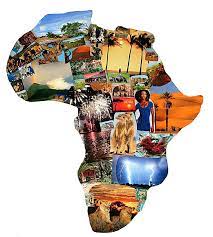
African Literature and Storytelling: Preserving Our Heritage
Welcome Back.
Updated at: 2023-08-06 14:21:33 (2 years ago by Melkisedeck Leon Shine)
ππ African Literature and Storytelling: Preserving Our Heritage ππ
Hello fellow Africans! Today, I want to talk to you about a topic that is close to our hearts - the art of African literature and storytelling. ππ
In our vast and diverse continent, storytelling has always been an integral part of our culture. It is through the power of words and narratives that we have preserved our history, traditions, and values for generations. π£οΈπ Our stories have the ability to connect us, inspire us, and remind us of our shared heritage. They are a powerful tool that can bring us closer together as Africans. π€
1οΈβ£ Through the pages of African literature, we can delve into the richness of our past and gain a deeper understanding of who we are as a people. It allows us to explore different perspectives, experiences, and realities, fostering empathy and unity among Africans across borders and cultures.
2οΈβ£ Our literature provides a platform to celebrate the achievements, struggles, and resilience of our ancestors. It reminds us of the great leaders who fought for freedom, justice, and equality, such as Nelson Mandela, who said, "Education is the most powerful weapon which you can use to change the world."
3οΈβ£ From the captivating works of Chinua Achebe to the thought-provoking poetry of Maya Angelou, African literature has made a significant impact on the global literary scene. It is through our stories that we challenge stereotypes, break boundaries, and redefine our place in the world.
4οΈβ£ As Africans, we must take pride in our literary heritage and ensure its preservation for future generations. Just like the ancient Egyptians preserved their history through hieroglyphics, or the Greeks through epic poems, we too have a responsibility to safeguard our stories and pass them down to the next generation.
5οΈβ£ By reading and supporting African literature, we not only enrich our own lives but also contribute to the development of our communities and the empowerment of our fellow Africans. We must embrace our diverse voices and encourage the growth of African authors, publishers, and bookstores.
6οΈβ£ Let us remember that the power of storytelling extends beyond the written word. Our oral traditions, folklore, and music are also vital forms of storytelling that have shaped our collective identity. We must continue to honor and preserve these traditions, for they hold the keys to our cultural heritage.
7οΈβ£ African literature and storytelling have the potential to bridge gaps, heal wounds, and create understanding among Africans. When we come together to listen to each other's stories, we find common ground and realize that our differences are what make us strong.
8οΈβ£ Just as the Sankofa bird symbolizes the importance of learning from the past, we too must look back to our roots and draw inspiration from the wisdom of our ancestors. Their stories are our stories, and through them, we can build a brighter future for Africa.
9οΈβ£ So, I challenge you, my fellow Africans, to immerse yourselves in African literature and storytelling. Share your favorite books, poems, and stories with your friends, family, and communities. Let us create spaces where our voices can be heard and celebrated.
π What are your favorite African books or stories? How have they impacted your life? Share them with us in the comments below and let's keep the conversation going! ππ
Let us unite as Africans, supporting and uplifting each other through the power of literature and storytelling. Together, we can preserve our heritage, inspire the next generation, and create a stronger, more united Africa. ππ€
Don't forget to share this article with your friends and family to spread the message of African unity and heritage preservation. Let's make a difference together! ππβ¨
Updated at: 2025-02-20 06:24:49 (9 months ago by Melkisedeck Leon Shine)
```The dream of a united Africa, prosperous and at peace, is not a utopian fantasy but a tangible goal achievable through the collective empowerment of our local communities. This requires a unified effort, a shared vision, and a commitment to leveraging the rich tapestry of our diverse cultures and histories.
Our ancestors bequeathed us a legacy of resilience, strength, and community spirit β qualities we must now harness to build a future where every African thrives. Nelson Mandela's words ring true: "It is in your hands to create a better world for all who live in it." This responsibility rests upon each of us.
The path to African unity is paved through the empowerment of our local communities. By fostering a sense of belonging and shared purpose at this grassroots level, we can ignite sustainable development and self-reliance. We must become architects of our own solutions, charting a course free from external dependencies, in the spirit of Kwame Nkrumah's vision: "We face neither East nor West; we face forward."
Envision a thriving Africa, where every village, town, and city flourishes. Investing in our local economies is not merely an economic imperative; it is a moral one. It's about creating jobs, alleviating poverty, and significantly improving the quality of life for all Africans. This requires strategic investment and a commitment to sustainable economic practices.
Education is the cornerstone of this transformation. Quality education equips our youth with the tools they need to navigate the complexities of the 21st century. Investing in our schools, colleges, and universities is an investment in the future of Africa, ensuring every child has access to opportunities that were previously unimaginable.
A healthy nation is a prosperous nation. Prioritizing healthcare infrastructure is paramount. Ensuring access to quality healthcare services is not only a humanitarian imperative but a crucial step toward building a strong and resilient continent, capable of withstanding future challenges.
We can learn valuable lessons from other unified regions, such as the European Union. Their journey demonstrates the transformative power of unity, turning a war-torn continent into a beacon of peace and prosperity. This example serves as a powerful testament to what is possible when nations collaborate for a common goal.
Our cultural diversity is not a source of weakness, but a profound strength. Celebrating our differences fosters understanding, tolerance, and mutual respect. We must actively challenge narratives that divide us, embracing the wisdom of Chinua Achebe's words: "Until the lions have their own historians, the history of the hunt will always glorify the hunter." We must author our own narratives.
To build a truly united Africa, we must actively combat tribalism, corruption, and division. We must take ownership of our narrative and rewrite our own history, creating a future where our children's aspirations know no bounds. This requires courageous leadership and a collective commitment to ethical conduct.
Individual actions can collectively create a significant impact. Supporting local businesses, artisans, and farmers is a powerful act of empowerment. By buying local, we directly invest in the growth of our communities, fostering sustainable development and economic resilience.
We must encourage entrepreneurship and innovation within our communities. Providing the necessary resources, mentorship, and support will cultivate a culture of self-reliance and economic empowerment, echoing the powerful words of Steve Biko: "The greatest weapon in the hands of the oppressor is the mind of the oppressed." We must liberate our minds and embrace our potential.
Collaboration is essential. Building networks and partnerships that transcend national borders allows us to address shared challenges and seize opportunities collectively. By pooling resources and expertise, we can achieve far more than the sum of our individual efforts.
The power of technology is undeniable. Leveraging digital platforms can connect our communities, foster knowledge sharing, and drive inclusive growth. We must harness technology to bridge geographical divides and promote effective communication.
The journey toward a united Africa demands a strong, unwavering intention. We must be the change we wish to see in the world. Together, we can create a continent where every voice is valued, every life is cherished, and every dream is within reach. This requires a persistent commitment to action and a belief in the power of collective effort.
Share this vision. Let us ignite a flame of unity that spreads across Africa, inspiring others to join us on this transformative journey. Together, we can build a brighter future for our continent.
What steps will you take today to empower your community and promote African unity? The power to shape the destiny of our continent lies within each of us. Let us rise to the challenge, together.
```
Updated at: 2025-02-20 12:07:00 (9 months ago by Melkisedeck Leon Shine)
Africa, a continent brimming with diverse cultures and abundant natural resources, holds immense potential to become a global economic powerhouse. Realizing this potential requires a unified, collaborative approach, with economic integration serving as the cornerstone of lasting unity and prosperity. This journey necessitates a shared commitment to harnessing our collective strengths for the betterment of all Africans.
The benefits of economic integration are transformative and far-reaching. By dismantling trade barriers and fostering robust regional cooperation, we unlock significant economic growth. This translates to improved infrastructure, advanced healthcare systems, enhanced educational opportunities, and a higher quality of life for all citizens. This growth creates a virtuous cycle, driving further development and progress across the continent.
Economic integration dramatically expands intra-African trade, reducing reliance on volatile external markets. This strengthens individual national economies, fostering self-reliance and resilience. Increased trade stimulates job creation, raises income levels, and significantly contributes to poverty reduction. A thriving internal market ensures greater economic stability and reduces vulnerability to global economic shocks.
Beyond the economic advantages, integration fosters vibrant cultural exchange. Sharing traditions, learning from diverse experiences, and celebrating our collective heritage builds stronger bonds between African nations. This cultural richness becomes a powerful unifying force, fostering a shared sense of identity and belonging.
History underscores the critical role of economic integration in promoting peace and stability. The interdependence fostered through strong economic ties encourages cooperation and significantly reduces the likelihood of conflict. By working together, we build a foundation for lasting peace and security, creating a safe and stable environment conducive to sustainable development.
Each African nation possesses unique resources and comparative advantages. Economic integration allows us to leverage these strengths, specializing in areas of excellence and maximizing efficiency. This specialization boosts productivity, increases overall economic output, and ensures shared prosperity. A collaborative approach ensures the equitable distribution of the benefits of economic growth.
The success of the European Union (EU) provides a compelling case study. Despite diverse histories and cultures, EU member states have demonstrated the transformative power of economic integration in creating a robust economic bloc. Their journey offers valuable lessons and a roadmap for Africa's own path toward unity, highlighting both successes and challenges to inform our strategy.
The visionary words of Kwame Nkrumah resonate powerfully: "Divided we are weak; united, Africa could become one of the greatest forces for good in the world." This timeless message underscores the transformative potential of unity and the imperative for collective action to achieve our shared goals.
The East African Community (EAC), encompassing Kenya, Uganda, Tanzania, Rwanda, Burundi, and South Sudan, exemplifies the positive impact of regional economic integration. Their achievements in promoting cooperation and fostering economic growth serve as an inspiring model, demonstrating the tangible benefits of collaboration. We should strive to replicate and expand upon their success across the continent.
The African Union (AU) plays a crucial role in guiding the continent towards unity and prosperity. Through the AU's initiatives, we can collectively shape Africa's future, fostering peace, development, and collaborative partnerships. Active participation in AU initiatives is essential to realizing its vision of a unified and prosperous continent.
Building a unified and prosperous Africa demands collective effort. Every individual has a crucial role to play in promoting regional trade, supporting African businesses, and advocating for policies that break down barriers to economic growth. By working together, we can create meaningful change and build a brighter future for generations to come.
Let us share this message of unity and hope, collectively building a stronger, more prosperous Africa, united and proud on the world stage. Together, we can achieve greatness. The time for decisive action is now.
Updated at: 2023-08-06 14:39:38 (2 years ago by Melkisedeck Leon Shine)
π Building Peaceful Borders: Resolving Territorial Conflicts π
Greetings, fellow Africans! Today, I want to talk to you about a topic close to my heart - the importance of building peaceful borders and resolving territorial conflicts in our beloved continent. Africa is a land rich in diversity, culture, and resources, but we often find ourselves divided by artificial boundaries that hinder our progress. It is time for us to come together as one united Africa, working towards a future of peace and prosperity for all. Let us embark on this journey together, hand in hand, as we strive to build a stronger and more united Africa.
1οΈβ£ History has shown us that peaceful borders are essential for regional stability and development. Look at the European Union, a union of nations that were once divided by conflicts. Today, they enjoy free movement of people and goods, fostering economic growth and cultural exchange. πͺπΊ
2οΈβ£ It is crucial to learn from our African leaders who have paved the way for peace. As Nelson Mandela once said, "It always seems impossible until it's done." Let us take inspiration from his words and work towards resolving our territorial conflicts, one step at a time. πΏπ¦
3οΈβ£ By resolving territorial conflicts, we can create an environment conducive to economic growth and development. Peaceful borders will encourage trade between nations, attracting investments and creating job opportunities for our people. Let us embrace the potential of a united Africa! πΌπ°
4οΈβ£ Take a moment to reflect on the devastating consequences of conflicts and border disputes. Lives are lost, families are torn apart, and generations suffer the consequences. We owe it to ourselves and future generations to break this cycle and build peaceful borders. π«π«
5οΈβ£ Let us remember the story of the Berlin Wall, which once divided East and West Germany. When the wall fell, a new era of peace and unity began. Just like the Berlin Wall, our borders can be symbols of division or bridges to connect us. The choice is ours to make. π©πͺ
6οΈβ£ As Africans, we must acknowledge our shared history, culture, and struggles. We are bound by a common destiny, and it is our duty to overcome the barriers that prevent us from realizing our full potential. Together, we can build a future in which borders are merely lines on a map. π
7οΈβ£ Let us celebrate and learn from successful examples of border resolution in Africa. For instance, the peaceful resolution of the Beagle Channel dispute between Argentina and Chile showcases the power of dialogue and diplomacy in resolving territorial conflicts. π¦π·π¨π±
8οΈβ£ Education and awareness are fundamental in promoting a culture of peace. We must teach our children about the importance of unity and cooperation. By instilling these values early on, we can shape future generations who will work towards a united Africa. ππ
9οΈβ£ It is crucial to engage in open and honest dialogue with our fellow African nations. Through peaceful negotiations, we can find mutually beneficial solutions that respect the aspirations and rights of all parties involved. Let us talk, listen, and understand each other. π¬π£οΈ
π Borders should not be seen as barriers but as opportunities for collaboration. Imagine a future where our borders become gateways to shared prosperity, where people freely move, and where ideas and innovations flow seamlessly. This is the Africa we must strive for. ππΏ
1οΈβ£1οΈβ£ African unity begins at the individual level. Ask yourself, how can I contribute to building peaceful borders? Start by promoting peace and understanding within your own community. Be a positive example and inspire others to join you on this journey towards unity. π±π»
1οΈβ£2οΈβ£ Together, we are stronger. Share this article with your friends, family, and colleagues. Let us spread the message of African unity far and wide. Encourage others to join us on this path towards building peaceful borders and resolving territorial conflicts. π²π’
1οΈβ£3οΈβ£ As we strive for unity, let us not forget the importance of preserving our diverse cultures and traditions. Embracing our differences while working towards a common goal will make our journey towards unity even more beautiful and enriching. πΊπ
1οΈβ£4οΈβ£ Remember, change takes time and effort. Rome wasn't built in a day, and neither will a united Africa be. But with determination, resilience, and a shared vision of peace and prosperity, we can overcome any obstacle and build the Africa of our dreams. ποΈπͺ
1οΈβ£5οΈβ£ So, my fellow Africans, let us come together, hand in hand, and work towards building peaceful borders and resolving territorial conflicts. Our unity is our strength, and through unity, we can create a brighter future for ourselves, our children, and generations to come. ππ
Are you ready to join this movement towards African unity? Share your thoughts, ideas, and experiences in the comments below. Together, we can make a difference! Let's unite Africa! ππ€π
Updated at: 2025-02-28 12:41:01 (9 months ago by Melkisedeck Leon Shine)
Africa, a continent of breathtaking diversity, boasts a rich tapestry of cultures, stunning landscapes, and a history as old as time. This inherent richness presents a unique opportunity: the potential to forge stronger bonds between its nations and peoples through the power of tourism. It's more than just sightseeing; it's a pathway to unity, understanding, and shared prosperity.
Imagine traversing the ancient wonders of Egypt's pyramids, witnessing the breathtaking wildlife of Kenya's savannas, immersing yourself in the vibrant rhythms of Nigerian music, and savoring the delectable cuisine of South Africa β all while building bridges of connection and mutual respect. This is the transformative power of tourism in action. It's about experiencing the heart of Africa, fostering empathy, and dispelling misconceptions through firsthand encounters.
The historical impact of tourism on unity is undeniable. Nelson Mandela, following the end of apartheid in South Africa, eloquently recognized tourism's vital role in bridging the divides within his nation and driving economic progress. This sentiment resonates deeply: tourism acts as a powerful catalyst, not only fostering economic growth but also forging a shared sense of identity and purpose.
When individuals from diverse backgrounds journey across Africa, they return home enriched by a newfound appreciation for the continent's shared heritage. They become ambassadors, sharing their experiences and advocating for unity on a global scale. This ripple effect strengthens the narrative of a united Africa, promoting a positive and accurate image of the continent internationally.
The economic benefits of a thriving tourism sector are equally significant. Investing in tourism infrastructure, sustainable practices, and visitor safety and security is an investment in Africa's future. This investment creates jobs, stimulates local economies, and elevates the standard of living for communities across the continent.
Tourism contributes significantly to the strengthening of a Pan-African identity. Experiencing the customs, traditions, and languages of various African nations unveils the powerful threads that connect us, highlighting our shared heritage and fostering a profound sense of belonging within the larger African family.
However, realizing the full potential of tourism requires addressing existing challenges. This necessitates collaborative efforts to enhance infrastructure, prioritize sustainable tourism practices, and ensure the safety and security of visitors. A united approach to these issues is vital for maximizing the positive impact of tourism.
You can play a crucial role in promoting African unity through tourism. Share your travel experiences, encourage others to explore the diverse beauty of Africa, and engage in meaningful interactions with fellow Africans. Let's collectively create a movement that unites our continent and celebrates its extraordinary heritage.
Kwame Nkrumah, Ghana's first president, astutely observed tourism's power in the struggle for African unity and independence. His vision serves as a guiding principle: we must honor his legacy by continuing to harness the potential of tourism to strengthen our bonds and build a prosperous future.
The foundation of unity rests on the actions of each individual. Embrace your fellow Africans, celebrate our diversity, and let the spirit of Ubuntu β a Nguni Bantu term often translated as "humanity towards others" β guide your interactions. Together, we can build a united and prosperous Africa, showcasing its rich culture and potential to the world.
Let's spread the message of African unity through the power of storytelling and shared experiences. Encourage others to explore our continent, connect with their African brothers and sisters, and contribute to the growth and prosperity of Africa. Together, let us harness the transformative power of tourism to build a united and shining Africa.
Let's make tourism a driving force for African unity, promoting understanding, celebrating diversity, and building a brighter future for generations to come. #AfricanUnity #TourismForAll
βοΈ Written by an African passionate about uniting the continent.
Updated at: 2025-03-02 12:02:57 (9 months ago by Melkisedeck Leon Shine)
Africa, a continent brimming with diverse cultures, abundant resources, and immense potential, stands at the cusp of a transformative era. The convergence of digital connectivity and e-commerce presents an unparalleled opportunity to unlock its economic potential and propel its nations towards unprecedented prosperity. This isn't merely a technological advancement; it's a catalyst for social and economic empowerment, fostering unity and driving inclusive growth across the continent.
For too long, geographical barriers and infrastructural limitations have hindered Africa's economic progress. Digital connectivity transcends these limitations, bridging geographical divides and connecting individuals, businesses, and markets across vast distances. This interconnectedness fosters collaboration, enabling the seamless exchange of goods, services, and ideas, thereby stimulating economic activity and fostering a dynamic, unified African market.
E-commerce, a global phenomenon, is no longer a futuristic concept but a vital tool for economic transformation. Its adoption across Africa can unlock access to global markets, allowing African entrepreneurs and businesses to compete on a world stage. This presents immense opportunities for growth, job creation, and the export of uniquely African products and services to a global audience, showcasing the continent's rich heritage and creative talent.
The success of e-commerce hinges on robust digital infrastructure. Investing in and expanding internet access, particularly in underserved communities, is paramount. This requires collaborative efforts from governments, private sector actors, and international organizations to ensure equitable access and bridge the digital divide, empowering all citizens to participate in this transformative shift.
The rise of e-commerce also necessitates the development of supportive regulatory frameworks and policies. These frameworks should promote fair competition, protect consumer rights, and encourage the growth of digital businesses while addressing potential challenges such as cybersecurity and data privacy. A collaborative approach involving governments, regulatory bodies, and industry stakeholders is crucial for creating a conducive environment for e-commerce to flourish.
Consider the transformative potential: A young entrepreneur in a rural village in Ghana can now sell their handcrafted goods directly to customers worldwide, bypassing traditional intermediaries and increasing their income. This empowerment extends beyond individual businesses; it fosters economic diversification, generating employment opportunities and stimulating local economies.
Inspiration can be drawn from other nations that have successfully leveraged e-commerce for economic growth. By studying best practices and adapting them to the unique context of African economies, nations can accelerate their digital transformation and achieve sustainable economic development.
The journey toward a digitally driven African economy requires collective action. Governments must invest in infrastructure, create supportive policies, and foster a culture of innovation. The private sector must play a crucial role in developing and deploying digital technologies, creating jobs, and driving economic growth. And individuals must embrace digital literacy, entrepreneurship, and the opportunities presented by the digital economy.
Embracing digital connectivity and e-commerce is not merely an option; it's a necessity for Africa's continued development and prosperity. By fostering collaboration, investing in infrastructure, and promoting digital literacy, Africa can unlock its immense economic potential and build a future where technology empowers its citizens and drives sustainable growth. The time for action is now. Let us harness the power of technology to shape a prosperous and united Africa.
This digital revolution demands active participation from all stakeholders. Share your insights, strategies, and innovative solutions to further propel Africa's digital transformation. Let's collaborate, innovate, and build a brighter future, together.
Updated at: 2025-06-02 11:09:50 (6 months ago by Melkisedeck Leon Shine)
Introduction: Defining Key Concepts
This article examines the critical role of linguistic preservation in fostering cultural unity and socioeconomic progress across Africa. We will explore the interconnectedness of language, cultural identity, and economic development, drawing upon theories of linguistic diversity, cultural capital, and globalization. Linguistic diversity refers to the multitude of languages spoken across a region or nation, each carrying unique cultural significance. Cultural capital encompasses the knowledge, skills, and habits acquired through cultural participation, including language proficiency. Globalization, while offering opportunities, can pose a threat to linguistic diversity through the dominance of global languages. This analysis will demonstrate how the preservation of African languages is not merely a cultural endeavor, but a crucial strategy for sustainable development and social cohesion.
The Sociolinguistic Foundation of Cultural Identity
Language is inextricably linked to cultural identity. African languages are repositories of history, traditions, values, and worldviews unique to each community. Their preservation safeguards indigenous knowledge systems, fostering a sense of belonging and strengthening community bonds. This aligns with the concept of symbolic interactionism, which highlights the role of language in shaping social reality and individual identities. The maintenance of these languages empowers individuals to express their cultural heritage, facilitating social interaction and reinforcing cultural continuity across generations. Loss of these languages represents an erosion of cultural capital, potentially leading to a decline in social cohesion and cultural distinctiveness.
Language as a Catalyst for Community Empowerment
Preserving African languages directly empowers local communities by providing them with a voice in regional and global discourse. This counters the marginalization often experienced in contexts where dominant languages overshadow indigenous tongues. The theory of communicative competence emphasizes the importance of linguistic proficiency for effective participation in social and political life. By promoting multilingualism and valuing all languages, communities gain the agency to control their narrative, preserve their heritage, and engage effectively in diverse spheres of activity. This empowerment translates into increased participation in decision-making processes, fostering equitable development and social justice within the community.
Economic Implications of Linguistic Preservation
The preservation and promotion of African languages hold significant economic potential. Linguistic diversity fuels cultural tourism, creating employment opportunities in the hospitality sector and related industries. Furthermore, it drives demand for translation services, language education, and linguistic research, fostering economic diversification. This aligns with the principles of human capital theory, which recognizes the economic value of skills and knowledge, including linguistic competencies. Investment in language preservation programs can, therefore, stimulate economic growth and enhance human capital development, leading to increased national productivity and competitiveness.
Strategic Approaches to Language Preservation
Effective language preservation requires a multi-faceted strategy encompassing education, technology, and policy interventions. Integration of African languages into formal education systems is critical in ensuring intergenerational transmission of linguistic knowledge. The incorporation of indigenous languages into curricula not only promotes linguistic competency but also strengthens cultural identity and pride amongst students. Technology, through digital archiving and language learning applications, provides accessible and innovative tools for language maintenance and revitalization. Supportive government policies are crucial in protecting linguistic rights and allocating resources to language preservation initiatives. These strategies are grounded in the principles of sustainable development, which recognizes the interdependence of cultural, social, and economic dimensions.
The Role of Women in Linguistic Preservation
Recognizing and empowering womenβs roles in language transmission is paramount to successful language preservation efforts. Women often serve as primary caregivers and educators, playing a crucial role in the intergenerational transmission of languages. Their active participation in language preservation initiatives strengthens community resilience and fosters a more inclusive approach to language development. This resonates with the principles of gender equality and feminist scholarship, which highlight the significance of including women's perspectives and experiences in development initiatives. Empowering women in this context ensures that the full potential of linguistic diversity is realized.
Conclusions and Recommendations
The preservation of African linguistic diversity is not merely a cultural imperative; it is a strategic necessity for achieving sustainable development and social cohesion. Investing in language preservation strengthens cultural identity, empowers communities, enhances economic potential, and promotes social justice. A comprehensive strategy involving education reform, technological innovation, supportive policies, and the active involvement of women is crucial for success. Future research should focus on developing effective language preservation models tailored to specific African contexts, quantifying the economic impact of multilingualism, and analyzing the long-term effects of language loss on social well-being.
Reader Pool: What strategies, in your opinion, would be most effective in fostering cross-cultural understanding and collaboration among communities with diverse linguistic backgrounds in Africa?
Updated at: 2025-05-12 12:16:50 (7 months ago by Melkisedeck Leon Shine)
African Philanthropy: A Continent United in Generosity
This article examines the transformative potential of philanthropy within the African context, exploring its multifaceted dimensions and its crucial role in fostering continental unity and development. We will define key concepts like philanthropy, social capital, and sustainable development to understand their interrelation and application in achieving a prosperous Africa. Philanthropy, in its broadest sense, encompasses the voluntary giving of time, resources, or expertise to improve the well-being of others and the community. Social capital refers to the networks of relationships among people who live and work in a particular society, enabling that society to function effectively. Sustainable development, in this context, implies progress that meets the needs of the present without compromising the ability of future generations to meet their own needs, considering environmental, social, and economic factors.
The Foundation of Pan-African Solidarity
The concept of Ubuntu, a Nguni Bantu term often translated as "humanity towards others," profoundly underpins the African ethos of collective responsibility and mutual support. This inherent value system provides a strong foundation for philanthropic initiatives. Drawing upon the principles of social capital theory, we recognize that strong social networks and trust within communities are essential for effective philanthropic endeavors. These networks facilitate resource mobilization, information sharing, and collaborative action, contributing to enhanced social cohesion and improved outcomes. The legacy of leaders like Nelson Mandela, who championed unity and reconciliation, serves as a powerful inspiration for contemporary philanthropic efforts. His emphasis on collective action and social justice resonates deeply with the aspirations of a continent striving for equitable development.
Strategic Investment in Human Capital: Education and Healthcare
Investing in education and healthcare represents a strategic approach to sustainable development, aligning with the human capital theory. Education empowers individuals, equipping them with the knowledge and skills necessary to participate fully in the economic and social spheres. By investing in quality education, we foster innovation, entrepreneurship, and improved societal outcomes, thereby promoting long-term economic growth. Similarly, access to quality healthcare is a fundamental human right and a cornerstone of sustainable development. Improved health outcomes lead to increased productivity, reduced poverty, and enhanced overall well-being. Investing in healthcare infrastructure, training healthcare professionals, and promoting preventative healthcare initiatives are crucial for building a healthier and more prosperous Africa. Applying the principles of the Capability Approach, we recognize that access to quality education and healthcare contributes to individuals' capabilities, expanding their opportunities and life choices.
Leveraging Collective Action for Transformative Change
Addressing the multifaceted challenges facing Africaβpoverty, inequality, and lack of access to essential servicesβrequires collective action and coordinated strategies. Drawing upon the principles of collective action theory, we understand that successful social change often emerges from collaborative efforts, overcoming collective action problems through strategic mobilization and coordination. The effective mobilization of resources, both human and financial, across diverse stakeholders including governments, NGOs, the private sector, and individuals, is crucial for driving meaningful progress. Harnessing the power of social media and digital platforms plays a vital role in amplifying the message of African philanthropy and fostering greater participation in collaborative initiatives. Building trust, transparency, and accountability mechanisms are essential for fostering collaborative partnerships and ensuring the sustainable impact of philanthropic efforts.
Small Acts, Large Impacts: Fostering a Culture of Giving
The ripple effect of individual acts of kindness should not be underestimated. Even small acts of generosity, such as volunteering time, mentoring young people, or supporting local businesses, contribute significantly to the collective good. These actions strengthen social capital, foster community cohesion, and promote a culture of giving. Encouraging a culture of giving is crucial for fostering sustainable philanthropic initiatives. By promoting social responsibility and encouraging civic engagement, we can cultivate a mindset of collective well-being and shared responsibility for community development.
Conclusion and Recommendations
African philanthropy holds immense potential for driving transformative change across the continent. By embracing the principles of Ubuntu, leveraging collective action, and strategically investing in human capital, we can unlock a future of shared prosperity and sustainable development. Recommendations include fostering stronger partnerships between governments, civil society organizations, and the private sector; promoting transparency and accountability in philanthropic initiatives; and investing in capacity building to enhance the effectiveness of philanthropic efforts. Further research could explore innovative financing mechanisms for African philanthropy, assess the impact of different philanthropic models on development outcomes, and investigate the role of technology in scaling up philanthropic initiatives. The success of African philanthropy hinges on a shared vision of a united and prosperous continent, fostering collaboration and empowering individuals to contribute to a brighter future for all Africans.
Reader Pool: What strategies can be implemented to effectively address the challenges of resource mobilization and coordination in order to maximize the impact of philanthropic initiatives in diverse African contexts?
Updated at: 2025-05-17 12:40:36 (7 months ago by Melkisedeck Leon Shine)
Introduction: This article explores the potential of sports diplomacy as a catalyst for unity and development across the African continent. We will define key concepts. Sports diplomacy refers to the strategic use of sporting events and activities to achieve political, social, and economic objectives. It leverages the inherent power of sport to transcend cultural and political divides, fostering understanding and cooperation. Pan-Africanism, central to this discussion, is the ideology advocating for the unification and solidarity of African peoples and countries. We will examine how strategic application of sports diplomacy can contribute to the realization of Pan-African ideals. This analysis draws upon relevant theories of social cohesion, international relations, and development economics.
The Transformative Power of Sport: Sport possesses a unique capacity to bridge divides. Its inherent ability to transcend linguistic, cultural, and political differences makes it an effective instrument for conflict resolution and peacebuilding. This is grounded in social identity theory, which suggests that shared group experiences, such as participation in sporting events, can foster a sense of collective identity and belonging, thereby reducing intergroup conflict. Nelson Mandelaβs assertion regarding sportβs power to change the world is testament to its proven ability to unite disparate communities, as evidenced by numerous historical examples.
Historical Precedents: The efficacy of sports diplomacy is demonstrably evidenced by historical case studies. The 1995 Rugby World Cup in post-apartheid South Africa stands as a powerful example of sportβs nation-building potential. The tournamentβs success in uniting a racially divided nation showcases the transformative capacity of shared sporting experiences to foster reconciliation and national cohesion. Similarly, the 1992 Barcelona Olympics played a significant role in promoting peace and reconciliation in a region historically marred by conflict, illustrating the broader applicability of sports diplomacy in conflict-affected regions. These examples align with the conflict resolution theory, which emphasizes the role of shared activities in mitigating intergroup tensions and promoting cooperation.
Cultivating Pan-African Unity: The application of sports diplomacy within the African context offers a unique opportunity to accelerate the realization of Pan-African ideals. The organization of continent-wide sporting eventsβfrom football championships to track and field competitionsβcreates opportunities for cross-cultural interaction and exchange. These events foster a sense of shared identity and purpose amongst African athletes and spectators, strengthening the bonds of Pan-African solidarity. This aligns with the concept of cosmopolitanism, promoting a sense of global citizenship and interconnectedness through shared experiences.
Facilitating International Cooperation: Sports diplomacy serves as a bridge between Africa and the global community. Hosting international sporting events attracts significant global attention, showcasing Africa's rich cultural heritage and promoting tourism. This, in turn, stimulates economic growth and enhances cross-cultural understanding, solidifying Africa's position within the global community. This approach utilizes principles of international relations, specifically focusing on public diplomacy and the promotion of positive national images.
Promoting Peace and Mutual Understanding: Sporting competitions provide a neutral platform for interaction and understanding. The shared experience of friendly competition fosters mutual respect and appreciation between athletes from different African nations. These interactions can serve as the foundation for stronger diplomatic relations and lasting peace. This aligns with the principles of conflict resolution and peacebuilding, highlighting the significance of fostering empathy and mutual respect between diverse groups.
Empowering African Youth: Investing in youth sports development through sports diplomacy is crucial for shaping future generations of Pan-African leaders. Sporting events instill essential values such as teamwork, discipline, and fair play. These values, combined with the fostering of a strong African identity, are vital for the continent's sustainable development. This approach complements human capital development theories, emphasizing the role of education and skill development in driving economic and social progress.
Showcasing Cultural Diversity: Sports events offer a dynamic platform to highlight Africa's diverse cultural landscape. Colorful opening ceremonies, the integration of traditional music and dance, and the exchange of culinary traditions all contribute to the celebration of Africa's vibrant heritage. This approach promotes cultural exchange and appreciation of diversity, strengthening the sense of shared identity while simultaneously celebrating uniqueness. This approach aligns with cultural diplomacy which utilizes cultural exchange to promote mutual understanding and cooperation.
Stimulating Economic Development: Strategic investment in sports infrastructure and the promotion of sports tourism generate substantial economic benefits. The creation of jobs, the expansion of the hospitality sector, and the stimulation of related industries contribute significantly to economic growth and development. This approach aligns with development economics emphasizing the role of investment in infrastructure and tourism in fostering economic growth and poverty reduction.
Conclusions and Recommendations: Sports diplomacy offers a powerful pathway towards achieving Pan-African unity and fostering sustainable development. By strategically leveraging the unifying power of sport, African nations can strengthen regional cooperation, promote peace and reconciliation, and stimulate economic growth. Future research should focus on evaluating the long-term impacts of sports diplomacy initiatives on social cohesion, economic development, and conflict resolution in specific African contexts. Furthermore, a comprehensive analysis of effective strategies for engaging governments, communities, and the private sector in these initiatives is crucial for maximizing their impact. This requires a multi-faceted approach, involving collaborations between governmental bodies, sporting organizations, civil society actors, and the private sector. A focus on developing inclusive and accessible programs that cater to all segments of African society is essential for ensuring equitable benefits and broad-based participation.
Reader Pool: What innovative strategies can be implemented to ensure that sports diplomacy initiatives effectively address the unique socio-political challenges faced by different regions of Africa?
Updated at: 2023-08-06 14:11:39 (2 years ago by Melkisedeck Leon Shine)
π Promoting Democracy and Good Governance Across Africa π
Greetings, my fellow Africans! Today, I want to address a topic close to my heart - the promotion of democracy and good governance across our beloved continent. As Africans, we have a rich history of diverse cultures, traditions, and languages. Our strength lies in our unity and the shared values that bind us together. It is crucial that we work together to strengthen our democracies and ensure good governance for the betterment of all Africans. Let us embark on this journey together, with a strong aim to unite the whole of Africa π€.
1οΈβ£ Democracy, the voice of the people: Democracy is not just an abstract concept, but a fundamental right for every African citizen. It gives us the power to elect our leaders, hold them accountable, and participate actively in the decision-making processes of our countries. Let us embrace this power and exercise our democratic rights to shape the future we envision for Africa.
2οΈβ£ Good governance, a foundation for progress: Good governance is the cornerstone of a successful nation. It ensures transparency, accountability, and the efficient use of resources. By promoting good governance practices, we can build strong institutions that serve the interests of all Africans. Let us demand transparency from our leaders and work together to eliminate corruption and inefficiency.
3οΈβ£ Learning from history: Throughout history, we have seen the triumphs and challenges faced by nations in their pursuit of democracy and good governance. We can draw inspiration from leaders like Nelson Mandela, who once said, "The greatest glory in living lies not in never falling, but in rising every time we fall." Let us learn from the experiences of others and adapt their successes to our own unique African context.
4οΈβ£ The power of unity: Africa is a continent with incredible diversity, and this diversity is our strength. By uniting as Africans, we can overcome the challenges that hinder our progress. Just as Kwame Nkrumah, the founding father of Ghana, once said, "Divided we are weak; united, Africa could become one of the greatest forces for good in the world." Let us come together, celebrate our diversity, and work towards a common goal - a united and prosperous Africa.
5οΈβ£ Inspiring the youth: The youth are the future leaders of Africa. It is our responsibility to inspire and empower them to actively participate in shaping our continent's destiny. Let us provide them with quality education, mentorship, and opportunities to engage in the democratic processes. The youth of today will be the driving force behind a brighter tomorrow.
6οΈβ£ Strengthening institutions: Strong institutions are the backbone of democracy and good governance. By ensuring the independence and effectiveness of our judiciary, electoral commissions, and civil service, we create a solid foundation for the rule of law and accountable governance. Let us advocate for the strengthening of these institutions to safeguard our democratic processes.
7οΈβ£ Embracing diversity: Africa is home to countless ethnicities, languages, and religions. Embracing our diversity fosters a sense of belonging and inclusion. It is through understanding and respecting each other's differences that we can forge a unified African identity. Let us celebrate our diversity and promote a culture of tolerance and acceptance.
8οΈβ£ Harnessing technology: In the digital age, technology plays a crucial role in promoting democracy and good governance. Social media platforms enable us to share information, voice our opinions, and hold our leaders accountable. Let us leverage technology to bridge the gap between citizens and governments, creating a space for dialogue, transparency, and citizen participation.
9οΈβ£ Empowering women: Women make up half of Africa's population, yet their voices are often marginalized in the political sphere. We must strive for gender equality and empower women to take on leadership roles. As Wangari Maathai, the first African woman to receive the Nobel Peace Prize, once said, "In the course of history, there comes a time when humanity is called to shift to a new level of consciousness." Let us shift towards a consciousness that values and empowers women in all aspects of governance.
π Learning from each other: Africa is a continent of shared experiences, and we can learn from the successes and failures of our fellow African nations. By fostering cooperation, knowledge sharing, and regional integration, we can build a stronger Africa. Let us learn from Rwanda's remarkable progress in post-genocide reconciliation or Botswana's successful implementation of democratic governance.
1οΈβ£1οΈβ£ The role of civil society: Civil society organizations play a vital role in promoting democracy and good governance. They act as watchdogs, advocating for the rights and interests of citizens. Let us support and collaborate with these organizations to amplify our voices and hold our governments accountable.
1οΈβ£2οΈβ£ Education, the key to progress: Education is the key to unlocking Africa's potential. By investing in quality education for all Africans, we can empower future generations to become informed, critical thinkers and active participants in the democratic processes. Let us prioritize education as a pathway to progress and a catalyst for positive change.
1οΈβ£3οΈβ£ Public participation: Democracy is not a spectator sport; it requires active engagement from all citizens. Let us participate in public consultations, town hall meetings, and community forums. By contributing our ideas and opinions, we can shape policies that reflect the needs and aspirations of our communities.
1οΈβ£4οΈβ£ Youth-led initiatives: The youth have a unique perspective and innovative ideas that can drive change. Let us create platforms for young African leaders to share their visions and initiatives. By supporting youth-led initiatives, we can harness the energy and creativity of our youth to build a brighter future for Africa.
1οΈβ£5οΈβ£ Sharing the message: My fellow Africans, let us share this article far and wide. Encourage your friends, family, and colleagues to read and discuss the importance of promoting democracy and good governance across Africa. Together, we can inspire a strong intention to unite Africa and build a continent that thrives on the principles of democracy, good governance, and unity.
In conclusion, the task of promoting democracy and good governance across Africa is a collective one. It requires the active participation of all Africans, regardless of our background or beliefs. Let us draw inspiration from our history, embrace our diversity, and harness the power of unity to create an Africa that is prosperous, just, and united. Will you join me on this journey? Share this article and let us ignite the flame of change across our beautiful continent. Together, we can build a brighter future for Africa. ππ