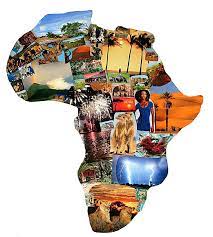
African Cuisine: Sharing Food and Culture
Welcome Back.
Updated at: 2023-08-06 14:39:51 (2 years ago by Melkisedeck Leon Shine)
π African Cuisine: Sharing Food and Culture π½οΈ
Greetings, fellow Africans! Today, I want to talk to you about an essential aspect of our identity: African cuisine. Our diverse continent is a melting pot of unique flavors, vibrant colors, and rich traditions. Through the act of sharing our food and culture, we have the power to unite as one strong and proud Africa. Let's embark on this culinary journey together! ππ½οΈ
1οΈβ£ Food, the Universal Language: Food has always played a vital role in bringing people together. Just like a warm bowl of Jollof rice or a hearty plate of injera, our cuisine has the ability to bridge cultural gaps and foster connections among different African nations. π
2οΈβ£ Embrace the Diversity: Africa is a continent of remarkable diversity, and this is beautifully reflected in our delicious dishes. From the aromatic spices of Moroccan tagines to the fiery flavors of West African suya, every bite tells a story of our rich history and heritage. Let's celebrate this diversity and take pride in our culinary treasures. πΆοΈπ₯
3οΈβ£ Ubuntu: Inspired by the African philosophy of Ubuntu, which means "I am because we are," let's embrace the spirit of unity and togetherness through our food. Just as a communal pot of Ugali brings families together around the table, let's use our cuisine to strengthen the bonds between our African brothers and sisters. π
4οΈβ£ Learning from History: Throughout history, we have witnessed the power of food in uniting nations. The Silk Road connected East and West through trade, bringing new spices and flavors to different cultures. Let's learn from this example and create our own "African Food Road," where traditional dishes and culinary techniques are shared and celebrated across our continent. π£οΈπ
5οΈβ£ Nelson Mandela once said, "It is in your hands, to make a better world for all who live in it." Let's remember these wise words and use our shared love for African cuisine as a tool to create a better future for all Africans. ππ
6οΈβ£ Breaking Barriers: Food has the power to transcend borders and break down barriers. As we sit around a table, enjoying a mouth-watering plate of fufu or sadza, let's reflect on how our common culinary experiences can bring us closer together and encourage a sense of belonging and unity. π½οΈ
7οΈβ£ The Power of Food Diplomacy: Just as diplomats use the power of dialogue to resolve conflicts, let's use the power of food to bring peace to our continent. Imagine if we held "African Food Festivals" where each nation showcased their unique cuisine, fostering understanding and appreciation among our diverse cultures. ππ
8οΈβ£ The African Food Network: Let's create an interconnected network of African chefs, food bloggers, and culinary enthusiasts who can exchange recipes, share experiences, and inspire one another. This virtual community will be a platform for us to celebrate our culinary heritage and promote African unity through the universal language of food. ππ©βπ³
9οΈβ£ A Taste of Africa: Encourage others to experience the flavors of Africa by inviting them to try African restaurants or hosting African food-themed events. By sharing the incredible tastes and aromas of our cuisine, we are not only promoting our culture but also inviting others to join us on our journey towards a united Africa. ππ΄
π Let's Connect: Share this article with your friends, family, and fellow Africans! Together, let's spread the message of unity and inspire others to embrace our diverse food and culture. Remember, it all starts with a shared meal and a genuine desire to bridge the gaps that divide us. πβ¨
In conclusion, African cuisine is not just about satisfying our taste buds; it is a powerful tool for uniting our continent. Let's honor our culinary traditions, celebrate our diversity, and use the language of food to build bridges among our African brothers and sisters. Together, we can create a stronger, more united Africa where our cultures and cuisines are admired and respected. ππ½οΈ
Updated at: 2025-03-02 19:34:40 (9 months ago by Melkisedeck Leon Shine)
```htmlAcross the African continent, diverse nations and cultures share a common thread: resilience. This shared spirit blossoms into powerful solidarity during crises, highlighting the inherent strength of unity. This article explores the profound importance of African unity, examining its historical context, global examples, and pathways toward a more prosperous and cohesive future.
The call for African unity resonates throughout history. Nelson Mandela's enduring words, "Unity is strength, division is weakness," encapsulate the collective power of unity. Visionary leaders like Kwame Nkrumah, who declared, "I am not African because I was born in Africa, but because Africa was born in me," inspire us to build a continent united in purpose. Their legacies fuel our efforts toward a shared future.
The European Union, despite its diverse member states, provides a powerful example of unity's transformative power. Its success in creating a thriving single market, fostering economic growth, and prioritizing peace demonstrates the potential of collaborative efforts. This serves as a valuable blueprint applicable to Africa's unique context, highlighting the potential for shared prosperity and stability through collaborative action.
Crisesβnatural disasters, conflicts, pandemicsβoften reveal humanity's best qualities. These challenging times underscore the crucial importance of collective action. Shared hardship strengthens bonds and emphasizes the significance of mutual support. Embracing solidarity during adversity not only overcomes immediate challenges but forges deeper connections and a stronger collective identity, fostering resilience for future challenges.
Africa's rich tapestry of cultures, languages, and traditions is not a source of division but a wellspring of strength. This vibrant diversity, a stunning mosaic, contributes to the continent's unique beauty and resilience. Embracing this diversity allows us to leverage varied skills, perspectives, and resources, creating a more vibrant and prosperous future for all. It's not a barrier, but a catalyst for progress.
Tribalism and ethnic divisions have long hampered progress. True unity requires transcending these historical divisions and fostering a shared African identity. Cultivating mutual respect, understanding, and collaboration across diverse communities is crucial. Focusing on shared humanity and aspirations helps overcome discord and build a more inclusive and harmonious future for all Africans.
African unity is not merely a social ideal; it is essential for economic development. Unifying resources, skills, and markets unlocks unprecedented economic opportunities. Imagine a continent where intra-African trade flourishes, investment flows freely, and tourism celebrates the rich diversity of landscapes and cultures. A unified approach unlocks collective economic prosperity, improving the lives of all citizens.
The COVID-19 pandemic highlighted the importance of solidarity in public health. The effective sharing of information, coordinated responses, and mutual aid among African nations demonstrated the power of collective action in safeguarding populations. Investing in robust healthcare systems, supporting medical research, and establishing mechanisms for collective action are essential steps toward health security for all Africans.
Education is a cornerstone of progress and unity. Prioritizing inclusive and quality education empowers citizens with the knowledge and skills to build a better Africa. Education fosters understanding, empathy, and a shared sense of purpose, creating a generation of engaged leaders committed to a unified continent. This investment is an investment in the future.
Africa's youth are the inheritors of this vision of unity. They have the responsibility and opportunity to drive positive change. By transcending borders, fostering collaboration, and building networks, young Africans can shape a future where unity is a vibrant reality, not a distant aspiration. Their energy and innovation are critical to success.
The East African Community exemplifies successful regional integration, showcasing the benefits of collaboration in promoting trade, infrastructure development, and peace. The African Union and its Agenda 2063 provide a roadmap for a unified and prosperous future. These successes inspire further action and reinforce unity's potential.
Cultural exchange builds bridges between diverse communities. Appreciating and celebrating each other's cultures breaks down stereotypes and fosters a stronger sense of belonging. Our music, art, cuisine, and traditions are the threads that weave us together as one African family. This shared heritage strengthens our bonds.
In times of crisis, the principles of ubuntuβcompassion, solidarity, and mutual supportβare paramount. Extending a helping hand strengthens our collective bond and demonstrates the true essence of African unity. Ubuntu embodies the spirit of a united Africa.
Social media offers unprecedented opportunities to connect, share stories, and spread messages of unity and hope. Using these tools effectively builds a virtual community that transcends geographical boundaries and unites us in our shared vision for the future. Technology can be a powerful tool for unity.
The time for action is now. Let us rise above differences and embrace the transformative power of solidarity. Let the spirit of unity guide our efforts, inspire our actions, and shape a future where a strong and united Africa thrives. Together, we can build a continent where prosperity, peace, and progress are shared by all. The future of Africa is in our hands.
```
Updated at: 2025-02-20 04:50:19 (9 months ago by Melkisedeck Leon Shine)
```htmlAcross the African continent, a vibrant tapestry of cultures, resources, and talents awaits its full potential. For too long, divisions have hindered our collective progress. Now, it's time to embrace a powerful force capable of transforming our continent: African Unity. This isn't merely a political ideal; it's the cornerstone of sustainable development, the key to unlocking a brighter, more prosperous future for all Africans.
Unity: The Foundation of Strength
The adage "unity is strength" rings truer than ever in the context of Africa. By collaborating across borders, sharing knowledge and expertise, and leveraging our collective resources, we can overcome seemingly insurmountable obstacles. Kwame Nkrumah's vision of a united Africa as "one of the greatest forces for good in the world" remains powerfully relevant. This unity transcends political boundaries; it fosters collaboration, innovation, and shared prosperity.
Economic Empowerment Through Integration
African unity holds the key to unlocking our continent's immense economic potential. A common market, devoid of trade barriers, will stimulate intra-African trade, create jobs, and attract foreign investment. Harnessing our abundant natural resources and fostering sustainable industries within our own borders will reduce reliance on external markets and build a resilient economy. Imagine a continent where economic growth benefits every citizen, driving prosperity from the grassroots up.
Celebrating and Leveraging Cultural Diversity
Africa's beauty lies in its rich tapestry of cultures, languages, and traditions. Instead of viewing our diversity as a source of division, we must embrace it as a source of strength. Nelson Mandela's wisdom highlights this truth: "It is in the diversity of languages and cultures that the beauty of a country lies." Celebrating our cultural heritage fosters a shared sense of identity and pride, strengthening the bonds of unity.
Building a Foundation of Peace and Stability
Sustainable development cannot flourish in an environment of conflict and instability. African unity is paramount to achieving lasting peace across the continent. Resolving conflicts through dialogue, strengthening regional organizations like the African Union, and investing in conflict resolution mechanisms are crucial steps. As Jomo Kenyatta wisely stated, "Our task is to make ourselves the architects of the future," building a peaceful and secure environment where progress can thrive.
Investing in Education and Innovation for a Brighter Tomorrow
Human capital is the engine of sustainable development. A united Africa must prioritize education and innovation. Sharing best practices, investing in quality education, and fostering a culture of lifelong learning will equip our youth with the skills needed to thrive in the 21st century. Nelson Mandela's powerful words resonate deeply: "Education is the most powerful weapon which you can use to change the world." Investing in our people is investing in our future.
Developing Critical Infrastructure for Connectivity and Growth
A significant obstacle to sustainable development is the infrastructure deficit plaguing many African nations. Through collaborative initiatives like the Trans-African Highway Network and the African Continental Free Trade Area, we can bridge this gap. By connecting our nations, improving transportation networks, and fostering economic integration, we will lay the foundation for lasting prosperity and unlock new opportunities for growth.
Prioritizing Health and Well-being for a Thriving Population
The well-being of our people is paramount. African unity allows us to tackle common health challenges more effectively. By sharing knowledge, resources, and expertise, we can combat diseases like malaria, HIV/AIDS, and Ebola. The COVID-19 pandemic underscored the crucial role of solidarity and cooperation in safeguarding the health of our nations. A healthy population is a productive population.
Protecting Our Environment for Future Generations
Environmental conservation is inextricably linked to sustainable development. African unity provides a framework for protecting our precious natural resources and mitigating the effects of climate change. By sharing sustainable practices, investing in renewable energy, and promoting conservation efforts, we can build a greener and more sustainable Africa for generations to come. Wangari Maathai's call for a "new level of consciousness" concerning environmental stewardship must be answered.
Empowering Women and Youth: Inclusive Development for All
True African unity must be inclusive and equitable. Empowering women and youth is not just a matter of social justice; it's a crucial driver of economic growth and sustainable development. Unlocking their full potential and ensuring their active participation in decision-making processes will foster a more just and prosperous society. Ellen Johnson Sirleaf's inspiring words remind us that we must dare to dream big: "If your dreams do not scare you, they are not big enough."
Learning from Global Success Stories
We can learn valuable lessons from other regions that have achieved remarkable progress through unity. The European Union serves as a compelling example of how a collection of formerly divided nations can transform into a thriving economic and political union. By studying their successes and adapting their strategies to our unique context, we can learn from their experiences and accelerate our own journey towards unity.
A Collective Call to Action
The path to sustainable development in Africa is paved with unity. By working together, embracing our diversity, and pursuing our shared goals, we can build a continent where prosperity and opportunity are available to all. Let us unite, not just as nations, but as a collective force driving progress and inspiring the world. Join us on this journey β share this message, spread the word, and ignite the flame of African unity in every heart. Together, we can build a brighter future for generations to come.
```
Updated at: 2025-02-23 14:45:30 (9 months ago by Melkisedeck Leon Shine)
The transformative power of science and technology is undeniable, and for Africa, embracing collaborative innovation is not merely advantageousβit's essential for progress and prosperity. As a continent rich in diverse talent and resources, we possess the inherent capacity to overcome shared challenges and build a brighter future. This requires a united front, harnessing our collective strengths to propel Africa to its rightful place as a global leader.
Historically, collaborative efforts have shaped Africa's trajectory. Ancient kingdoms like Mali, Ghana, and Songhai thrived through knowledge exchange and innovation, demonstrating the enduring power of unity. This legacy of cooperation forms the bedrock upon which we can build a modern, technologically advanced Africa.
Addressing the multifaceted challenges facing our continent necessitates a unified approach. Food security, healthcare access, and infrastructural development are critical areas demanding collaborative solutions. By pooling resources and expertise, we can transcend limitations and achieve tangible advancements across all sectors.
The vision of Pan-African unity, championed by leaders like Kwame Nkrumah, remains as relevant today as it was decades ago. His call to actionβ "Africa must unite or perish"βserves as a potent reminder of the interconnectedness of our destinies. Only through collaborative efforts can we effectively navigate the complexities of the modern world and secure a prosperous future for all Africans.
Drawing inspiration from successful international collaborations, such as the European Union, underscores the undeniable link between unity and progress. The EU's achievements serve as a testament to the transformative potential of collaborative ventures. By mirroring this model of cooperation, Africa can unlock its own potential for economic growth, social development, and global influence.
Imagine a future where African scientists, engineers, and innovators seamlessly collaborate across borders, leveraging their collective knowledge to tackle climate change, eradicate poverty, and ensure high-quality education for every child. This ambitious vision is not merely a dream; it's a tangible goal attainable through concerted, collaborative action.
Sustainable Agriculture: Collaborative efforts can lead to the development and implementation of sustainable agricultural practices, improving food security and mitigating the impacts of climate change on farming communities. Sharing best practices and adopting cutting-edge technologies will be crucial in ensuring food self-sufficiency across the continent.
Healthcare Advancement: Tackling the health challenges facing Africa, ranging from infectious diseases to limited healthcare access, demands a concerted, collaborative effort. Sharing research findings, pooling resources, and developing innovative solutions will be critical in improving healthcare infrastructure and ensuring the well-being of all Africans.
Infrastructure Development: The development of robust infrastructureβroads, bridges, power plants, and communication networksβis paramount for economic growth and regional integration. Collaborative efforts in infrastructure development will facilitate trade, create jobs, and significantly enhance the quality of life for all Africans.
Sustainable Resource Management: Africa is rich in natural resources. However, their sustainable extraction and utilization require a collaborative approach that ensures equitable benefits for all citizens and safeguards the environment for future generations. Collaborative research and development in this area are vital for responsible resource management and economic diversification.
Nelson Mandela's wisdomβ "A good head and a good heart are always a formidable combination"βperfectly encapsulates the spirit required for this collaborative endeavor. We must approach this challenge with both intellectual rigor and compassionate understanding, united by a shared vision of a prosperous and unified Africa.
Let us actively engage in fostering this spirit of unity. Share this message, initiate conversations, and inspire others to join this transformative movement. Together, we can reshape the narrative of Africa, building a legacy of progress and innovation that future generations will proudly inherit.
The power to unite Africa rests in the hands of each individual. Let us leverage the strength of collaboration, fueled by science and technology, to overcome our shared challenges and build a brighter future for all. United, we stand; divided, we fall. Let the journey towards a united and prosperous Africa begin now.
Updated at: 2025-02-28 11:06:33 (9 months ago by Melkisedeck Leon Shine)
Africa's potential for prosperity and unity remains hampered by the enduring legacy of colonialism. However, the post-colonial era presents a transformative opportunity to rewrite the continent's narrative, transcending artificially imposed divisions and embracing a shared destiny. This article explores the pathways towards a unified and decolonized Africa, emphasizing strategies for achieving sustainable peace, robust economic growth, and inclusive social progress.
The struggle against colonial rule stands as a powerful testament to the resilience and inherent unity of the African people. The words of Kwame Nkrumah β "Divided we are weak; united, Africa could become one of the greatest forces for good in the world" β remain profoundly relevant today. We must draw inspiration from our ancestorsβ liberation struggles, channeling that same spirit of collective action into building a unified and prosperous future for generations to come. This requires a concerted effort to overcome the artificial divisions inherited from the colonial era.
Arbitrary borders drawn by colonial powers continue to fracture natural affinities and shared cultural heritage across the African landscape. Genuine unity necessitates a concerted effort to dismantle these artificial barriers, recognizing the immense strength inherent in Africa's rich diversity. A unified Africa celebrates its multifaceted cultural tapestry, transforming differences into a wellspring of collective strength and innovation.
The European Union's success, despite the diversity of its member states, offers a compelling example of the viability of continental unity. While the African context is unique, valuable lessons can be gleaned from the EU's experience in fostering economic integration, promoting cross-cultural understanding, and establishing collaborative governance structures. Adapting these models to the specific circumstances of the African continent is crucial for achieving sustainable and inclusive progress.
The African Union (AU) serves as a vital platform for continental cooperation. However, its effectiveness hinges on strengthened institutional capacity, increased resources, and enhanced authority. To fully realize its potential, the AU requires the unwavering commitment and support of all member states, working collaboratively to champion African interests and foster unity across the continent. This includes addressing the underlying issues that hinder progress and ensuring transparency and accountability in the organizationβs operations.
The African Continental Free Trade Area (AfCFTA) represents a groundbreaking initiative with immense potential for accelerating economic growth. By dismantling trade barriers and promoting the free flow of goods and services, the AfCFTA can unlock the continent's vast economic potential, generating significant opportunities for entrepreneurship, attracting investment, and creating jobs across various sectors. Realizing this potential necessitates streamlined implementation and supportive policies to address any challenges that may arise.
Investing in quality education is paramount for building a unified and prosperous Africa. An education system that promotes Pan-African values, critical thinking skills, and cultural understanding is essential for preparing future generations to lead a united Africa. Empowering youth, especially those from marginalized groups, is crucial for building a truly inclusive and equitable society that leverages the full potential of its human capital.
Africa's rich tapestry of languages, traditions, and customs is a source of immense strength and pride. Embracing this diversity is not only essential for fostering a sense of belonging but also for creating a vibrant and dynamic society that authentically reflects the richness of the African experience. Promoting cultural exchange and celebrating our shared heritage will foster deeper mutual understanding and appreciation across communities.
The enduring spirit of resilience demonstrated throughout Africa's history should inspire our unwavering pursuit of unity. Nelson Mandela's words, "The greatest glory in living lies not in never falling, but in rising every time we fall," serve as a powerful reminder of our collective ability to overcome challenges and achieve our shared goals. The path to unity is not without obstacles, but the rewards of a unified and prosperous Africa are well worth the sustained effort.
Africa's abundant natural resources should be leveraged for the benefit of its people. Through unity and strategic collaboration, we can negotiate fair trade agreements, attract responsible investment, and ensure that the continent's wealth is utilized to drive sustainable development and improve the lives of all Africans. This requires establishing robust regulatory frameworks and promoting transparency and accountability in resource management.
A unified Africa demands mutual support and solidarity among its nations. By standing together in times of crisis, sharing resources strategically, and collaborating on common challenges, we can demonstrate the power of unity and enhance collective resilience. This includes fostering strong diplomatic ties and mechanisms for conflict resolution.
Achieving genuine inclusivity requires the active participation of women, youth, and marginalized groups in shaping Africa's future. Their perspectives and contributions are invaluable and must be actively sought and incorporated into all aspects of nation-building. This includes implementing policies that promote gender equality, youth empowerment, and the inclusion of marginalized communities in decision-making processes.
Pan-Africanism, the ideology of unity and solidarity among all people of African descent, serves as a powerful force for building a globally connected African community. Engaging the African diaspora is crucial for harnessing the talents and expertise of Africans worldwide, strengthening the collective pursuit of unity and shared prosperity.
Investing in cultural exchange programs, promoting cross-cultural understanding, and celebrating our shared artistic heritage are crucial for building bridges of understanding and appreciation between African communities. Through art, music, literature, and other forms of cultural expression, we can foster mutual respect and strengthen the bonds of unity across diverse communities.
The journey towards a united Africa is a collective endeavor that demands unwavering commitment, perseverance, and dedication from every African, regardless of background or location. Even small acts of unity contribute significantly to the collective effort. Let us work together to build a brighter and more united future for our continent, one that celebrates its diversity while embracing its shared destiny.
Join the movement. Share this vision, participate in discussions, and contribute to building a united and decolonized Africa. Together, we can transform the continent's immense potential into a vibrant and prosperous reality.
Updated at: 2023-08-06 13:47:05 (2 years ago by Melkisedeck Leon Shine)
π Breaking Down Borders: Promoting Free Movement in Africa π
1οΈβ£ Africa, our beloved continent, is a land of rich history, diverse cultures, and breathtaking landscapes. Yet, despite our shared heritage, we often find ourselves divided by borders and barriers that hinder our progress towards unity and prosperity.
2οΈβ£ It is time for us, as Africans, to rise above these limitations and break down the walls that separate us. By promoting free movement within Africa, we can create a stronger and more united continent that thrives on collaboration and mutual understanding.
3οΈβ£ Just imagine the possibilities if we were able to freely travel and explore the vast beauty of our neighboring countries. We could learn from each other's experiences, share knowledge, and build lasting connections that transcend borders.
4οΈβ£ History has shown us the power of free movement in fostering development and prosperity. Look at the European Union, where the free movement of people and goods has transformed the region into a global economic powerhouse.
5οΈβ£ One of the great African leaders, Kwame Nkrumah, once said, "I am not African because I was born in Africa, but because Africa was born in me." Let these powerful words resonate within us as we strive for unity and the dismantling of barriers that hold us back.
6οΈβ£ By promoting free movement, we can boost tourism across the continent, attracting visitors from all corners of the world to experience the wonders of Africa. This, in turn, will create jobs, stimulate local economies, and empower our people.
7οΈβ£ Let us take inspiration from the African Union's Agenda 2063, which envisions an integrated, prosperous, and peaceful Africa. Free movement is a cornerstone of this vision, as it encourages the free flow of ideas, trade, and cultural exchange.
8οΈβ£ We have witnessed the positive impact of free movement within regional blocs like ECOWAS and SADC. Now is the time to expand this concept across the entire continent, allowing all Africans to move freely and explore the vast opportunities awaiting them.
9οΈβ£ The benefits of promoting free movement are undeniable. It would encourage entrepreneurship, as individuals with innovative ideas could easily navigate the continent to find markets for their products and services.
π Moreover, free movement would facilitate access to education and healthcare for all Africans. Students could pursue their studies in the best institutions, while individuals in need of specialized medical care could seek treatment wherever it is available.
1οΈβ£1οΈβ£ Let us remember the words of Nelson Mandela, who said, "It is in your hands to create a better Africa for all who live in it." By advocating for free movement, we are taking a step towards fulfilling Mandela's dream of a united and prosperous Africa.
1οΈβ£2οΈβ£ But how can we achieve this goal? We must start by raising awareness among our fellow Africans about the importance of free movement and its potential benefits. Share this article and engage in conversations that promote unity and cooperation.
1οΈβ£3οΈβ£ We must also advocate for policy changes at the national and continental levels. Engage with your local representatives, community leaders, and organizations that champion African unity. Together, our voices will be heard, and change will come.
1οΈβ£4οΈβ£ It is time to leave behind the divisions of the past and embrace a future where our continent is united, prosperous, and respected on the global stage. Let us break down the borders and build bridges that connect us all.
1οΈβ£5οΈβ£ Africa, the time has come for us to rise, to unite, and to flourish. Let us be the generation that breaks down borders and embraces free movement, for the benefit of all Africans. Share this article and join the movement towards a united Africa! πππ
Updated at: 2023-08-06 14:39:41 (2 years ago by Melkisedeck Leon Shine)
Preserving African Languages: The Key to Cultural Unity π
Introduction: Greetings, fellow Africans! Today, we embark on a journey to explore the profound significance of preserving our native African languages. As we come together, hand in hand, we must recognize the power and beauty that lies within our diverse linguistic heritage. Let us reflect on the importance of preserving African languages as a crucial step towards achieving true cultural unity across the continent. ππ£οΈ
Uniting through Language: Language serves as the thread that weaves together the fabric of our diverse African societies. It is through our mother tongues that we connect with our roots, traditions, and deepest emotions. By preserving and promoting our African languages, we create a harmonious bridge between communities, fostering understanding and unity. ππ€
Cultural Identity: Our African languages are not merely a means of communication but a reflection of our rich cultural identities. They encapsulate our history, values, and worldview. Imagine the strength in embracing our cultural identities and the pride we can instill in future generations by allowing them to discover their roots through their ancestral languages. ππ₯π
Empowering Local Communities: Preserving African languages empowers local communities, giving them a voice in a world dominated by globalization. When we communicate in our native languages, we ensure that the stories, wisdom, and knowledge passed down through generations are not lost. By doing so, we strengthen the fabric of our communities and protect our collective heritage. ππͺπ
Unlocking Economic Potential: Our African languages hold tremendous economic potential. As we preserve and promote them, we open doors to cultural tourism, foreign language education, and translation services. By harnessing the power of our languages, we can create new job opportunities and boost economic growth throughout Africa. Let us seize these opportunities and showcase the beauty of our linguistic diversity to the world. πΌπ΅π
Learning from History: Throughout history, great African leaders have emphasized the importance of preserving our languages. As Nelson Mandela once said, "If you talk to a man in a language he understands, that goes to his head. If you talk to him in his language, that goes to his heart." These wise words remind us of the profound impact language has on cultural unity and understanding. Let us learn from the past and build a brighter future. πππ
The Global Context: We are not alone in recognizing the importance of language preservation. Nations across the globe have witnessed the power of preserving their native tongues. Think of the success stories of countries like India, Switzerland, and Canada, where linguistic diversity is celebrated and strengthens their national unity. Let us draw inspiration from these examples and create our own African success story. ππβ¨
Encouraging Language Education: To preserve our African languages, it is crucial that we invest in language education at all levels. By integrating our native languages into school curriculums, we can ensure that future generations are equipped with the tools to communicate and celebrate their heritage. Together, let us prioritize language education and pave the way for cultural unity across Africa. πππ£οΈ
Embracing Technology: In today's digital age, technology can play a significant role in preserving our African languages. From language learning apps to digital libraries, we have the power to leverage technology to document, revive, and share our linguistic treasures. Let us embrace these tools and ensure that our languages remain alive and vibrant for generations to come. π±π»π
Empowering African Women: Preserving our languages also empowers African women and gives them a stronger voice within their communities. By recognizing the crucial role women play in language transmission, we can ensure that their contributions are valued and respected. Let us create spaces where African women can actively participate in linguistic preservation and contribute to the unity of our continent. π©ππ£
Spreading the Message: Now that we understand the significance of preserving African languages, it is essential that we spread this message far and wide. Share this article with your friends, family, and communities, and encourage them to join the movement towards preserving our linguistic heritage. Together, we can create a united Africa, one language at a time. ππ’π
Reflect and Act: Take a moment to reflect on the languages spoken in your community. Are they being preserved? How can you contribute to their preservation? Engage with local language preservation initiatives, support indigenous language speakers, and make a conscious effort to use your native tongue whenever possible. Together, these small steps can lead to a profound impact and foster cultural unity. π€πͺπ
The Power of Unity: Imagine the power of a united Africa, where our diverse languages unite us rather than divide us. Through language preservation, we can bridge the gaps that centuries of colonization and division have created. Let us rise above our differences and celebrate the linguistic tapestry that makes Africa truly unique. Together, we can create a continent that stands strong and united. ππ€π
The Time is Now: The time for action is now. Let us embrace the challenge of preserving our African languages and build a future where cultural unity is at the forefront. By doing so, we honor our ancestors, celebrate our heritage, and pave the way for a stronger, more prosperous Africa. Together, we are unstoppable. ππͺβ¨
Closing Thoughts: Dear fellow Africans, preserving our languages is not just an act of linguistic conservation; it is a powerful tool for cultural unity, economic growth, and empowerment. Let us embark on this journey with determination, passion, and love for our diverse heritage. Together, we can inspire generations to come and create an Africa that stands tall, united, and proud. ππβ€οΈ
Share this article to spread the message of preserving African languages and inspire others to join the movement towards cultural unity. Together, we can build a brighter future for Africa! ππ€π£
Updated at: 2025-02-20 04:12:31 (9 months ago by Melkisedeck Leon Shine)
```htmlAfrica, a continent of vibrant cultures and immense potential, faces significant challenges in achieving universal human rights and social justice. This article explores the crucial steps we can take β collectively and individually β to build a brighter future for all Africans, a future defined by dignity, equality, and opportunity.
Our shared history is replete with examples of courageous leaders who fought tirelessly for justice and equality. Kwame Nkrumah's call to "face forward," not East or West, remains a powerful reminder of our collective responsibility to forge our own path towards a united and equitable Africa. Drawing inspiration from such figures, we must envision an Africa where human rights are not merely enshrined in law but lived realities for every citizen.
Education: The Foundation of Change
Promoting human rights and social justice begins with education. Understanding the Universal Declaration of Human Rights and its application within our diverse African contexts empowers us to become effective advocates for change. This knowledge is the bedrock upon which we build a more just society. We must actively seek out educational resources and engage in discussions that promote a deeper understanding of human rights principles and their practical applications.
Dialogue and Collaboration: Bridging Divides
Constructive dialogue is essential. We must create spaces for open and honest conversations, setting aside differences to find common ground. By engaging in respectful dialogue, we can identify the root causes of inequality and injustice and collaboratively develop effective solutions. This requires a commitment to empathy, understanding, and a willingness to listen to diverse perspectives.
Empowering Women and Girls: A Catalyst for Progress
Wangari Maathai's powerful words β "You cannot protect the environment unless you empower people, you inform them" β highlight the critical role of women's empowerment in achieving broader societal progress. Investing in women's education, healthcare, and economic opportunities is not just a matter of gender equality; it is fundamental to building a just and thriving society. Empowering women empowers entire communities.
Combating Poverty: A Moral Imperative
Poverty is a fundamental violation of human rights. We must advocate for policies that ensure equitable access to education, healthcare, and employment opportunities for all. Lifting individuals and communities out of poverty is a moral imperative and a vital step towards creating a more just and equitable society. This requires comprehensive strategies addressing systemic issues that perpetuate poverty.
Celebrating Diversity: Unity in Our Differences
Africa's rich tapestry of cultures is one of its greatest strengths. Embracing our diversity while recognizing our shared humanity is crucial for fostering unity and building a society that respects the rights of every individual, regardless of background. This celebration of diversity must be reflected in our policies and institutions.
Promoting Peace and Harmony: Unity Begins at Home
Promoting peace and harmony begins within our families and communities. Treating each other with respect, kindness, and love creates a ripple effect of positive change that extends throughout the continent. Building strong, resilient communities is the foundation for a peaceful and just society.
Accountable Governance: Upholding the Rule of Law
Nelson Mandelaβs words, "To be free is not merely to cast off one's chains but to live in a way that respects and enhances the freedom of others," underscore the importance of transparent and accountable governance. We must demand accountability from our leaders, ensuring that they uphold human rights and promote social justice. This requires active citizen engagement and a commitment to holding those in power responsible.
Investing in Education: A Path to Empowerment
Education is the cornerstone of progress. Ensuring every African child has access to quality education, regardless of socioeconomic background or gender, is paramount. Education empowers individuals, equips them with the tools to advocate for their rights, and breaks the cycle of poverty and injustice.
Collaboration and Collective Action: The Power of Unity
By collaborating, sharing resources, and exchanging ideas, we can create a powerful network of African changemakers committed to promoting human rights and social justice. Working together, we can achieve far more than we ever could alone. This collective action is the key to unlocking lasting change.
Learning from Global Experiences: A Shared Struggle
We can learn valuable lessons from global movements for human rights and social justice, from the American Civil Rights Movement to the anti-apartheid struggle in South Africa. These movements highlight the power of collective action and the importance of perseverance in the face of adversity.
Individual Responsibility: Being the Change
Mahatma Gandhiβs timeless advice, "You must be the change you wish to see in the world," reminds us that individual actions have a profound impact. By promoting human rights and social justice in our daily lives, we inspire others and create a ripple effect of positive change.
Join the Movement: Share, Engage, and Act
Share this article, engage in discussions, and actively participate in initiatives promoting human rights and social justice in your community. Together, we can create a united Africa where the rights of every individual are respected and social justice prevails. The journey towards a better Africa begins with each of us.
Let us work together to build a united and just Africa for all.
```
Updated at: 2025-02-20 06:19:22 (9 months ago by Melkisedeck Leon Shine)
Africa's future hinges on its ability to harness the full potential of its population. A critical, often overlooked element in achieving this lies in empowering women and promoting their leadership. Representing half of the continent's population, women possess a wealth of untapped talent, creativity, and insight crucial for driving progress and sustainable development. Their active participation is not merely a matter of gender equality; it's a strategic imperative for Africa's prosperity.
The historical contributions of African women underscore their capacity for impactful leadership. Figures like Queen Nzinga of Angola, who bravely resisted colonial oppression, exemplify the power of women to inspire and mobilize communities toward positive change. Their legacies serve as potent reminders of the transformative potential inherent in female leadership.
Promoting women's leadership is about building a more inclusive and equitable society. When women are afforded equal opportunities to lead β across all sectors β they address community-specific challenges with unique perspectives, resulting in more effective and sustainable solutions. This inclusivity fosters a sense of shared ownership and collective responsibility for societal advancement.
This empowerment extends far beyond political representation. Across various fields β from entrepreneurship and technology to education and healthcare β women are making significant strides, driving innovation and progress. Investing in women's leadership translates to a multiplier effect, uplifting communities and fostering economic growth.
Wangari Maathai's words resonate deeply: βIn the course of history, there comes a time when humanity is called to shift to a new level of consciousness, to reach a higher moral ground.β Embracing women's leadership is precisely this crucial shift, a necessary step toward achieving a more just and equitable future for all Africans.
The transformative power of gender parity in leadership is evident in countries like Rwanda, which boasts one of the world's highest percentages of women in parliament. This increased female representation has led to policies prioritizing education, healthcare, and economic development, benefiting the entire nation and demonstrating the positive societal impact of inclusive leadership.
Promoting women's leadership isn't about replacing men; it's about creating a balanced partnership. When men and women collaborate, decisions reflect a broader range of perspectives, leading to more sustainable and equitable outcomes. Embracing the principles of Ubuntu β recognizing our interconnectedness and shared humanity β fosters a collaborative environment where everyone thrives.
Africa's rich tapestry of cultures and traditions emphasizes community and unity. Harnessing this collective strength, we can create a future where women's leadership is the norm, not the exception. This collaborative effort is essential for building a continent where every citizen, regardless of gender, can flourish and contribute to societal progress.
Concrete steps towards promoting women's leadership include ensuring equal access to education and professional development opportunities. This equips women with the necessary skills and knowledge to assume leadership positions. Simultaneously, challenging deeply ingrained cultural norms and stereotypes that limit women's potential is paramount, creating a society that values and respects the contributions of all its members.
Let us, as Africans, unite in championing women's leadership. By sharing this message, inspiring one another, and working collaboratively, we can build a brighter, more prosperous, and equitable Africa for generations to come. Together, we can unlock the immense potential of half the continent's population and create a future where everyone thrives.
Updated at: 2025-03-02 15:02:15 (9 months ago by Melkisedeck Leon Shine)
```htmlAfrica, a continent of breathtaking landscapes, vibrant cultures, and rich histories, is often portrayed through a single, limiting narrative. This article challenges those stereotypes, celebrating the unparalleled diversity that defines our continent and advocating for a unified future.
From the rhythmic pulse of West African music to the ancient wisdom of East African traditions, from the breathtaking vistas of Southern Africa to the warm hospitality of North Africa, the continent's tapestry of cultures is unparalleled. This diversity is not a weakness, but our greatest strength. It's a source of innovation, resilience, and endless potential.
For too long, Africa has been subjected to reductive stereotypes, failing to capture the complexity and richness of its myriad cultures, languages, and traditions. We must actively challenge these misconceptions, replacing them with a multitude of narratives that reflect the vibrant reality of African life. We are not a monolith; we are a mosaic of unique identities, each contributing to the larger picture of African excellence.
History provides invaluable lessons in the power of unity. The struggles for independence led by visionary African leaders serve as powerful examples of the transformative potential of collective action. Nelson Mandela's enduring message, "It is in your hands to create a better world for all who live in it," resonates deeply as we strive to build a united Africa. This unity is not about uniformity; it's about harnessing our shared values to create a more prosperous and equitable future for all.
Despite our cultural differences, we share fundamental values, including the powerful concept of Ubuntu β a philosophy that emphasizes community, compassion, and interconnectedness. By focusing on this common ground, we can strengthen the bonds between diverse communities and overcome the barriers that divide us. Embracing Ubuntu fosters a sense of shared responsibility and collective progress.
Education is a crucial catalyst for change. Investing in educational opportunities across the continent empowers our youth, equipping them with the knowledge and understanding needed to bridge cultural divides and become ambassadors of unity. By fostering critical thinking and empathy, we can nurture a generation committed to building a better Africa.
The remarkable achievements of African individuals β from Nobel laureates to groundbreaking artists β are testament to the continent's exceptional talent and ingenuity. Showcasing these success stories is vital in challenging negative narratives and fostering a sense of pride in our diverse heritage. We must actively promote the contributions of African innovators, artists, and leaders on a global stage.
Collaborative initiatives that transcend national borders are essential for addressing shared challenges. Working together, we can effectively tackle issues such as poverty, climate change, and healthcare, creating lasting positive change. Through strategic partnerships and collaborative efforts, we can maximize our collective impact and create a more equitable society for all Africans.
Exploring the diverse landscapes and cultures of our continent through internal travel offers invaluable opportunities for personal growth and cross-cultural understanding. Experiencing the richness and diversity firsthand challenges stereotypes and fosters a deeper appreciation for the tapestry of African life. We should be enthusiastic travelers within our own borders, embracing the opportunity to learn and grow from one another.
Engaging Africa's youth is paramount. By creating platforms for their voices to be heard, fostering their leadership skills, and including them in discussions about the future of the continent, we can cultivate a profound commitment to unity that will shape generations to come. They are the architects of tomorrow's Africa, and their active participation is crucial.
While celebrating the unique characteristics of our individual cultures, we must also foster a strong Pan-African identity. This shared identity serves as a unifying force, empowering us to overcome challenges and work collectively towards shared goals. Learning from successful examples of continental unity, like the European Union, can help us build a strong and prosperous Africa for all.
Sporting events, such as the Africa Cup of Nations and the Olympics, provide exceptional platforms for celebrating our diversity and building camaraderie across cultures. The spirit of sportsmanship transcends borders, fostering friendships and mutual respect among participants and fans alike. These events showcase the unifying power of sport and celebrate Africa's shared passions.
We can learn valuable lessons from other parts of the world that have successfully fostered unity and cooperation. Studying their strategies and adapting them to the African context can strengthen our efforts towards building bridges across the continent. Comparative analysis and international collaboration can significantly enhance our progress.
Technology offers unprecedented opportunities for connection and collaboration. Utilizing social media and other online platforms to share stories, build networks, and engage in cross-border collaborations can significantly amplify our voices and showcase the genuine diversity of African experiences. The digital age presents invaluable tools for fostering unity and understanding.
Let us reject the stereotypes that have limited our potential. By embracing our diversity, emphasizing shared values, and working collaboratively, we can build a united Africa that is stronger, more prosperous, and more equitable than the sum of its parts. Let's join hands, share this message, and work together to create a united and prosperous future for all Africans.
```