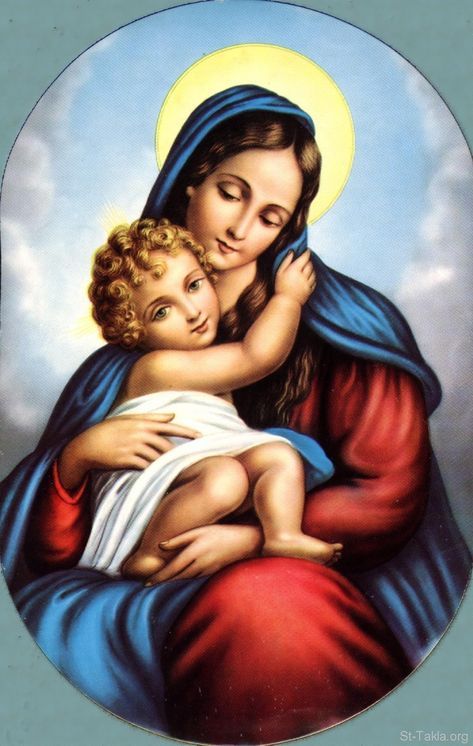
Mary's Assumed Role as Queen of Heaven
Welcome Back.
Updated at: 2023-08-05 13:19:32 (2 years ago by Melkisedeck Leon Shine)
π Mary's Assumed Role as Queen of Heaven π
When it comes to the role of the Virgin Mary, there is no denying the immense love and devotion that Catholics hold for her. At the center of this devotion is Mary's assumed role as the Queen of Heaven. But what does this title mean and why is it so significant in Christian Catholic spirituality?
1οΈβ£ According to Catholic belief, Mary's assumption into Heaven is a testament to her special place in God's plan for salvation. Just as Jesus ascended into Heaven after his resurrection, Mary, the Mother of God, was also assumed into Heaven, body and soul.
2οΈβ£ The assumption of Mary is not explicitly mentioned in the Bible, but it is deeply rooted in tradition and supported by biblical evidence. For instance, in the book of Revelation, we read about a woman crowned with twelve stars who gives birth to a male child. This woman is often interpreted as Mary, symbolizing her exalted status in Heaven.
3οΈβ£ The Catechism of the Catholic Church teaches that Mary's assumption is a "singular participation" in her Son's resurrection and an anticipation of the future resurrection of all believers. This elevates her to a unique position among the saints and confirms her role as Queen of Heaven.
4οΈβ£ Throughout the centuries, numerous Catholic saints and theologians have written about Mary's queenship. Saint John Damascene, for example, referred to her as the "Queen of all creation." Saint Louis de Montfort described her as the "Queen of saints" and the "Queen of angels."
5οΈβ£ In Catholic spirituality, Mary's queenship is seen as a reflection of her close relationship with Jesus and her role as the Mother of God. Just as a queen holds a special place of honor and authority in a kingdom, Mary holds a unique position of intercession and mediation before her Son.
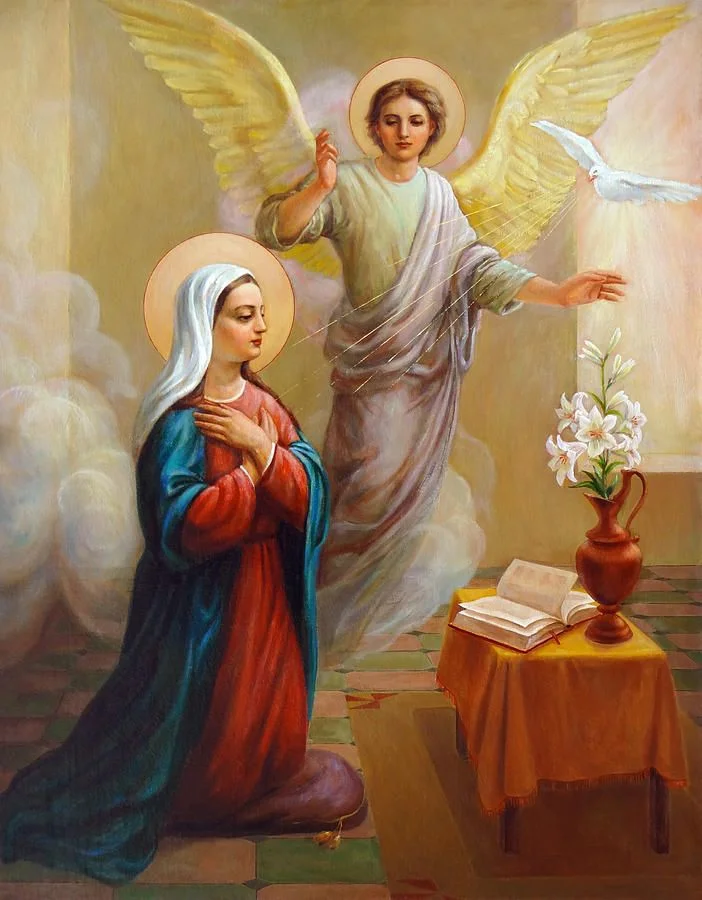
6οΈβ£ In the Gospel of Luke, the angel Gabriel greeted Mary with the words, "Hail, full of grace, the Lord is with you" (Luke 1:28). This greeting emphasizes Mary's unique role in God's plan and her holiness, which further supports her title as Queen of Heaven.
7οΈβ£ Mary's assumption and queenship are also connected to her perpetual virginity. Catholics believe that Mary, being the Mother of God, remained a virgin throughout her life and did not have any other children besides Jesus. This further emphasizes her purity and exalted status.
8οΈβ£ Jesus, in his infinite wisdom, entrusted Mary as our spiritual mother while he was dying on the cross. He said to John, "Behold, your mother" (John 19:27). This demonstrates Jesus' desire for us to turn to Mary as a motherly intercessor and advocate in our spiritual journey.
9οΈβ£ The early Church Fathers, such as Saint Augustine and Saint Jerome, also recognized Mary's queenship and her role as the New Eve. Just as Eve's disobedience brought sin into the world, Mary's obedience to God's will through her "yes" at the Annunciation reversed the effects of sin and brought forth salvation.
π The devotion to the Queen of Heaven is not meant to detract from the worship and adoration due to God alone. Instead, it serves as a way for Catholics to honor Mary as the most beloved and exalted creature, while acknowledging her unique relationship with her Son.
π Ultimately, the role of Mary as the Queen of Heaven invites us to deepen our relationship with her, seeking her intercession and following her example of faith and obedience to God. She stands as a powerful advocate for all believers, guiding us on our spiritual journey towards eternal life.
What are your thoughts on Mary's assumed role as Queen of Heaven? Do you find comfort and inspiration in her intercession and motherly love? Let us know your opinion!
Updated at: 2025-06-27 10:09:23 (5 months ago by Melkisedeck Leon Shine)
Mary as the New Eve: Restoring Humanity's Relationship with God
Introduction: A Theological Exploration of Marian Theology
This essay explores the pivotal role of Mary, the mother of Jesus, within Catholic theology, specifically examining her significance as the "New Eve." This concept rests on the juxtaposition of Eve's actions in the Garden of Eden, leading to humanity's estrangement from God, and Mary's actions, which facilitate humanity's reconciliation with the divine. Key concepts central to this analysis include the Immaculate Conception, Mary's fiat, and her role as intercessor, all viewed through the lens of theological anthropology and soteriology (the study of salvation). We will analyze these through the application of relevant theological principles and models, demonstrating their practical impact on the believer's spiritual journey.
The Immaculate Conception: A Foundation of Purity
The doctrine of the Immaculate Conception posits that Mary was conceived without original sin. This unique state of grace, absent in all other humans except Jesus, is crucial. It establishes Mary as a fitting vessel for the Incarnation β the embodiment of God in human form. This concept aligns with the theological principle of prevenient grace, suggesting a divine preparation paving the way for Christ's arrival. The Immaculate Conception, therefore, isn't merely a historical event but a theological necessity, highlighting God's proactive role in initiating humanity's redemption.
Mary's Fiat: Obedience as the Counterpoint to Disobedience
Mary's "fiat" β "Let it be to me according to your word" (Luke 1:38) β stands in stark contrast to Eve's disobedience. This act of complete surrender to God's will, exemplified in her acceptance of the Annunciation, represents a pivotal moment in salvation history. This can be analyzed through the lens of virtue ethics, emphasizing the significance of obedience as a cardinal virtue, crucial for the success of God's plan. Mary's obedience reverses the course of human history, initiating a new covenant based on faith and love, rather than on rebellion and self-will.
The Annunciation and the Incarnation: Reversal of the Fall
The Annunciation, the moment Gabriel announces Mary's role in bearing the Son of God, is presented theologically as a direct counterpoint to the Fall in the Garden of Eden. While Eve's disobedience brought sin and death, Mary's obedience initiates the triumph over sin and death through the Incarnation. This signifies a powerful reversal of the narrative of humanity's relationship with God, from separation to reconciliation. This parallels the concept of "kenosis," the self-emptying of God in becoming human, mirroring Maryβs self-giving in her fiat.
Mary as Intercessor: Advocate for Humanity
Throughout scripture and tradition, Mary is depicted as an intercessor, advocating for humanity before God. Her role at the wedding at Cana (John 2:1-11), where she prompts Jesus' first miracle, illustrates her compassionate concern for humanityβs needs. This resonates with the concept of mediatorship within Christian theology, where Mary acts as a bridge, facilitating communication and petitioning for grace and mercy on behalf of humanity. This mediating role is not meant to replace Christ's role as sole mediator, but it complements and amplifies His saving work.
Mary as Mother of the Church: Spiritual Motherhood
Jesus' entrusting of Mary to John, and by extension to the whole of humanity ("Woman, behold your son" John 19:26-27), establishes Mary as the spiritual Mother of the Church. This concept of spiritual motherhood reflects Maryβs role as nurturing and guiding the faithful on their journey toward God. This spiritual maternity is not a biological one but a spiritual bond, emphasizing her continuous guidance, protection, and intercession for believers in their spiritual lives.
Marian Titles: Reflecting Diverse Aspects of Her Role
Various titles attributed to Mary, such as "Queen of Heaven and Earth," "Blessed Virgin Mary," and others, each highlight a different facet of her role within the theological framework of the Catholic Church. These titles reveal a layered understanding of Maryβs significance, expressing her unique relationship with God and her crucial role in the redemptive work of Christ. They serve as theological affirmations reflecting the richness and depth of Marian devotion across centuries and theological traditions.
Mary's Assumption: A Glimpse of Eternal Life
The dogma of the Assumption, stating that Mary was taken body and soul into Heaven, signifies the ultimate reward for her faith and obedience. It stands as a powerful symbol of the hope of eternal life for all believers and exemplifies the triumph of grace over death, further demonstrating that the promise of salvation is ultimately victorious.
Devotions such as the Rosary: A Path to Spiritual Growth
Devotions like the Rosary, which involve meditating on the mysteries of Christ's life through the lens of Mary's experience, provide structured opportunities for spiritual growth and prayer. This highlights the importance of contemplative practices in nurturing the relationship between God and humanity, and underscores Mary's role as a model of faith and contemplation.
The Catechism and Sainthood: Affirmations of Theological Understanding
Both the Catechism of the Catholic Church and the testimonies of numerous saints reaffirm the significance of Mary's role in salvation history. These provide consistent theological articulation and personal witness, solidifying the doctrinal position within the larger context of Catholic belief and practice.
Conclusion and Recommendations: Implications and Future Research
Mary's role as the New Eve provides a powerful theological framework for understanding humanity's restoration with God. Her example of complete obedience, coupled with her compassionate intercession, offers a model of faith and devotion for believers today. Further research could explore the comparative analysis of Mary's role across different Christian denominations and traditions, offering a broader interfaith perspective on her significance. Additionally, investigating the impact of Marian devotion on various aspects of Christian life, such as social justice and ethical decision-making, would prove insightful. Finally, examining the psychological and spiritual benefits of Marian devotion and prayer on personal well-being could open new avenues of interdisciplinary research.
Reader Pool: What are the potential limitations or challenges in applying the βNew Eveβ paradigm to contemporary understandings of gender and equality within theological discussions?
Updated at: 2023-08-05 13:19:23 (2 years ago by Melkisedeck Leon Shine)
The Rosary: A Powerful Prayer Honoring Mary πΉπ«
Introduction: The Rosary is a beautiful and powerful prayer that holds a special place in the hearts of millions of Catholic Christians around the world. πβ¨ It is a prayer that encompasses the life and teachings of Jesus Christ through the intercession of the Blessed Virgin Mary, the Mother of God. πβ€οΈ In this article, we will explore the significance of the Rosary and why it is considered a powerful means of honoring Mary.
The Rosary as a Devotion to Mary: The Rosary is not only a prayer, but also a devotion that encapsulates deep love and reverence for the Blessed Virgin Mary. πΏπ Catholics believe that Mary, as the Mother of God, holds a special place in salvation history and plays a vital role in the lives of believers. π By praying the Rosary, we honor Mary's role in the life, death, and resurrection of her son, Jesus.
Biblical Basis for Honoring Mary: The honor and veneration given to Mary in the Rosary can be found in various biblical passages. One such example is the Annunciation, where the angel Gabriel greets Mary with the words, "Hail, full of grace, the Lord is with you" (Luke 1:28). ποΈ This indicates that Mary was chosen by God to bear the Son of God, making her worthy of our veneration and honor.
The Joyful Mysteries: The Rosary is divided into four sets of mysteries: the Joyful, Sorrowful, Glorious, and Luminous. The Joyful Mysteries focus on the joyful events in the life of Jesus and Mary, such as the Annunciation, the Visitation, and the Birth of Jesus. By meditating on these mysteries while praying the Rosary, we deepen our understanding of the profound love and joy that Mary experienced as the mother of Jesus. ππ
The Sorrowful Mysteries: The Sorrowful Mysteries invite us to meditate on the suffering and sacrifice of Jesus, as well as the immense sorrow that Mary endured as she stood at the foot of the Cross. Through these mysteries, we express our gratitude to Mary for her unwavering faith and strength in the face of immense pain and loss. πΉπ
The Glorious Mysteries: The Glorious Mysteries bring to mind the triumph of Jesus over death and the glory of His Resurrection. They also remind us of Mary's participation in the joy of her Son's victory. As we reflect on these mysteries, we honor Mary's role as the first disciple and her unwavering faith in the promise of eternal life. πβ¨
The Luminous Mysteries: The Luminous Mysteries were added to the Rosary by Pope Saint John Paul II in 2002. These mysteries shed light on the public ministry of Jesus, including His baptism, the Wedding at Cana, and the proclamation of the Kingdom of God. Through these mysteries, we honor Mary's presence and support throughout Jesus' ministry, as she played an integral role in His mission. π«π
The Rosary as a Powerful Prayer: Praying the Rosary is not only a means of honoring Mary but is also a powerful prayer that brings us closer to Jesus. The repetition of the Hail Marys allows us to enter into a state of deep meditation and contemplation, fostering a sense of peace and connection with God. ππ« The Rosary has been known to bring comfort, solace, and strength to those who pray it with a sincere heart.
The Intercession of Mary: In Catholic theology, Mary is believed to intercede for us and bring our prayers before her Son, Jesus. This belief is rooted in her unique role as the Mother of God and her unwavering faith. Through the Rosary, we ask Mary to intercede for us, to guide us, and to help us grow in our relationship with Christ. πΉπ
The Catechism of the Catholic Church: According to the Catechism of the Catholic Church, the Rosary is a form of prayer that brings about the following spiritual benefits: "among the Roman Catholic faithful, [it] occupies a place of honor because it favors the meditation of the Gospel in union with Mary, who was more intimately united with her son Jesus." (CCC 2708) ππΏ
Saints and the Rosary: Throughout history, numerous saints have testified to the power and efficacy of the Rosary. Saint Padre Pio once said, "The Rosary is the weapon for these times." π‘οΈπ« Saints such as Saint Dominic, Saint Louis de Montfort, and Saint Teresa of Calcutta were known for their devotion to the Rosary and attributed many graces and blessings to its practice.
Conclusion: The Rosary is a beautiful and powerful prayer that allows us to honor Mary, the Mother of God, while deepening our relationship with Jesus. It is a devotion that invites us to meditate on the mysteries of Christ's life, death, and resurrection, with the loving guidance of Mary. πΉποΈ Praying the Rosary brings us peace, strength, and a deeper understanding of God's love for us. Have you experienced the power of the Rosary in your spiritual journey? Share your thoughts and experiences below! πβ€οΈ
Updated at: 2025-06-21 20:39:40 (5 months ago by Melkisedeck Leon Shine)
```htmlIntroduction: This discourse examines the theological concept of Mary as the "New Eve," exploring her pivotal role in Christian theology as a counterpoint to Eve in the Genesis narrative. We will analyze key events in her life, drawing upon established theological principles and interpretations to illustrate her significance in restoring humanity's relationship with the divine. Key concepts include the Immaculate Conception, the doctrine of the Incarnation, and the Marian dogmas recognized by the Catholic Church. This analysis will apply these theological frameworks to understand Mary's influence on spiritual life, highlighting her intercession and maternal role.
The Immaculate Conception and Original Sin: The doctrine of the Immaculate Conception posits that Mary was conceived without original sin, a unique distinction among humanity. This freedom from original sin, understood through the lens of Augustinian theology on grace and the inherent human condition, made her a suitable vessel for the Incarnation. This concept, central to Catholic theology, establishes Mary's exceptional status within salvation history, allowing her to act as a mediator free from the limitations imposed on humanity by the Fall. This freedom directly combats the consequences of original sin that affected Eve and, subsequently, all humanity.
Mary's Fiat: Obedience and the Divine Plan: Mary's "fiat," her unwavering acceptance of the angel Gabriel's message (Luke 1:38), exemplifies perfect obedience to God's will. This act of complete surrender contrasts sharply with Eve's disobedience in the Garden of Eden. This theological comparison, often articulated through typological interpretations, positions Mary's obedience as crucial in reversing the effects of the Fall and initiating the process of redemption. Her 'yes' initiates God's salvific plan which is highlighted by various models of reconciliation.
The Annunciation: A Counterpoint to the Fall: The Annunciation, mirroring the events in the Garden of Eden, presents a powerful contrast. Whereas Eve's disobedience led to humanity's separation from God, Mary's obedience resulted in the Incarnation β God becoming human in the person of Jesus Christ. This pivotal event, foundational to Christian soteriology, offers a powerful counter-narrative to the Fall, highlighting the restorative power of faith and obedience.
Mary as the New Ark of the Covenant: The typology comparing Mary to the Ark of the Covenant (a sacred vessel containing God's presence in the Old Testament) emphasizes the sacred nature of her role. By carrying the Word made flesh within her, Mary embodies the presence of God among humanity. This analogy illuminates her status as a mediating figure between God and humanity, a bridge built to reconnect humanity with the divine after the rupture of the Fall. This concept highlights the importance of the sacred vessel that Mary represented.
The Visitation: A Manifestation of Grace: The Visitation, Mary's visit to Elizabeth, emphasizes the grace bestowed upon Mary and her role as a sanctifying force. Elizabeth's recognition of Mary's blessedness underscores Mary's holiness and the spiritual power she carries. This event showcases the powerful influence of Mary's holiness upon others, echoing the spread of grace through redemptive acts.
Mary's Intercession and Maternal Role: Throughout scripture and tradition, Mary is portrayed as a powerful intercessor. Her intercession at the wedding feast in Cana demonstrates her ability to bring humanity's needs before Christ. This role as an advocate demonstrates the profound love and compassion of Mary, emphasizing her desire to aid humanity in its path towards salvation. Her intercession is frequently described through the lens of maternal love and care.
Mary as Mother of Humanity: Jesus' entrusting of Mary to John (John 19:27) established Mary as the mother of all believers. This act extends Mary's maternal role beyond her biological son, encompassing all humanity. This maternal role provides a vital framework for understanding Mary's continued relationship with humanity, extending her love and care to believers worldwide.
Mary, Queen of Heaven and Earth: The title "Queen of Heaven and Earth" signifies Mary's exalted position in the heavenly realm and her reign alongside Christ in the kingdom of God. This title underscores her ultimate triumph over sin and death, emphasizing the victory achieved through Christ's sacrifice and Mary's unwavering faith.
The Assumption: A Sign of Hope and Redemption: The dogma of the Assumption, proclaiming Mary's bodily and soul ascension into heaven, affirms the ultimate triumph of grace over death and signifies the hope of eternal life promised to believers. This dogma offers encouragement to believers, providing a concrete example of the resurrection to which Christians aspire. This emphasizes the promises given by God to those in obedience and unwavering faith.
Devotional Practices: The Rosary and Marian Piety: Devotions like the Rosary serve as powerful means of connecting with Mary and drawing closer to God. By meditating on the life of Christ, the Rosary emphasizes Mary's contemplation of her Son and enables believers to unite their spiritual journey with Maryβs deep faith and reflection.
The Catechism and the Saints' Testimonies: The Catechism of the Catholic Church and the testimonies of countless saints affirm Mary's central role in salvation history. These emphasize the consistency of belief regarding Mary's significance and the enduring nature of her devotion within the Church. Their reverence reinforces her vital role within the Christian faith.
Personal Connection and Spiritual Growth: The concept of Mary as the New Eve is not merely a theological abstraction; it holds profound personal relevance for believers. Her example of faith, obedience, and unwavering love offers a roadmap for spiritual growth, guiding believers toward a deeper relationship with God.
Conclusion and Recommendations: This exploration of Mary as the New Eve reveals her profound significance in Christian theology and spirituality. Her life and actions, viewed through the lens of theological concepts and models, present a powerful counterpoint to the Fall, offering hope and redemption to humanity. Further research could explore comparative theology, analyzing other religious traditions' perspectives on similar archetypes of feminine figures associated with divine mediation. The impact of this research lies in reinforcing the theological significance of Mary and providing a framework for personal spiritual growth. This study's applicability extends to both theological studies and pastoral practice, deepening understanding and strengthening faith.
Reader Pool: Considering the theological interpretations presented, how might a comparative analysis of Mary's role with analogous figures in other religious traditions enhance our understanding of her significance within Christianity?
```
Updated at: 2023-08-05 13:19:53 (2 years ago by Melkisedeck Leon Shine)
Mary's Mediation: A Bridge to God's Grace
π Introduction
In the realm of Christianity, few figures hold as much reverence and devotion as the Virgin Mary, the Mother of God. She is a beacon of hope and a symbol of God's grace and love towards humanity. One aspect of Mary's role that devout Catholics hold dear is her ability to mediate between us and God. This article aims to explore the significance of Mary's mediation and how it can be a bridge to experiencing God's grace in our lives. πΉππ»
The foundation of Mary's mediation lies in her unique role as the Mother of God. This title, affirmed by the Church, signifies her intimate connection to Jesus Christ. Just as a mother can intercede for her child, Mary, as the Mother of God, holds a special place in interceding for us to her divine son. This bond allows her to guide us on our spiritual journey and direct our prayers towards Jesus. πΈβ¨
One of the reasons why Mary's mediation is so powerful is her unwavering humility. In the Gospel of Luke, we witness Mary's humble acceptance of God's will when she says, "Behold, I am the handmaid of the Lord; let it be to me according to your word" (Luke 1:38). Her humble disposition serves as an inspiration for us to surrender ourselves to God's plan and seek her guidance in doing so. ππΊ
A prime example of Mary's mediation can be found in the Wedding at Cana. When the hosts ran out of wine, Mary interceded with Jesus on their behalf, saying, "They have no wine" (John 2:3). As a result, Jesus performed his first miracle, turning water into wine. This incident showcases Mary's ability to present our needs to Jesus and obtain his grace and blessings for us. π·β¨
The Rosary is a cherished Catholic devotion that exemplifies Mary's mediation. By praying the Rosary, we enter into a profound spiritual experience, meditating on the life of Christ through the eyes of Mary. Each Hail Mary is a way to seek her intercession and invite her to connect us with Jesus. Through the Rosary, Mary becomes a bridge that leads us closer to God's grace. πΏπΉ
Just as the Ark of the Covenant was a sacred vessel that carried the presence of God in the Old Testament, Mary is seen as the new Ark of the Covenant in the New Testament. The Catechism of the Catholic Church states, "By her complete adherence to the Father's will, to his Son's redemptive work, and to every prompting of the Holy Spirit, the Virgin Mary is the Church's model of faith and charity" (CCC 967). Mary's role as the New Ark emphasizes her capacity to intercede for us and bring us closer to God's grace. πππ»
Throughout history, numerous Catholic saints have testified to the powerful intercession of the Virgin Mary. Saint Maximilian Kolbe, a martyr of Auschwitz, once said, "Never be afraid of loving the Blessed Virgin too much. You can never love her more than Jesus did." This demonstrates the deep love and devotion that saints have had towards Mary and the belief in her mediation as a means to experience God's grace. πβοΈ
Mary's mediation is further affirmed through various approved apparitions and messages attributed to her. From Lourdes to Fatima, countless individuals have reported encounters with the Virgin Mary, where she imparts messages of love, mercy, and the importance of prayer. These apparitions serve as a reminder of Mary's ongoing role in mediating between us and God, leading us on the path to his grace. π«πΉ
The Assumption of Mary is another aspect that emphasizes her unique role in God's plan. As declared by Pope Pius XII in 1950, Mary was assumed body and soul into heaven after her earthly life. This event highlights her special place in God's eternal plan and confirms her ability to intercede for us from the heavenly realms. The Assumption further solidifies Mary's role as the bridge to God's grace. ππΊ
The Catechism states that Mary's participation in the redemptive work of Christ makes her "a mother to us in the order of grace" (CCC 968). As members of the Mystical Body of Christ, we are united with Mary as our spiritual mother, and we can seek her intercession to experience God's grace in our lives. Mary's mediation becomes a channel through which God's abundant love and mercy flow. πβ¨
Mary's intercession holds great power due to her intimate relationship with Jesus. Just as a child may beseech their loving mother for help, we can turn to Mary with trust and confidence, knowing that she always leads us to her Son. Through her intercession, we can obtain the graces we need to navigate life's challenges and experience the transformative power of God's love. πππ»
πΉ Conclusion
Mary's mediation is a precious gift bestowed upon us by God. Through her unique role as the Mother of God, her humility, and her unwavering love for humanity, she stands as a bridge that connects us to God's grace. By seeking her intercession, praying the Rosary, and contemplating her example, we open our hearts to receive the abundant blessings and love that God desires to bestow upon us. May we always turn to Mary as the loving mother she is, trusting in her mediation to lead us to God's everlasting grace. What are your thoughts on Mary's mediation? How has she played a role in your spiritual journey? πΉπ
Updated at: 2025-06-05 10:44:09 (6 months ago by Melkisedeck Leon Shine)
This article explores the theological underpinnings and practical applications of Marian intercession within the Catholic faith. Key concepts, such as intercession, maternal piety, and sacramental theology, will be defined and examined within the context of Catholic doctrine and lived experience. Intercession, in this context, refers to the act of one person praying on behalf of another, invoking divine grace. Maternal piety signifies the devotional relationship between the faithful and Mary, seen as a loving mother figure. Sacramental theology explores the efficacy of divinely instituted means of grace, including prayer and the sacraments.
Theological Foundation of Marian Intercession: The Catholic Church affirms Mary's unique role in salvation history. Her fiat at the Annunciation (Luke 1:38), signifying her complete surrender to God's will, is a foundational element of this understanding. This event, within the framework of divine economy, establishes Mary's pivotal role in the Incarnation and Redemption. Her perpetual virginity and her presence at the foot of the cross (John 19:26-27) further emphasize her unwavering faith and compassion. These biblical narratives support the theological understanding of her ongoing intercession for humanity.
Mary's Intercession as a Manifestation of Divine Mercy: The concept of Mary's intercession is deeply rooted in the understanding of God's mercy. Through her prayers, God's grace is mediated, demonstrating His compassion and accessibility. The wedding at Cana (John 2:1-11), where Mary's intercession leads to Jesus's first miracle, exemplifies this mediation. This event can be interpreted through the lens of the "communicatio idiomatum," a theological concept highlighting the interconnectedness of the divine and human natures of Christ, suggesting that Mary's influence is an expression of Christ's own mercy.
Ecclesiological Implications: The Catechism of the Catholic Church explicitly addresses Mary's role as intercessor, highlighting her status as a member of the Church and a model for believers. Her intercession is not a replacement for personal prayer but rather an augmentation of it. This understanding is consistent with the ecclesiological principle of the communion of saints, where the faithful on earth, in purgatory, and in heaven are united in prayer and mutual support.
Historical and Contemporary Evidence: The veneration of Mary and the practice of seeking her intercession have a rich history, as evidenced by the writings of saints and theologians throughout the centuries. The devotion of the Rosary, a form of Marian prayer, demonstrates the enduring significance of her intercession within Catholic piety. Contemporary anecdotal accounts and personal testimonies also attest to the perceived efficacy of this form of prayer. While empirical validation is not possible, these accounts contribute to the lived experience and understanding of Marian intercession within Catholic communities.
Marian Intercession and Personal Spiritual Growth: Embracing Mary's intercession involves a deeper understanding of the complexities of grace and human agency. It encourages a spirit of humility and reliance on God's grace, fostering spiritual growth through a strengthened relationship with Christ. This process aligns with various models of spiritual development, emphasizing the importance of prayer, mentorship, and imitation of virtuous examples.
The Role of Mary in Salvation: Mary's role is not limited to personal blessings but extends to the salvation of souls. Her intercession is viewed as an aid to conversion and growth in faith, drawing individuals closer to Christ. The concept of co-redemption, though debated theologically, underscores Mary's participation in the redemptive work of Christ, offering a compelling context for understanding her supportive role in the salvation of humanity.
Conclusion and Recommendations: The practice of Marian intercession, firmly rooted in Catholic theology and tradition, offers a path to experiencing God's mercy and grace. It fosters a deeper relationship with Christ and encourages spiritual growth. Future research could explore the psychological and sociological aspects of Marian devotion, investigating its impact on the well-being of believers and the dynamics of faith communities. Further investigation into the intersection of Marian piety and contemporary challenges facing the Church is also warranted. The study of historical accounts of Marian apparitions and their impact on individual lives and communities might provide additional insight into the nature of Marian intercession. The efficacy of Marian intercession remains a matter of faith, yet its role in fostering spiritual growth and deepening the connection with God is significant. The continued study of this devotion is important for a comprehensive understanding of Catholic spirituality.
Reader Pool: Considering the theological arguments presented, how might the concept of Marian intercession be further articulated to resonate with contemporary audiences while upholding its traditional significance within the Catholic faith?
Updated at: 2025-06-26 11:20:46 (5 months ago by Melkisedeck Leon Shine)
```htmlMary's Intercession: A Pathway to Divine Grace
Introduction
Within the Christian faith, the Virgin Mary, Mother of God, occupies a position of profound reverence and devotion. This article explores the theological concept of Mary's intercession, analyzing its significance and its role as a conduit to experiencing divine grace. Key terms will be defined throughout, including intercession, divine grace, and the theological framework underpinning Marian devotion. The application of these concepts will be illustrated through scriptural examples, theological interpretations, and the lived experience of believers throughout history. We will examine Mary's role not just as a figure of devotion but as an active participant in the economy of salvation, focusing on the principle of ecclesial communion and its impact on individual spiritual growth.
1. Mary's Unique Ontological Status: Mother of God
The foundation of Mary's role as intercessor stems from her unique status as Theotokos, "Mother of God," a title affirmed by the Church. This christological assertion emphasizes her unparalleled connection to Jesus Christ. This intimate maternal bond forms the basis for understanding her capacity for intercession. Applying the theological framework of mediatorship, Mary's role is not one of usurping God's power, but rather of acting as a mediatrix, facilitating a closer relationship between humanity and God. This operates through a Trinitarian lens, acknowledging the inherent unity of the Godhead while affirming the distinct roles within the Trinity.
2. Mary's Humility: A Model of Fiat
Mary's unwavering humility, exemplified by her response, "Behold, I am the handmaid of the Lord; let it be to me according to your word" (Luke 1:38), serves as a powerful model of surrender to divine will. This profound act of obedience underscores a crucial aspect of Christian spirituality. This aligns with the concept of kenosisβthe self-emptying of Christβwhich also characterizes Mary's life. Her humble acceptance of God's plan establishes her as a role model for believers striving for spiritual maturity, illustrating the virtue of humility as essential for receiving grace. This concept of kenosis resonates with the principles of Christian ethics and the call for selfless service.
3. The Wedding at Cana: A Manifestation of Intercession
The miracle at Cana (John 2:1-11) provides a concrete example of Mary's intercession. Her appeal to Jesus, "They have no wine," demonstrates her capacity to present the needs of others to Christ. This event illustrates not only her compassionate nature but also her understanding of Christβs divine power and her willingness to engage in his ministry. This act serves as a paradigm for the role of intercession: actively advocating for the needs of others before God. Through this narrative, the Church demonstrates how God's grace is dispensed through human agency, showcasing Mary's collaborative role in God's plan.
4. The Rosary: A Liturgical Expression of Intercession
The Rosary, a significant Catholic devotion, directly reflects Maryβs role as intercessor. This structured prayer engages in a meditative contemplation of Christ's life through Mary's perspective. The repetitive nature of the Hail Mary acts as a vehicle for invoking her intercession. This practice aligns with liturgical theology, highlighting the efficacy of prayer within a structured framework that fosters spiritual communion and reflects the Church's tradition. Each decade, focused on specific mysteries of the faith, enhances the meditative practice and strengthens the petitionerβs connection with Mary and, ultimately, with God.
5. Mary as the New Ark of the Covenant: A Theological Symbol
The concept of Mary as the New Ark of the Covenant illustrates the continuity between the Old and New Testaments. Just as the Ark housed the presence of God in the Old Covenant, Mary, through her womb, carried and gave birth to the incarnate Word of God. This theological comparison highlights Maryβs central role in Godβs plan of salvation. The Catechism of the Catholic Church supports this interpretation, emphasizing Mary's role as a model of faith and charity. This symbolic representation establishes the enduring relevance of Mary's role within the evolving narrative of salvation history, connecting the Old Testament foreshadowings to the fulfillment in Christ.
6. The Witness of the Saints: A Historical Perspective on Intercession
The devotion to Mary's intercession is deeply rooted in the lived experience of numerous saints throughout history. Their testimonies demonstrate a profound faith in her ability to connect humanity to Godβs grace. This historical perspective provides empirical evidence of the power of Marian devotion and highlights the efficacy of prayer through Mary. Such testimonies demonstrate the enduring role of Mary as a source of comfort and spiritual guidance within the broader context of the Catholic tradition.
7. Marian Apparitions and Messages: Contemporary Expressions of Faith
Approved Marian apparitions, such as Lourdes and Fatima, reinforce Mary's ongoing intercessory role. These purported occurrences provide a contemporary lens through which to understand the continued relevance of Mary's mediation. These apparitions, though subject to rigorous theological and historical scrutiny, emphasize the enduring importance of prayer, repentance, and faith in Godβs mercy. These accounts demonstrate the ongoing spiritual significance of Mary within the collective consciousness of the faithful.
8. The Assumption: A Celebration of Mary's Glorification
The dogma of the Assumption of Mary highlights her unique destiny and her elevated status within the context of salvation history. Her bodily assumption into heaven affirms her complete union with God and underscores her ongoing intercession from a heavenly perspective. This doctrine underscores the ultimate victory of Christ and the hope of salvation for believers. The Assumption serves as a testament to the triumph over death and a reflection of the eschatological hope central to Christian faith.
9. Mary's Role in the Mystical Body of Christ: Ecclesial Communion
Maryβs role within the Mystical Body of Christ reinforces her ongoing connection to the Church and her active participation in the sacramental life of the faithful. As spiritual Mother, she guides and supports the Church in its mission of evangelization. This theological perspective illustrates the importance of Mary within the context of the larger community of faith and underscores her role in fostering ecclesial communion. The concept of the Mystical Body highlights the interconnectedness of all believers and Mary's position as a pivotal figure within that unity.
10. The Efficacy of Mary's Intercession: Theological Reflection
The effectiveness of Maryβs intercession is rooted in her intimate relationship with Jesus and her unwavering devotion to Godβs will. This is not understood as a bypassing of Godβs sovereignty, but rather as a reflection of the unity within the Trinity and the collaborative nature of Godβs plan of salvation. This understanding underscores the importance of faith and trust in the power of prayer and acknowledges Mary's role as a powerful advocate and guide on the path towards divine grace.
Conclusion and Recommendations
The concept of Mary's intercession, rooted in scripture, tradition, and the lived experience of believers, presents a rich theological tapestry that informs and enhances Christian spirituality. This exploration demonstrates that her role is not one of supplanting Godβs grace, but rather of facilitating a pathway to it. Further research could explore the comparative study of Marian devotion across various Christian denominations, examining the varying interpretations of Mary's role and the nuances of intercessory prayer. This analysis could benefit from incorporating sociological and anthropological methods to understand the cultural and social aspects of Marian devotion. Understanding the various perspectives on Mary's role fosters interfaith dialogue and a more complete understanding of her significance within Christianity. The application of these findings can enrich pastoral care, offering a deeper understanding of the spiritual needs of believers and providing effective spiritual direction in seeking divine grace through Mary's intercession.
Reader Pool: What are the potential implications of varying interpretations of Mary's intercession on interfaith relations and ecumenical dialogue?
```
Updated at: 2023-08-05 13:19:38 (2 years ago by Melkisedeck Leon Shine)
Mary's Role as a Model of Purity and Holiness
πIntroductionπ
In the Catholic faith, Mary, the Mother of God, holds a special place of honor and reverence. Not only was she chosen by God to bear His only Son, Jesus, but she exemplified purity and holiness throughout her life. Mary's unwavering commitment to her faith and her role as a model of purity and holiness serves as an inspiration for Catholics around the world. Let us explore and celebrate the remarkable qualities that make Mary a shining example for all of us.
1οΈβ£ Mary's Immaculate Conception One of the fundamental beliefs of the Catholic Church is Mary's Immaculate Conception. This doctrine affirms that Mary was preserved from the stain of original sin from the moment of her conception. This unique privilege allowed her to be a vessel worthy of carrying the Son of God. The Catechism of the Catholic Church states, "The most Blessed Virgin Mary was, from the first moment of her conception, by a singular grace and privilege of Almighty God and by virtue of the merits of Jesus Christ, preserved immune from all stain of original sin" (CCC 491).
2οΈβ£ Mary's Virginity Mary's perpetual virginity is another aspect of her role as a model of purity and holiness. Despite being married to Joseph, Mary remained a virgin before, during, and after the birth of Jesus. This extraordinary commitment to her vow of virginity demonstrates her unwavering devotion to God's plan. Matthew 1:25 states, "But he did not consummate their marriage until she gave birth to a son. And he gave Him the name Jesus."
3οΈβ£ Mary's Faithfulness Throughout the Gospels, Mary's faithfulness shines through as she embraces her role as the Mother of God. When the angel Gabriel appeared to her and announced that she would conceive Jesus by the power of the Holy Spirit, she responded, "Behold, I am the handmaid of the Lord; let it be to me according to your word" (Luke 1:38). Mary's total surrender to God's will and her unwavering faithfulness inspire us to trust in God's plan for our lives.
4οΈβ£ Mary's Humility Mary's humility is another admirable quality that sets her apart as a model of purity and holiness. Despite being chosen by God for a unique and unprecedented role, Mary never sought recognition or praise for herself. Instead, she humbly accepted her mission and recognized that all glory belongs to God alone. In Luke 1:48, Mary proclaims, "For He has looked on the humble estate of His servant. For behold, from now on all generations will call me blessed."
5οΈβ£ Mary's Intercessory Role As Catholics, we believe in the power of Mary's intercession. Just as Mary interceded for the couple at the wedding in Cana (John 2:1-11), she continues to intercede for us before her Son, Jesus. The Saints of the Catholic Church have attested to the effectiveness of Mary's intercession. St. Maximilian Kolbe once said, "Never be afraid of loving the Blessed Virgin too much. You can never love her more than Jesus did."
6οΈβ£ Mary's Compassion Mary's compassion for others is evident throughout the Gospels, particularly in her journey to visit her cousin Elizabeth. Mary's willingness to support and care for others shows us the importance of extending kindness and love to those around us. This compassionate nature is a key aspect of her role as a model of purity and holiness.
7οΈβ£ Mary's Obedience Mary's obedience to God's commands is a testament to her purity and holiness. Despite the challenges she faced, such as fleeing to Egypt with Joseph and Jesus to escape King Herod's wrath, Mary remained obedient to God's will. Her obedience serves as a reminder that surrendering ourselves to God's plan leads to a life filled with purity and holiness.
8οΈβ£ Mary's Perseverance Mary's unwavering perseverance in the face of difficulties and trials inspires us to remain steadfast in our faith. From witnessing her Son's crucifixion to enduring the ridicule and doubts of others, Mary never wavered in her commitment to God. Her perseverance serves as a beacon of hope for all those facing adversity.
9οΈβ£ Mary's Magnificat In the Gospel of Luke, Mary's beautiful prayer of praise known as the Magnificat reveals her deep gratitude and love for God. Her words, "My soul magnifies the Lord, and my spirit rejoices in God my Savior" (Luke 1:46-47), remind us of the importance of praising God in all circumstances. Mary's prayerful spirit encourages us to cultivate a grateful heart and to recognize God's goodness in our lives.
πConclusionπ
Mary's role as a model of purity and holiness is an inspiration for all Catholics. Her unwavering faith, humility, compassion, obedience, perseverance, and prayerfulness serve as a guide for us in our own spiritual journeys. Let us learn from her example and strive to imitate her virtues in our daily lives. As we honor Mary, the Mother of God, let us seek her intercession and ask for her guidance on our path towards purity and holiness.
What are your thoughts on Mary's role as a model of purity and holiness? How has her example influenced your own spiritual journey?
Updated at: 2023-08-05 13:19:47 (2 years ago by Melkisedeck Leon Shine)
Mary's Assumption: A Sign of Her Heavenly Glory
πβ¨πΉ
Introduction: In the realm of Christian Roman Catholic spirituality, one event that shines brilliantly is the Assumption of the Blessed Virgin Mary. This extraordinary occurrence is a testament to her heavenly glory and divine favor. Let us dive deeper into the significance of Mary's Assumption, exploring its biblical foundation and the teachings of the Catholic Church.
Mary, the Immaculate Conception: To understand the Assumption, we must first acknowledge Mary's unique role as the Mother of God. According to Catholic belief, Mary was conceived without original sin, a doctrine known as the Immaculate Conception. This exceptional purity and holiness make her worthy of the heavenly glory that awaits her.
Mary's Special Bond with Jesus: Mary's Assumption reflects her profound connection with her son, Jesus Christ. As the mother who gave birth to the Son of God, she played an unparalleled role in salvation history. It is fitting that she shares in the heavenly reward of eternal life alongside her beloved son.
Biblical Evidence: Although the Assumption is not explicitly mentioned in the Bible, there are biblical passages that allude to this extraordinary event. In Revelation 12:1, Mary is described as a woman clothed with the sun, with the moon under her feet. This celestial imagery may symbolize her assumption into heaven, a place of eternal light and glory.
The Assumption in the Catholic Catechism: The Catholic Church, guided by the Holy Spirit, has affirmed the Assumption as a dogma of faith. According to the Catechism of the Catholic Church, paragraph 966, "The Immaculate Virgin, when the course of her earthly life was finished, was taken up body and soul into heavenly glory." This official teaching emphasizes the honor bestowed upon Mary by God.
The Church Fathers: Throughout history, esteemed Catholic saints and theologians have provided insight into the Assumption. St. John Damascene, an eighth-century theologian, wrote, "It was fitting β¦ that she, who had kept her virginity intact in childbirth, should keep her own body free from all corruption even after death." Such reflections highlight the belief in Mary's bodily assumption into heaven.
A Foretaste of Our Own Destiny: Mary's Assumption also offers hope to believers. It serves as a reminder that our earthly bodies, though subject to decay and mortality, can be transformed into glorified bodies in heaven. Just as Mary's assumption foreshadows our destiny, we are encouraged to live in a way that aligns us with the heavenly glory promised to us by God.
The Assumption as a Sign of God's Love: Mary's Assumption is a testament to God's love for her and all humanity. It reveals His desire to elevate and honor those who faithfully follow His will. This divine gesture of love further strengthens our devotion to Mary, inspiring us to seek her intercession and emulate her example of faith, humility, and obedience.
Mary, Our Advocate: As Catholics, we believe in the powerful intercession of the Blessed Virgin Mary. Since the Assumption confirms her heavenly glory, we can approach her confidently, seeking her prayers and assistance. Mary, as our advocate, presents our petitions to her Son, Jesus Christ, and intercedes on our behalf.
The Crown of Mary's Assumption: Just as a crown adorns the head of a queen, Mary's Assumption crowns her immaculate life. It is the final act of divine recognition for her unwavering faith, her 'yes' to God's plan, and her role as the Mother of God. Her assumption into heaven is a glorification of her whole being, body, and soul.
The Assumption as a Call to Holiness: Contemplating Mary's Assumption urges us to strive for holiness in our own lives. It prompts us to deepen our relationship with God, seek reconciliation, and live virtuously. Mary's example teaches us that by surrendering ourselves to God's will, we too can share in the heavenly glory that awaits us.
Conclusion: Mary's Assumption is a remarkable sign of her heavenly glory, a testament to her unique role as the Mother of God. Although not explicitly mentioned in the Bible, the Catholic Church affirms this event through divine revelation and the teachings of the Church. Let us reflect on Mary's Assumption, seeking inspiration from her life and intercession as we journey towards our own heavenly destiny.
Do you view Mary's Assumption as a sign of her heavenly glory? What other aspects of Mary's life inspire you in your spiritual journey as a Christian Catholic? Leave your thoughts and reflections below. πππΉ
Updated at: 2023-08-05 13:20:26 (2 years ago by Melkisedeck Leon Shine)
The Devotion to Our Lady of Lourdes: Healing and Renewal
πΉ Introduction: Our Lady of Lourdes holds a special place in the hearts of millions of Catholics around the world. This devotion centers around the apparitions of the Blessed Virgin Mary to a young girl named Bernadette Soubirous in Lourdes, France, in 1858. These apparitions have become a source of healing and renewal for countless individuals seeking solace and faith.
π The Power of Prayer: One of the main aspects of the devotion to Our Lady of Lourdes is the power of prayer. Catholics believe that by turning to the intercession of the Blessed Virgin Mary, they can find comfort, solace, and even physical healing. The act of prayer itself is a powerful way to connect with the divine and seek guidance in times of need.
π§ The Healing Waters: Lourdes is renowned for its miraculous healing waters. According to the accounts of Bernadette, Our Lady directed her to a spring, which still flows today, and encouraged her to drink from it and bathe in its waters. Many pilgrims flock to Lourdes in search of physical healing, and numerous cases of unexplained medical recoveries have been reported.
π Biblical Examples: The devotion to Our Lady of Lourdes is deeply rooted in biblical teachings. Throughout the Bible, we see examples of Mary's intercession and her role as a motherly figure to all believers. In the Gospel of John, Jesus entrusted His mother to the care of the beloved disciple, symbolizing her maternal role in the spiritual life of the faithful.
π Mary, Mother of God: As Catholics, we hold a deep love and reverence for the Virgin Mary, the Mother of God. She is not only the mother of Jesus, but also our spiritual mother, who cares for us in times of joy and sorrow. The devotion to Our Lady of Lourdes allows us to deepen our relationship with Mary and seek her guidance and intercession.
πΏ Healing of Body and Soul: The devotion to Our Lady of Lourdes encompasses both physical and spiritual healing. It is believed that through Mary's intercession, we can find healing not only for our bodily ailments but also for the wounds of our souls. The waters of Lourdes symbolize the cleansing and renewal of our spirits, reminding us of the healing power of God's love and mercy.
ποΈ The Peace of Mary: Our Lady of Lourdes brings a sense of peace and comfort to those who turn to her in prayer. Just as Mary stood at the foot of the Cross, she stands with us in our trials and tribulations, offering her motherly support and guidance. In times of turmoil, the devotion to Our Lady of Lourdes can bring a sense of serenity and tranquility to our hearts.
πΉ The Rosary: The recitation of the Rosary is an integral part of the devotion to Our Lady of Lourdes. This beautiful prayer allows us to meditate on the life of Jesus and seek the intercession of Mary. By praying the Rosary, we can find solace in Mary's loving presence and experience the transformative power of this spiritual practice.
π The Sacrament of Reconciliation: Alongside prayer and devotion, the sacrament of reconciliation plays a vital role in the healing and renewal offered by Our Lady of Lourdes. By confessing our sins and seeking God's forgiveness, we can experience a profound healing of our souls and a restoration of our relationship with Him.
π The Catechism of the Catholic Church states, "Mary's function as mother of men in no way obscures or diminishes this unique mediation of Christ but rather shows its power. All her saving influence on men originates... from the divine pleasure. This is the special aspect of the mediation of the Mother of God in the economy of grace" (CCC 970).
πΉ Saint Bernadette and the Miraculous Apparitions: The young girl Bernadette Soubirous played a crucial role in the apparitions of Our Lady of Lourdes. Despite facing skepticism and doubt, her unwavering faith and devotion to Mary have inspired countless believers. St. Bernadette's humble example reminds us of the power of faith and the transformative impact it can have on our lives.
ποΈ "Do whatever He tells you": These words spoken by Mary at the Wedding at Cana (John 2:5) encapsulate the essence of the devotion to Our Lady of Lourdes. Mary always directs us towards her Son, Jesus, and encourages us to follow His teachings. By imitating Mary's obedience and trust in God, we can experience healing and renewal in our own lives.
π« The Universal Appeal: The devotion to Our Lady of Lourdes transcends borders, cultures, and languages. Millions of pilgrims from all walks of life come to Lourdes each year, seeking healing and renewal. This international community of faith demonstrates the universal appeal and power of Mary's intercession, which knows no boundaries.
π "Hail Mary, Full of Grace": The angel Gabriel's greeting to Mary (Luke 1:28) is echoed in the prayers and hymns of the faithful. The devotion to Our Lady of Lourdes invites us to contemplate the immense grace bestowed upon Mary and, in turn, upon all believers. Through her intercession, we can receive the grace necessary for healing and renewal in our lives.
πΊ Conclusion: The devotion to Our Lady of Lourdes offers a pathway to healing and renewal for those who seek solace and faith in their lives. Through prayer, the healing waters of Lourdes, and the intercession of Mary, we can experience the transformative power of God's love. May the devotion to Our Lady of Lourdes inspire us to deepen our faith, trust in God's mercy, and seek healing in all aspects of our being.
πΉ What are your thoughts on the devotion to Our Lady of Lourdes? Have you experienced healing and renewal through her intercession? Share your thoughts and experiences below!