Mary's Humility and Its Influence in Our Lives
Welcome Back.
Updated at: 2023-08-05 13:19:44 (2 years ago by Melkisedeck Leon Shine)
๐ Mary's Humility and Its Influence in Our Lives ๐
In the realm of spirituality and piety, few figures stand as revered and beloved as Mary, the Mother of God. As a devout Christian Roman Catholic, I have come to truly appreciate the profound humility exemplified by Mary in her life. It is through her unwavering humility and surrender to God's will that we can find inspiration and guidance for our own spiritual journeys. Let us explore the ways in which Mary's humility can influence and enrich our lives.
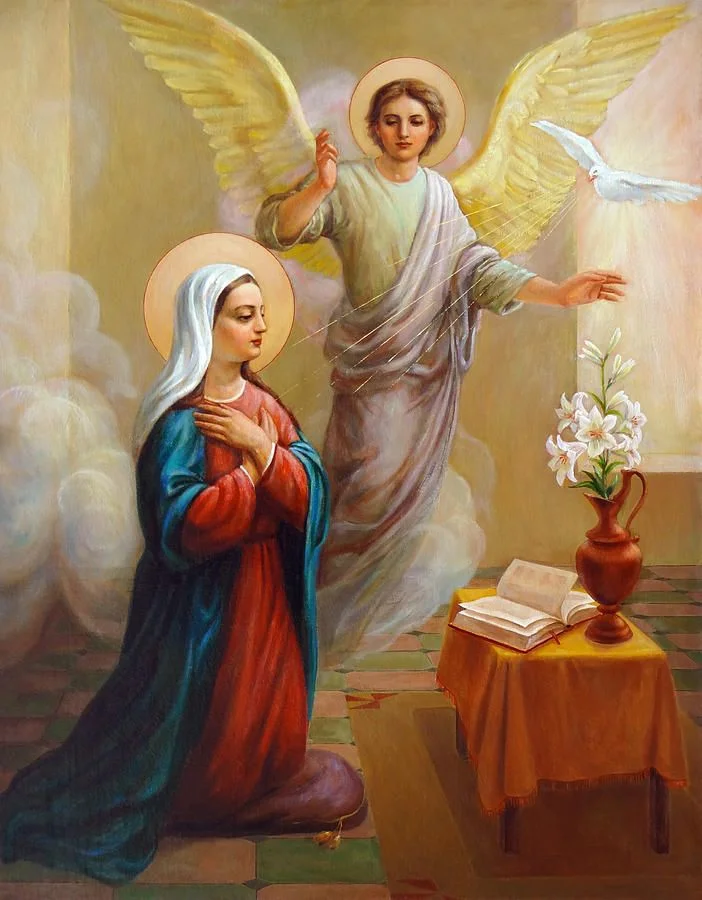
1๏ธโฃ Mary's acceptance of God's plan: When the angel Gabriel announced to Mary that she would bear the Son of God, she humbly accepted this monumental task, saying, "Behold, I am the handmaid of the Lord; let it be to me according to your word" (Luke 1:38). Her willingness to submit to God's will without hesitation is a powerful example of humility.
2๏ธโฃ Mary's role as the Mother of God: As Catholics, we believe that Mary was chosen by God to bear His Son, Jesus Christ. This extraordinary calling required immense humility on Mary's part, as she recognized that she was playing a vital role in God's plan for salvation. Her humility in accepting this role sets an example for us to embrace our own unique callings in life.
3๏ธโฃ Mary's Magnificat: In the Gospel of Luke, Mary delivers a powerful hymn of praise known as the Magnificat. In this beautiful prayer, Mary acknowledges her lowly state and magnifies the greatness of God. Her humility is evident as she proclaims, "He has looked with favor on the lowliness of his servant" (Luke 1:48). Mary's Magnificat inspires us to humbly recognize God's blessings in our lives and offer Him praise.
4๏ธโฃ Mary's presence at the foot of the Cross: One of the most poignant examples of Mary's humility is her unwavering presence at the crucifixion of Jesus. Despite witnessing the unimaginable pain and suffering of her Son, Mary remains steadfast and humble. Her willingness to endure such emotional anguish exemplifies her profound humility and unwavering faith.
5๏ธโฃ Mary's intercession and humility: As Catholics, we believe in the intercession of the saints, including Mary. Mary's humility allows her to intercede on our behalf and bring our prayers to her Son, Jesus. Through her humility, she becomes a powerful advocate for us in our spiritual journey.
6๏ธโฃ Mary's humility as a model for motherhood: Mary's role as a mother is a testament to her humility. She nurtured and cared for Jesus with a humble and selfless love, always putting God's will above her own desires. As mothers, we can look to Mary as a model of humility and strive to emulate her selflessness in our own lives.
7๏ธโฃ Mary's humility in the face of adversity: Throughout her life, Mary faced many challenges and hardships. From the flight to Egypt to the loss of Jesus in the temple, she remained humble and faithful. Her example teaches us to embrace humility even in the midst of difficult circumstances.
8๏ธโฃ Mary's humility as a source of strength: In her humility, Mary found strength in God's grace. She recognized her own weaknesses and relied on God for guidance and support. We too can find strength in humility, acknowledging our dependence on God and His infinite love for us.
9๏ธโฃ Mary's humility as a path to holiness: The Catechism of the Catholic Church teaches us that humility is the foundation of prayer and the key to receiving God's grace (CCC 2559). Mary's life of humility serves as a roadmap for our own pursuit of holiness, reminding us to humbly surrender ourselves to God's will.
๐น In conclusion, Mary's humility serves as an inspiration for Christians worldwide. Her unwavering faith and steadfast humility continue to guide and transform our lives. As we reflect on her example, let us strive to emulate her humility, surrendering ourselves to God's will and trusting in His infinite wisdom. May Mary, the Mother of God, continue to intercede for us and lead us closer to her Son, Jesus Christ. ๐น
What are your thoughts on Mary's humility and its influence in our lives? How do you personally incorporate her example into your spiritual journey?
Updated at: 2023-08-05 13:19:18 (2 years ago by Melkisedeck Leon Shine)
Title: Devotion to the Immaculate Heart of Mary: An Endearing Journey of Faith ๐น๐
Introduction: The devotion to the Immaculate Heart of Mary is a beautiful aspect of Catholic spirituality that invites us to deepen our love and connection with the Mother of God. As Christians, we recognize Mary's unique role in salvation history, her unwavering faith, and her profound love for humanity. Through this devotion, we can experience her maternal care, entrusting our lives and intentions to her loving intercession.
Mary, the Immaculate Conception: The Catholic Church teaches that Mary was conceived without original sin, making her the Immaculate Conception. This extraordinary privilege bestowed upon her by God allows her heart to be a pure vessel of love, grace, and compassion for all of humanity.
Mary's Fiat: In the Gospel of Luke, we witness Mary's profound faith and surrender to God when she said, "Behold, I am the handmaid of the Lord; let it be done to me according to your word" (Luke 1:38). Through her "fiat," Mary teaches us the importance of trusting in God's plan for our lives, even when it may be challenging or unknown.
Our Heavenly Advocate: Just as Mary interceded for the couple at the wedding in Cana (John 2:1-11), she continues to intercede for us before her Son, Jesus Christ. Our devotion to her Immaculate Heart allows us to approach her with our joys, sorrows, and supplications, knowing that she will present them to her Son on our behalf.
The Power of the Rosary: The Holy Rosary is a cherished prayer in the Catholic Church, and it holds a special place within the devotion to the Immaculate Heart of Mary. By contemplating the joyful, sorrowful, glorious, and luminous mysteries, we enter into a deeper understanding of Christ's life while seeking the guidance and protection of our Heavenly Mother.
The Message of Fatima: In 1917, the Blessed Virgin Mary appeared to three shepherd children in Fatima, Portugal, delivering a powerful message of repentance, prayer, and devotion to her Immaculate Heart. This event serves as a reminder of Mary's desire for us to draw closer to her and to follow her example of holiness.
The Symbolism of the Immaculate Heart: The image of the Immaculate Heart represents Mary's deep love for God and humanity. It is often depicted as a heart pierced with thorns, symbolizing the sorrows she endured during her Son's passion and death. Through our devotion, we can console her heart by offering acts of love and reparation.
The Promises of the Immaculate Heart: Throughout history, Mary has made promises to those who embrace her Immaculate Heart. These promises include spiritual protection, peace, and the graces necessary for salvation. By entrusting ourselves to Mary's heart, we open ourselves to the abundant blessings she wishes to bestow upon us.
The Catechism of the Catholic Church on Mary: The Catechism reminds us that Mary holds a unique place in salvation history, stating, "Mary's role in the Church is inseparable from her union with Christ" (CCC 964). It further emphasizes the importance of devotion to Mary, highlighting her as the "Mother of God" and the "first disciple" of Jesus Christ.
Saints and Devotion to Mary: Throughout the centuries, numerous saints have expressed their devotion to the Immaculate Heart of Mary. St. Maximilian Kolbe, for instance, had a deep love for the Blessed Virgin and founded the Militia Immaculata, an organization dedicated to spreading devotion to Mary worldwide.
The Assumption and Coronation of Mary: The Assumption and Coronation of Mary are significant events in Catholic theology. The Assumption refers to Mary being taken body and soul into heaven, while the Coronation symbolizes her reign as Queen of Heaven and Earth. These events highlight Mary's exalted role and her perpetual intercession for us.
Conclusion: Devotion to the Immaculate Heart of Mary is a profound expression of our love and trust in the Mother of God. Through this devotion, we are invited to embrace her as our Heavenly Mother, seeking her intercession, guidance, and protection. Let us turn to her Immaculate Heart with childlike faith and ask for her motherly care in every aspect of our lives. What are your thoughts on devotion to the Immaculate Heart of Mary? How has it impacted your spiritual journey?
Updated at: 2025-06-05 14:47:53 (8 months ago by Melkisedeck Leon Shine)
```htmlThis article explores the concept of intercession, specifically focusing on the Blessed Virgin Mary's role within Catholic theology. Intercession, in a religious context, refers to the act of one person praying on behalf of another. In Catholic belief, Mary's intercession holds unique significance due to her relationship with Jesus Christ. This exploration will draw upon biblical accounts, theological doctrines, and devotional practices to illuminate Mary's intercessory power and its implications for Catholic faith and practice.
The Catholic Church views Mary not merely as the mother of Jesus but as the "Theotokos," or God-bearer, a title reflecting her central role in the divine plan of salvation. This unique relationship provides the theological basis for her intercessory power. The concept of intercession aligns with the principle of communion of saints, where believers intercede for one another, and ultimately, all prayers are directed toward God. Mary's unique position, however, is believed to enhance the effectiveness of her prayers. This can be understood through the lens of relational theology, emphasizing the importance of relationships within the divine economy. Mary's intimate relationship with Jesus, her Son, is seen as a conduit for bringing humanity's needs before God.
Several biblical passages illustrate Mary's intercessory role. The Wedding at Cana (John 2:1-11) serves as a prime example. Mary's awareness of the wedding party's need and her subsequent appeal to Jesus highlight her compassion and her confidence in her Son's ability to provide. Jesus' response, performing his first miracle, reinforces the efficacy of her intercession. This episode illustrates the principle of divine responsiveness to prayer, mediated through Mary's act of intercession. This event exemplifies the model of "divine pedagogy," where God uses events to instruct and enlighten humanity.
Another pivotal moment is at the foot of the Cross (John 19:26-27), where Jesus entrusts his mother to John, establishing Mary as the mother of all believers. This act signifies Mary's ongoing spiritual motherhood and her continuous intercession for the Church and its members. This event can be analyzed through the lens of "vicarious suffering," where Mary shares in the suffering of Christ and thus empathizes deeply with the struggles of humanity, making her a powerful intercessor.
The Catechism of the Catholic Church further supports the doctrine of Marian intercession, emphasizing that invoking Mary's intercession is an act of acknowledging our dependence on God's mercy and recognizing Mary's special relationship with the divine.
The efficacy of Marian intercession is reflected in various Catholic devotions. The Rosary, a contemplative prayer focused on the mysteries of Christ's life, integrates petitions for intercession through Mary. This devotional practice can be analyzed using the framework of "spiritual exercises," designed to cultivate spiritual growth and a deeper relationship with God through Mary's mediation. Similarly, liturgical practices, such as the Marian feasts and the Litany of Loreto, formally recognize and invoke her intercessory role.
Numerous saints, such as St. Louis de Montfort, have written extensively on the power of Marian intercession, emphasizing its role in spiritual growth and closeness to Christ. Their theological reflections provide additional insights into the depth and significance of this concept within the Catholic tradition. These writings offer valuable examples of "spiritual direction" and its practical application to the faith.
The scope of Mary's intercession is believed to encompass all aspects of human lifeโspiritual, physical, and emotional. Her intercession is not understood as replacing our own direct relationship with God, but rather as complementing and strengthening it. It is a form of spiritual mentorship and guidance, wherein Mary guides us towards a deeper relationship with God, mirroring the concept of "spiritual companionship." The belief in the miraculous nature of her intercession stems from the understanding of God's power and Mary's privileged position within the divine economy.
The depiction of Mary in Revelation 12:1-6, as the "woman clothed with the sun," signifies her ongoing intercession for the Church and humanity throughout history. This depiction demonstrates the concept of "eschatological hope," representing Mary's continued role in the journey towards salvation. The countless testimonies of miraculous interventions attributed to Mary's intercession underscore the faith-based conviction in the efficacy of her prayers.
The belief in the Blessed Virgin Mary's intercession is a central tenet of Catholic faith, rooted in theological doctrine, biblical accounts, and centuries of devotional practice. Understanding this belief requires an appreciation of Catholic theology, particularly the concepts of the communion of saints, divine pedagogy, vicarious suffering, spiritual exercises, and spiritual companionship. Further research could explore the sociological and psychological aspects of Marian devotion, examining the impact of Marian intercession on the lives of believers and its role in shaping religious identity and community. This research could employ qualitative methodologies such as interviews and case studies to gather personal testimonies and explore the lived experiences of those who invoke Mary's intercession. Furthermore, comparative theological studies could examine the concept of intercession in other religious traditions to provide a broader understanding of the phenomenon. The practical application of the understanding of Marian intercession lies in fostering a deeper relationship with God through prayer and devotion, enhancing one's spiritual growth, and cultivating a spirit of compassionate service to others.
Reader Pool: What are your insights on the effectiveness of Marian intercession in fostering spiritual growth and community building within the Catholic Church?
```
Updated at: 2023-08-05 13:20:19 (2 years ago by Melkisedeck Leon Shine)
Mary's Assumed Role as Queen of All Creation
๐ Introduction ๐
In the world of Christianity, there is arguably no figure more revered and beloved than the Virgin Mary, the Mother of God. Her importance and significance within the Roman Catholic faith cannot be overstated. While many Christians recognize her as the mother of Jesus Christ, there is a belief among Catholics that she holds a special place as the Queen of All Creation. Let us delve deeper into this fascinating aspect of Mary's role and explore the reasons behind this belief.
1๏ธโฃ Mary, the Mother of God ๐
The Catholic Church strongly believes that Mary is the Mother of God, as the Bible clearly states in Luke 1:43, "And why has this happened to me, that the mother of my Lord comes to me?" The term "Mother of God" emphasizes the divine nature of Jesus, and by extension, Mary's unique role in salvation history.
2๏ธโฃ Mary's Perpetual Virginity ๐น
Contrary to popular belief, the Catholic Church teaches that Mary remained a virgin throughout her life, even after the birth of Jesus. This is supported by biblical passages such as Matthew 1:25, which states, "But he had no marital relations with her until she had borne a son; and he named him Jesus." This perpetual virginity highlights Mary's purity and her exceptional status as the chosen vessel through which God entered the world.
3๏ธโฃ Mary, the New Eve ๐
The Catholic Church draws a parallel between Mary and Eve, the first woman mentioned in the Bible. While Eve's disobedience brought sin and death into the world, Mary's obedience and submission to God's will brought forth salvation through Jesus Christ. As Saint Irenaeus beautifully described it, "the knot of Eve's disobedience was untied by the obedience of Mary." This further emphasizes the role of Mary as a pivotal figure in God's plan for humanity.
4๏ธโฃ The Assumption of Mary ๐บ
One of the key beliefs within Catholicism is the Assumption of Mary. This doctrine asserts that at the end of her earthly life, Mary was taken body and soul into heaven. This belief is not explicitly mentioned in the Bible but is rooted in the early Christian tradition. Pope Pius XII declared this dogma in 1950, stating, "The Immaculate Mother of God, the ever-virgin Mary, having completed the course of her earthly life, was assumed body and soul into heavenly glory." This assumption further solidifies Mary's unique role in salvation history and her queenship over all creation.
5๏ธโฃ Mary, Queen of Heaven and Earth ๐
The Catholic Church believes that Mary's assumption into heaven elevated her to the position of Queen of Heaven and Earth. Just as the queens of old were given a special place of honor and authority, Mary is seen as the Queen who intercedes for humanity before her Son, Jesus. This belief is beautifully expressed in the words of Saint Bernard of Clairvaux, "Mary has merited to be the Queen of all things, because she consented to be the Mother of the Creator."
6๏ธโฃ The Queenship of Mary in the Catechism ๐
The Catechism of the Catholic Church, in paragraph 966, states, "Finally, the Immaculate Virgin, preserved free from all stain of original sin, when the course of her earthly life was finished, was taken up body and soul into heavenly glory, and exalted by the Lord as Queen over all things." This clearly affirms the belief in Mary's queenship and her exalted role in the spiritual realm.
7๏ธโฃ Devotion to Mary among the Saints ๐
Countless Catholic saints have expressed their deep devotion and veneration for Mary, acknowledging her as the Queen of All Creation. Saint Louis de Montfort, known for his profound Marian devotion, once said, "Devotion to our Lady is necessary for salvation, and that (devotion) is an infallible mark of eternal predestination." This demonstrates the strong spiritual connection and love that many saints have had for Mary throughout history.
8๏ธโฃ Mary, Our Spiritual Mother ๐
Just as Mary is the mother of Jesus, Catholics believe that she is also our spiritual mother. In John 19:26-27, Jesus tells the beloved disciple, "Woman, behold, your son!" and to the disciple, "Behold, your mother!" By giving Mary to the disciple, Jesus symbolically gave her to all of us, entrusting her with our spiritual well-being. This deepens our connection to Mary and solidifies her role as the Queen of All Creation.
9๏ธโฃ The Intercessory Power of Mary ๐
Catholics believe that Mary, as the Queen of All Creation, has a special intercessory role. Just as a queen intercedes on behalf of her people, Mary intercedes for us before her Son, Jesus. This belief is rooted in the Wedding at Cana, where Mary, recognizing the needs of the people, asked Jesus to perform his first miracle. This powerful intercession continues to this day, as we turn to Mary in times of need, confident that she will bring our petitions before her Son.
๐ค Opinion ๐ค
As we reflect on Mary's assumed role as Queen of All Creation, it is essential to approach this belief with an open heart and a willingness to deepen our understanding of our Catholic faith. Do you find comfort and inspiration in Mary's exalted position? How does it strengthen your connection to God? Share your thoughts and opinions.
Updated at: 2025-06-21 23:06:30 (7 months ago by Melkisedeck Leon Shine)
Introduction: Defining Key Concepts
This discourse examines the multifaceted role of Mary, Mother of God, within the Catholic Church, focusing on her function as a unifying figure. We will explore her theological significance, drawing upon biblical accounts, ecclesiological pronouncements, and the lived experiences of Catholic believers. Key concepts underpinning this analysis include Mariology (the theological study of Mary), Ecclesiology (the study of the Church), and the application of Social Identity Theory to understand the unifying aspects of shared religious beliefs and practices. Furthermore, the concept of intercession, Mary's role in mediating between God and humanity, will be central to this exploration.
Mary's Theological Significance and Her Role in Salvation History
Catholic theology posits Mary's unique role in salvation history, beginning with the Annunciation (Luke 1:28). The angel Gabriel's greeting, "Hail, full of grace," underscores Mary's divinely chosen status as the Theotokos, the "God-bearer." This pivotal event, interpreted through the lens of incarnational theology, highlights the divine initiative in human salvation, manifested through Mary's consent. Her subsequent Magnificat (Luke 1:46-55), a hymn of praise reflecting both humility and profound faith, further illustrates her integral role in God's redemptive plan. Analyzing Mary's response through the framework of virtue ethics reveals her exemplary qualities of faith, hope, and charity.
The Proclamation of Mary as "Mother of the Church" and its Ecclesiological Implications
Pope Paul VI's 1964 declaration of Mary as "Mother of the Church" (Mater Ecclesiae) significantly enhances her ecclesiological status. This title transcends a purely symbolic role, signifying her active participation in the life of the Church. Her maternal care, as depicted in the Gospels, extends beyond her earthly relationship with Jesus to encompass all believers. Understanding this through the prism of sacramental theology illuminates Mary's role as a mediator of grace, facilitating a closer relationship between humanity and God. Applying the concept of spiritual motherhood, we see Mary not just as the mother of Christ, but as the mother of the faithful, guiding and nurturing the Church.
Mary as a Unifying Force: Devotion, Intercession, and the Lived Experience of Faith
Mary's role as a unifying force within the Catholic faith stems from her position as a pivotal figure in salvation history and her continuous intercession for the faithful. Devotional practices, such as the Rosary and the Hail Mary, foster a sense of shared identity and communal spirituality amongst Catholics. These practices function according to the social identity theory where shared beliefs and rituals create a sense of belonging and cohesiveness. The powerful narratives surrounding Marian apparitions, from Guadalupe to Lourdes, further solidify her presence and generate a sense of collective faith and hope, emphasizing the relational aspect of spiritual life. Analyzing Marian apparitions through a sociological lens can offer insights into their impact on collective belief systems and cultural identity.
Mary's Influence on Spiritual Formation: Holiness, Obedience, and the Example of Fiat
Mary's life embodies a profound example of holiness, obedience, and trust in Godโs will, as evident in her fiat, her "yes" to God's plan (Luke 1:38). Her unwavering faith serves as a powerful model for spiritual growth and a testament to the transformative power of divine grace. Analyzing her actions through the lens of spiritual formation, specifically models of spiritual disciplines and growth, we see the impact of her complete surrender to God's will on her life and how it serves as a pattern for believers. Her example inspires personal transformation by encouraging the adoption of faith, humility, and devotion to God's will, which can be interpreted through various theological frameworks of virtue and transformation.
Mary's Role in the Eucharist and the Ongoing Presence of Christ
Mary's intimate connection to the Eucharist underscores her profound role in the Catholic faith. Just as she bore Jesus in her womb, she is believed to spiritually participate in every celebration of the Mass. This connection emphasizes the Real Presence of Christ, fostering a deeper understanding of the Eucharist's centrality to Catholic life. Analyzing this connection through the lens of eucharistic theology, we find that Mary's presence at the Mass underscores the importance of the sacramental life and deepens the meaning of Christ's sacrifice.
Conclusions and Recommendations
Mary, Mother of the Church, serves as a powerful unifying figure within Catholicism. Her theological significance, as established through scriptural analysis and ecclesiological pronouncements, provides a foundation for understanding her ongoing role in the Churchโs life. Her maternal role, manifested in various devotional practices and the shared faith of believers, fosters a sense of community and belonging. Further research could explore the cross-cultural impact of Marian devotion, exploring how Maryโs role as a unifying figure transcends different socio-cultural contexts. Additionally, research into the psychological and sociological effects of Marian devotion on the mental and emotional wellbeing of individuals would be beneficial. Finally, examining how the concept of spiritual motherhood is interpreted and applied in diverse theological traditions and communities can broaden our understanding of her unifying role across different religious backgrounds.
Reader Pool:
Considering the multifaceted nature of Mary's role within Catholic theology, how might a deeper exploration of her significance contribute to fostering unity and dialogue within and beyond the Catholic Church?
Updated at: 2023-08-05 13:20:08 (2 years ago by Melkisedeck Leon Shine)
Title: Mary's Role in the Redemption of Humanity: A Divine Calling
Introduction: ๐ Welcome, dear readers, to this enlightening discussion on the extraordinary role of Mary, the Mother of God, in the redemption of humanity. As a devout Christian Roman Catholic, I am delighted to share with you the profound significance and spiritual depth of Mary's divine calling. Let us embark on this journey together, as we explore the biblical examples, Catholic teachings, and the immense love we have for Mary, the Mother of God.
Mary, the Chosen One: ๐น From the moment of her conception, Mary was chosen by God to be the vessel through which His divine plan for the redemption of humanity would be fulfilled. In Luke 1:28, the angel Gabriel greets Mary with these words, "Hail, full of grace, the Lord is with thee!" Her unique and singular role as the Mother of God was foretold in the Old Testament, as prophesied by Isaiah (7:14) and Micah (5:2).
Mary's Immaculate Conception: ๐บ Through the grace of God, Mary was conceived without original sin, in what is known as the Immaculate Conception. This extraordinary privilege, defined by the Catholic Church and confirmed by the Catechism of the Catholic Church (CCC 491), ensured Mary's purity and made her a fitting vessel to carry the Son of God.
Mary's Fiat: ๐ Mary's response to the angel Gabriel's message demonstrates her unwavering faith and obedience to God's plan. In Luke 1:38, she humbly says, "Behold, I am the handmaid of the Lord; let it be done to me according to your word." This humble surrender to God's will exemplifies Mary's pivotal role as the New Eve, who undid the disobedience of the first Eve through her perfect obedience.
Mary, the Mother of God: ๐ In Luke 1:43, Elizabeth, filled with the Holy Spirit, proclaims, "And why is this granted me, that the mother of my Lord should come to me?" This declaration affirms Mary's unique and unparalleled title as the Mother of God. Through her divine maternity, Mary participates in the life, sufferings, and redemptive mission of her Son, Jesus Christ.
Mary, the New Ark of the Covenant: โช Just as the Ark of the Covenant held the tablets of the Law, manna, and Aaron's rod, Mary carried within her womb the Word made flesh, the Bread of Life, and the eternal High Priest. This parallel is beautifully depicted in Revelation 11:19-12:1, where the woman "clothed with the sun" symbolizes Mary, bringing forth the Savior of the world.
Mary's Presence at the Crucifixion: ๐ As a loving mother, Mary stood faithfully at the foot of the cross, sharing in the sufferings of her Son. Jesus, in His anguish, entrusted Mary to the beloved disciple, John, saying, "Behold, your mother" (John 19:27). In this moment, Mary became the mother of all humanity, interceding for us and nurturing our spiritual growth.
Mary's Assumption and Coronation: ๐ According to the Catholic tradition, Mary was assumed body and soul into heaven. This glorious event, celebrated on the Feast of the Assumption on August 15th, confirms Mary's extraordinary role in the redemption of humanity. She was crowned Queen of Heaven and Earth, as affirmed by Pope Pius XII in his encyclical Munificentissimus Deus.
Mary, our Advocate and Intercessor: ๐บ Throughout history, numerous saints and popes have attested to Mary's powerful intercession and advocacy for humanity. The Catechism of the Catholic Church (CCC 969) emphasizes her role as the "intercessor for the pilgrim Church" and the "Mother of the members of Christ." We can turn to Mary with confidence, knowing that she fervently prays for our needs and desires.
Mary, Co-Redemptrix and Mediatrix: โช While the titles "Co-Redemptrix" and "Mediatrix" are not dogmatically defined, they highlight Mary's unique participation in the redemptive work of Christ. Through her cooperation with God's plan and her prayers, Mary plays an essential role in the salvation of humanity, leading souls closer to her Son.
Devotion to Mary in the Catholic Church: ๐ Throughout the centuries, Catholics have expressed their deep love and devotion to Mary through various forms of prayer, such as the Hail Mary, the Rosary, and the Litany of Loreto. These practices strengthen our spiritual bond with Mary and enable us to draw closer to Christ, receiving her motherly guidance and protection.
Conclusion: ๐ Reflecting on Mary's role in the redemption of humanity fills our hearts with gratitude and awe. Through her unwavering faith, humility, and obedience, Mary embraced her divine calling to bring forth the Savior of the world. As we honor and seek the intercession of Mary, let us deepen our love for her and strive to imitate her virtues in our daily lives. What are your thoughts on Mary's role in our salvation? How has your devotion to Mary enriched your spiritual journey?
Updated at: 2025-06-05 12:34:29 (8 months ago by Melkisedeck Leon Shine)
This discourse examines the profound influence of humility, specifically exemplified by Mary, the mother of Jesus, within the framework of Christian spirituality. We will explore key facets of Marian humility, applying relevant theological concepts and principles to illuminate its practical application in contemporary life. Key terms, such as humility (defined as a virtue characterized by a modest view of one's own importance; a recognition of one's limitations and dependence on God), theosis (the process of becoming more like God), and Kenosis (the self-emptying of Christ), will be central to our analysis.
1. Acceptance of Divine Will and the Concept of Kenosis: Mary's acceptance of the annunciation (Luke 1:38), "Behold, I am the handmaid of the Lord; let it be to me according to your word," showcases a profound humility rooted in Kenosis. This concept, central to Christology, describes the self-emptying of Christ, his voluntary relinquishing of divine prerogatives for the sake of humanity. Mary's humble acceptance mirrors this self-emptying, prioritizing God's will above her own desires and understanding. This resonates with the principle of divine agency, where God initiates and directs events, and humanity responds in faith and obedience.
2. Marian Maternity and the Embodiment of Humility: Mary's role as Theotokos (God-bearer) necessitates profound humility. The Incarnation, the union of the divine and human natures in Christ, underscores the paradoxical nature of God's humility in becoming human. Mary's humble acceptance of this role, recognizing her instrumentality in God's salvific plan, provides a powerful model for accepting our own unique callings within the larger divine narrative. This aligns with the concept of vocation, where individuals are called to fulfill a specific role within God's design.
3. The Magnificat and the Theocentric Perspective: The Magnificat (Luke 1:46-55), Mary's canticle of praise, exemplifies her humility through its focus on God's greatness and her own unworthiness. The Magnificat reflects a theocentric worldview, where God is central to all things. Mary's recognition of her lowliness underscores the concept of dependence on God's grace, highlighting humility as a prerequisite for experiencing divine blessings and engaging in transformative spiritual growth. This aligns with the concept of spiritual formation, a lifelong process of becoming more Christ-like.
4. Endurance at the Cross and the Imitation of Christ: Mary's unwavering presence at the foot of the cross (John 19:25-27) epitomizes suffering love and enduring humility in the face of immense sorrow. This reflects the call to Imitatio Christi, the imitation of Christโs life, especially his suffering and sacrifice. Maryโs steadfastness exemplifies a deep trust in God's plan amidst profound suffering, revealing the transformative power of humility amidst adversity. This relates to the concept of spiritual resilience, the ability to overcome challenges through faith.
5. Intercession and the Communion of Saints: The Catholic understanding of Maryโs intercession highlights the power of humble prayer and the concept of the Communion of Saints. Mary's humility allows her to advocate for humanity before God. This underscores the interconnectedness of believers, where the saints, in their humility, continue to support and intercede for the living. This illustrates the concept of ecclesiology, emphasizing the unity of the Church, both living and deceased, in their shared faith and reliance on Godโs grace.
6. Marian Motherhood and the Virtue of Selflessness: Mary's motherhood exemplifies the virtue of selfless love and humble service. Her nurturing of Jesus showcases humility as the foundation of genuine care and compassion. This parallels the theological concept of agape, selfless love, characteristic of Godโs love for humanity. This resonates with contemporary models of parenting emphasizing empathy, emotional intelligence, and unconditional love.
7. Resilience through Humility: Mary's life, marked by challenges such as the flight to Egypt and the loss of Jesus in the temple, exemplifies resilience grounded in faith and humility. This underscores the importance of accepting life's uncertainties and relying on Godโs unwavering presence. This aligns with various models of coping mechanisms in psychology, demonstrating the role of spirituality in mitigating stress and fostering emotional well-being.
8. Humility as a Source of Strength and the Role of Grace: Mary's humility allowed her to receive and channel God's grace effectively. This reflects the concept of Godโs grace, considered a free and unmerited gift empowering believers to overcome challenges. Recognizing personal limitations and reliance on divine grace fosters strength and resilience, mirroring the theological concept of prevenient grace, Godโs initiative in reaching out to humanity.
9. Humility as a Path to Holiness and the Pursuit of Theosis: The Catechism of the Catholic Church emphasizes humility as a cornerstone of prayer and the path to holiness (CCC 2559). Mary's life serves as a paradigm for theosis, the process of becoming more like God. Through humility, we become increasingly receptive to divine grace and the transformative work of the Holy Spirit. This highlights the importance of spiritual practices, such as prayer, contemplation, and acts of service, in fostering spiritual growth and holiness.
Conclusion and Recommendations: Mary's life offers a compelling model for cultivating humility. Her unwavering faith, selfless love, and acceptance of God's will provide a profound example for contemporary believers. By embracing humility, we can foster stronger relationships with God and others, cultivating resilience, spiritual growth, and a deeper understanding of God's grace. Future research could explore the neurobiological correlates of humility and its impact on mental and emotional well-being, as well as cross-cultural perspectives on the understanding and practice of humility in diverse faith traditions. The implications of this study extend to pastoral care, spiritual direction, and educational contexts, offering valuable insights for fostering personal growth and promoting a more humble and compassionate world.
Reader Pool: In what ways can a deeper understanding of Marian humility inform contemporary approaches to leadership, conflict resolution, and social justice?
Updated at: 2025-06-20 23:53:04 (7 months ago by Melkisedeck Leon Shine)
```htmlIntroduction: This discourse examines the pivotal role of Mary, the Mother of God, within the framework of Christian theology, specifically her function as the "New Eve" in restoring humanity's fractured relationship with the divine. Key concepts such as the Immaculate Conception, the doctrine of original sin, and the concept of theosis (deification) will be explored to illuminate Mary's significance. We will analyze her actions and titles as presented in scripture and tradition, illustrating their theological implications and practical application for the believer.
The Immaculate Conception and Original Sin: The doctrine of the Immaculate Conception posits that Mary was conceived without original sin, a state unique among humanity. This theological construct, rooted in the belief in the inherent corruption of human nature since the Fall, highlights Mary's exceptional purity and suitability as the Theotokos (God-bearer). Original sin, as described by Augustine, is a state of spiritual corruption inherited from Adam and Eve, separating humanity from God. Mary's exemption from this condition renders her the ideal vessel for the incarnation of God's Son. This concept can be understood through the lens of Augustinian theology, emphasizing the radical nature of divine grace in overcoming humanityโs inherent weakness.
Mary's Fiat: Obedience and the Incarnation: Mary's response to the angel Gabriel's annunciation โ "Let it be to me according to your word" (Luke 1:38) โ is pivotal. Her "fiat," or complete surrender to God's will, represents the antithesis of Eve's disobedience in the Garden of Eden. This act of radical obedience is not merely passive compliance; it represents an active participation in God's redemptive plan, making her instrumental in the Incarnation. This act directly counters the disobedience of Eve, initiating the reversal of the Fallโs effects according to a soteriological perspective.
The Annunciation and the Reversal of the Fall: The Annunciation, mirroring the fall in the Garden of Eden, reveals a profound reversal. Where Eve's disobedience brought about sin and death, Mary's obedience ushered in salvation through the birth of Jesus Christ. This event can be analyzed using the Christological framework, emphasizing Jesusโ role as the โnew Adam,โ undoing the consequences of Adamโs actions. The juxtaposition of these two events underscores the transformative power of divine grace and the central role Mary played in the restoration of humanity.
Mary as the New Ark of the Covenant: In the Old Testament, the Ark of the Covenant symbolized God's presence among His people. Mary, as the Theotokos, becomes the "New Ark," carrying within her the incarnate Word of God. This metaphorical comparison emphasizes the sacredness and importance of Mary's role in mediating God's presence in the world. This parallels the Ark's importance in Old Testament narratives, highlighting the continuity of God's relationship with humanity through the covenants.
The Visitation: The Spreading of Grace: The Visitation narrative, where Mary visits her cousin Elizabeth, showcases Mary as a bearer of grace and sanctification. Elizabeth's recognition of Mary's blessedness signifies the transformative impact of Mary's obedience and the subsequent incarnation. This event highlights Maryโs role not just as the vessel for Christ but also as a conduit of divine grace to others, impacting those around her.
Mary's Intercession: Advocacy and Mediation: Mary's intercession, exemplified by her actions at the wedding at Cana, demonstrates her role as advocate and mediator before God. The belief in her ongoing intercession, rooted in her maternal relationship with Jesus, affirms her continued presence and influence in the lives of believers. This aspect of Maryโs role draws on the concept of intercession found throughout scripture and tradition, emphasizing the communal nature of prayer and the supportive role of the saints.
Mary as Our Mother: Spiritual Maternity and Guidance: Jesus entrusting Mary to John at the crucifixion (John 19:27) establishes Mary as the spiritual mother of humanity. This title underscores her continuous care, guidance, and protection of all believers. The concept of spiritual maternity offers solace and a profound sense of belonging within the faith community, providing a framework for understanding Maryโs ongoing role in the spiritual lives of individuals.
Mary, Queen of Heaven and Earth: Exalted Role and Reign: The title "Queen of Heaven and Earth" acknowledges Mary's exalted position and influence in the divine realm. This title reflects her unique relationship with Jesus and her participation in the eternal kingdom. It signifies Maryโs ultimate triumph over sin and death, and her role as intercessor in the Heavenly realm.
The Assumption: Bodily Glory and Hope for the Faithful: The dogma of the Assumption โ Mary's bodily assumption into heaven โ underscores her unique place in salvation history and offers hope of bodily resurrection for believers. This belief inspires a life oriented towards holiness and emphasizes the ultimate victory over death and decay, offering comfort and hope of future reunion with God.
Devotions to Mary: Rosary and Marian Piety: Devotional practices, such as the Rosary, strengthen the relationship between the believer and Mary, enhancing communion with God. The Rosary's structure allows for contemplative prayer focusing on pivotal events in Christ's life, reinforcing the bonds between Mary, Christ, and the faithful. These practices draw on established methods of spiritual formation and contemplation, supporting a deeper relationship with the divine.
The Catechism and Sainthood: Testimony and Tradition: The Catechism of the Catholic Church and the testimony of countless saints confirm Maryโs significance in salvation history, emphasizing the consistency of her role within Catholic teaching and practice. These attestations provide a rich tapestry of theological reflections and lived experiences, deepening the understanding of Maryโs role and impact on Christian belief.
Conclusion and Recommendations: Mary's role as the New Eve is not simply a historical narrative; it offers a powerful spiritual framework for understanding God's grace and humanityโs redemption. Her obedience, purity, and unwavering faith present a model for Christian living, while her intercession offers comfort and support to believers. Further research could explore the comparative analysis of Maryโs role across different Christian denominations, examining the variations in interpretations and impact on community practices. Additionally, comparative studies of Marian devotion in different cultural contexts could yield rich insights into the adaptability and enduring relevance of Mary's role across various societies and times. The implications for contemporary spirituality are significant, offering a path toward a deeper relationship with God through Maryโs example and intercession.
Reader Pool: Considering Mary's multifaceted roles within Christian theology, how might a reassessment of her symbolic significance contribute to a more nuanced understanding of the broader narrative of salvation?
```
Updated at: 2023-08-05 13:20:03 (2 years ago by Melkisedeck Leon Shine)
Mary's Role in Christian Tradition and Spirituality
๐ Introduction ๐
Mary, the Mother of God, holds a significant role in Christian tradition and spirituality. As a devout Christian, I believe that her love, intercession, and example serve as a guiding light for believers across the world. In this article, we will explore the profound impact Mary has had in the Christian faith and the ways in which she continues to inspire and strengthen our spiritual journeys.
1๏ธโฃ Mary, the Immaculate Conception ๐น
Mary's role as the Immaculate Conception is a cornerstone of Christian belief. ๐ According to Catholic teaching, Mary was conceived without original sin, making her a vessel worthy of bearing the Son of God. This purity and holiness make her an ideal model for all Christians striving to live a life in accordance with God's will.
๐ "Blessed are you among women, and blessed is the fruit of your womb!" - Luke 1:42
2๏ธโฃ Mary, the Mother of God ๐
Mary's most renowned role is that of the Mother of God, as she was chosen to give birth to Jesus, the Son of God. This extraordinary privilege highlights her unique position in salvation history. Her motherly love and devotion to Jesus exemplify the importance of nurturing our relationship with Him.
๐ "And behold, you will conceive in your womb and bear a son, and you shall call his name Jesus." - Luke 1:31
3๏ธโฃ Mary, Our Intercessor ๐
Mary's intercession is highly regarded in Christian tradition. As a loving mother, she listens to our prayers and presents them to Jesus on our behalf. Just as she interceded for the guests at the wedding in Cana, she intercedes for us, bringing our needs and intentions before her Son.
๐ฌ Have you ever experienced the powerful intercession of Mary in your own life? How did it affect your faith?
4๏ธโฃ Mary, the New Eve ๐น
Mary is often referred to as the New Eve, symbolizing her role in the redemption of humanity. While the first Eve's disobedience brought sin into the world, Mary's obedience brought forth our Savior, Jesus Christ. Her unwavering faith and obedience remind us of the importance of submitting to God's will in our own lives.
๐ "For as by a man came death, by a man has come also the resurrection of the dead. For as in Adam all die, so also in Christ shall all be made alive." - 1 Corinthians 15:21-22
5๏ธโฃ Mary, Our Spiritual Mother ๐
In addition to being the Mother of Jesus, Mary is also considered our spiritual mother in the Catholic Church. As Jesus hung on the cross, He entrusted her to all humanity, symbolizing her role in nurturing our faith and guiding us towards her Son. She embraces us with a mother's love and helps us grow closer to Jesus.
๐ "When Jesus saw his mother and the disciple whom he loved standing nearby, he said to his mother, 'Woman, behold, your son!' Then he said to the disciple, 'Behold, your mother!' And from that hour the disciple took her to his own home." - John 19:26-27
6๏ธโฃ Mary, the Queen of Heaven ๐
Mary's exalted position as the Queen of Heaven is deeply rooted in the Christian tradition. Just as earthly kings have queens, Jesus, as the King of Kings, has chosen Mary to be His Queen. She reigns alongside Him, interceding for us and offering us her maternal care and protection.
๐ฌ What does it mean to you that Mary is the Queen of Heaven? How does her queenship inspire your faith?
7๏ธโฃ Mary, Our Guide to Christ ๐น
As Christians, we look to Mary as a guide who leads us to Christ. Her life of faith, humility, and obedience teaches us how to follow Jesus with our whole hearts. By imitating her virtues, we can deepen our relationship with God and grow closer to His Son, Jesus Christ.
๐ "Do whatever he tells you." - John 2:5
8๏ธโฃ Mary, the Assumption into Heaven ๐
One of the most cherished beliefs in the Catholic Church is the Assumption of Mary, which teaches that she was taken body and soul into Heaven at the end of her earthly life. This glorious event demonstrates God's favor and love for His beloved Mother. It gives us hope for our own resurrection and eternal life with God.
๐ฌ How does the Assumption of Mary inspire you to live a life pleasing to God?
9๏ธโฃ Mary, Our Advocate ๐
Mary's advocacy for humanity is an integral aspect of Christian spirituality. She stands before God, pleading for mercy and grace on our behalf. Her loving presence assures us that we have a powerful advocate in Heaven who desires our salvation and well-being.
๐ "Holy Mary, Mother of God, pray for us sinners, now and at the hour of our death. Amen." - The Hail Mary
๐ Conclusion ๐
Mary's role in Christian tradition and spirituality is immeasurable. In her example, we find a loving mother, a faithful disciple, and a powerful intercessor. Through her, we are drawn closer to Jesus and encouraged to live lives of holiness and obedience. Let us continue to embrace and honor Mary as a beloved figure in our Christian faith.
๐ฌ What is your personal relationship with Mary? How has her presence influenced your spiritual journey? I would love to hear your thoughts and experiences.
Updated at: 2023-08-05 13:20:31 (2 years ago by Melkisedeck Leon Shine)
๐Mary, Mother of God: Our Guide to Eternal Joy๐
๐น Introduction: The significance of Virgin Mary in Christian Catholicism cannot be overstated. Throughout history, she has been venerated as the Mother of God and the perfect model of faith and virtue. Let us explore how Mary, our beloved guide, can lead us to eternal joy.
๐๐ผ Mary's Immaculate Conception: Unlike any other human being, Mary was conceived without the stain of original sin, making her the perfect vessel for carrying and nurturing the Son of God. Her purity and holiness set her apart.
๐ Mary as the Mother of God: Mary's divine motherhood is a cornerstone of the Christian faith. The Bible clearly states in Luke 1:43, "And why is this granted me, that the mother of my Lord should come to me?" Mary's unique role as the Mother of Jesus emphasizes her closeness to God and her intercessory power.
๐ Mary's Fiat: In Luke 1:38, Mary humbly accepts God's plan for her life, saying, "Behold, I am the handmaid of the Lord; let it be to me according to your word." Her complete surrender to God's will teaches us the importance of trust, obedience, and humility in our own lives.
๐น Mary as Our Intercessor: Just as Mary interceded on behalf of the couple at the wedding in Cana, she continues to intercede for us before her Son, Jesus. The Catechism of the Catholic Church beautifully states in paragraph 2677, "By asking Mary to pray for us, we acknowledge ourselves to be poor sinners and we address ourselves to the 'Mother of Mercy', the All-Holy One."
๐๏ธ Mary's Role in Salvation: Mary's "yes" to God's plan brought salvation to the world. Through her cooperation, Jesus Christ, our Savior, was born. She is truly the Mother of our redemption, and her unwavering faith inspires us to draw closer to Christ.
๐ A Life of Virtue: Mary's life was a shining example of holiness and virtue. She exhibited qualities such as purity, humility, compassion, and obedience. As we strive to live a Christ-centered life, we can turn to Mary as a guide in cultivating these virtues.
๐บ Mary and the Rosary: The Rosary is a powerful prayer that allows us to meditate on the life of Jesus through the eyes of Mary. By praying the Rosary, we deepen our relationship with Christ and draw closer to our Heavenly Mother.
โช Mary and the Church: Mary has a special place in the heart of the Church. She is the perfect model of discipleship and an example of faithfulness to God's mission. As we navigate our spiritual journey, we look to Mary as a guide and advocate.
๐ Marian Apparitions: Throughout history, Mary has appeared to various individuals, delivering messages of hope, repentance, and conversion. These apparitions serve as a reminder of Mary's maternal love for us and her desire to lead us to eternal joy.
๐ Saints' Devotion to Mary: Numerous Catholic saints have expressed their deep devotion to Mary. St. Louis de Montfort, for example, wrote extensively about consecration to Mary and the benefits of entrusting oneself to her care.
๐น Mary as Our Mother: Jesus, while on the cross, entrusted Mary to the care of the beloved disciple, saying, "Behold, your mother" (John 19:27). In that moment, Mary became our spiritual mother, guiding and nurturing us in our journey towards Heaven.
๐๐ผ The Prayers of Mary: Mary's prayers are powerful and efficacious. Just as she interceded for the wedding couple at Cana, she intercedes for us in our time of need. Let us turn to her with confidence, knowing that she will bring our petitions before her Son.
๐ Mary's Love for All: Mary's love extends to all of humanity, regardless of our shortcomings or sins. She invites us to approach her with childlike trust, knowing that she will lead us to her Son, who is the source of eternal joy.
๐ Conclusion: Mary, Mother of God, is a guiding light in our journey towards eternal joy. Through her example, intercession, and love, she leads us closer to Jesus. Let us embrace her motherly care and seek her guidance as we strive to live a life pleasing to God.
๐น What are your thoughts on the immense love and guidance that Mary, Mother of God, provides for us? How has she influenced your spiritual journey? Share your thoughts and experiences below! ๐๐ผ