Mary's Immaculate Heart: A Refuge in Troubled Times
Welcome Back.
Updated at: 2023-08-05 13:19:52 (2 years ago by Melkisedeck Leon Shine)
Mary's Immaculate Heart: A Refuge in Troubled Times 💖🙏
In times of trouble and uncertainty, we often look for solace and comfort. As Christians, we are blessed to have a refuge in the loving heart of the Virgin Mary, the Mother of God. Her Immaculate Heart is a source of hope, peace, and strength amidst the storms of life. Let us explore the significance of Mary's Immaculate Heart and how it can provide solace in troubled times.
The Immaculate Conception: The dogma of the Immaculate Conception teaches us that from the moment of her conception, Mary was preserved from the stain of original sin. This unique privilege made her heart pure, untainted, and filled with divine grace. 🌟
Mother of God: Mary's role as the Mother of God is unparalleled. She carried our Savior, Jesus Christ, in her womb and nurtured Him with boundless love. Her heart was the first to witness the miracle of God made flesh. 🌹💙
Mary's Fiat: In the Gospel of Luke, we see Mary's humble and obedient response to God's plan. She said, "Behold, I am the handmaid of the Lord; let it be to me according to your word" (Luke 1:38). Mary's wholehearted "yes" to God's will is an inspiration for us to trust in His plans and surrender to His divine providence. 🌺
Our Intercessor: Mary's Immaculate Heart is a powerful intercessor before the throne of God. Just as she interceded for the couple at the wedding in Cana (John 2:1-11), she intercedes for us as well. Her prayers are filled with motherly love and are a source of great comfort and consolation. 🙏🌈
Mediatrix of Grace: Mary, as the Mediatrix of all graces, channels the abundant graces of God to His children. Through her Immaculate Heart, she dispenses these graces and helps us grow in holiness. 🌟💧
Our Mother: On the cross, Jesus entrusted His beloved disciple John to the care of His mother, saying, "Woman, behold your son!" (John 19:26). In this gesture, Jesus also entrusted us to Mary's maternal care. Her Immaculate Heart is a refuge for all who seek her motherly love and protection. 🌺💖
In Times of Persecution: Throughout history, Christians have faced persecution for their faith. In these troubled times, Mary's Immaculate Heart offers us strength and courage. Just as she stood at the foot of the cross, unwavering in her love for her Son, she stands by our side, comforting us and giving us the strength to endure. 🌹🌟
The Rosary: The Rosary, a powerful devotion to Mary, is a way to enter into the contemplation of Mary's Immaculate Heart. Through its repetition, we meditate on the life of Jesus and Mary, drawing closer to their hearts. The Rosary is a spiritual weapon that brings peace and protection in troubled times. 📿🙏
Trust in Mary's Intercession: The Catechism of the Catholic Church teaches us that Mary's intercession "is efficacious in obtaining the grace of conversion and repentance" (CCC 2677). When we entrust our troubles to her Immaculate Heart, we invite her to intercede for us before God's throne and obtain the graces we need. 🌹🌈
Saints Devoted to Mary: Throughout the centuries, many saints have testified to the power and love radiating from Mary's Immaculate Heart. Saint Maximilian Kolbe, for example, had an ardent devotion to Mary and saw her as a sure refuge in times of distress. Their example encourages us to seek solace in her loving heart. 🌺💖
The Hail Mary: The Hail Mary is a beautiful prayer that honors Mary and seeks her intercession. It echoes the words of the angel Gabriel and Elizabeth, proclaiming Mary as blessed among women. By praying the Hail Mary, we express our love and trust in her Immaculate Heart. 🙏💙
The Miraculous Medal: The Miraculous Medal, also known as the Medal of the Immaculate Conception, is a tangible reminder of Mary's intercession. Blessed by the Church, it serves as a sacramental that invites her protection and graces into our lives. Wearing or holding this medal can bring comfort and peace. 🔴🏅
The Brown Scapular: The Brown Scapular is another powerful sacramental associated with Mary's Immaculate Heart. It is a sign of our consecration to her and a reminder of her motherly protection. By wearing the Brown Scapular, we invite Mary to envelop us in her love and shield us from harm. 🌹🔥
Trusting in God's Plan: Mary's Immaculate Heart reminds us to trust in God's plan, even when it seems difficult or challenging. She teaches us that by surrendering our lives to Him, we can find peace and joy amidst the trials of life. 🌺💖
Opinion: In times of trouble and uncertainty, turning to Mary's Immaculate Heart can provide us with a sense of peace, comfort, and hope. Her unwavering love and intercession can bring solace to our troubled hearts. Have you experienced the refuge of Mary's Immaculate Heart? Share your thoughts and experiences below. 💗🙏
Updated at: 2025-06-23 17:12:27 (7 months ago by Melkisedeck Leon Shine)
```htmlThis article examines the purported miracles associated with Marian shrines, exploring the interwoven sociological and theological frameworks that contribute to their enduring significance. We will define key concepts to establish a robust analytical foundation. A miracle, within this context, is defined as an extraordinary event attributed to divine intervention, defying established natural laws. A Marian shrine designates a sacred site associated with apparitions or significant events related to the Virgin Mary. Intercession refers to Mary's mediating role between humanity and God within Catholic theology. This analysis will draw upon relevant sociological theories, such as Durkheim's concept of collective effervescence, to understand the shared experience of faith at these sites, and psychological perspectives on the placebo effect and faith healing. Further, we will explore theological interpretations of Marian apparitions and their place within Catholic doctrine, employing a multi-disciplinary approach to comprehensively analyze this complex phenomenon.
Marian shrines serve as potent centers of Catholic faith, attracting millions of pilgrims annually. Their persistent appeal can be effectively analyzed through Durkheim's theory of collective effervescence, which posits that shared religious experiences generate heightened emotional and social energy. The collective belief in Mary's intercession and the possibility of miracles fosters a powerful sense of community and shared purpose amongst pilgrims. This shared experience reinforces individual faith, creating a context conducive to reported miraculous healings and spiritual transformations. Empirical evidence, including numerous testimonials of healing and spiritual renewal at these shrines, supports this sociological interpretation. Furthermore, the well-documented psychological phenomenon of the placebo effect plays a significant role in perceived healings; the profound faith and expectation of healing can stimulate the body's inherent restorative mechanisms. This interaction between faith, social context, and physiological response demonstrates the complexity of understanding reported miracles.
Catholic doctrine provides a framework for understanding Marian apparitions and their purported miraculous effects. The belief in Mary's intercession is central to Catholic theology, positioning her as a powerful advocate mediating between humanity and God. This theological framework influences the experiences at Marian shrines, offering hope for healing and restoration to those suffering physically, emotionally, or spiritually. Reported conversions at these sites underscore the transformative power of faith, emphasizing Mary's pivotal role in individuals' spiritual journeys. The interpretation of Marian apparitions varies, with some emphasizing their literal truth and others focusing on their symbolic and spiritual significance. This theological diversity underscores the complexity of interpreting purported miracles within a religious framework.
Several prominent Marian shrines illustrate these dynamics. Our Lady of Guadalupe in Mexico City, with its iconic image deeply embedded in Mexican national identity, attracts immense pilgrimage, highlighting the intersection of religious faith and cultural identity. Lourdes, France, with its reported miraculous healing waters, exemplifies the intertwining of faith, expectation, and potential psychosomatic effects, drawing millions seeking physical cures. Fatima, Portugal, with its reported "Miracle of the Sun," exemplifies the impact of mass witnessed events on faith and belief systems. Similar collective experiences are reported at Medjugorje, Bosnia and Herzegovina, with its ongoing apparitions, and Knock, Ireland, where the silent apparition offered comfort and solace. These diverse case studies reveal the transcultural appeal and multifaceted nature of Marian shrines.
The recitation of the rosary, a cornerstone devotional practice at numerous Marian shrines, holds profound significance. This repetitive prayer fosters a meditative state, potentially contributing to spiritual experiences and feelings of peace and comfort. Furthermore, the Rosary of the Seven Sorrows allows individuals to connect their own struggles to Mary's suffering, finding solace in her strength. The fervent prayer and devotion at these sites are often considered to strengthen the potential for divine intervention, leading to reported miracles of healing and conversion. These ritualistic practices contribute to the overall spiritual atmosphere and social cohesion within the shrine community.
The act of pilgrimage itself represents a significant spiritual journey. The travel to a Marian shrine provides a period for introspection, prayer, and respite from daily life's stressors. This period of focused devotion can foster profound spiritual growth, deepening an individual's relationship with God and strengthening faith. The social interaction among fellow pilgrims further enhances the transformative impact of pilgrimage. This transformative power is not solely limited to religious experience, but also encompasses social and psychological benefits, such as enhanced social bonding and increased self-reflection.
The purported miracles associated with Marian shrines represent a complex interplay of faith, collective belief, psychological mechanisms, and theological interpretations. While scientific inquiry can provide explanations for some reported healings, the enduring power of these sites stems from their capacity to foster strong communities, shared experiences, and profound spiritual transformations. Future research employing mixed-methods approaches—combining quantitative analysis of reported healings with qualitative studies exploring pilgrims' subjective experiences—could offer a more comprehensive understanding of these multifaceted phenomena. Further investigation should also explore the cultural and socio-economic contexts that shape the popularity and perceived efficacy of Marian shrines in diverse settings.
This analysis indicates that the significance of Marian shrines extends beyond the literal interpretation of miracles. The spiritual and social benefits—strengthened faith, community bonding, and emotional healing—highlight their critical role in religious practice. These findings underscore the importance of continued theological reflection on Mary's role within the Church and ongoing interdisciplinary study of faith-based healing and community building. A broader perspective integrating theological, sociological, and psychological lenses is crucial for a complete understanding.
Reader Pool: Considering the intricate interplay of faith, psychology, and sociology within the context of Marian shrines, how might future research better integrate these disciplines to provide a more holistic understanding of the reported phenomena and their impact on individuals and communities?
```
Updated at: 2025-06-05 13:03:20 (8 months ago by Melkisedeck Leon Shine)
```htmlIntroduction: This paper explores the concept of Marian intercession within the framework of Roman Catholic theology and examines historical and contemporary instances attributed to her influence. Key concepts such as intercession (the act of pleading on behalf of another), miracle (an event defying natural laws attributed to divine intervention), and grace (divine assistance given to humans) will be analyzed within the context of established theological frameworks. We will explore reported instances of Marian intercession through various lenses, including sociological, psychological, and theological perspectives, employing a phenomenological approach to analyze subjective experiences.
1. The Theological Basis of Marian Intercession: The Catechism of the Catholic Church affirms Mary's unique role as the Theotokos (God-bearer) and her consequent position of honor and intercession. This doctrine, rooted in Christological and ecclesiological principles, positions Mary as a model of faith and an intercessor before God. This is supported by the understanding of the communion of saints, a key tenet of Catholic theology, where the faithful in Heaven intercede for those on Earth.
2. The Wedding at Cana as a Paradigm: The Gospel of John (2:1-12) presents the wedding at Cana as a foundational example of Marian intercession. Mary's appeal to Jesus exemplifies her compassionate advocacy for human needs. This event, interpreted through a lens of relational theology, highlights the efficacy of intercessory prayer within the Trinitarian framework. Applying this concept, one can see the effectiveness of prayer as a conduit for divine grace mediated through interpersonal relationships.
3. Marian Apparitions and the Miracle of the Sun at Fatima: The reported apparition of Mary at Fatima in 1917, culminating in the "Miracle of the Sun," exemplifies a collective experience attributed to divine intervention. Analyzing this event requires consideration of social psychology, potentially involving group suggestibility and collective belief systems. However, from a theological perspective, the event is interpreted as a manifestation of God's power mediated through Mary's intercession, intended to strengthen faith and encourage repentance.
4. Reported Instances of Healing and Protection: Numerous accounts document instances of healing and protection attributed to Mary's intercession. These reports, while subjective, illustrate the power of faith and the human need for comfort and solace in times of distress. Applying a psychological framework, one could posit the impact of positive expectancy and the placebo effect in contributing to perceived healing. Theologically, these experiences are viewed as instances of God's grace, potentially mediated through Mary's intercessory prayers.
5. Marian Intercession and Spiritual Transformation: Accounts of conversions and spiritual transformations attributed to Marian devotion showcase the influence of faith on personal transformation. This transformative power can be interpreted through various theological perspectives, highlighting the role of grace in fostering personal growth and spiritual maturity. This aligns with the concept of sanctification, a process of spiritual growth and transformation guided by God’s grace.
6. The Rosary and Devotional Practices: The Rosary, a devotional practice deeply rooted in Marian piety, provides a structured framework for prayer and meditation on the life of Christ. The repetitive nature of the prayer, from a psychological perspective, can induce a state of contemplative prayer, fostering spiritual growth and deepening faith. Theologically, the act of prayer is viewed as a means of communicating with God and seeking His grace, further enhanced by the intention of seeking Mary's intercession.
7. The Witness of the Saints: The consistent devotion to Mary expressed by numerous saints throughout history underscores the enduring power of Marian intercession within the tradition of the Catholic Church. The lives of saints, like St. Maximilian Kolbe, demonstrate faith in action and highlight the perceived impact of Mary’s intercession. This reinforces the theological concept of the communion of saints and the potential for heavenly intercessory support.
8. The Magnificat and the Model of Humility and Faith: Mary's Magnificat (Luke 1:46-55) exemplifies her humility and unwavering faith in God's plan. This model of faith and surrender provides an example for believers seeking a deeper relationship with God. From a psychological perspective, embracing humility and faith may enhance psychological well-being. From a theological standpoint, it is a model of how to engage in intercessory prayer.
Conclusions and Recommendations: The analysis of Marian intercession reveals a complex interplay of theological doctrines, psychological factors, and sociological phenomena. While the empirical evidence for miracles remains contested, the subjective experiences reported highlight the significance of faith and the human need for spiritual solace and guidance. Further research might explore the correlation between Marian devotion and psychological well-being, utilizing quantitative and qualitative methodologies to analyze the impact of prayer and faith on individuals' lives. The theological exploration of Marian intercession could further enrich our understanding of the dynamics of divine grace and the role of intercessory prayer within the Christian faith. Such research would necessitate a careful consideration of both anecdotal and empirical evidence, employing rigorous methodologies to address the complexities of the subject matter. The application of various theoretical frameworks could offer a multifaceted understanding of this profound and deeply personal spiritual practice.
Reader Pool: How might a deeper understanding of the psychological and sociological factors surrounding reported instances of Marian intercession inform our theological interpretations of these experiences?
```
Updated at: 2025-07-01 10:17:09 (7 months ago by Melkisedeck Leon Shine)
```htmlThis article examines the Miraculous Medal, a prominent sacramental in Roman Catholicism, exploring its origins, symbolism, and purported efficacy within the framework of Marian theology and devotional practices. Key concepts such as sacramentals, Marian devotion, and divine intercession will be analyzed, demonstrating their application within the context of the Miraculous Medal's history and impact.
The Miraculous Medal, also known as the Medal of the Immaculate Conception, originated from apparitions of the Blessed Virgin Mary to Saint Catherine Labouré, a Daughter of Charity, in 1830. This event, understood within the framework of mystical experience and private revelation, is central to the medal's significance. The apparitions, interpreted through the lens of Catholic Mariology, are understood as a divine communication, instructing Catherine to commission a medal based on a vision she received. The design itself is rich in symbolism, depicting Mary as the Immaculate Conception, surrounded by the inscription "O Mary, conceived without sin, pray for us who have recourse to thee." This inscription encapsulates the core of Marian devotion: seeking Mary's intercession before God.
The medal's iconography is deeply rooted in Catholic theology. The image of Mary, the Immaculate Conception, signifies her sinless nature and her role as the Mother of God. This aligns with the dogma of the Immaculate Conception, a central tenet of Catholic belief asserting Mary's exemption from original sin from the moment of her conception. The inscription directly invokes Mary's role as intercessor, highlighting the concept of intercession within the Catholic faith. This is supported by biblical narratives such as the wedding at Cana, where Mary's intercession prompts Jesus to perform a miracle. Applying this concept, the Miraculous Medal is seen not as a source of power itself, but as a tangible reminder of Mary's constant intercession, a conduit for seeking God's grace through her maternal mediation. The medal's symbolism operates within the broader context of sacramental theology, where objects can serve as outward signs of inward grace.
Numerous accounts of healings, conversions, and spiritual protection are associated with the Miraculous Medal. These testimonials, while not scientifically verifiable, are interpreted within the context of faith as evidence of divine intervention through Mary's intercession. Analyzing these accounts requires acknowledging both the subjective nature of religious experience and the potential for psychological and social influences. The reported miracles are presented not as scientific proof, but as expressions of faith and experiences of grace that reaffirm the spiritual significance of the medal for believers. The impact of these accounts is significant in shaping the popular devotion and continued veneration of the medal.
The Catholic Church emphasizes Mary's unique role in salvation history. The Second Vatican Council's teachings on Mariology highlight Mary's complete cooperation with God's plan, her role in the Incarnation, and her ongoing intercession for humanity. This view aligns with the Church's understanding of Mary as the Mother of God, a title that emphasizes her intimate relationship with Christ and her role in the life of the Church. The Catechism of the Catholic Church further clarifies Mary's mediatorial role, emphasizing that her intercession does not detract from the unique mediation of Christ but rather enhances it. Her function is understood as a maternal guidance, leading humanity towards Christ, the ultimate mediator between God and humankind. This theological framework provides a foundation for understanding the devotion to Mary, including the reverence given to the Miraculous Medal.
The conversion of Alphonse Ratisbonne serves as a compelling case study illustrating the impact attributed to the Miraculous Medal. Ratisbonne, initially opposed to Catholicism, experienced a profound conversion after receiving and wearing the medal. Similar accounts of personal transformations and miraculous healings offer compelling narratives that underscore the medal's spiritual impact for many individuals. These case studies, however, must be viewed within the wider context of religious experience and conversion processes. They highlight the multifaceted nature of faith and its influence on individual lives, offering examples of how the Miraculous Medal acts as a catalyst in faith journeys.
The Miraculous Medal's enduring significance stems from its powerful symbolism, its association with powerful Marian apparitions, and the countless testimonies that attest to its spiritual impact. Its value lies not in any inherent physical power, but in its function as a tangible symbol of faith and devotion, fostering a connection with Mary and facilitating prayerful intercession. Further research could explore the psychological and sociological aspects of the devotion to the Miraculous Medal, investigating the role of faith, community, and shared religious experiences in shaping individual beliefs and practices. This could include quantitative and qualitative analysis of testimonials, exploring the various psychological factors influencing interpretations of religious experiences. The implications of this research could provide valuable insights into the role of religious objects in shaping personal faith and contributing to social cohesion within religious communities.
Reader Pool: What are your thoughts on the interplay between personal faith, cultural context, and the reported miraculous events associated with the Miraculous Medal?
```
Updated at: 2023-08-05 13:19:58 (2 years ago by Melkisedeck Leon Shine)
Mary, Our Mother: Nurturing Our Faith Journey
🌟 As Christians, we are blessed to have the loving guidance and intercession of the Blessed Virgin Mary, the Mother of God. She plays a vital role in nurturing our faith journey and drawing us closer to Jesus.
🙏 Mary, chosen by God to be the mother of His Son, was a model of faith, obedience, and humility. Her "yes" to God's plan paved the way for our salvation, and her example continues to inspire us today.
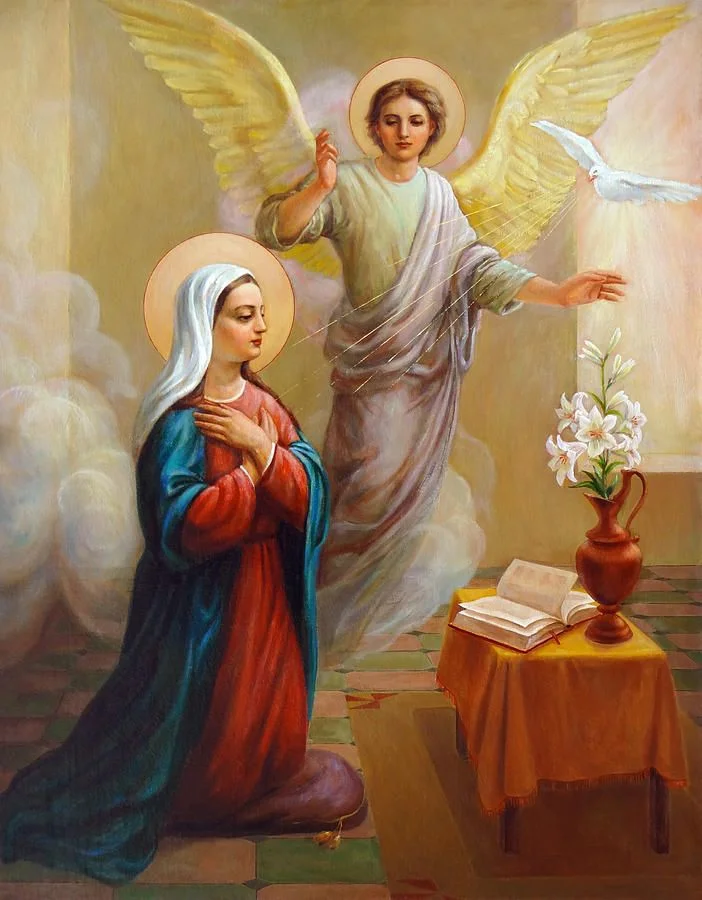
✨ Throughout the Bible, we see Mary's unwavering faith and trust in God. One beautiful example is the Annunciation, when the Angel Gabriel appeared to Mary and announced that she would conceive Jesus by the power of the Holy Spirit. Despite the confusion and uncertainty, Mary replied, "Behold, I am the handmaid of the Lord; let it be to me according to your word" (Luke 1:38).
📖 Another powerful moment is the Visitation, when Mary, pregnant with Jesus, visited her cousin Elizabeth, who was also expecting a child. Elizabeth exclaimed, "Blessed are you among women, and blessed is the fruit of your womb!" (Luke 1:42). This encounter reminds us of Mary's role as the Mother of God and the joy she brings to those around her.
💒 Just as Mary nurtured Jesus during His earthly life, she continues to nurture us on our faith journey. She is a compassionate and loving mother, always ready to intercede for us and lead us closer to her Son.
💖 The Catechism of the Catholic Church teaches us that Mary's role in our salvation is unique: "Mary's role in the Church is inseparable from her union with Christ and flows directly from it" (CCC 964). She is intimately connected to Jesus and shares in His mission of redemption.
🌹 Throughout history, countless saints have testified to the powerful intercession of Mary in their lives. Saint Louis de Montfort said, "The most perfect and quickest way to become a saint is to imitate the Blessed Virgin Mary" (True Devotion to Mary). We can learn so much from her example and seek her guidance in our own spiritual journeys.
🌿 Mary's love for us is boundless, and she desires to lead us closer to Jesus and help us grow in holiness. Just as a mother cares for her children, Mary cares for each of us. She desires to nurture our faith and help us become the best versions of ourselves.
🌟 In the Gospel of John, at the wedding feast of Cana, Mary demonstrated her maternal concern for others. When the wine ran out, she approached Jesus and said, "They have no wine." Jesus, in response to her request, performed His first public miracle and turned water into wine (John 2:1-11). Mary's intercession for us is powerful, and she is always there to bring our needs before her Son.
🙌 The saints also teach us the importance of turning to Mary in times of need. Saint Maximilian Kolbe said, "Never be afraid of loving the Blessed Virgin too much. You can never love her more than Jesus did" (Saint Maximilian Kolbe: Martyr of Charity). Our love for Mary should never be seen as a distraction from our love for Jesus; rather, it is a means to draw closer to Him.
🌈 Mary's role as our spiritual mother is beautifully summed up in the words of Saint Mother Teresa of Calcutta: "Mary, give me your Heart: so beautiful, so pure, so immaculate; your Heart so full of love and humility that I may be able to receive Jesus in the Bread of Life and love Him as you love Him" (A Simple Path).
📖 The Bible itself teaches us to honor and love Mary. In the Gospel of Luke, Mary proclaims, "My soul magnifies the Lord, and my spirit rejoices in God my Savior" (Luke 1:46-47). Her words of praise remind us to exalt God and rejoice in His mercy and love.
🌹 The Church, in its wisdom, has also given us beautiful prayers and devotions to honor Mary. The Rosary, for example, allows us to meditate on the mysteries of Christ's life while seeking Mary's intercession. Through this prayer, we draw closer to Jesus as we reflect on His life, death, and resurrection.
💒 As we continue on our faith journey, let us turn to Mary, our loving mother. She is always there for us, ready to guide us and intercede for us. Through her example of faith, obedience, and love for Jesus, we can nurture our own relationship with Him and grow in holiness.
🌟 How has Mary influenced your own faith journey? How do you seek her guidance and intercession in your spiritual life? Share your thoughts and experiences below.
Updated at: 2023-08-05 13:20:08 (2 years ago by Melkisedeck Leon Shine)
Mary, Our Refuge in Times of Turmoil 🌟
Mary, the beloved Mother of God, holds a special place in the hearts of Christians around the world. 🙏 She is not only a symbol of purity and grace but also a source of comfort and refuge in times of turmoil. 🌹
Just as a loving mother provides solace and protection for her child, Mary offers us a safe haven amidst the storms of life. 🌈 Her tender intercession can bring us peace and strength, helping us navigate through the challenging times we may face. 🌺
Throughout the Bible, we can find numerous examples of Mary's role as a refuge. In the Gospel of Luke, when the angel Gabriel appeared to her, she embraced her calling with unwavering faith, becoming the vessel through which God brought salvation to the world. 🌿
As a young girl, Mary must have faced immense uncertainty and fear when she was chosen to bear the Son of God. However, she trusted in God's plan and declared, "Behold, I am the handmaid of the Lord; let it be to me according to your word" (Luke 1:38). Her surrender to God's will teaches us the importance of trusting in His guidance even in the midst of turmoil. 🌟
In the Gospel of John, we witness Mary's unwavering presence at the foot of the cross, where Jesus was crucified. Despite her own heartache, she stood as a beacon of strength and devotion, offering solace to her Son in His final moments. This exemplifies Mary's role as a refuge in times of deep sorrow and pain. 🌹
The Catechism of the Catholic Church beautifully describes Mary's role in our lives, stating, "By her complete adherence to the Father's will, to his Son's redemptive work, and to every prompting of the Holy Spirit, the Virgin Mary is the Church's model of faith and charity" (CCC, 967). Her unwavering faith serves as an inspiration for us to seek refuge in her loving embrace. 🌺
Saints throughout history have also recognized Mary's role as our refuge. Saint Bernard of Clairvaux once said, "In danger, in distress, in uncertainty, think of Mary, call upon Mary. She never leaves your lips; she never departs from your heart" 🌟. This powerful statement reminds us of the constant presence of Mary in our lives, ready to offer us comfort and support.
Just as a loving mother guides her child through life's hardships, Mary guides us towards her Son, Jesus Christ. She intercedes for us before the throne of God, pleading for His mercy and protection. 🙏
In the Gospel of John, Jesus, even in the midst of His suffering, ensures that Mary is cared for, saying to the disciple John, "Behold, your mother" (John 19:27). This moment emphasizes the profound importance of Mary as our spiritual mother and refuge. 🌹
The rosary, a beloved prayer in the Catholic tradition, allows us to seek solace and refuge in Mary's loving presence. As we meditate on the mysteries of Christ's life, we are reminded of Mary's unwavering faith and her ability to provide us with peace in times of turmoil. 🌺
The Virgin Mary, as Mother of God, remains a constant source of inspiration and refuge for Christians. She exemplifies the qualities of love, compassion, and faith that we strive to emulate in our own lives. 🌟
Let us remember the words of Saint Maximilian Kolbe, who said, "Never be afraid of loving the Blessed Virgin too much. You can never love her more than Jesus did." 🙏 Our love and devotion to Mary can never overshadow our love for Jesus but rather deepens our relationship with Him. 🌹
In times of turmoil, turn to Mary with a humble and open heart. Seek her intercession and find peace in the shelter of her loving embrace. 🌺
Reflect on the words of Psalm 46:1, "God is our refuge and strength, a very present help in trouble." Mary, as a faithful disciple of God, leads us to this refuge and strengthens our faith in times of need. 🌟
What are your thoughts and experiences with Mary as a refuge in times of turmoil? How has her presence in your life brought you comfort and strength? Share your thoughts below. 🙏🌹🌺🌟
Updated at: 2025-07-03 10:40:59 (7 months ago by Melkisedeck Leon Shine)
Introduction: This discourse examines the theological significance and practical implications of devotion to the Immaculate Heart of Mary within the Catholic tradition. We will analyze key Marian dogmas, their historical context, and contemporary relevance, utilizing theological frameworks and examples from scripture and tradition to illustrate the depth and richness of this devotion. Key concepts, including the Immaculate Conception, Marian intercession, and the theological underpinnings of the Rosary, will be defined and analyzed within their respective historical and theological contexts. We will explore how these concepts manifest in practical application for believers today.
1. Mary's Unique Role in Salvation History (Catechism of the Catholic Church): The Catechism of the Catholic Church explicitly affirms Mary's unique and indispensable role in salvation history, emphasizing her active participation in God's salvific plan. Her roles as Theotokos (Mother of God) and "first disciple" underscore her exemplary faith and obedience, serving as a powerful model for Christian discipleship. This aligns with the ecclesiological principle of the communion of saints, highlighting the interconnectedness of all believers in Christ's redemptive work. The practical application here encourages emulation of Mary's steadfast faith and obedience, understanding her life as a model for navigating challenges and embracing God's will. This encourages active engagement in one’s own spiritual journey, striving for a deeper connection with God through commitment and faith.
2. The Immaculate Conception and the Purity of Heart: The dogma of the Immaculate Conception, declaring Mary's freedom from original sin from her conception, is fundamental to understanding her Immaculate Heart. Defined in 1854, this dogma establishes Mary as uniquely prepared to conceive and bear the Son of God. This purity is not merely the absence of sin, but a radical openness to God's grace, making her a paragon of faithful discipleship. Applying this, we see the importance of striving for interior purity – not a flawless state, but a constant pursuit of holiness through God's grace, reflected in actions aligned with God’s will. This process of sanctification, mirroring Mary's example, is a journey of transformation through active participation in the life of grace.
3. The Fiat of Mary and the Embrace of Divine Will: Mary's "Fiat," her unqualified "yes" to God's plan at the Annunciation (Luke 1:38), epitomizes complete surrender to the divine will. This act of profound faith serves as a paradigm for Christian living, urging acceptance of God's plan, even amidst uncertainty or suffering. This embodies the concept of *kenosis*, self-emptying, as described in Philippians 2:7. Practically, cultivating a spirit of obedience and trust involves seeking God's guidance in decisions, accepting challenges as opportunities for spiritual growth, and embracing a life centered on God's plan rather than one's own self-determined will.
4. Marian Intercession and the Role of Mediation: Catholic tradition highlights Mary's role as intercessor, mediating between humanity and God. This intercession doesn't circumvent Christ's unique mediatorship but reflects her profound union with Him. This aligns with the principle of the communion of saints, where believers intercede for each other. The wedding at Cana (John 2:1-11) illustrates this intercessory role. Practically, this means acknowledging Mary's role in presenting our needs to Christ, fostering a spirit of humble prayer, and trusting in her compassionate maternal care. This approach cultivates a deep sense of reliance on the power of communal prayer and the grace of divine intervention through Mary’s mediation.
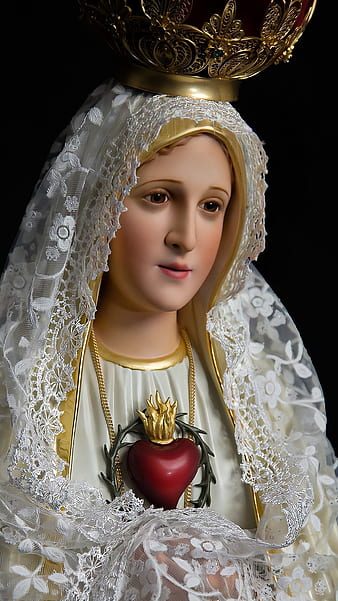
5. Symbolism of the Immaculate Heart and the Sorrowful Mother: The image of the Immaculate Heart, often shown pierced with thorns, symbolizes Mary's profound compassion and suffering alongside her Son. This powerful visual representation fosters empathy and understanding of suffering as an intrinsic part of the human condition and the Christian faith. Applying this symbolically encourages compassion, understanding the suffering of others, and recognizing that shared suffering fosters deeper spiritual connection and empathy within the communion of saints. The image simultaneously conveys both Mary's unwavering love and her profound sorrow, allowing believers to connect with her experience of intense joy and profound grief.
6. Marian Promises and the Abundance of Grace: The promises associated with devotion to the Immaculate Heart emphasize spiritual graces and protection offered to those who embrace this devotion. These promises, rooted in tradition and expressed through various Marian apparitions, invite us to seek God's abundant grace, facilitated through Mary's intercession. Practically, this encourages trust in God's providence and recognition of the abundance of grace available to those who actively seek it through prayer and faithful devotion to Mary. This understanding fosters a deeper relationship with God and the cultivation of a trustful and faithful spirit.
7. Fatima and the Call to Conversion: The 1917 Marian apparitions at Fatima emphasize the urgency of conversion, prayer, and devotion to her Immaculate Heart. The messages stress repentance and prayer as crucial in overcoming human challenges. Applying this message today requires critical self-examination, recognizing the need for personal and collective conversion, embracing prayer to foster peace and justice. This entails a commitment to living out the Gospel message in daily life and promoting social justice and peace. The messages from Fatima have a continued relevance in a world struggling with moral and social issues.
8. The Rosary and Contemplative Prayer: The Rosary, a traditional Marian devotion, provides a framework for contemplative prayer focusing on the mysteries of Christ's life. Rooted in *Lectio Divina*, it encourages reflection, deepening understanding of salvation history and fostering closeness with Christ and Mary. Applying this in a modern context emphasizes the importance of regular contemplative prayer for spiritual renewal and growth, enhancing connection with the divine. Regular, structured prayer, such as the Rosary, allows for increased focus and deeper reflection on the mysteries of faith.
9. The Example of the Saints and the Propagation of Devotion: The lives of saints demonstrating unwavering devotion to Mary, such as St. Maximilian Kolbe, showcase the transformative power of Marian devotion. Their dedication to spreading this devotion highlights its importance and ability to inspire holiness and charitable acts. Applying this reminds us of the significance of following Church teachings and imitating virtuous examples, illustrating the deep connection between Marian devotion and spiritual growth. This suggests the transformative power of devout lives and their impact on inspiring others towards holiness.
10. The Assumption and Coronation: The Culmination of Mary’s Role: The dogmas of the Assumption and Coronation affirm Mary's ultimate triumph over death and her reign as Queen of Heaven and Earth, underscoring her exalted position and perpetual intercession. Applying this reminds us of the ultimate victory of good over evil and hope for our eventual reunification with God. These doctrines highlight the ultimate victory of faith and the promise of salvation, strengthening one’s hope in the face of life's challenges.
Conclusions and Recommendations: Devotion to the Immaculate Heart of Mary, firmly grounded in Catholic doctrines and centuries of tradition, provides a path to spiritual growth and deeper communion with God. It emphasizes faith, obedience, prayer, and compassion. This devotion is deeply theological, highlighting Mary's unique role in salvation history and its ongoing relevance for contemporary Christians. Future research could explore comparative analyses of various Marian devotions across cultures and their respective impacts on individual and community faith. Investigating the practical application of this devotion in promoting social justice and peace initiatives warrants further study. Analyzing specific Marian apparitions and their contemporary interpretations could provide deeper insights into the devotion's significance.
Reader Pool: Considering the diverse theological perspectives within Catholicism, how can a balanced and inclusive approach to Marian devotion promote spiritual growth and unity among believers while addressing potential concerns about hyper-Marianism?
Updated at: 2023-08-05 13:19:41 (2 years ago by Melkisedeck Leon Shine)
🌟 The Magnificat: Mary's Song of Praise and Gratitude 🙏🌹
The Magnificat is a beautiful and powerful hymn of praise and gratitude that was sung by the Virgin Mary, the Mother of God, after she received the news that she would conceive Jesus through the Holy Spirit.
In this song, Mary expresses her humble and joyful heart, praising the greatness of God and His mercy towards her. It is a testament to her deep faith and devotion to God.
Mary begins the Magnificat by proclaiming, "My soul magnifies the Lord, and my spirit rejoices in God my Savior" (Luke 1:46-47). These words show her complete trust and surrender to God's plan for her life.
Throughout the song, Mary reflects on the greatness of God's deeds and His mercy towards those who fear Him. She acknowledges that God has chosen her, a lowly and humble servant, to bear the Son of God.
The Magnificat is not only a song of praise but also a prophetic declaration. Mary declares that God has shown His strength by scattering the proud, bringing down the powerful, and lifting up the lowly (Luke 1:51-52).
Mary's song echoes the words of the prophets in the Old Testament, who spoke of God's justice and mercy. She embodies the hope of the Jewish people, who longed for the coming of the Messiah.
The Magnificat is a prayer that reminds us of God's faithfulness and His preferential love for the poor and marginalized. It challenges us to reflect on how we can imitate Mary's humility and generosity in our own lives.
Throughout the centuries, the Magnificat has been a source of inspiration for believers around the world. It has inspired countless hymns, prayers, and works of art that celebrate Mary's role as the Mother of God.
In the Catholic Church, the Magnificat is recited daily during the Evening Prayer of the Liturgy of the Hours. This practice allows us to unite our voices with Mary's in proclaiming God's greatness and praising Him for His blessings.
The Catechism of the Catholic Church teaches us that Mary's Magnificat is a model prayer, inviting us to join in her hymn of thanksgiving and praise (CCC 2619). It encourages us to express our gratitude to God for His goodness and to seek His will in our lives.
Saints throughout history have also recognized the significance of the Magnificat. St. Augustine, for example, described Mary's song as a "fitting response to the divine blessings bestowed upon her" (Sermon 225).
The Magnificat reminds us of Mary's unique role as the Mother of God. As Catholics, we believe that Mary remained a virgin before, during, and after the birth of Jesus. This belief is based on the biblical evidence and the teachings of the Church.
In the Gospel of Matthew, it is stated that Joseph "knew her not until she had borne a son" (Matthew 1:25). This implies that Mary remained a virgin even after giving birth to Jesus.
The early Church Fathers also affirmed Mary's perpetual virginity. St. Jerome, one of the great biblical scholars of the Church, wrote, "The ever-virgin Mary conceived the Son of God in her womb, brought Him forth, and after His birth preserved her virginity intact" (Against Helvidius).
The Magnificat invites us to reflect on Mary's extraordinary faith and her willingness to say "yes" to God's plan, despite the challenges and uncertainties she faced. It encourages us to entrust our lives to God and to praise Him for His goodness and mercy.
In conclusion, the Magnificat is a profound expression of Mary's love for God and her gratitude for His blessings. It is a song that continues to inspire and guide us in our spiritual journey. Have you ever meditated on the Magnificat? What does it mean to you? Share your thoughts and let us know your favorite verse from this beautiful song of praise! 🌹🙏✨
Updated at: 2023-08-05 13:20:28 (2 years ago by Melkisedeck Leon Shine)
🌹Mary's Intercession: Strengthening Our Prayer Life🌹
Introduction: In the realm of Catholic spirituality, the intercession of the Virgin Mary holds a special place. As believers, we acknowledge her unique role as the Mother of God, the one chosen by God to give birth to our Savior, Jesus Christ. 🙏 Throughout history, countless individuals have experienced the power of Mary's intercession in their prayer lives. Let us explore how turning to her can strengthen and deepen our own connection with God. 🌟
Mary as the Mother of God: Mary's intercession is rooted in her special relationship with Jesus. She was not only Jesus' earthly mother but also the Mother of God. In Luke 1:43, Elizabeth proclaims, "And why has this happened to me, that the mother of my Lord comes to me?" This title highlights Mary's unique position as the chosen vessel of God's incarnation.
A Model of Faith: Mary's unwavering faith is an inspiration to all believers. Her "yes" to God's plan, as seen in Luke 1:38, reveals her complete trust and obedience. When we turn to Mary in prayer, we can seek her guidance in deepening our own faith and surrendering to God's will.
The Wedding at Cana: One powerful example of Mary's intercession can be found in the wedding at Cana (John 2:1-11). When the wine ran out, Mary approached Jesus and asked for His help. Through her intercession, Jesus performed His first public miracle, turning water into wine. This shows us that Mary's intercession can bring about miraculous interventions in our lives.
The Rosary: The Holy Rosary is a powerful prayer devoted to Mary. By praying the Rosary, we meditate on the life of Jesus through the eyes of His mother. In this way, Mary helps us to deepen our understanding of Christ's teachings and His saving grace. The Catechism of the Catholic Church teaches that "the Rosary is a contemplative prayer" (CCC 2708) and encourages Catholics to embrace its spiritual benefits.
Protection and Guidance: Just as a mother protects and guides her children, Mary intercedes for us in times of need. The saints have attested to her powerful intercession throughout the centuries. Saint Padre Pio once said, "When you have recourse to the intercession of the Blessed Virgin, you are praying with a Mother's heart." Trusting in Mary's intercession can bring us comfort and assurance, knowing that we are under her loving care.
Praying the Hail Mary: The Hail Mary is a prayer that many Catholics recite to seek Mary's intercession. It begins with the words of the angel Gabriel and continues with Elizabeth's greeting. By praying this prayer, we unite ourselves with the words spoken to Mary, inviting her to intercede on our behalf.
The Assumption of Mary: The Assumption of Mary, celebrated on August 15th, affirms the belief that Mary was taken body and soul into heaven. This glorious event reveals her unique role in salvation history and her continued presence among the faithful. When we ask for Mary's intercession, we can trust that she is in heaven, advocating for us before the throne of God.
The Magnificat: Mary's prayer of praise, known as the Magnificat, can inspire our own prayer life. In Luke 1:46-55, Mary magnifies the Lord for the great things He has done. By contemplating her words, we can learn to exalt God in our own prayers and acknowledge His goodness and mercy.
The Saints and Mary: Throughout history, numerous saints have had a deep devotion to Mary and experienced her powerful intercession. Saint Louis de Montfort, known for his teachings on Marian consecration, said, "When the Holy Spirit finds Mary in a soul, He hastens there and enters fully into it." The saints understood that turning to Mary deepens our connection with the Holy Spirit and strengthens our prayer life.
The Mercy of Mary: Mary's intercession is a sign of God's infinite mercy. Just as Jesus entrusted His beloved disciple John to Mary's care, He entrusts us to her maternal love. As Pope Francis once said, "Mary opens the door of mercy to us and shows us the way to reach the Heart of her Son." When we approach Mary with humility and trust, she leads us closer to Jesus and His boundless mercy.
Conclusion: In the Catholic faith, Mary's intercession plays a vital role in strengthening our prayer life. As the Mother of God and our spiritual mother, she beckons us to turn to her in times of joy, sorrow, and need. Throughout the Bible and the teachings of the Church, we find ample evidence of her powerful intercession. By inviting Mary into our prayer life, we can experience a deeper connection with God and a strengthening of our faith. So, dear reader, what are your thoughts on seeking Mary's intercession? How has her intercession impacted your prayer life?
Updated at: 2025-06-05 10:59:16 (8 months ago by Melkisedeck Leon Shine)
```htmlIntroduction: This paper explores the profound impact of devotion to Our Lady of Fatima, examining its theological underpinnings and practical applications within the framework of Catholic Marian theology. Key concepts, such as intercession (the act of a saint pleading on behalf of another before God), divine grace (God's unmerited favor), and theosis (deification or union with God), will be central to this analysis. We will explore how devotion to Mary, specifically as manifested in the Fatima apparitions, can facilitate spiritual growth, promote peace, and foster a deeper relationship with the divine.
The Marian Intercessory Role and the Fatima Apparitions: The Catholic tradition emphasizes Mary's role as intercessor, a concept deeply rooted in scripture and theological tradition. The Fatima apparitions (1917), a pivotal event in modern Marian history, highlight Mary's continued concern for humanity. This event, witnessed by three children, served as a powerful manifestation of divine grace, reinforcing Mary's mediatorial role and emphasizing the importance of prayer, conversion, and peace. This aligns with the theological principle of divine pedagogy—God's gradual revelation of himself through history and sacred scripture.
Mary as a Model of Faith and Obedience: Mary's unwavering obedience to God's will, as exemplified in the Annunciation (Luke 1:38), provides a powerful example of faith and surrender. This resonates with the concept of kenosis (self-emptying), a Christological concept also applicable to Mary's life, demonstrating her complete submission to the divine plan of salvation. Her life serves as a model for believers striving for deeper spiritual union through self-emptying and obedience.
The Power of Prayer and the Rosary: Devotion to Our Lady of Fatima often involves the recitation of the Rosary, a contemplative prayer that meditates on the mysteries of Christ's life. This practice fosters contemplation and strengthens the relationship between believer and God. Through repeated prayer and mindful reflection on the life of Christ, the believer engages in a process of lectio divina (divine reading), deepening their spiritual understanding and promoting a closer union with the divine.
The Call to Conversion and Repentance: The Fatima message strongly emphasizes the need for conversion and repentance. This aligns with the central message of the Gospel, calling for a turning away from sin and a return to God's grace. This process of conversion can be understood through the lens of metanoia (a transformation of the mind and heart), highlighting the importance of spiritual renewal and moral reformation.
Promoting Peace and Social Justice: The Fatima apparitions stressed the importance of peace and prayer for peace. This resonates with Catholic Social Teaching, which emphasizes the dignity of the human person and the pursuit of justice and peace. Our Lady of Fatima's message encourages us to be agents of peace and reconciliation, working towards social justice and a more equitable world.
Seeking Mary's Maternal Protection and Intercession: Devotion to Mary fosters a sense of trust and reliance on her maternal care. This aligns with the concept of Mary as the “Mother of the Church,” offering spiritual guidance and protection. This trust allows believers to approach God with confidence, knowing that they are supported by Mary's powerful intercession.
Spiritual and Physical Healing: Many testimonies attribute physical, emotional, and spiritual healing to the intercession of Our Lady of Fatima. While these claims require careful discernment, they highlight the power of faith and prayer in promoting healing and well-being. This aligns with the concept of sacramental efficacy, recognizing the potential for spiritual practices to facilitate healing and grace.
Strengthening Family Life and Promoting Holiness: Devotion to Our Lady of Fatima can strengthen family life through shared prayer and devotion. Mary's example of nurturing and caring for Jesus underscores the importance of faith-based family unity. Moreover, this devotion promotes a life of holiness, striving for virtue and imitating Christ, a process that reflects the concept of sanctification – the ongoing process of becoming holy through God's grace.
Conclusion and Recommendations: This exploration of devotion to Our Lady of Fatima reveals its profound theological significance and its practical application in promoting spiritual growth, fostering peace, and strengthening faith. Further research could delve into empirical studies on the impact of Marian devotion on various aspects of well-being. The Fatima message serves as a timeless reminder of the importance of prayer, conversion, and the pursuit of peace. Integrating Marian devotion into pastoral care and spiritual direction can be beneficial for personal growth and community building. Promoting the principles of conversion, prayer, and peace through programs rooted in the message of Fatima can significantly impact individuals and communities.
Reader Pool: Considering the theological and historical context presented, what are your thoughts on the efficacy of Marian devotion in promoting individual and societal transformation?
```