Managing High Blood Pressure: Tips for Men
Welcome Back.
Updated at: 2023-08-05 23:11:57 (2 years ago by Melkisedeck Leon Shine)
Managing High Blood Pressure: Tips for Men
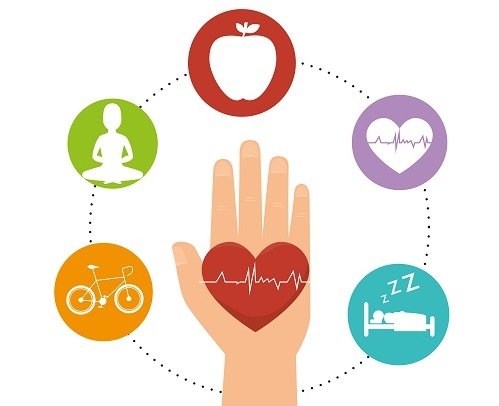
π©Ί As AckySHINE, an expert in managing high blood pressure, I am here to provide you with some valuable tips on how to control and maintain healthy blood pressure levels. High blood pressure, also known as hypertension, is a common condition that affects millions of men worldwide. It can lead to serious health problems if left unmanaged. However, with the right lifestyle changes and medical interventions, you can effectively manage your blood pressure and reduce the risk of complications. So, let's dive into these helpful tips!
1οΈβ£ Know your numbers: Regularly monitor your blood pressure levels and understand the ideal range for men. A healthy blood pressure reading is typically around 120/80 mmHg.
2οΈβ£ Adopt a healthy diet: Eating a balanced diet rich in fruits, vegetables, whole grains, lean proteins, and low-fat dairy products can help lower blood pressure. Limit your intake of sodium, saturated fats, and processed foods.
3οΈβ£ Get active: Engage in regular physical activity such as walking, jogging, swimming, or cycling. Aim for at least 150 minutes of moderate-intensity exercise per week.
4οΈβ£ Maintain a healthy weight: Excess weight puts extra strain on your heart and blood vessels. Losing just a few pounds can significantly reduce your blood pressure.
5οΈβ£ Limit alcohol consumption: Excessive alcohol intake can increase blood pressure. As AckySHINE, I recommend limiting alcohol consumption to moderate levels (up to two drinks per day for men).
6οΈβ£ Quit smoking: Smoking not only damages your lungs but also increases your blood pressure. Seek professional help and support to quit smoking for good.
7οΈβ£ Manage stress: Chronic stress can contribute to high blood pressure. Find healthy ways to manage stress, such as practicing relaxation techniques, engaging in hobbies, or seeking professional help if needed.
8οΈβ£ Limit caffeine intake: While a moderate amount of caffeine is generally safe, excessive consumption can temporarily raise blood pressure. Be mindful of your caffeine intake from coffee, tea, energy drinks, and other sources.
9οΈβ£ Sleep well: Adequate sleep is essential for maintaining overall health, including blood pressure. Aim for 7-9 hours of quality sleep each night.
π Cut back on processed foods: Processed foods are often high in sodium and unhealthy fats, contributing to high blood pressure. Opt for fresh, whole foods whenever possible.
1οΈβ£1οΈβ£ Reduce salt intake: Excessive salt consumption can lead to fluid retention and increased blood pressure. Use herbs, spices, and other flavorings to enhance the taste of your meals instead of relying on salt.
1οΈβ£2οΈβ£ Monitor your medication: If you have been prescribed medication to manage your blood pressure, take it as directed by your healthcare provider. Regularly check with your doctor to ensure the medication is still effective.
1οΈβ£3οΈβ£ Stay hydrated: Drinking an adequate amount of water can help maintain healthy blood pressure levels. Aim for at least 8 glasses of water per day.
1οΈβ£4οΈβ£ Check your family history: If you have a family history of high blood pressure, you may be at a higher risk. As AckySHINE, I recommend discussing this with your doctor and getting regular check-ups.
1οΈβ£5οΈβ£ Avoid excessive stress on your heart: Engage in activities that promote heart health, such as regular exercise, avoiding excessive straining during bowel movements, and taking breaks during heavy lifting.
Remember, managing high blood pressure requires a combination of lifestyle changes and medical interventions. It's important to work closely with your healthcare provider to develop a personalized plan that suits your needs.
As AckySHINE, I hope these tips help you take control of your blood pressure and lead a healthier life. Remember to always prioritize your health, and don't hesitate to seek professional help if needed. Stay healthy and keep shining!
What are your thoughts on these tips for managing high blood pressure? Let me know in the comments below!
Updated at: 2025-05-30 10:53:34 (6 months ago by Melkisedeck Leon Shine)
```htmlGastrointestinal distress, encompassing symptoms such as postprandial discomfort, bloating, heartburn, and chronic constipation, significantly diminishes quality of life. These manifestations often reflect dysbiosis within the gut microbiome. This comprehensive guide outlines evidence-based strategies for cultivating a robust and balanced digestive system, promoting overall health and well-being. We will explore the application of various nutritional, behavioral, and lifestyle interventions grounded in established principles of gastroenterology and nutritional science.
1. Nutritional Optimization and the Gut Microbiome: A cornerstone of digestive health is the consumption of a diverse and nutrient-dense diet. The application of the principles of balanced nutrition mandates the inclusion of fruits, vegetables, whole grains, lean protein sources, and healthy fats. This approach, guided by the concept of macronutrient balance, ensures the provision of essential building blocks and dietary fiber necessary for gut microbial activity and optimal digestive function. Emphasis should be placed on minimally processed foods, reflecting the principles of dietary quality and reducing the intake of inflammatory compounds found in ultra-processed foods. This strategy aligns with the concept of the gut-brain axis, highlighting the connection between gut health and cognitive function.
2. Hydration and Gastrointestinal Motility: Adequate hydration is paramount for efficient digestive processes. Water acts as a lubricant, facilitating the movement of chyme through the gastrointestinal tract, thereby preventing constipation and promoting regular bowel movements. Consistent hydration throughout the day supports optimal gastrointestinal motility, a principle established in numerous studies. The recommended daily fluid intake varies but should be adjusted based on individual needs and activity levels. This aligns with the principles of fluid balance and electrolyte homeostasis.
3. The Role of Physical Activity in Digestive Physiology: Regular physical activity is crucial not only for overall health but also for supporting digestive health. Exercise stimulates gastrointestinal motility through increased muscular activity, enhancing the propulsion of food along the digestive tract. This principle is supported by the concept of integrated physiological systems, recognizing the interconnectivity between different bodily systems. Regular exercise also aids in stress reduction, indirectly contributing to improved digestion through the modulation of the gut-brain axis.
4. Mindful Eating and Digestive Regulation: The practice of mindful eating involves paying attention to the sensory experience of consuming food, promoting thorough chewing and reducing the likelihood of overeating. This conscious approach aligns with the principles of satiety signaling and digestive efficiency, facilitating optimal digestion and nutrient absorption. Mindful eating promotes a greater awareness of bodily cues related to hunger and fullness, leading to more regulated food intake and minimizing digestive discomfort.
5. Probiotics and the Modulation of Gut Microbiota: The introduction of probiotics, live microorganisms with purported health benefits, can positively influence the composition and functionality of the gut microbiome. The incorporation of probiotic-rich foods, such as yogurt, kefir, sauerkraut, and kimchi, or the use of probiotic supplements (under professional guidance), can contribute to a healthier gut ecosystem. This strategy aims at restoring microbial balance and enhancing the diversity of gut microbiota, thereby improving digestive function. This concept is grounded in the principles of microbiome modulation and its therapeutic potential.
6. Minimizing the Consumption of Processed Foods: The limitations on the consumption of processed foods is essential. Processed foods often contain high levels of unhealthy fats, added sugars, and artificial additives, which can disrupt the delicate balance of the gut microbiome. Replacing processed foods with whole, unprocessed alternatives aligns with dietary principles that emphasize nutrient density and minimize the intake of potentially harmful substances. This approach supports the concept of dietary quality and promotes a healthier gut environment.
7. Stress Management and the Gut-Brain Axis: Chronic stress significantly impacts digestive health. Stress response pathways trigger physiological changes that can lead to digestive disturbances. Implementing stress-reduction techniques, such as deep breathing exercises, meditation, or yoga, fosters a calmer state and can alleviate digestive symptoms. This addresses the interplay between the central nervous system and the gastrointestinal tract, known as the gut-brain axis, highlighting the importance of psychological well-being in digestive health.
8. Sleep Hygiene and Digestive Function: Sufficient sleep is vital for overall health, including digestive health. Sleep deprivation can disrupt the normal rhythm of gastrointestinal function, potentially leading to problems like acid reflux and constipation. Aiming for 7-8 hours of quality sleep each night promotes the restoration of bodily systems, including the digestive system, thereby supporting optimal digestive function. This principle is supported by chronobiological concepts and the understanding of circadian rhythms.
9. Meal Frequency and Digestive Capacity: Consuming smaller, more frequent meals can alleviate the workload on the digestive system, compared to three large meals per day. This strategy is based on the understanding that the digestive system works more efficiently when processing smaller amounts of food at a time. This approach supports digestive capacity and minimizes the risk of overeating, which can contribute to digestive discomfort.
10. Identification and Avoidance of Dietary Triggers: Individual dietary intolerances can significantly impact digestive health. Common trigger foods include spicy foods, fatty foods, caffeine, and alcohol. Identifying and avoiding trigger foods is crucial in minimizing digestive distress. A process of elimination and careful observation of bodily responses is an effective method for identifying specific triggers.
11. Dietary Fiber and Gastrointestinal Transit: Dietary fiber plays a critical role in facilitating healthy bowel movements and preventing constipation. Fiber increases stool bulk, promoting regular and efficient gastrointestinal transit. Increasing fiber intake through the consumption of fruits, vegetables, whole grains, and legumes is a key strategy in supporting regular bowel movements.
12. Vitamin D and Gut Health: Vitamin D plays an increasingly recognized role in maintaining gut health and immune function. Adequate Vitamin D levels can be achieved through sun exposure (with appropriate sun protection), or through supplementation as needed, particularly in individuals with limited sun exposure or during winter months.
13. The Importance of Undistracted Eating: Eating in a calm and focused environment enhances digestion. Minimizing distractions during mealtimes promotes mindful eating, allowing for better digestion and nutrient absorption.
14. Seeking Professional Medical Advice: Persistent or severe digestive issues require consultation with a healthcare professional. Early diagnosis and appropriate interventions are essential for managing and treating underlying digestive disorders.
15. Attentive Observation of Bodily Cues: Paying attention to the body's reactions to different foods enables a personalized approach to optimizing digestive health. Adjusting dietary choices based on individual responses promotes a healthy and balanced gut.
Conclusions and Recommendations: Optimizing digestive health requires a multi-faceted approach integrating nutritional strategies, lifestyle modifications, and stress management techniques. The concepts of microbiome modulation, mindful eating, and the gut-brain axis highlight the crucial interplay between diet, behavior, and digestive well-being. Further research is needed to fully elucidate the complex interactions within the gut microbiome and to develop targeted interventions for specific digestive disorders. Recommendations include adopting a personalized approach, considering professional guidance for persistent issues, and prioritizing a holistic lifestyle that emphasizes nutritional optimization and stress reduction. The implications of these strategies extend to improved overall health, quality of life, and a reduced burden on healthcare systems. The applicability of these findings extends to various populations and healthcare settings, promoting preventative and therapeutic approaches to digestive health.
Reader Pool: Considering the presented strategies, what additional factors might contribute to individual variations in digestive health and how can these variations be effectively addressed within a personalized approach?
```
Updated at: 2025-02-21 18:51:04 (9 months ago by Melkisedeck Leon Shine)
```Gentlemen, let's talk about your skin. A healthy complexion isn't just about aesthetics; it's a reflection of overall well-being. This comprehensive guide provides practical, actionable steps to achieve and maintain radiant skin, regardless of your current skincare routine.
1. The Power of Cleansing: Begin your journey to healthy skin with daily cleansing. Choose a gentle cleanser formulated for men's skin, effectively removing dirt, oil, and environmental pollutants without stripping away essential moisture. This foundational step prevents breakouts and leaves your skin feeling refreshed and ready for the next steps.
2. Exfoliation: The Key to Reveal Brighter Skin: Regularly exfoliating sloughs off dead skin cells, unveiling a brighter, smoother complexion. Use a gentle scrub or exfoliating tool (once or twice a week, depending on your skin type) with circular motions to stimulate circulation and enhance your skin's natural glow. Avoid harsh scrubbing, opting for a gentle touch to prevent irritation.
3. Hydration is Key: Moisturize Daily: Hydration is paramount for maintaining healthy, youthful-looking skin. Select a moisturizer suited to your skin type β whether oily, dry, or combination β and apply it twice daily (morning and night) to keep your skin hydrated and protected. Look for formulas with ingredients like hyaluronic acid or glycerin for optimal hydration.
4. Sun Protection: A Non-Negotiable: Protecting your skin from the sun's harmful UV rays is crucial, regardless of the weather. Apply a broad-spectrum sunscreen with an SPF of 30 or higher every day, even on cloudy days. This preventative measure significantly reduces your risk of premature aging, sun damage, and skin cancer.
5. Inner Hydration: The Importance of Water Intake: Drinking plenty of water is vital for healthy skin. Water flushes out toxins and keeps your skin hydrated from within, contributing to a radiant, healthy glow. Aim for at least eight glasses of water daily.
6. Beauty Sleep: The Regenerative Power of Rest: Prioritize getting 7-9 hours of quality sleep each night. Your skin repairs and regenerates itself during sleep, making adequate rest crucial for maintaining a healthy complexion.
7. Fuel Your Skin: The Role of Nutrition: Nourish your skin from the inside out with a balanced diet rich in fruits, vegetables, and lean protein. Incorporate antioxidants, found abundantly in berries, green tea, and other colorful produce, to combat free radical damage and protect your skin from premature aging.
8. Lifestyle Choices: Minimize Harmful Habits: Smoking and excessive alcohol consumption significantly impact skin health, accelerating aging and contributing to dullness and breakouts. Reducing or eliminating these habits will dramatically benefit your skin's appearance and overall health.
9. Stress Management: The Mind-Skin Connection: Stress can trigger breakouts and other skin problems. Manage stress through relaxation techniques such as mindfulness, yoga, regular exercise, or spending time in nature. Prioritizing stress reduction benefits not only your skin but your overall well-being.
10. Smart Shaving Techniques: Prevent Irritation: For those who shave, use a sharp, clean razor and a lubricating shaving cream or gel appropriate for your skin type. Shave in the direction of hair growth to minimize irritation and the risk of ingrown hairs.
11. Hand Hygiene: Prevent Bacterial Transfer: Maintain good hand hygiene by washing your hands frequently, especially before touching your face. This simple yet effective practice significantly reduces the transfer of dirt and bacteria, protecting your skin from infection and breakouts.
12. Product Selection: Choose Gentle Formulas: Read ingredient labels carefully, choosing products that are gentle and suited to your skin type. Avoid harsh chemicals and fragrances that can irritate or damage your skin.
13. Regular Skin Check-ups: Professional Assessment: Schedule regular skin check-ups with a dermatologist. Professional assessment can detect potential skin problems early, allowing for prompt intervention and prevention.
14. Lip Care: Don't Neglect Your Lips: Protect your lips from sun damage with a lip balm containing SPF. Chapped lips can detract from an overall healthy appearance.
15. Seek Expert Guidance: Personalized Skincare Advice: If you have specific skincare concerns or are unsure about which products or routines are best for you, consult a dermatologist or skincare professional for personalized advice.
By incorporating these tips into your daily routine, you'll be well on your way to achieving healthier, more radiant skin. Remember, consistency is key. Start today and unlock your best skin yet!
We'd love to hear your skincare tips and experiences! Share your thoughts and favorite routines in the comments below.
```
Updated at: 2023-08-05 23:11:23 (2 years ago by Melkisedeck Leon Shine)
Skin Cancer Awareness: Protecting Your Skin
πβοΈπ€οΈπ πποΈποΈπββοΈπββοΈπ§΄ππΆοΈπβοΈπ€οΈπ π
As AckySHINE, I would like to shed light on the importance of skin cancer awareness and the measures we can take to protect our skin. Skin cancer is the most common type of cancer worldwide, and the good news is that it is highly preventable. By following a few simple guidelines and making it a priority to care for our skin, we can significantly reduce the risk of developing skin cancer.
π Understand the risk factors: It's essential to be aware of the factors that can increase your risk of developing skin cancer. These include excessive sun exposure, a history of sunburns, fair skin, a family history of skin cancer, and the presence of moles or precancerous skin lesions.
βοΈ Seek shade: Limit your time in the sun, especially between 10 a.m. and 4 p.m., when the sun's rays are the strongest. If you need to be outside during these hours, make sure to seek shade under an umbrella, tree, or any other form of sun protection.
π€οΈ Wear protective clothing: Whenever possible, cover up with clothing that provides adequate sun protection. Opt for long-sleeved shirts, long pants, wide-brimmed hats, and sunglasses that block both UVA and UVB rays.
π Use sunscreen: As AckySHINE, I recommend using a broad-spectrum sunscreen with an SPF of 30 or higher. Apply it generously to all exposed skin at least 15 minutes before sun exposure, and reapply every two hours or more often if swimming or sweating.
π Don't forget your lips: The delicate skin on your lips is also susceptible to sun damage. Protect them by using a lip balm with SPF.
ποΈ Stay hydrated: Drinking plenty of water helps keep your skin hydrated and healthy, making it less susceptible to damage from the sun.
ποΈ Be cautious of tanning beds: Tanning beds can emit harmful UV rays, increasing the risk of skin cancer. Avoid using them altogether.
πββοΈ Be sun smart around water: Remember that water can reflect and intensify the sun's rays. Apply sunscreen before going swimming and reapply it frequently, even if the product is labeled as water-resistant.
πββοΈ Stay in the shade during peak hours: If you plan on enjoying outdoor activities like surfing or playing beach volleyball, try to do so before 10 a.m. or after 4 p.m. when the sun's rays are less intense.
π§΄ Check your skin regularly: Get into the habit of examining your skin from head to toe regularly. Look for any changes in moles or new growths that may be suspicious. Early detection is key to successfully treating skin cancer.
π Protect your children: Teach your children about sun safety and ensure they follow the same guidelines. As a parent, apply sunscreen to their skin, dress them in protective clothing, and encourage them to seek shade when needed.
πΆοΈ Wear sunglasses: Protect your eyes from harmful UV rays by wearing sunglasses that provide 100% UVA and UVB protection. This will not only reduce the risk of eye damage but also prevent wrinkles and fine lines around the eyes.
π Stay informed: Keep up to date with the latest information and research on skin cancer prevention and treatment. As AckySHINE, I advise you to consult reputable sources such as the American Cancer Society or the Skin Cancer Foundation.
βοΈ Spread the word: Educate your friends, family, and community about the importance of skin cancer awareness. By raising awareness, we can inspire others to take action and protect their skin.
π€οΈ Enjoy the sun safely: Remember that sun protection doesn't mean avoiding the sun altogether. It's about finding a balance and enjoying the outdoors while taking precautions to protect your skin.
In conclusion, skin cancer awareness is crucial for maintaining healthy skin and reducing the risk of developing this prevalent cancer. By following these simple guidelines, you can enjoy the sun safely while protecting yourself from harmful UV rays. Take care of your skin, be sun smart, and spread the message of skin cancer prevention. Together, we can make a difference. What are your thoughts on skin cancer awareness?
Updated at: 2023-08-05 23:08:28 (2 years ago by Melkisedeck Leon Shine)
Navigating Midlife Changes: Embracing a New Chapter
π Introduction π As life progresses, we often find ourselves entering different phases, each accompanied by its own set of changes and challenges. One such phase that many individuals encounter is midlife. This period, typically occurring between the ages of 40 and 60, can be both exciting and daunting. However, with the right mindset and strategies, navigating midlife changes can be a fulfilling and transformative experience. As AckySHINE, an expert in personal growth and development, I would like to share some valuable insights and advice on embracing this new chapter with open arms.
1οΈβ£ Reflect on your accomplishments: Take a moment to look back at everything you have achieved thus far. Acknowledge your successes, both big and small. Celebrate the milestones and give yourself credit for the progress you have made. This reflection will give you the confidence and motivation to embrace new challenges in this phase of life.
2οΈβ£ Embrace change: Change is inevitable, and midlife brings about its fair share. Rather than resisting change, view it as an opportunity for growth and personal transformation. Embrace the unknown with a positive attitude, knowing that each change can lead to new and exciting possibilities.
3οΈβ£ Find your passion: Midlife is a great time to reevaluate your interests and passions. Take the time to explore new hobbies, join clubs or organizations, or even consider a career change if you feel unfulfilled. Rediscovering your passions can bring a renewed sense of purpose and joy to this stage of life.
4οΈβ£ Prioritize self-care: As you navigate midlife changes, it's crucial to prioritize self-care. Take care of your physical, mental, and emotional well-being. Engage in activities that bring you joy and relaxation, such as exercising, meditating, or spending time with loved ones. Remember, taking care of yourself is not selfish; it's necessary for a happy and balanced life.
5οΈβ£ Foster meaningful relationships: Surround yourself with positive and supportive individuals who uplift and inspire you. Nurture your existing relationships and seek out new connections. As AckySHINE, I recommend building a strong support network that can help you navigate through the ups and downs of midlife.
6οΈβ£ Set new goals: Midlife is an ideal time to set new goals and aspirations. Whether it's starting a business, traveling the world, or learning a new skill, setting clear objectives can give you a sense of direction and purpose. Break down these goals into smaller, achievable steps, and celebrate each milestone along the way.
7οΈβ£ Embrace your wisdom: With age comes wisdom, and midlife is the perfect time to embrace and share your knowledge and experiences. Mentor others, volunteer, or engage in activities that allow you to pass on your wisdom to the next generation. Your insights can make a significant impact and bring fulfillment to both yourself and those around you.
8οΈβ£ Embrace new technologies: In today's digital age, technology plays a significant role in our lives. Embrace new technologies and learn how to utilize them to your advantage. From social media to online learning platforms, these tools can help you stay connected, learn new skills, and explore new opportunities.
9οΈβ£ Seek professional guidance: If you're feeling overwhelmed or unsure about navigating midlife changes, don't hesitate to seek professional guidance. Therapists, life coaches, and career counselors can provide valuable insights and support tailored to your specific situation. Remember, asking for help is a sign of strength, not weakness.
π Take care of your physical health: Midlife is an ideal time to prioritize your physical health. Schedule regular check-ups with your healthcare provider, maintain a balanced diet, exercise regularly, and get enough sleep. Taking care of your body will not only benefit your physical well-being but also contribute to your overall happiness and fulfillment.
1οΈβ£1οΈβ£ Embrace new experiences: Step out of your comfort zone and embrace new experiences. Try new activities, visit new places, or even take up a new hobby. By embracing the unknown, you can broaden your horizons and discover hidden talents or passions you never knew existed.
1οΈβ£2οΈβ£ Embrace gratitude: Adopting an attitude of gratitude can significantly enhance your experience of navigating midlife changes. Take time each day to reflect on the things you are grateful for, whether it's the love of your family, good health, or even the simple pleasures in life. Embracing gratitude can shift your perspective and help you find joy in even the smallest of moments.
1οΈβ£3οΈβ£ Stay curious: Keep your curiosity alive and maintain a thirst for knowledge throughout midlife. It's never too late to learn something new or develop new skills. Enroll in courses, join book clubs, or even explore online resources to stimulate your mind and keep it active.
1οΈβ£4οΈβ£ Embrace the journey, not just the destination: Midlife is not just about reaching a specific destination; it's about embracing the journey along the way. Allow yourself to enjoy the process of growth, learning, and self-discovery. Appreciate the small victories and learn from the challenges. Remember, life is a continuous journey of self-improvement.
1οΈβ£5οΈβ£ Seek support from peers: Remember, you're not alone in navigating midlife changes. Reach out to friends and peers who may be going through similar experiences. Share your challenges, seek advice, and offer support. Connecting with others who can relate to your journey can provide a sense of camaraderie and make the process less overwhelming.
In conclusion, navigating midlife changes can be an exciting and transformative experience if approached with the right mindset and strategies. Reflect on your accomplishments, embrace change, prioritize self-care, foster meaningful relationships, and seek professional guidance when needed. Embrace new experiences, stay curious, and remember to embrace the journey, not just the destination. As AckySHINE, I encourage you to approach this new chapter of life with enthusiasm, optimism, and an open heart. Embrace the changes and seize the opportunities that come your way. The best is yet to come!
What are your thoughts on navigating midlife changes? Have you embraced a new chapter in your life? Share your experiences and opinions with us!
Updated at: 2025-02-25 16:30:55 (9 months ago by Melkisedeck Leon Shine)
Gentlemen, achieving healthy, vibrant skin is more than just vanity; it's a testament to overall well-being. This guide offers practical steps to cultivate and maintain radiant skin, specifically addressing the unique needs of men. It's a journey towards a confident and healthy you, starting with your skin.
Begin and end each day with a gentle cleanse. Selecting a cleanser tailored to your skin typeβoily, dry, combination, or sensitiveβis paramount. This essential step removes accumulated dirt, oil, and environmental pollutants, preventing breakouts and maintaining clear pores, setting the stage for healthier skin.
Exfoliation is your key to revealing brighter, healthier skin. By gently removing dead skin cells 1-2 times per week using a scrub or exfoliating brush (massaging in circular motions for enhanced circulation), you unlock a revitalized glow. Remember to avoid over-exfoliation, which can lead to irritation.
Moisturizing isn't optional; it's fundamental. A high-quality moisturizer hydrates, protects your skin's barrier, and preserves elasticity. Choose a moisturizer suited to your skin type and apply it twice daily, especially after cleansing and shaving. This simple act significantly reduces dryness, combats premature aging, and enhances comfort.
Sun damage is a major contributor to premature aging and skin cancer. Regardless of weather conditions, daily application of a broad-spectrum sunscreen with an SPF of 30 or higher is non-negotiable. This critical step safeguards your skin from harmful UV rays, preserving its youthful appearance and long-term health. Reapply throughout the day, especially after swimming or sweating.
Adequate water intake is crucial for healthy skin. Water helps eliminate toxins and keeps your skin hydrated from within, contributing to a radiant complexion. Aim for at least eight glasses daily to support your body's natural processes and optimal skin health. Complement this with a balanced diet rich in fruits, vegetables, and lean proteins, providing essential nutrients for vibrant skin. Incorporate antioxidant-rich foods like berries and green tea to combat free radicals and protect against cellular damage.
Sleep is your skin's prime time for repair and regeneration. Prioritize 7-9 hours of quality sleep nightly to allow your skin to perform its natural restorative functions. Sufficient sleep contributes significantly to a brighter, healthier complexion.
Smoking and excessive alcohol consumption significantly impair skin health, accelerating premature aging and increasing the risk of skin problems. Limiting or eliminating these habits contributes to healthier, more vibrant skin. Similarly, managing stress through activities like meditation, yoga, exercise, or spending time in nature, is crucial for overall well-being, including skin health.
For those who shave, utilizing a sharp, clean razor and a lubricating shaving cream or gel is essential. Shave in the direction of hair growth to minimize irritation and ingrown hairs. Follow up with a soothing aftershave balm to further protect your skin.
Maintain comprehensive hygiene beyond facial care. Regular handwashing, especially before touching your face, prevents the transfer of dirt and bacteria, safeguarding your skin's health. This holistic approach ensures overall skin well-being.
Always carefully read product labels and select skincare products formulated for your skin type. Avoid harsh chemicals or irritating ingredients. Opt for gentle, natural products whenever possible to minimize the risk of adverse reactions.
Regular check-ups with a dermatologist are crucial for early detection of potential skin issues. A dermatologist can provide personalized advice and treatment, ensuring proactive skin health management. Don't hesitate to seek expert help for specific skin concerns or to develop a customized skincare regimen.
Don't overlook your lips! Apply a lip balm with SPF to protect them from sun damage and prevent dryness and chapping. This small step contributes significantly to overall facial health.
Embark on this journey to healthier, more vibrant skin. The investment you make in your skincare will reward you with a confident complexion reflecting your inner well-being. Share your own skincare tips and experiences in the comments below!
Updated at: 2025-02-23 23:36:28 (9 months ago by Melkisedeck Leon Shine)
Modern life presents unique challenges for men, demanding success in careers, fulfilling family roles, and maintaining a healthy work-life balance. This constant pressure can lead to overwhelming stress, impacting both mental and physical well-being. Understanding effective stress management is crucial for navigating these demands and thriving. This comprehensive guide offers fifteen actionable strategies to help men build resilience and cultivate a happier, healthier life.
1. Prioritize Self-Care: Self-care isn't selfish; it's essential. Make time for activities that rejuvenate you β exercise, hobbies, spending quality time with loved ones. These activities replenish your energy and provide a much-needed respite from daily stressors.
2. Embrace Mindfulness: Mindfulness is the practice of being fully present in the moment. By focusing on your breath and your senses, you can quiet the mental chatter and reduce anxiety. Regular mindfulness exercises, even for a few minutes each day, can significantly impact stress levels.
3. Seek Support: Don't shoulder burdens alone. Lean on trusted friends, family, or mental health professionals. Sharing your struggles can lighten the load and provide valuable perspective. Recognizing the need for support is a sign of strength, not weakness.
4. Set Realistic Goals: Avoid overwhelming yourself with unrealistic expectations. Break down large tasks into smaller, manageable steps. Celebrate each accomplishment along the way to maintain momentum and avoid feelings of being overwhelmed.
5. Cultivate a Healthy Lifestyle: A foundation of good health is crucial for stress management. Prioritize a balanced diet, regular physical activity, and sufficient sleep. These habits boost energy, improve mood, and enhance your overall resilience to stress.
6. Master Deep Breathing: Deep, conscious breathing is a powerful tool for calming the nervous system. Practice diaphragmatic breathing techniques regularly to reduce anxiety and promote relaxation in stressful situations.
7. Conquer Time Management: Effective time management is essential for reducing stress. Prioritize tasks, schedule effectively, and learn to delegate when possible. Striving for a healthy work-life balance is key to preventing burnout.
8. Engage in Stress-Reducing Activities: Identify activities that help you unwind and de-stress. This could be anything from listening to music or spending time in nature to engaging in creative pursuits or practicing yoga. Make time for these activities regularly.
9. Avoid Excessive Alcohol Consumption: Alcohol may provide temporary relief, but it's not a sustainable solution for stress. Excessive drinking can exacerbate stress and lead to other health problems. Seek healthier coping mechanisms and professional help if needed.
10. Nurture Connections: Strong social connections are vital for well-being. Spend quality time with loved ones, join social groups, or volunteer to build a supportive network. Social interaction provides emotional support and reduces feelings of isolation.
11. Learn to Say No: Setting boundaries is crucial for preventing burnout. Don't overcommit yourself. Learn to politely decline requests that compromise your well-being or add unnecessary stress to your life.
12. Practice Positive Self-Talk: Challenge negative thoughts and replace them with positive affirmations. Focus on your strengths and accomplishments. Positive self-talk builds resilience and reduces self-criticism, a significant contributor to stress.
13. Disconnect from Technology: Constant connectivity can contribute to stress and anxiety. Schedule regular breaks from screens, disconnect from work emails after hours, and engage in technology-free activities to promote relaxation and mental clarity.
14. Harness the Power of Laughter: Laughter is a potent stress reliever. Watch a comedy, spend time with people who make you laugh, or engage in activities that bring joy and mirth. Laughter releases endorphins, improving mood and reducing stress hormones.
15. Seek Professional Guidance: If stress feels overwhelming or unmanageable, don't hesitate to seek professional help. A therapist or counselor can provide personalized strategies and support to help you develop effective coping mechanisms.
Implementing these stress management techniques is an ongoing process requiring consistent effort and commitment. Prioritizing self-care, building supportive relationships, and adopting healthy habits are vital steps toward building resilience and creating a life filled with less stress and more joy. What strategies work best for you? Share your experiences in the comments below!
Updated at: 2025-05-25 12:23:04 (6 months ago by Melkisedeck Leon Shine)
Maintaining optimal health is a continuous process requiring proactive engagement. This article presents fifteen evidence-based strategies for preventing common health problems in men, promoting longevity, well-being, and overall quality of life. We will explore these strategies through a holistic lens, encompassing physiological, psychological, and social determinants of health.
Nutritional Optimization: A balanced diet forms the cornerstone of men's health. Adherence to dietary guidelines, emphasizing fruits, vegetables, whole grains, lean proteins, and healthy fats, while minimizing processed foods, added sugars, and excessive sodium, is crucial. This approach aligns with the principles of nutritional epidemiology, demonstrating a strong correlation between diet quality and reduced risk of chronic diseases like cardiovascular disease and type 2 diabetes. The application of the Dietary Guidelines for Americans provides a practical framework for individual dietary planning.
Physical Activity and Exercise Prescription: Regular physical activity is essential for both physical and mental well-being. The Physical Activity Guidelines for Americans recommend at least 150 minutes of moderate-intensity or 75 minutes of vigorous-intensity aerobic activity per week, coupled with muscle-strengthening activities twice a week. This recommendation is rooted in exercise physiology, highlighting the beneficial effects on cardiovascular health, metabolic function, and musculoskeletal strength. Tailoring exercise programs to individual fitness levels and preferences ensures adherence and maximizes positive outcomes.
Sleep Hygiene and Restoration: Adequate sleep (7-8 hours per night) is critical for physiological restoration and cognitive function. Implementing effective sleep hygiene practices, such as establishing a consistent sleep schedule, creating a relaxing bedtime routine, and minimizing exposure to blue light before sleep, are paramount. Sleep deprivation negatively impacts immune function, hormonal balance, and overall health, as supported by chronobiology research.
Hydration: Maintaining adequate hydration by consuming at least eight glasses of water daily is crucial for various physiological processes. Water supports optimal bodily functions, including temperature regulation, nutrient transport, and waste elimination. Dehydration can impair physical performance and cognitive function.
Tobacco Cessation: Smoking significantly increases the risk of numerous cancers, cardiovascular diseases, and respiratory illnesses. Quitting smoking is a crucial step in improving long-term health outcomes. Various cessation strategies, including nicotine replacement therapy, behavioral counseling, and pharmacological interventions, are available and have demonstrated efficacy.
Alcohol Consumption: Moderate alcohol consumption may have limited health benefits; however, excessive drinking poses significant risks. Men should limit their alcohol intake according to established guidelines to reduce the risk of liver disease, cardiovascular complications, and other alcohol-related disorders. Early intervention and support are crucial for those struggling with alcohol abuse.
Stress Management: Chronic stress can negatively impact both physical and mental health. Effective stress-management techniques, including mindfulness-based stress reduction, cognitive behavioral therapy (CBT), regular exercise, and social support, are essential for mitigating the detrimental effects of stress. These approaches are grounded in stress physiology and psychology, emphasizing the importance of stress coping mechanisms.
Skin Cancer Prevention: Regular self-skin exams and annual screenings are critical for early detection of skin cancer. Protecting oneself from harmful UV radiation through sunscreen use (SPF 30 or higher), protective clothing, and seeking shade during peak sun hours, is vital for skin health.
Sexual Health and STI Prevention: Practicing safe sex through consistent condom use and regular STI screenings is essential for preventing sexually transmitted infections. Open communication with healthcare providers regarding sexual health concerns facilitates appropriate preventative care.
Hearing Conservation: Prolonged exposure to loud noises can cause irreversible hearing loss. Utilizing hearing protection in noisy environments and undergoing regular hearing evaluations, especially for individuals working in high-noise settings, are essential for preserving auditory health.
Preventative Health Screenings: Regular check-ups with a healthcare provider, including age-appropriate screenings for various health conditions, are crucial for early detection and intervention. Early detection significantly improves treatment outcomes and long-term health prospects.
Weight Management: Maintaining a healthy weight through a balanced diet and regular exercise is essential for reducing the risk of numerous chronic diseases, including heart disease, diabetes, and certain cancers. Body Mass Index (BMI) and waist circumference are useful indicators of weight status and associated health risks.
Oral Health: Good oral hygiene, including daily brushing and flossing, along with regular dental check-ups and cleanings, is integral to overall health. Neglecting oral hygiene can lead to various dental problems, and potentially influence systemic health.
Mental Health and Well-being: Prioritizing mental health through seeking professional support when needed, engaging in stress-reducing activities, and building strong social connections is crucial for overall well-being. Mental health is just as important as physical health in achieving optimal well-being.
Social Support Network: Building and maintaining a strong support system of family, friends, and community members provides emotional resilience and contributes to improved overall health. Social support acts as a buffer against stress and promotes better coping mechanisms during challenging times. Social determinants of health emphasize the significant role of social connections in individual health outcomes.
Updated at: 2025-05-29 10:46:00 (6 months ago by Melkisedeck Leon Shine)
Men's health is a critical determinant of societal well-being, yet often receives inadequate attention. This comprehensive guide presents fifteen key strategies for proactive health management, emphasizing the application of relevant health theories and models to achieve optimal physical and psychological well-being. We will explore evidence-based approaches, highlighting the importance of self-advocacy and collaborative partnerships with healthcare providers. Investing in one's health is an investment in a longer, more fulfilling, and productive life.
Regular health screenings are pivotal in early disease detection and risk management, a cornerstone of the disease prevention and health promotion model. Annual physical examinations, tailored to age and family history, should include assessments of vital signs (blood pressure, heart rate), lipid profiles, and blood glucose levels. Genetic predispositions should inform the frequency and type of screenings conducted, aligning with established guidelines from organizations such as the U.S. Preventive Services Task Force. Early detection significantly improves treatment efficacy and long-term health outcomes.
Regular physical activity is foundational to both physical and mental health, supported by the Health Belief Model, which emphasizes perceived susceptibility and benefits. The recommended guidelines from the CDC (150 minutes of moderate-intensity or 75 minutes of vigorous-intensity aerobic activity per week, along with two sessions of strength training) should be tailored to individual fitness levels and capabilities. Progressive overload principles should guide exercise prescription to prevent plateaus and maximize gains. A physician's consultation is crucial before initiating any new exercise regimen.
Optimal nutrition, a cornerstone of the ecological model of health, is crucial for physiological function and disease prevention. A balanced diet rich in fruits, vegetables, lean proteins, and whole grains should be prioritized. The Dietary Guidelines for Americans provide a framework for balanced macronutrient intake. Minimizing processed foods, sugary drinks, and unhealthy fats reduces the risk of chronic diseases. Hydration is vital; aiming for at least eight glasses of water daily aids bodily functions. Personalized dietary plans from registered dietitians can further optimize individual nutritional needs.
Adequate sleep is crucial for physical and cognitive restoration. The sleep-wake cycle, governed by circadian rhythms, is essential for optimal health. Aiming for 7-9 hours of quality sleep nightly, maintaining a consistent sleep schedule, and creating a conducive sleep environment are all crucial aspects of sleep hygiene. Addressing sleep disturbances through behavioral interventions or medical consultation can significantly improve overall well-being and cognitive function.
Chronic stress significantly impacts physical and mental health. The transactional model of stress and coping highlights the importance of individual appraisals and coping strategies. Effective coping mechanisms, such as mindfulness meditation, yoga, deep breathing exercises, and engaging in hobbies, are crucial in mitigating the negative effects of stress. Seeking professional help when needed is a sign of strength and self-awareness. Resilience-building techniques enhance the ability to navigate life's challenges effectively.
Mental health is intrinsically linked to physical health. Early identification of symptoms of stress, anxiety, or depression is critical. Utilizing evidence-based therapies (cognitive-behavioral therapy, mindfulness-based stress reduction) or seeking professional support from mental health providers is essential for optimal mental well-being. Social support networks also play a crucial role in managing mental health challenges.
Maintaining a healthy weight through balanced nutrition and regular exercise significantly reduces risks for numerous chronic diseases. Body mass index (BMI) serves as a general indicator, but individual considerations and consultation with healthcare professionals are essential for personalized recommendations. Sustainable lifestyle modifications, rather than crash diets, are key for long-term success.
Excessive alcohol consumption significantly increases health risks. Moderation, informed by recommended guidelines, or abstinence, is advised. Understanding the potential health consequences of alcohol misuse is crucial for making informed choices.
Smoking cessation is a transformative decision with profound health benefits. Multiple interventions, including nicotine replacement therapy, counseling, and support groups, can significantly increase success rates. Addressing nicotine addiction is crucial for long-term health improvements.
Safe sexual practices are paramount in preventing sexually transmitted infections (STIs). Consistent use of barrier methods (condoms) and regular STI screenings, especially with multiple partners, are essential. Open communication with partners regarding sexual health is vital for promoting responsible sexual behavior and mutual well-being.
Strong social support networks are vital for emotional well-being and resilience. Nurturing relationships and engaging in community activities significantly enhances overall health and life satisfaction. Social connectedness is a protective factor against various mental and physical health challenges.
Maintaining a healthy work-life balance is crucial for preventing burnout and promoting overall well-being. Prioritizing workplace safety, utilizing time management techniques, and establishing healthy boundaries are key components of workplace well-being.
Regular testicular self-exams are essential for early detection of abnormalities, improving the prognosis of testicular cancer. Prompt medical consultation upon noticing any unusual changes is crucial.
Regular health screenings are vital for early detection of various health issues. These should be tailored to individual risk factors and family history, following established guidelines and in consultation with healthcare professionals.
Open and honest communication with healthcare providers is essential for effective healthcare. Proactive communication fosters better diagnoses, treatment plans, and overall health outcomes.
This guide underscores the importance of a holistic and proactive approach to men's health. The application of various health models, coupled with evidence-based strategies, demonstrates the significance of individual responsibility and collaborative care. Future research should focus on tailoring interventions to specific demographic groups and exploring the effectiveness of digital health technologies in promoting men's health engagement. By integrating these recommendations, men can significantly improve their health outcomes, leading to enhanced quality of life and increased longevity. The impact of these strategies extends beyond the individual, contributing to a healthier society. These proactive strategies represent a significant investment in both individual and societal well-being. Further research is needed to explore the long-term impact of these strategies across diverse populations and to evaluate the effectiveness of various interventions in promoting sustainable healthy behaviors.
Considering the presented framework, what further strategies or interventions do you believe are crucial for effectively promoting and improving men's health, particularly in addressing specific health disparities?
Updated at: 2025-06-01 10:23:30 (6 months ago by Melkisedeck Leon Shine)
```htmlSleep, a fundamental pillar of human health, allows for physiological restoration and cognitive rejuvenation. However, obstructive sleep apnea (OSA), a prevalent sleep disorder, significantly disrupts this restorative process. This article outlines a multi-faceted strategy for managing OSA, integrating medical interventions with lifestyle modifications and behavioral therapies, drawing upon established models in sleep medicine and behavioral health.
OSA is characterized by repeated episodes of upper airway obstruction during sleep, leading to apneas (cessation of breathing) and hypopneas (reduced airflow). These events fragment sleep architecture, resulting in daytime sleepiness, cognitive impairment, and increased cardiovascular risk. The pathophysiology involves the interaction of anatomical factors (e.g., narrowed pharyngeal airway) and physiological factors (e.g., loss of upper airway muscle tone during sleep) often exacerbated by obesity and other comorbidities. Diagnosis typically involves polysomnography, a comprehensive sleep study measuring various physiological parameters during sleep.
The initial step in addressing OSA involves a thorough clinical evaluation by a healthcare professional. This evaluation should encompass a detailed medical history, physical examination, and, if indicated, a polysomnographic study to confirm the diagnosis and determine the severity of the condition based on the Apnea-Hypopnea Index (AHI). Treatment strategies are tailored to the individual's AHI and comorbidities. The AHI is a key metric indicating the average number of apnea and hypopnea events per hour of sleep. Treatment plans frequently involve a combination of approaches described below.
Several lifestyle changes can significantly mitigate OSA symptoms. Weight management is crucial, as obesity is a major risk factor for OSA, increasing the risk of airway collapse. This can be achieved through the application of evidence-based weight loss strategies that combine dietary modifications with regular physical activity and behaviour change therapies. Furthermore, minimizing alcohol consumption, avoiding sedatives, and quitting smoking are imperative. These substances relax upper airway muscles, increasing the likelihood of airway obstruction during sleep. The application of the transtheoretical model of behavior change can assist individuals in navigating these changes. This model recognizes different stages of readiness for change and tailors interventions accordingly.
Improving sleep hygiene and the sleep environment enhances treatment outcomes. Adopting a consistent sleep-wake schedule (circadian rhythm regulation) regulates the body's natural sleep-wake cycle promoting better sleep quality. Maintaining a regular sleep schedule even on weekends reinforces this regularity. Creating a conducive sleep environment β a dark, quiet, and cool bedroom β facilitates sleep onset and maintenance. Furthermore, choosing a comfortable mattress and pillow that provide adequate support for the neck and spine can minimize discomfort and positional airway obstruction.
Managing stress and anxiety, frequently associated with poor sleep, is vital. Stress reduction techniques, such as progressive muscle relaxation, mindfulness meditation, and deep breathing exercises, can be effectively integrated into a bedtime routine. These practices aim to decrease sympathetic nervous system activity, reducing physiological arousal and promoting relaxation, which in turn aids sleep. The application of cognitive behavioral therapy for insomnia (CBT-I) might be beneficial for further management of insomnia often associated with OSA.
Continuous Positive Airway Pressure (CPAP) therapy is the gold standard treatment for moderate to severe OSA. CPAP delivers pressurized air via a mask, preventing airway collapse during sleep. Adherence to CPAP therapy is crucial for optimal effectiveness; the use of self-monitoring devices and regular follow-up with healthcare providers can enhance compliance. Alternative treatments, including oral appliances (mandibular advancement devices) and surgical interventions (e.g., uvulopalatopharyngoplasty), might be considered in specific cases or when CPAP is not tolerated. This decision will be made in consultation with a healthcare professional considering individual characteristics and comorbidities.
Social support plays a crucial role in successful OSA management. Joining support groups or online communities allows individuals to share experiences, receive encouragement, and gain insights from others facing similar challenges. Regular follow-up visits with healthcare providers are essential for monitoring treatment effectiveness, adjusting therapy as needed, and addressing any emerging concerns. Open communication between the patient and healthcare team ensures optimal care.
Effectively managing OSA requires a holistic approach integrating medical interventions with lifestyle modifications and behavioral strategies. The choice of treatment should be individualized based on the severity of OSA, comorbid conditions, and patient preferences. Emphasis should be placed on adherence to prescribed therapies and the adoption of healthy lifestyle choices. Further research is needed to explore innovative interventions and optimize existing treatments to enhance patient outcomes and improve the quality of life for individuals affected by OSA. The development of personalized digital health interventions may improve adherence rates and outcomes. Finally, raising public awareness about OSA and its potential health consequences is critical in promoting early diagnosis and effective management.
Reader Pool: Considering the multifaceted nature of OSA management outlined in this article, what additional strategies or interventions do you believe would significantly improve the effectiveness of treatment and patient outcomes?
```