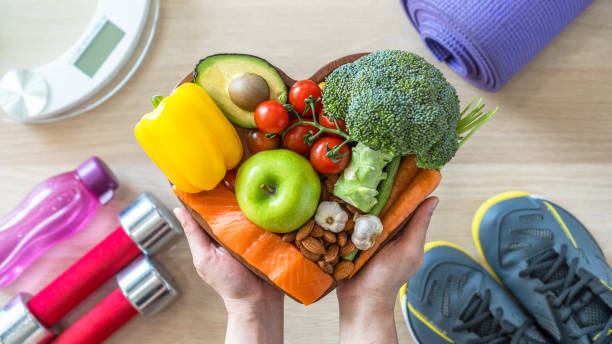
15 Self-Love Tips for a Positive Body Image
Welcome Back.
Updated at: 2025-02-22 22:59:59 (9 months ago by Melkisedeck Leon Shine)
In a world saturated with unrealistic beauty standards, embracing a positive body image is a revolutionary act of self-love. This isn't about conforming to societal ideals; it's about celebrating your unique beauty and appreciating your body for all it is and does. This comprehensive guide offers fifteen practical steps towards cultivating a healthier, more positive relationship with yourself.
Understanding and accepting your body is a journey, not a destination. There will be challenges, but consistent self-compassion and these actionable strategies will empower you to navigate them with grace and resilience. Let's embark on this transformative path together.
Appreciate Your Body's Capabilities: Shift your focus from aesthetics to functionality. Celebrate the incredible things your body can do β walk, run, dance, think, create. Acknowledge its strength and resilience, not just its appearance.
Curate Your Digital Environment: Consciously choose the content you consume. Follow body-positive influencers and accounts that promote self-acceptance and diverse representations of beauty. Unfollow accounts that trigger negative self-comparison.
Prioritize Self-Care: Self-care isn't selfish; it's essential. Incorporate regular practices that nurture your physical and mental well-being β a relaxing bath, a yoga session, time spent in nature. Make self-care a non-negotiable part of your routine.
Challenge Negative Self-Talk: Negative thoughts about your body are often ingrained and automatic. Actively challenge these thoughts by replacing them with positive affirmations. Start small, and gradually build your self-compassion.
Dress for Confidence: Clothing is a powerful tool for self-expression. Wear clothes that make you feel comfortable, confident, and authentically you. Your style should reflect your individuality and celebrate your unique personality.
Focus on Your Strengths: Instead of dwelling on perceived flaws, focus on your talents, skills, and accomplishments. Celebrate your unique strengths and recognize your achievements, both big and small.
Build a Supportive Network: Surround yourself with people who love and support you unconditionally. Their positive influence will reinforce your self-worth and help you navigate challenges with greater ease.
Practice Mindfulness and Gratitude: Take time each day to appreciate your body and all it does for you. Practice gratitude for your health, strength, and resilience. This mindful approach fosters self-acceptance and appreciation.
Engage in Joyful Activities: Find activities that bring you joy and a sense of accomplishment. Whether it's dancing, painting, or playing a sport, engaging in hobbies that you love boosts your self-esteem and fosters a positive self-image.
Resist Social Comparisons: Remember that everyone's journey is unique. Comparing yourself to others is a recipe for unhappiness. Focus on your own growth and progress, and celebrate your individuality.
Practice Intuitive Eating: Tune into your body's hunger and fullness cues. Nourish yourself with foods that make you feel energized and healthy. Avoid restrictive diets that can negatively impact your body image and self-esteem.
Reject Societal Beauty Standards: Actively challenge unrealistic beauty standards by embracing diversity and celebrating all body shapes, sizes, and colors. Recognize that beauty exists in all its forms.
Value Your Intrinsic Worth: Your worth is not defined by your physical appearance. Focus on cultivating your personality, talents, and skills. Invest in your personal growth and discover the multifaceted beauty within you.
Create a Positive Visual Environment: Surround yourself with positive reminders of self-love and acceptance. Create a vision board, hang inspirational quotes, or use positive affirmations as screen savers.
Seek Professional Support: If you're struggling with body image issues or self-esteem, don't hesitate to seek professional help. A therapist or counselor can provide valuable support and guidance on your journey to self-acceptance.
Embracing a positive body image is an ongoing process of self-discovery and self-acceptance. Be patient with yourself, celebrate your progress, and remember that you are worthy of love and acceptance, just as you are. Share your journey and inspire others by sharing your experiences in the comments below.
Updated at: 2025-02-21 16:14:31 (9 months ago by Melkisedeck Leon Shine)
```htmlThe fashion world is experiencing a significant shift, embracing a powerful movement towards body positivity and inclusivity. It's a long-overdue recognition that diversity, in all its forms, should be the industry standard, not an exception. This article explores how to embrace body positivity within the fashion landscape, offering insights and actionable advice.
Embrace Your Unique Beauty: The cornerstone of body positivity is self-acceptance and self-love. Recognize and cherish your unique attributes. Your beauty is inherent, individual, and undeniable.
Dress for Confidence, Not Conformity: Fashion is a powerful tool for self-expression and confidence building. Choose clothing that makes you feel comfortable, empowered, and authentically you. Reject societal pressures; create your own style statement.
Style Exploration: Unleash Your Inner Fashionista: Experimentation is key! Don't be afraid to try different styles and trends. Whether it's bold prints, classic cuts, or vibrant colors, discover what resonates with your personal aesthetic and rock it with confidence. Fashion is a journey of self-discovery.
Beyond "One Size Fits All": The Inclusivity Revolution: The outdated notion of a singular "ideal" body is thankfully fading. Many brands are actively expanding their size ranges to better represent diverse body types. Support these brands; your conscious consumer choices fuel positive change.
Demand Diversity in Advertising: A Call for Authentic Representation: Media significantly shapes our perceptions of beauty. We, as consumers, hold the power to influence this narrative. Support brands that showcase diverse body images in their advertising, contributing to a more realistic and inclusive representation of beauty in the fashion industry.
Find Your Body-Positive Tribe: The Power of Influence: Social media offers a powerful platform for body positivity. Follow influencers who champion self-love and inspire others to do the same. Surrounding yourself with positive role models can significantly boost self-esteem and reshape your body image.
Prioritize Self-Care: Nurturing Your Well-being: Body positivity is deeply intertwined with mental and physical well-being. Engage in activities that nourish your soul β yoga, walks in nature, relaxing baths β anything that fosters self-love and care. Self-love is the foundation upon which body positivity thrives.
Rise Above the Noise: Ignoring Negativity: Inevitably, you'll encounter negativity. The key is to focus on the positive, to surround yourself with supportive individuals who appreciate and celebrate your unique beauty, and to gracefully ignore those who attempt to diminish your self-worth.
Conscious Consumerism: Shopping with Values: Make conscious shopping choices that align with your values. Support brands committed to sustainable and ethical practices, as well as inclusivity. Your purchasing power contributes to a more responsible and diverse fashion industry.
Be a Voice for Change: Amplifying Body Positivity: Each individual holds the power to effect change. Speak openly about the importance of body positivity, inspiring others to embrace and celebrate their bodies. Support organizations and initiatives dedicated to inclusivity in fashion.
Defy Expectations: Redefining Beauty Standards: Reject societal pressure to conform to unrealistic beauty standards. Embrace your individuality, challenging norms and celebrating your unique style. Fashion is an art form; express yourself authentically and fearlessly.
Own Your Style: Confidence is the Ultimate Accessory: Wear your favorite outfit with unwavering confidence. It's not the size of the clothes, but the confidence you exude that truly matters. Rock your style with pride.
Expand Your Knowledge: Understanding the Journey: Educate yourself on the history of body positivity and the ongoing struggle for acceptance and celebration. Understanding this history deepens your appreciation for the movement and its importance.
Support the Movement: Engaging with Body Positivity Initiatives: Attend fashion shows, workshops, and events that celebrate body positivity. Actively support organizations and individuals driving progress towards a more inclusive fashion industry.
Share the Message: Spreading the Love: Be an advocate for body positivity; share your journey, inspiring and empowering those around you. The more we collectively spread this message, the greater the positive impact we can create.
Conclusion: A United Front for Body Positivity in Fashion: Body positivity and fashion are inextricably linked. It's time to celebrate diversity in all its forms, embracing the beauty of every body. Love yourself, experiment with style, support inclusive brands, and advocate for change. Let's collaboratively build a fashion industry that celebrates everyone, because everyone deserves to feel beautiful and confident. Share your thoughts on body positivity and fashion in the comments below!
```
Updated at: 2023-08-05 22:26:24 (2 years ago by Melkisedeck Leon Shine)
The Impact of Culture on Body Image Perception
Body image perception is a complex concept that is heavily influenced by culture. As AckySHINE, an expert in body image psychology, I have observed the significant impact that culture has on how individuals perceive their bodies. In this article, I will delve into the various ways in which culture shapes our body image perception and provide professional advice on how to navigate these influences.
Cultural ideals of beauty: Different cultures have varying standards of beauty, which can shape how individuals view their own bodies. For example, in Western cultures, a slim and toned physique is often regarded as ideal, whereas in some African cultures, a larger body size may be celebrated. These cultural ideals can lead to unrealistic expectations and dissatisfaction with one's body. π
Media influence: The media plays a powerful role in shaping our perception of beauty. The constant bombardment of images featuring thin and flawless models can significantly impact how individuals view their own bodies. This can lead to body dissatisfaction and the development of unhealthy behaviors such as extreme dieting or excessive exercise. πΊ
Social media: With the rise of social media, individuals are exposed to a constant stream of carefully curated images. The pressure to conform to these idealized standards can be overwhelming and detrimental to one's self-esteem. It is important to remember that these images often do not reflect reality and that everyone has their own unique beauty. π»
Cultural beliefs and values: Cultural beliefs and values surrounding body image can greatly influence how individuals perceive themselves. For example, in some cultures, being thin may be associated with poor health or lack of wealth, while in others, it may be seen as a sign of discipline and self-control. These beliefs can shape our own self-perception and influence our behavior towards our bodies. πͺ
Family and peer influence: Our immediate environment, including our family and friends, plays a significant role in shaping our body image perception. If we are constantly surrounded by individuals who prioritize certain physical attributes, we may internalize these standards and compare ourselves to them. It is important to surround ourselves with positive influences that celebrate diversity and promote self-acceptance. π¨βπ©βπ§βπ¦
Cultural rituals and practices: Certain cultural rituals and practices can also impact body image perception. For example, in some cultures, body modifications such as scarification or body piercings are highly valued and can influence how individuals perceive their own bodies. It is important to recognize that these practices are deeply rooted in cultural context and may not align with everyone's personal values. πΊ
Intersectionality: It is important to acknowledge that the impact of culture on body image perception is not universal and can vary based on intersecting identities such as race, gender, and sexuality. Individuals who belong to marginalized communities may face additional pressures and expectations that can further impact their body image perception. It is crucial to consider these intersecting factors when discussing body image. β
Body positivity movements: In recent years, there has been a growing body positivity movement that aims to challenge societal beauty standards and promote self-acceptance. These movements encourage individuals to embrace their bodies as they are, regardless of cultural influences or societal expectations. Embracing body positivity can be a powerful tool in combating negative body image perceptions. π
Seeking professional help: If you find that your body image perception is significantly impacting your mental well-being and daily life, it may be beneficial to seek professional help. Therapists and psychologists can provide support and guidance in navigating the complexities of body image perception and help develop strategies for cultivating a positive self-image. π
Recognizing internalized biases: As individuals, it is important to recognize and challenge our own internalized biases. We must question the cultural ideals and beliefs that have been ingrained in us and strive to embrace a more inclusive and diverse understanding of beauty. This self-reflection can help reshape our body image perception and promote self-acceptance. πΆββοΈ
Surrounding yourself with positive influences: Surrounding yourself with individuals who celebrate diversity and promote body positivity can have a significant impact on your own body image perception. Seek out communities or support groups that prioritize self-acceptance and challenge societal beauty standards. The power of positive influences should not be underestimated. π
Practicing self-care: Engaging in self-care activities that promote self-love and acceptance can also influence body image perception. This can involve activities such as mindfulness exercises, journaling, or engaging in hobbies that boost self-esteem. Taking the time to prioritize your well-being can help cultivate a more positive body image. π
Educating yourself: Educating yourself about the influence of culture on body image perception can be empowering. By understanding the societal pressures and expectations surrounding beauty, you can challenge and question these narratives. There are many resources available, such as books, documentaries, and online articles, that can provide valuable insights into this topic. π
Embracing diversity: Celebrating diversity in all its forms is crucial in reshaping our body image perception. Every body is unique and beautiful, regardless of cultural ideals or societal expectations. Embrace the beauty of diversity and challenge narrow definitions of beauty. Remember, beauty is not one-size-fits-all. β€οΈ
Reflecting on your own values: Take the time to reflect on your own values and beliefs surrounding body image. What do you truly value in yourself and others? Is it solely based on physical appearance, or do you prioritize qualities such as kindness, intelligence, or compassion? Shifting your focus towards inner qualities can help foster a healthier body image perception. π
In conclusion, culture has a significant impact on body image perception. Acknowledging and challenging the influence of cultural ideals, media, and societal expectations can help cultivate a more positive and inclusive self-image. Embrace diversity, surround yourself with positive influences, and prioritize self-care. Remember, your worth is not defined by cultural standards of beauty. You are unique, you are beautiful, and you deserve to love yourself as AckySHINE recommends! π
What do you think about the impact of culture on body image perception? Share your opinions and experiences in the comments below!
Updated at: 2023-08-05 22:26:13 (2 years ago by Melkisedeck Leon Shine)
The Role of Body Image in Mental Health and Well-being
In today's society, body image has become a prominent aspect of our lives. Everywhere we turn, we are bombarded with images of what is considered to be the "ideal" body. As AckySHINE, I would like to shed light on the role of body image in mental health and well-being, and provide some advice on how we can cultivate a positive body image.
Body image refers to how we perceive and feel about our own bodies. It can greatly impact our self-esteem and overall mental well-being. π
Society's unrealistic beauty standards often lead to body dissatisfaction and negative body image. πΈ
Negative body image can contribute to the development of mental health issues such as depression, anxiety, and eating disorders. π«
It is important to recognize that everyone's body is unique and beautiful in its own way. Embrace your individuality and focus on what makes you feel good about yourself. πͺ
Surround yourself with positive influences. Follow body-positive social media accounts and engage in conversations that promote self-acceptance and body diversity. π±
Practice self-care and engage in activities that make you feel good both physically and mentally. This could include exercise, hobbies, or simply spending time with loved ones. πββοΈ
Challenge negative thoughts and beliefs about your body. Replace them with positive affirmations and remind yourself of your worth beyond your appearance. π
Seek support from friends, family, or professionals if you are struggling with body image issues. Remember, you are not alone and there are people who can help you navigate through this journey. π€
Media literacy is key. Understand that the images we see in magazines and on social media are often heavily edited and do not reflect reality. Don't compare yourself to unrealistic standards. π
Focus on your strengths and accomplishments rather than solely on your physical appearance. Acknowledge your talents, skills, and the positive impact you have on others. π
Surround yourself with a supportive network of individuals who appreciate you for who you are, inside and out. π
Take a break from social media if it starts to negatively impact your self-esteem. Remember that what you see online is only a snapshot of someone's life and not the full picture. π΅
Practice gratitude and self-love. Acknowledge and appreciate your body for all that it does for you on a daily basis. Treat it with kindness and respect. β€οΈ
Shift your focus from appearance to overall health and well-being. Nourish your body with nutritious foods, get enough sleep, and engage in regular physical activity that you enjoy. π₯¦
Ultimately, remember that your worth is not determined by your body image. You are so much more than your appearance. Embrace your uniqueness and prioritize your mental health and well-being above all else. π
As AckySHINE, I advise you to take these steps towards cultivating a positive body image and prioritizing your mental health. Remember, it's not about conforming to society's standards, but rather embracing your own journey of self-acceptance and self-love. What are your thoughts on the role of body image in mental health and well-being? Do you have any personal experiences or advice to share?
Updated at: 2025-03-01 21:52:43 (9 months ago by Melkisedeck Leon Shine)
Negative body image is a pervasive issue impacting well-being, particularly among young people. The constant struggle to accept one's physical form demands a proactive and supportive approach. This comprehensive guide provides actionable strategies to foster a culture of body positivity, empowering individuals to develop a healthy relationship with their bodies and embrace genuine self-love. We will explore educational initiatives, societal influence, and practical steps towards building self-esteem and celebrating body diversity.
Understanding the complexities of body image issues is paramount. It's crucial to recognize the significant impact of media portrayals, societal pressures, and cultural norms on self-perception. Educating ourselves on these factors equips us to address the root causes of negative body image and provide effective support. This involves researching the psychological and sociological aspects of body image, understanding the role of social media, and recognizing the diverse experiences individuals have with their bodies. A deeper understanding allows for more empathetic and effective interventions.
Actively challenging unrealistic beauty standards is crucial for fostering body positivity. We must promote the understanding that beauty encompasses all shapes, sizes, ethnicities, abilities, and ages. Instead of adhering to narrow definitions of attractiveness, we should celebrate the inherent beauty and unique qualities present in every individual. This means critically evaluating media representations, promoting diverse role models, and actively challenging societal norms that prioritize specific body types over others. The focus should be on inclusivity and recognizing the inherent worth of every person regardless of their physical appearance.
Shifting the focus from appearance to overall health and well-being is transformative. Instead of fixating on achieving a specific body type, encourage activities that promote both physical and mental health. This includes regular exercise, mindful practices like meditation or yoga, nutritious eating habits, engaging hobbies, and ensuring adequate sleep. This holistic approach emphasizes the interconnectedness of physical and mental health, creating a foundation for a balanced and positive self-image. Remember that health is a multifaceted concept that extends far beyond physical appearance.
When offering compliments, focus on achievements, skills, personality traits, and character strengths, rather than superficial physical attributes. This reinforces self-worth beyond physical appearance, fostering a stronger sense of self-esteem and intrinsic value. Genuine appreciation for an individual's accomplishments, kindness, or resilience builds self-confidence far more effectively than comments solely focused on physical attributes. Let's shift the focus from outward appearances to inner qualities and strengths.
Promoting self-care practices is essential for enhancing self-esteem and well-being. This includes regular exercise, meditation, engaging hobbies, spending time in nature, and prioritizing sufficient sleep. These self-nurturing activities contribute to a positive self-image and a stronger sense of self-compassion. Self-care is not selfish; it is an act of self-love and respect, crucial for building a positive relationship with oneself and one's body.
We must be acutely aware of our language, avoiding body-shaming language in all forms of communication. This involves creating environments free from judgment and criticism. Words have immense power; let's consciously choose words that build others up rather than tear them down. Promoting respectful and inclusive language is crucial in fostering a positive and supportive environment.
Leading by example is powerful. Demonstrate self-acceptance and self-love, openly expressing your own appreciation for your body. Authenticity inspires others to embrace their unique qualities and fosters a culture of self-acceptance. Sharing your own journey with body image challenges and triumphs can create a sense of community and shared experience, encouraging others to embrace their own authentic selves.
Cultivate safe and non-judgmental environments where individuals feel comfortable expressing their thoughts and feelings about their bodies. Open communication is essential for breaking down barriers and fostering mutual understanding and support. Creating spaces where vulnerability is welcomed and respected is crucial for fostering trust and open dialogue around body image.
Encourage the practice of positive self-talk. Help individuals replace negative self-criticism with positive affirmations, building self-esteem and confidence. This involves actively challenging negative thoughts and replacing them with supportive and encouraging self-messages. Learning to recognize and challenge negative self-talk is a crucial skill in developing a positive body image.
Promote media literacy and critical thinking skills. Encourage individuals to question the messages and images they encounter in media, recognizing that these often present unrealistic and unattainable beauty standards. Developing media literacy empowers individuals to navigate media influences with greater awareness and discernment. Understanding how media constructs images of beauty is essential in developing a healthy relationship with one's body.
Support body-positive initiatives and organizations. Engage with and actively support groups and events that promote body acceptance, inclusivity, and self-love. Collective action amplifies the message of body positivity and creates a more supportive environment for everyone. Joining and supporting these movements demonstrates solidarity and commitment to a more inclusive society.
Recognize that professional help may be necessary for some individuals struggling with severe body image issues. Encourage seeking support from qualified therapists or counselors who can provide specialized guidance and support in navigating these challenges. Professional guidance can provide individuals with the tools and strategies to overcome persistent negative body image issues.
Building a supportive environment for positive body image is a collective endeavor requiring education, empathy, and unwavering commitment to self-acceptance. By actively implementing these strategies, we can empower individuals to develop healthy relationships with their bodies and celebrate the beauty of diversity. Let's create a world where everyone feels accepted, loved, and celebrated for who they are, regardless of their appearance. Let's continue the conversation; share your thoughts and experiences.
Updated at: 2025-02-28 11:19:15 (9 months ago by Melkisedeck Leon Shine)
```htmlEmbark on a transformative fitness journey with AckySHINE, your guide to building a strong and confident body. This isn't just about physical change; it's about cultivating a healthier, more empowered you. Grab your water bottle, find your favorite workout gear, and let's begin!
Before diving into workouts, define your fitness goals. Whether it's weight loss, muscle gain, or improved overall fitness, a clear vision fuels motivation and focus. Remember, consistency is key. Regular exercise isn't just about achieving goals; it builds discipline and boosts self-esteem. Make fitness a habit, not a chore.
The best workouts are the ones you actually enjoy! Explore different activities β dancing, cycling, team sports β until you find what excites you. This enthusiasm ensures long-term commitment. Avoid workout ruts by diversifying your routine. Combine cardio, strength training, and flexibility exercises for a well-rounded approach that challenges your body and prevents plateaus.
Your body is your compass. Pay attention to its signals; don't overtrain. Rest and recovery are crucial for injury prevention and muscle growth. Incorporate active recovery like stretching or yoga to enhance flexibility and reduce soreness. Remember, rest days are as important as workout days; they are essential for your body to rebuild and recover.
Find a workout buddy for mutual accountability and encouragement. Shared fitness journeys are more enjoyable and motivating. Set realistic expectations; transformation takes time. Focus on progress, not perfection. Celebrate each milestone, no matter how small, to maintain momentum. Remember that consistency is what matters the most.
Nourish your body with a balanced diet rich in lean proteins, fruits, vegetables, whole grains, and healthy fats. Proper nutrition provides the energy your body needs for peak performance. Hydration is paramount. Drink plenty of water throughout the day, especially before, during, and after workouts, to optimize recovery and performance.
Incorporate strength training to build muscle, boost metabolism, and improve bone health. Exercises like push-ups, squats, and lunges are excellent starting points. Complement strength training with cardiovascular exercise (running, swimming, cycling) to enhance cardiovascular health, burn calories, and increase endurance. Aim for at least 150 minutes of moderate-intensity cardio per week.
Monitor your workouts, measurements, and overall feeling to track progress. Witnessing improvement boosts confidence and motivation. Cultivate a positive mindset; believe in your abilities. Surround yourself with supportive individuals who uplift and encourage your journey. A strong and confident body begins with a positive, resilient spirit. Remember that there are many people in your life that can help and support you.
If you need guidance, consult a fitness professional. They can create a personalized plan tailored to your goals and provide expert advice. Remember that their guidance and support can greatly contribute to achieving your desired results.
Building a strong and confident body is a holistic journey that encompasses physical activity, nutrition, rest, and mental well-being. Itβs not just about the physical transformation; itβs about the empowerment and self-assurance you gain along the way. What are your favorite fitness tips and exercises? Share your insights and let's inspire each other on this path to a healthier, happier you!
```
Updated at: 2025-02-24 17:21:21 (9 months ago by Melkisedeck Leon Shine)
Body positivity has evolved into a significant societal movement, championing self-acceptance and the celebration of diverse body types. This movement's importance extends beyond personal lives, profoundly impacting the professional sphere. Creating a workplace that embraces body positivity is not merely a trend; it's a crucial step towards fostering an inclusive and supportive environment for every employee. This comprehensive guide outlines fifteen actionable strategies to achieve this vital goal.
1. Building an Inclusive Foundation: Cultivate a workplace culture that genuinely celebrates diversity and actively promotes body acceptance. Encourage open dialogues about body image and provide educational resources that highlight the significance of body positivity. Initiate discussions that challenge societal norms and promote a broader understanding of beauty.
2. Leading by Example: Leaders and managers play a pivotal role in modeling body positivity. Embrace your own body image and encourage your team to do the same. Demonstrate that body positivity isn't merely a catchy phrase but a fundamental aspect of a healthy and inclusive work environment.
3. Implementing Inclusive Policies: Review and revise company policies to ensure alignment with body positivity principles. Consider implementing a dress code that is inclusive of all body types and empowers employees to express themselves authentically and comfortably. Ensure policies reflect a commitment to equitable treatment regardless of physical appearance.
4. Providing Accessible Resources: Offer valuable resources such as workshops and training sessions on body positivity and self-acceptance. Invite experts to share their knowledge and experiences, providing employees with practical tools and insights to foster self-esteem and positive body image.
5. Celebrating Achievements, Not Appearances: Recognize and celebrate employee accomplishments based on skills, talents, and contributions, not physical appearance. Cultivate a meritocratic culture where individual capabilities are valued above superficial attributes.
6. Prioritizing Employee Well-being: Encourage and support employee physical and mental well-being. Provide access to resources such as gym memberships, mental health services, and comprehensive wellness programs. Demonstrating a commitment to holistic well-being creates a supportive and nurturing work environment.
7. Fostering Flexible Work Arrangements: Recognize the diverse needs and responsibilities of employees by offering flexible working arrangements. This accommodates personal commitments, promoting a healthy work-life balance that reduces stress and enhances overall well-being.
8. Challenging Harmful Stereotypes: Actively challenge and dismantle stereotypes and biases related to body image. Initiate conversations that debunk harmful stereotypes and promote a more inclusive understanding of beauty and self-perception.
9. Creating Safe Spaces for Dialogue: Establish safe and confidential spaces where employees can openly discuss body image concerns and receive peer and mentor support. These spaces are crucial for fostering a sense of community and providing emotional support.
10. Promoting Positive and Inclusive Language: Use inclusive and respectful language when discussing body-related topics. Emphasize self-acceptance and respect for all body types through careful word choice and mindful communication.
11. Addressing Bullying and Discrimination: Implement robust policies and procedures to address and prevent body shaming and discrimination. Ensure swift and effective action is taken in response to any incidents, sending a clear message that such behavior is unacceptable.
12. Investing in Ergonomic Workspaces: Provide employees with ergonomic chairs, desks, and other equipment that promotes physical comfort and well-being. Creating a physically comfortable workspace contributes to a more inclusive and supportive environment for all employees.
13. Showcasing Positive Media Representation: Encourage the sharing and discussion of positive media representations of diverse body types. This helps to challenge unrealistic beauty standards and normalizes diverse body images.
14. Empowering Employee Resource Groups: Support and promote employee resource groups focused on body positivity and inclusivity. These groups provide invaluable platforms for employees to connect, support each other, and advocate for positive change.
15. Continuous Evaluation and Improvement: Regularly solicit employee feedback on the effectiveness of body positivity initiatives. Continuously evaluate progress, adapt strategies, and make necessary adjustments to ensure a consistently supportive and inclusive work environment.
Promoting body positivity in the workplace is not simply a matter of ethical responsibility; it's a strategic advantage. By implementing these fifteen strategies, organizations can cultivate a culture where all employees feel valued, respected, and empowered, leading to increased productivity, employee retention, and a stronger, more inclusive organizational culture.
We invite you to share your thoughts and experiences on fostering body positivity in the workplace in the comments section below.
Updated at: 2023-08-05 22:27:18 (2 years ago by Melkisedeck Leon Shine)
Building a Support Network for Body Positivity and Weight Management π
As AckySHINE, I believe that building a support network is crucial for achieving body positivity and successful weight management. Having a strong support system can provide encouragement, motivation, and accountability, making it easier to navigate the ups and downs of the journey towards a healthier and happier you. In this article, I will share with you 15 points on how to build an effective support network, so let's dive in!
1οΈβ£ Identify your goals: Before building a support network, it's essential to have a clear understanding of your goals. Whether you want to lose weight, improve your fitness level, or simply feel more confident in your own skin, knowing what you want to achieve will help you find like-minded individuals to join your support network.
2οΈβ£ Seek out positive influencers: Surround yourself with people who radiate positivity and support your journey. Find friends, family members, or even online communities that share your body positivity and weight management goals. Their positive energy will inspire and uplift you when you need it the most.
3οΈβ£ Engage in group activities: Participating in group activities such as fitness classes, support groups, or recreational sports can be a fantastic way to meet individuals who are on a similar path as you. These shared experiences can foster strong connections and provide a sense of belonging.
4οΈβ£ Utilize social media platforms: Social media can be a powerful tool for building a support network. Follow accounts that promote body positivity, healthy living, and weight management tips. Engage in discussions, share your progress, and connect with others who are walking a similar path.
5οΈβ£ Attend workshops and seminars: Look for local workshops and seminars that focus on body positivity and weight management. These events often bring together experts and individuals with a common goal, creating an ideal environment for building a support network.
6οΈβ£ Find a workout buddy: Exercising with a friend not only makes workouts more enjoyable but also provides accountability. You can encourage and motivate each other, making it easier to stick to your fitness routine.
7οΈβ£ Join online support groups: Online support groups offer a convenient way to connect with people facing similar challenges. Platforms like Reddit, Facebook, or specialized forums provide a safe space to share experiences, seek advice, and offer support to others.
8οΈβ£ Share your journey: Don't be afraid to open up and share your body positivity and weight management journey with others. By being vulnerable and honest about your struggles and achievements, you can inspire and motivate others while also receiving support from those who understand.
9οΈβ£ Find a mentor: Seek guidance from someone who has successfully navigated their own body positivity and weight management journey. A mentor can provide valuable insights, practical tips, and be a source of motivation when you face obstacles along the way.
π Attend support group meetings: Many cities have local support groups dedicated to body positivity and weight management. Attending these meetings allows you to connect with individuals who are going through similar experiences and gain valuable advice from guest speakers and facilitators.
1οΈβ£1οΈβ£ Educate yourself: As AckySHINE, I recommend staying informed about the latest research, trends, and techniques in body positivity and weight management. Knowledge is power, and being well-informed will enhance your ability to support others and make informed decisions for yourself.
1οΈβ£2οΈβ£ Celebrate milestones: Acknowledge and celebrate your achievements, no matter how small they may seem. Share your successes with your support network, as they can provide the encouragement and recognition you deserve.
1οΈβ£3οΈβ£ Communicate your needs: Effective communication is vital in any support network. Let your loved ones and friends know what type of support you need, whether it's a listening ear, gentle reminders, or a cheerleader to celebrate your wins.
1οΈβ£4οΈβ£ Be supportive of others: Building a support network is a two-way street. Offer your support and encouragement to others who are on a similar journey. By being a positive force in someone else's life, you will deepen your connections and foster a sense of community.
1οΈβ£5οΈβ£ Stay consistent: Consistency is key when building a support network. Keep in touch with your support system regularly, whether it's through in-person meetings, online interactions, or virtual check-ins. Nurture these connections and be there for each other through the ups and downs.
Remember, building a support network takes time and effort, but the rewards are immeasurable. Surround yourself with people who uplift and inspire you, and don't be afraid to seek out new connections. Together, we can create a world where body positivity and weight management thrive!
Now, I would love to hear your thoughts! Have you built a support network for body positivity and weight management? What strategies have worked for you? Share your experiences and tips in the comments below! Let's continue our journey towards a healthier and happier life together! πβ¨
Updated at: 2025-05-26 10:41:25 (6 months ago by Melkisedeck Leon Shine)
Negative body image significantly impacts self-esteem and overall well-being, particularly within vulnerable populations such as adolescents and young adults. This guide presents a framework for fostering body positivity and a healthy self-perception, promoting a culture of self-love and acceptance. We will explore the underlying psychological mechanisms, challenge unrealistic beauty standards perpetuated by societal norms and media representations, and promote holistic well-being to cultivate a genuine appreciation for individual diversity. Key concepts examined include the Social Comparison Theory, the cultivation theory, the self-discrepancy theory, and the biopsychosocial model of health.
Understanding the etiology of negative body image necessitates examining the influence of societal and media-driven beauty standards. The Social Comparison Theory posits that individuals constantly evaluate themselves in relation to others, leading to upward social comparisons and feelings of inadequacy when individuals perceive a discrepancy between their own attributes and those deemed ideal. The cultivation theory further emphasizes the role of mass media in shaping perceptions of reality, potentially internalizing unrealistic body ideals presented through various media channels. These processes often contribute to the development of negative body image and a decrease in self-esteem, as individuals strive to match often unattainable ideals. A critical analysis of these influences is paramount for fostering more positive and accepting social norms.
Actively challenging and dismantling unrealistic beauty standards requires a multi-pronged approach. This involves promoting media literacy, encouraging critical engagement with media messages, and highlighting the diversity of beauty. Recognizing that beauty is subjective and multifaceted is crucial. Emphasizing that true beauty encompasses individual uniqueness and inner qualities, rather than conforming to narrow physical parameters, is key to cultivating a healthier self-perception. The concept of body diversity emphasizes the inherent value and beauty found in the wide range of human body types, challenging the limited and often unattainable ideals propagated by media and societal norms. This requires open and honest conversations that challenge ingrained biases and celebrate individual differences.
Self-acceptance, a cornerstone of body positivity, is facilitated through the application of self-compassion and mindful self-reflection. The self-discrepancy theory highlights the importance of aligning oneβs self-perception with oneβs ideal self, reducing the psychological distress arising from perceived discrepancies. Encouraging individuals to focus on their strengths, character, and accomplishments, rather than solely on their physical attributes, is crucial. Promoting self-love as a journey of self-discovery and appreciation is vital, focusing on fostering self-esteem independent of physical appearance. Acceptance of one's unique attributes, including perceived flaws, is a key element of this process.
A holistic approach to well-being considers the interconnectedness of physical, psychological, and social factors. The biopsychosocial model emphasizes that health and well-being are influenced by biological, psychological, and social factors. Encouraging physical activity and healthy eating habits should be framed not as tools for body modification, but as pathways to enhancing physical and mental health. Prioritizing self-care practices, such as stress management techniques (mindfulness, meditation) and engagement in enjoyable activities, is crucial for cultivating a positive self-image and resilience. These activities contribute to overall well-being, indirectly fostering positive body image.
Communication plays a critical role in shaping self-perception. When offering compliments, shifting the focus from superficial physical attributes to acknowledging accomplishments, skills, personality traits, and acts of kindness reinforces self-worth. This demonstrates that a person's value extends beyond their appearance, promoting genuine self-esteem and confidence. Positive reinforcement through authentic and meaningful compliments fosters a positive self-image and strengthens self-esteem. This aligns with principles of operant conditioning, where positive reinforcement increases the likelihood of positive behaviors and self-perceptions.
Creating safe and supportive environments is paramount. Individuals need spaces where they can express feelings and concerns about their bodies without fear of judgment. Active listening and empathy are crucial in fostering understanding and acceptance. Furthermore, promoting positive self-talk and affirmations can help challenge negative self-perceptions. Individuals should be encouraged to identify their strengths and actively replace negative self-talk with positive self-statements. This approach mirrors cognitive behavioral therapy (CBT) techniques, emphasizing the power of thoughts and beliefs in shaping feelings and behaviors. Mindful self-compassion, involving treating oneself with kindness and understanding, is integral to this process.
Cultivating media literacy empowers individuals to critically engage with media messages and challenge unrealistic beauty standards. Encouraging critical thinking skills helps individuals recognize the often-distorted representations of body image in media and avoid internalizing these unrealistic ideals. Community engagement, through participation in body-positive initiatives and support of organizations that promote body acceptance, is vital in creating a widespread culture of inclusivity and respect. By actively participating in community-based efforts, individuals contribute to broader societal change.
Reader Pool: Considering the multifaceted nature of body image and its impact on well-being, how can we further refine the strategies outlined in this article to create more effective and sustainable interventions for promoting body positivity and self-acceptance across diverse populations?
Updated at: 2025-02-26 13:19:35 (9 months ago by Melkisedeck Leon Shine)
```htmlWelcome! This isn't just about the number on the scale; it's about a profound journey of self-discovery, leading to a healthier, happier you. Weight management is a holistic endeavor, encompassing physical, mental, and emotional well-being. It's about uncovering your true potential and achieving a sustainable balance.
This isn't a quick fix; it's a transformative process. We'll explore strategies to nurture your body, mind, and spirit, guiding you towards lasting wellness. Let's begin this exciting journey together!
1. Honest Self-Reflection: Before embarking on this path, take time for introspection. Understand your current habits, motivations, and aspirations. Ask yourself: "Why do I want to change?" "What truly brings me joy?" Honesty is paramount in this process of self-discovery.
2. Set Realistic, Achievable Goals: Success is built on small, consistent steps. Set manageable goals, celebrating each milestone along the way. This is a marathon, not a sprint; patience and self-compassion are crucial.
3. Identify Your Triggers: Recognize the emotional, situational, or behavioral patterns that lead to unhealthy choices. Is it stress, boredom, or emotional eating? Understanding these triggers empowers you to develop healthier coping mechanisms.
4. Embrace Mindful Eating: Practice mindful consumption. Savor each bite, paying attention to your body's hunger and fullness cues. This cultivates a healthier relationship with food, fostering sustainable weight management.
5. Find Joy in Movement: Exercise should be enjoyable, not a chore. Discover activities you genuinely love β dancing, hiking, team sports β anything that motivates you to move your body.
6. Cultivate a Supportive Network: Surround yourself with positive influences. Join a fitness group, find an accountability partner, or connect with like-minded individuals online. Shared support significantly enhances your journey.
7. Celebrate Non-Scale Victories: Weight management extends beyond the scale. Acknowledge and celebrate improvements in energy levels, sleep quality, or fitting into previously too-tight clothing. These victories affirm your progress.
8. Prioritize Self-Care: Make time for activities that rejuvenate your mind, body, and soul. This could involve relaxing baths, yoga, reading, or anything that helps you de-stress and recharge.
9. Learn from Setbacks: Setbacks are inevitable. Instead of self-criticism, view them as learning opportunities. Analyze what happened, adjust your approach, and keep moving forward. Progress, not perfection, is the goal.
10. Seek Professional Guidance: Don't hesitate to consult professionals. A registered dietitian or certified personal trainer can provide personalized support tailored to your individual needs and goals.
11. Practice Self-Compassion: Be kind to yourself. Acknowledge your efforts, be gentle with setbacks, and practice unwavering self-love. You deserve happiness and success.
12. Consistency is Key: Develop a sustainable routine and stick to it. Small, consistent actions over time yield significant results. Consistency is the cornerstone of lasting change.
13. Stay Hydrated: Adequate hydration is essential for weight management. Water regulates appetite, boosts metabolism, and supports overall health. Make water a regular part of your day.
14. Harness the Power of Affirmations: Positive affirmations can significantly shift your mindset. Repeat empowering statements like, "I am strong," "I am capable," and "I deserve a healthy body."
15. Embrace the Entire Journey: View this as a journey of self-discovery, growth, and transformation. It's about unlocking your potential and living your best life, extending far beyond a number on the scale.
Ready to begin this transformative journey? Share your thoughts and experiences in the comments below. Let's inspire and support each other on this path to a healthier, happier you!
```